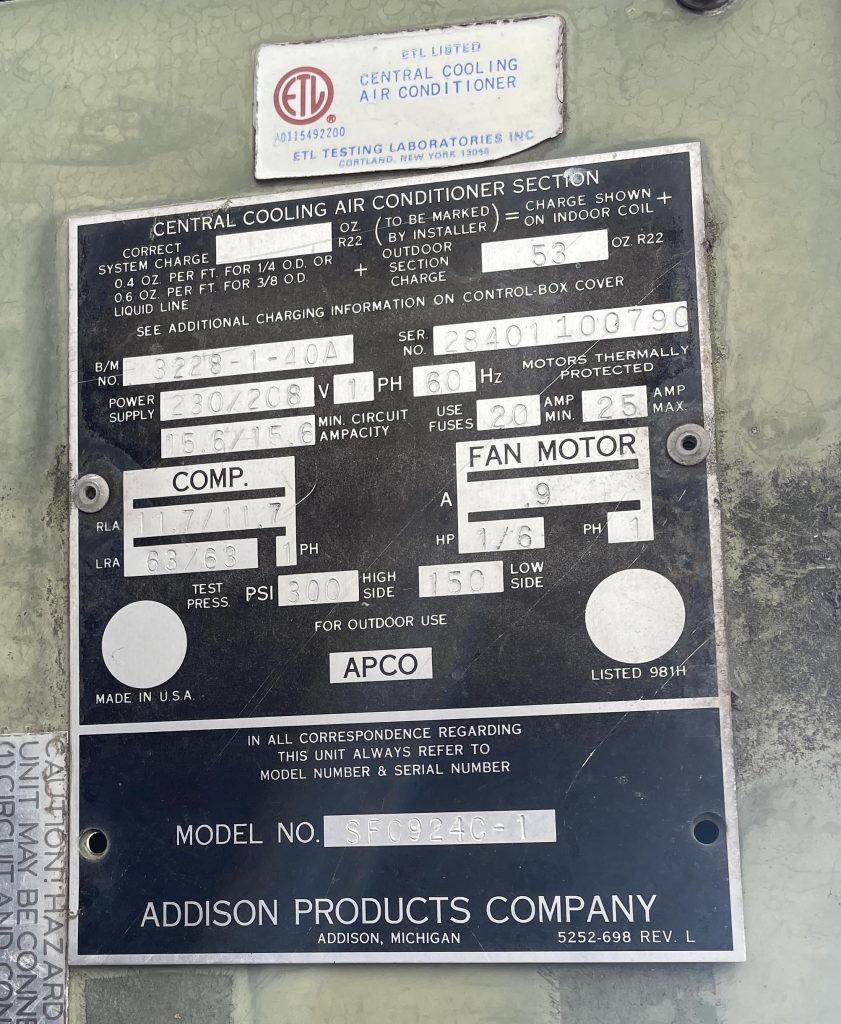
Have you ever wondered how long Freon lasts in your air conditioner? Knowing this can save you time, money, and stress.
If your AC isn’t cooling like it used to, the Freon level might be the reason. You’ll discover exactly how long Freon typically lasts, signs it’s running low, and what you can do to keep your home cool all year round.
Keep reading to make sure your air conditioner stays in top shape without unexpected surprises.
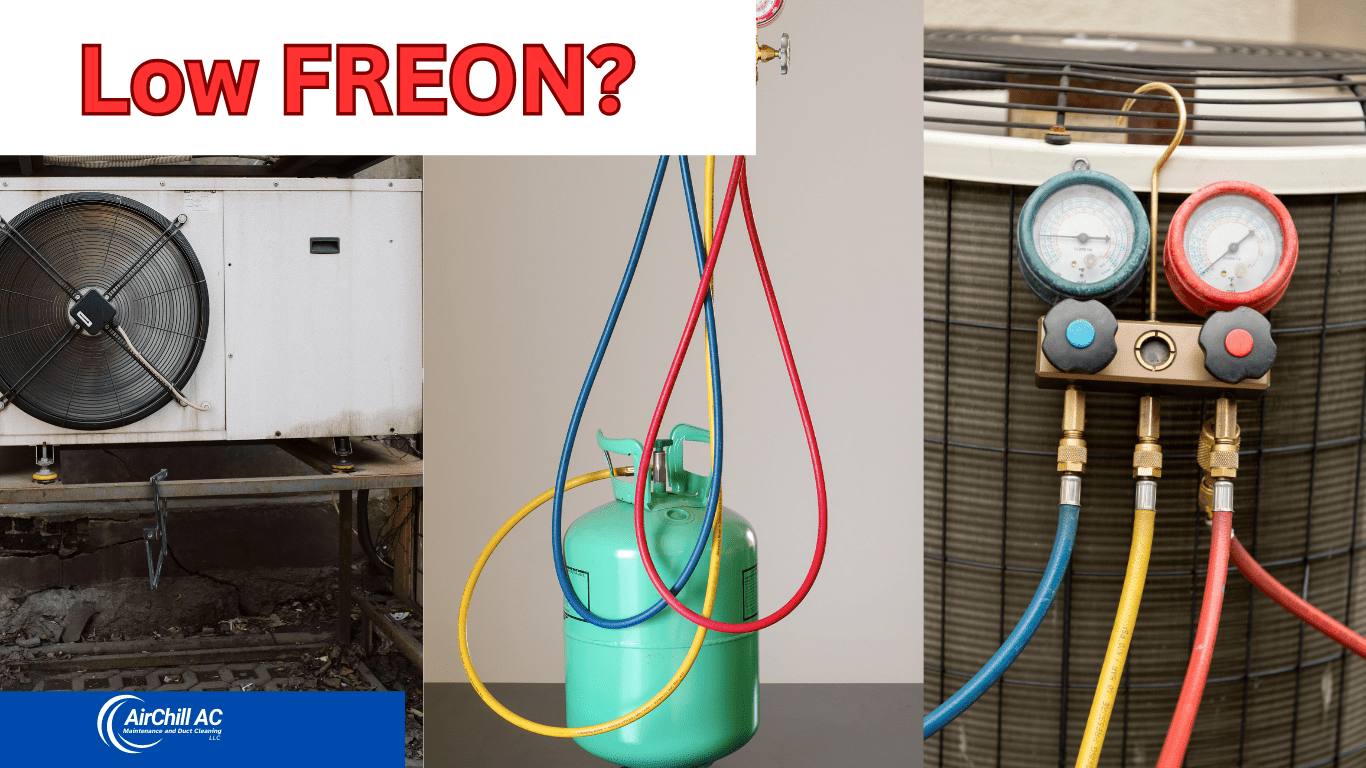
Credit: airchillac.com
Freon Basics
Freonis a type of chemical used in air conditioners. It helps move heat from inside your home to the outside. This process keeps your house cool.
Freon works by changing from liquid to gas and back again. This change helps absorb and release heat. It is stored in the air conditioner’s sealed system.
- It cools the air by absorbing heat.
- It moves heat outside to keep rooms cool.
- It helps the air conditioner work efficiently.

Credit: www.georgiaairrepair.com
Freon Lifespan Factors
The type and ageof an air conditioner affect how long Freon lasts. Older systems might lose Freon faster due to wear and tear. Newer models often hold refrigerant longer because of better sealing.
Usage frequencyis key. More use means Freon can leak or degrade quicker. A unit running all summer will need more attention than one used less often.
Maintenanceplays a big role. Regular check-ups help spot leaks early and keep the system sealed tight. Clean coils and filters also reduce strain on the Freon.
Leaks and repairsshorten Freon life. Even small leaks let Freon escape slowly. Fixing leaks quickly can save money and extend the refrigerant’s life.
Signs Of Low Freon
Reduced cooling efficiencyis a clear sign of low Freon. The air conditioner struggles to cool the room properly. It may take longer to reach the desired temperature. The air coming out might feel warm or less cold than usual.
Unusual noisesfrom the unit can indicate a Freon leak. You might hear hissing, bubbling, or gurgling sounds. These noises come from the refrigerant moving or escaping inside the system.
Ice formationon the coils or pipes is another sign. Low Freon causes the evaporator coil to freeze. This ice blocks airflow and reduces cooling power.
Increased energy billsoften happen with low Freon. The AC works harder to cool the space, using more electricity. This results in higher monthly costs.
Checking Freon Levels
Professional inspectionis the most reliable way to check Freon levels. Experts use special tools to measure the exact amount of refrigerant in the system. They can spot leaks or other problems that may cause Freon to drop. This helps keep the air conditioner running well and prevents damage.
DIY methodsfor checking Freon have limits. Some people use pressure gauges or look for ice on pipes. These methods only give rough ideas and can be unsafe. Without proper tools and skills, it is hard to know the real Freon level. Incorrect handling may harm the AC or cause injury. Calling a professional is safer and more accurate.
Refilling And Replacement
Freon may need recharging if the air conditioner cools poorly. Low refrigerant levels often cause this issue. A certified technician checks for leaks before refilling. Regular maintenance helps avoid sudden Freon loss.
| Type of Refrigerant | Common Uses | Environmental Impact |
|---|---|---|
| R-22 | Older AC units | Ozone-depleting, being phased out |
| R-410A | Newer AC systems | Less harmful, more efficient |
- Choose refrigerants approved for your AC model.
- Use eco-friendly options when possible.
- Proper disposal protects the environment.
Extending Freon Life
Regular maintenance keeps the air conditionerrunning well and helps Freon last longer. Check the unit often for any signs of wear or damage. Clean the filters and coils to improve airflow and efficiency. This reduces stress on the system and prevents leaks.
Leaks waste Freon and harm the environment. Watch for oily spots or hissing sounds around pipes and connections. Fix leaks quickly to avoid costly repairs. Sealing leaks also keeps the system cool and saves energy.
System upgrades can boost performance and Freon life. Newer parts may use Freon more efficiently or require less of it. Consider replacing old components like compressors or thermostats. This helps the air conditioner work better and last longer.

Credit: www.reddit.com
Frequently Asked Questions
How Often Should Freon Be Replaced In Ac?
Freon in an air conditioner typically doesn’t need regular replacement. If the system is sealed and functioning properly, Freon should last indefinitely. However, if there’s a leak or maintenance issue, Freon levels might drop, requiring a recharge. Regular maintenance checks can help ensure your AC system remains efficient and leak-free.
What Are Signs Of Low Freon In Ac?
Signs of low Freon include reduced cooling efficiency, longer cooling cycles, and warm air from the vents. You might also notice ice buildup on the refrigerant line or hissing sounds from the unit. If you observe these signs, it’s advisable to have a professional check your AC system.
Can Freon Leaks Be Repaired?
Yes, Freon leaks can be repaired by a professional HVAC technician. They will identify the source of the leak, repair it, and recharge the system with the appropriate amount of Freon. Regular maintenance can help prevent leaks and ensure your air conditioner operates efficiently.
How Long Does Freon Last Without Leaks?
Without leaks, Freon can last indefinitely in a sealed air conditioning system. The refrigerant isn’t consumed or used up during the cooling process. Instead, it circulates continuously within the system, maintaining its effectiveness as long as the system remains intact and leak-free.
Conclusion
Freon in an air conditioner can last many years with proper care. Leaks or damage reduce its life quickly. Regular maintenance helps keep your system running well. Watch for signs like weak cooling or strange noises. Fix problems early to avoid costly repairs.
Knowing how long Freon lasts saves you time and money. Keep your air conditioner healthy for cool, comfortable air all summer. Simple checks make a big difference in performance and efficiency. Stay alert and act fast if you notice issues.