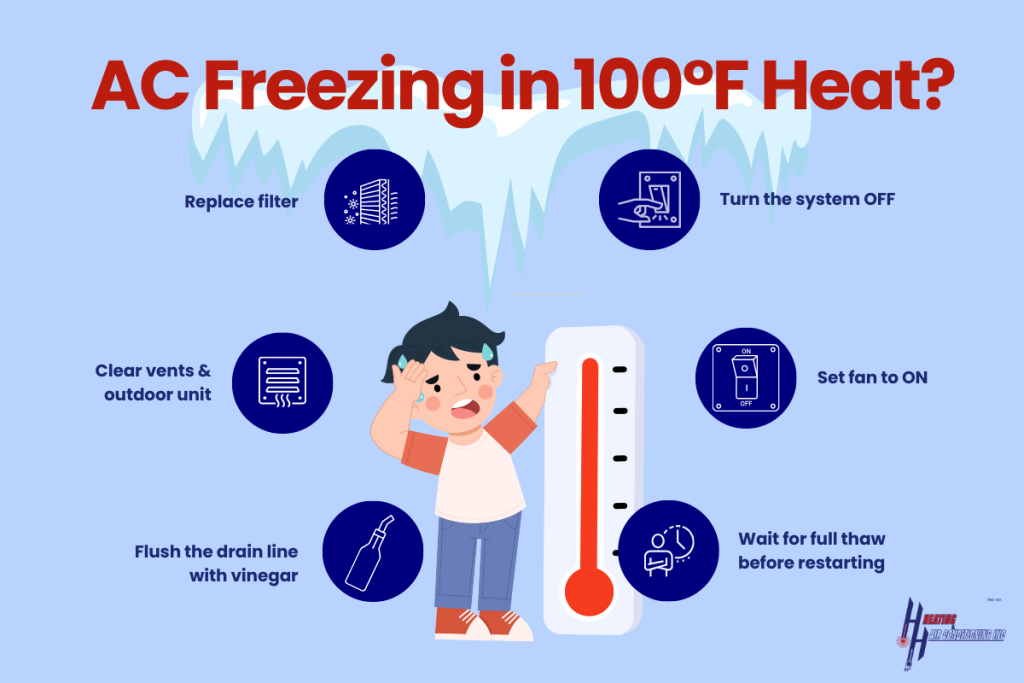
Has your air conditioner suddenly stopped cooling, and you notice ice forming on its coils? You’re probably wondering, how long does it take for an air conditioner to unfreeze?
This problem can be frustrating, especially on a hot day when you rely on your AC the most. But don’t worry—understanding the thawing process can help you know what to expect and how to speed up the fix. Keep reading to learn the simple steps you can take to get your air conditioner back to normal quickly and avoid future freezing issues.

Credit: www.callacs.com
Why Ac Units Freeze
Air conditioners sometimes freeze up and stop working well. This happens because ice forms on the coils.
Frozen coils block airflow and lower cooling power. Understanding why this happens helps fix the problem.
Common Causes
Several problems can cause an AC unit to freeze. Some are easy to spot and fix.
- Dirty air filters reduce airflow and cause freezing.
- Low refrigerant levels make coils too cold.
- Blocked vents stop air from moving properly.
- Faulty fans do not blow enough air over coils.
- Thermostat issues can make the unit run too long.
- Leaks in the system let moisture build up and freeze.
Effects Of Frozen Coils
Frozen coils cause many problems with the AC unit. The system works less efficiently and uses more energy.
Ice buildup can damage parts and lead to costly repairs. It also lowers indoor comfort by reducing cooling.
- Reduced cooling power makes rooms hotter.
- Increased energy use raises electricity bills.
- Ice can block airflow and cause system shutdown.
- Frozen coils may cause compressor damage.
- Water from melted ice can leak and damage property.
Credit: www.angi.com
Signs Of A Frozen Air Conditioner
A frozen air conditioner can stop cooling your home properly. It is important to spot the signs early. This helps prevent bigger problems.
Below are common signs to watch for. They show if your AC might be frozen and needs attention.
Physical Indicators
Physical signs of a frozen AC are easy to notice. Look around the unit for these clues.
- Ice buildup on the evaporator coil or refrigerant lines
- Frost covering the outdoor unit’s pipes
- Water dripping from the indoor unit due to melting ice
- Cold air blowing weakly or not at all from the vents
- Unusual noises like rattling or hissing from the AC
Performance Issues
A frozen air conditioner also shows problems in how it works. These issues affect your comfort and energy use.
| Performance Problem | Description |
|---|---|
| Reduced Cooling | The AC cools less or stops cooling when frozen. |
| Higher Energy Bills | The system works harder and uses more electricity. |
| Frequent Cycling | The AC turns on and off often, causing wear. |
| System Overheating | Frozen coils can lead to the compressor overheating. |
Typical Unfreezing Time
Air conditioners can freeze up due to various reasons. Knowing how long it takes to unfreeze helps you manage the situation better.
The time for an air conditioner to defrost depends on several factors. These influence how quickly the unit returns to normal operation.
Factors Affecting Defrosting
Several elements impact how fast an air conditioner defrosts. Understanding these helps you troubleshoot and prevent future freezing.
- Temperature:Lower outdoor temperatures may slow defrosting.
- Airflow:Poor airflow inside the unit causes more ice buildup.
- Thermostat settings:Incorrect settings can prolong freezing.
- Drainage issues:Blocked drains can keep ice from melting.
- Unit condition:Dirty filters and coils reduce efficiency.
Average Time Frame
On average, an air conditioner takes some time to fully unfreeze. This period varies but usually falls within a certain range.
| Condition | Estimated Defrost Time |
| Minor ice buildup | 15 to 30 minutes |
| Moderate ice buildup | 30 to 60 minutes |
| Severe ice buildup | 1 to 2 hours |
| Blocked airflow or drainage | Over 2 hours or manual intervention |
Quick Fix Steps
Air conditioners can freeze for many reasons. It usually takes a few hours to unfreeze. You can try some quick steps to help speed up the process.
Follow these simple actions to get your AC back to cooling properly.
Turn Off The Ac
Switch off your air conditioner right away. This stops more ice from forming. It also helps the ice melt faster.
Let the AC stay off for at least 1 to 2 hours. This gives time for the frozen parts to thaw completely.
Check Air Filters
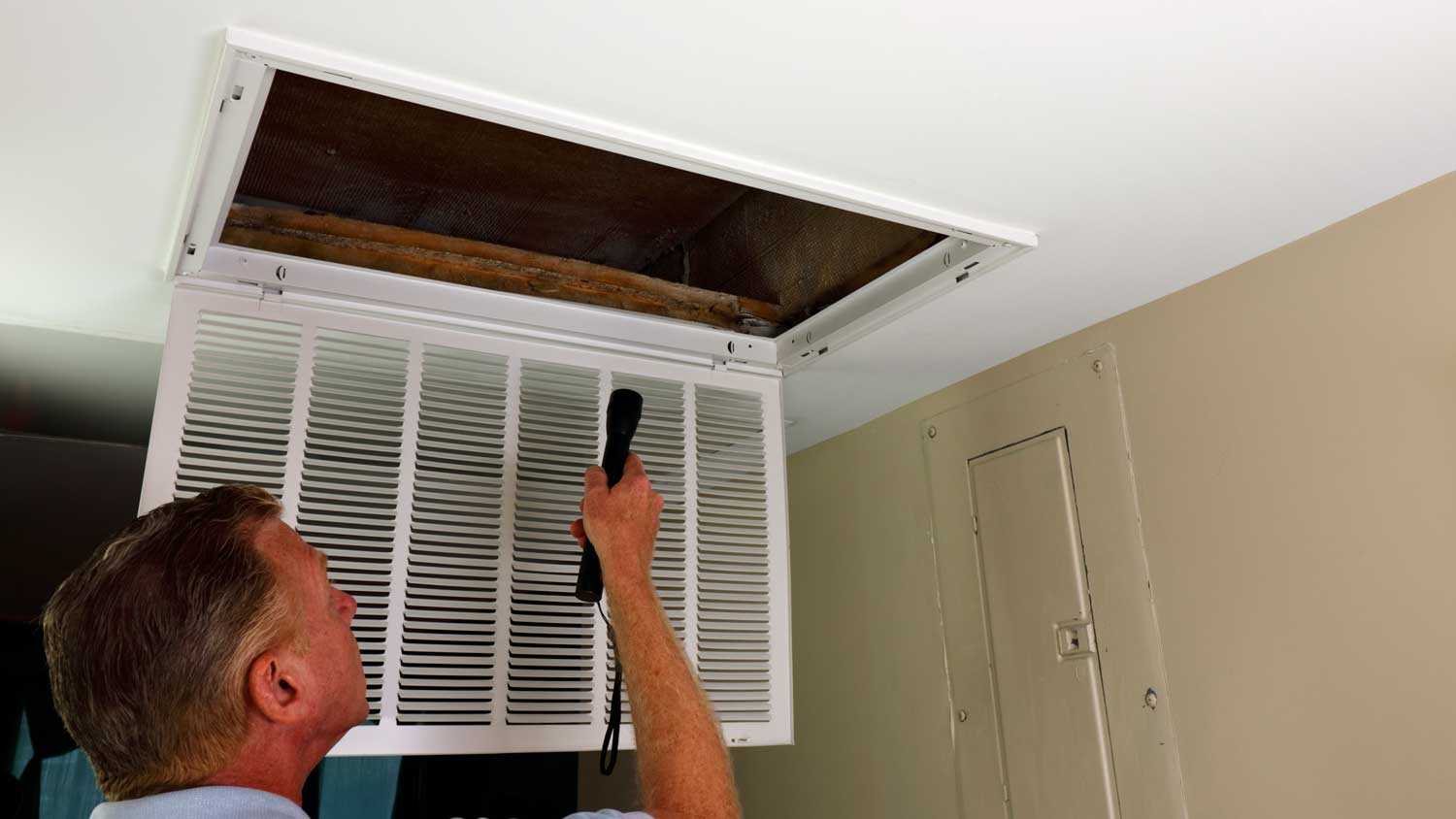
Dirty air filters block airflow and cause freezing. Remove the filter and check if it is clogged or dusty.
Clean or replace the filter to improve air flow. This helps prevent the AC from freezing again.
Inspect Refrigerant Levels
Low refrigerant can cause your AC to freeze. You might notice weak cooling or a hissing sound.
Call a technician to check and refill refrigerant if needed. Do not try to handle refrigerant yourself.
Improve Airflow
Blocked vents or closed windows reduce airflow. Make sure vents are open and nothing blocks them.
- Open all supply and return vents
- Keep windows and doors closed while AC runs
- Remove objects blocking vents or registers
Use A Fan To Speed Up Defrosting
Place a fan near the frozen AC unit. The moving air helps melt the ice faster than warm air alone.
Use the fan for 1 to 2 hours while the AC is off. This can reduce the total defrost time.
Preventing Future Freezing
Air conditioners can freeze if they do not work properly. It takes time for the ice to melt and the unit to work again. Preventing freezing helps your AC run well and last longer.
Understanding how to stop freezing keeps your home cool and saves money on repairs. Simple steps can make a big difference.
Regular Maintenance Tips
Clean or replace filters every month during use. Dirty filters block airflow and cause freezing. Check the coils for dirt or ice build-up.
Keep the outdoor unit free of leaves and debris. Schedule a professional check-up once a year to catch problems early.
- Clean or replace air filters regularly
- Inspect and clean evaporator and condenser coils
- Clear debris around outdoor unit
- Schedule annual professional maintenance
Proper Thermostat Settings
Set your thermostat to a steady, comfortable temperature. Avoid setting it too low, which makes the AC work too hard. Use a programmable thermostat to control cooling times.
Keep the thermostat away from direct sunlight or heat sources. This helps the unit maintain correct temperature and prevents freezing.
- Set thermostat to a steady temperature
- Avoid very low temperature settings
- Use a programmable thermostat for better control
- Place thermostat away from heat sources
Ensuring Adequate Airflow
Make sure vents and registers are open and unblocked. Blocked airflow causes the coils to get too cold and freeze. Keep furniture and curtains away from vents.
Check that the blower fan is working well. Good airflow helps the AC cool without freezing up.
- Keep vents and registers open
- Do not block vents with furniture or curtains
- Ensure blower fan runs properly
- Use ceiling fans to help air circulation

Credit: theacdoctors.com
When To Call A Professional
Air conditioners can freeze for several reasons. Sometimes, the ice melts quickly on its own. Other times, the problem needs expert attention. Knowing when to call a professional helps avoid damage and high repair costs.
If your air conditioner stays frozen for more than a few hours or freezes often, it is time to get help. Professionals can find hidden issues and fix them safely.
Signs Of Serious Issues
Some signs mean your air conditioner has bigger problems. These include:
- Ice builds up quickly and does not melt
- Unit stops cooling your home properly
- Water leaks around the air conditioner
- Airflow is weak or blocked
- Strange noises come from the system
- Electric bills rise without reason
Benefits Of Expert Help
Calling a professional brings several benefits. They can spot problems early and fix them right. This saves money and keeps your home comfortable.
| Benefit | Description |
| Proper Diagnosis | Experts find the exact cause of freezing |
| Safe Repairs | Technicians use the right tools and parts |
| Prevent Future Breakdowns | Regular maintenance stops issues from returning |
| Energy Efficiency | Fixes improve cooling and reduce bills |
| Warranty Protection | Professional work keeps your warranty valid |
Frequently Asked Questions
How Long Does An Air Conditioner Take To Defrost?
An air conditioner typically takes 30 minutes to 2 hours to defrost. This depends on the severity of the ice buildup and the ambient temperature.
Why Does My Air Conditioner Freeze Up?
Freezing happens due to restricted airflow, low refrigerant, or dirty filters. These issues reduce heat exchange and cause ice formation on coils.
Can I Speed Up The Ac Unfreezing Process?
Yes, you can turn off the AC and switch to fan mode. This helps melt ice faster without damaging the system.
What Maintenance Prevents Ac Freezing Issues?
Regularly clean filters, check refrigerant levels, and ensure proper airflow. Timely maintenance reduces the chances of freezing and improves efficiency.
Conclusion
Fixing an air conditioner takes time and patience. Unfreezing can vary in duration. Usually, it takes a few hours. But it can take longer if the issue is serious. Regular maintenance helps prevent freezing. Always check filters and coils. Clean them regularly.
Keep the thermostat at a steady temperature. Seek professional help if problems persist. This ensures efficient cooling and saves energy. Stay cool and comfortable all summer long.