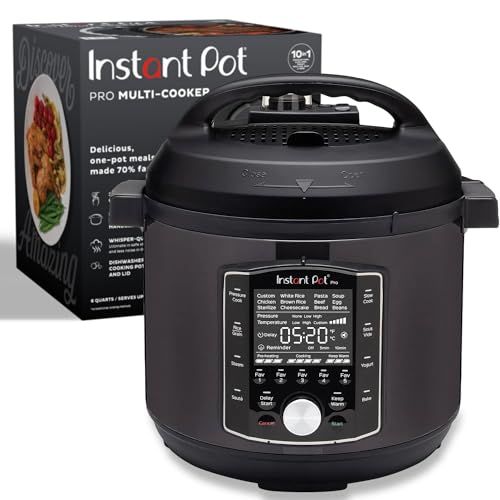
If you’ve ever used an Instant Pot, you know how exciting it is to get dinner ready fast. But have you wondered, how long does it take for your Instant Pot to pressurize before it starts cooking?
This waiting time can feel like forever when you’re hungry or pressed for time. Understanding how pressurizing works and what affects the timing can help you plan meals better and avoid frustration. Keep reading, and you’ll discover exactly what to expect and how to speed up the process—making your cooking experience smoother and more enjoyable.

Credit: karacarrero.com
Instant Pot Pressure Basics
An Instant Pot cooks food using steam pressure. It heats water inside to create steam. This steam raises the pressure and cooks food faster.
The time it takes to pressurize depends on many things. Knowing how pressure builds helps you understand this time.
How Pressure Builds Up
The Instant Pot heats water to produce steam. The steam fills the pot, increasing pressure inside. The pot seals tightly to keep steam from escaping.
As more steam forms, pressure rises until it reaches the cooking pressure level. At this point, the timer starts counting down for cooking.
- Heater warms water to boiling point
- Water turns into steam
- Steam fills sealed pot
- Pressure inside pot rises
- Pressure reaches set cooking level
- Cooking timer begins
Factors Affecting Pressurization Time
Several things change how fast the Instant Pot pressurizes. The amount of food and liquid inside affects heating time.
Other factors include the temperature of ingredients, altitude, and the Instant Pot model.
- Amount of liquid: More liquid takes longer to heat
- Food quantity: Full pot heats slower than a half pot
- Ingredient temperature: Cold food slows pressure build
- Altitude: High altitude lowers boiling point, increases time
- Instant Pot model: Different models have varied heating power
Credit: instantpoteats.com
Typical Pressurization Times
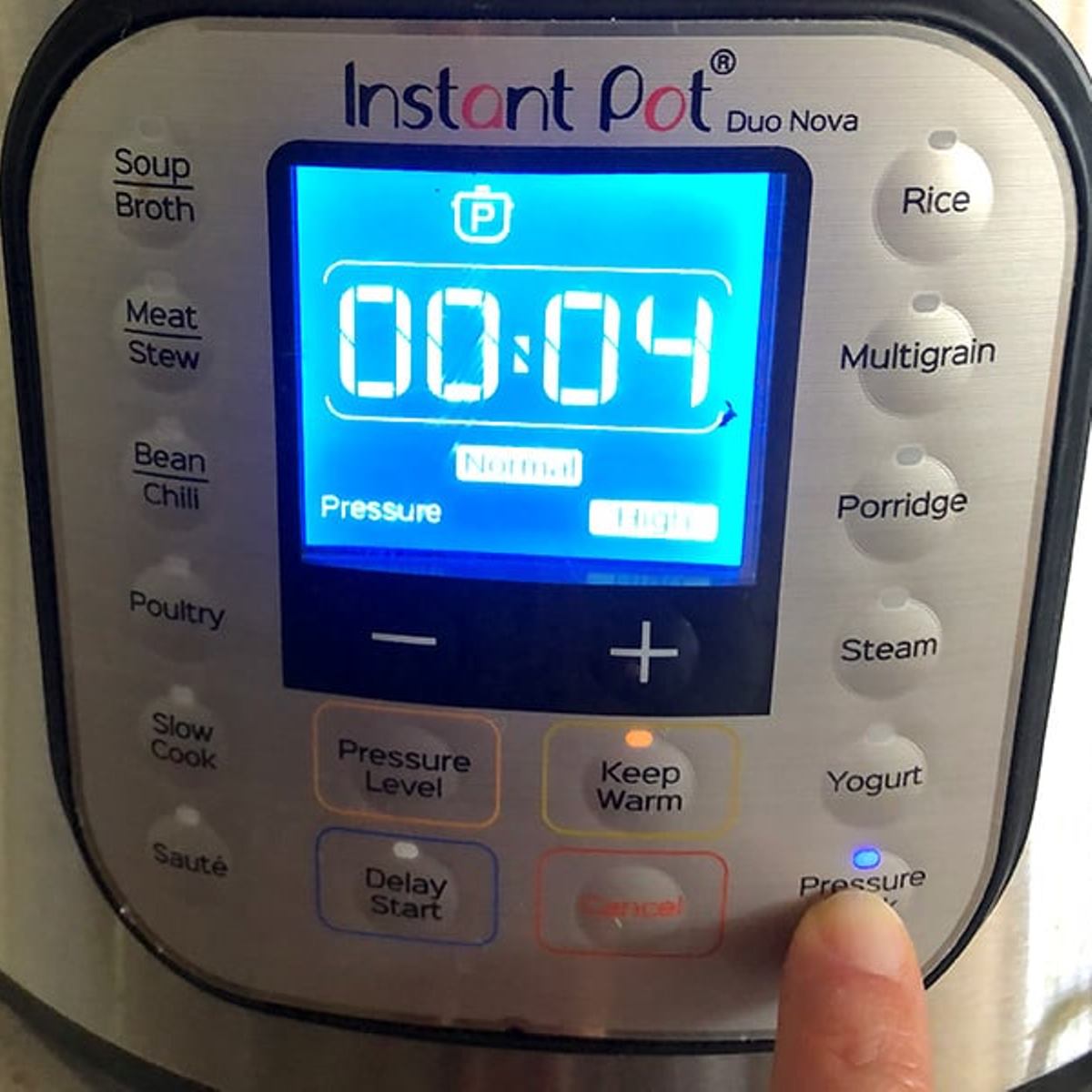
Pressurization is the time Instant Pot takes to build pressure before cooking starts.
This time varies depending on the food amount, liquid used, and pot model.
Average Duration For Common Meals
Different meals need different pressurization times. Foods with more water heat faster.
- Soups and stews: 8 to 12 minutes
- Rice and grains: 10 to 15 minutes
- Beans and lentils: 12 to 18 minutes
- Meats and roasts: 15 to 20 minutes
- Vegetables: 5 to 10 minutes
Comparison By Instant Pot Models
Pressurization times vary by model due to size and heating power.
| Model | Pressurization Time Range | Notes |
| Instant Pot Duo | 8-15 minutes | Standard, common size |
| Instant Pot Ultra | 7-14 minutes | Advanced controls, faster heating |
| Instant Pot Max | 6-12 minutes | Higher pressure, quick heat-up |
| Instant Pot Lux | 9-16 minutes | Basic model, slower pressurization |
Ingredients Impact On Pressurization
The time it takes for an Instant Pot to pressurize depends on the ingredients inside. Different foods and liquids change how fast the pot reaches pressure.
Understanding these effects helps you cook better and plan your meals more accurately.
Liquid Volume Effects
The amount of liquid in the Instant Pot affects how long pressurization takes. More liquid means more time is needed to heat it up.
Less liquid heats faster, so the pot reaches pressure sooner. Always add the minimum liquid required for your recipe to avoid delays.
- High liquid volume slows down pressurization
- Low liquid volume speeds up pressurization
- Minimum liquid is needed to create steam pressure
Role Of Food Density
Dense foods like meat or beans take longer to heat inside the Instant Pot. This delays the time it takes for the pot to pressurize.
Light or chopped foods allow steam to build faster. This means the Instant Pot reaches pressure quicker.
- Dense foods increase pressurization time
- Light foods decrease pressurization time
- Cutting food into smaller pieces can speed up pressure build-up
Tips To Speed Up Pressurization
Instant Pots take time to build pressure before cooking starts. This can take several minutes.
Using a few simple tips helps reduce the pressurization time. You can start cooking faster.
Using Hot Liquids
Hot liquids create steam quickly. This helps the Instant Pot reach pressure faster than cold liquids.
Try adding boiled water or broth instead of cold water. This saves several minutes during pressurization.
Avoiding Overfilling
Do not fill the Instant Pot above the maximum fill line. Overfilling slows down pressure build-up.
- Fill only up to two-thirds for most foods
- Fill no more than half for foods that expand
- Leave space for steam to build pressure
Proper filling ensures the pot seals well and pressurizes quickly.
Proper Sealing Techniques
Check the sealing ring before cooking. A clean and well-placed ring keeps steam inside.
Make sure the valve is set to the sealing position. This allows pressure to build up inside the pot.
- Inspect the sealing ring for cracks or damage
- Place the ring firmly in the lid groove
- Set the steam release handle to “Sealing”
Troubleshooting Slow Pressurization
Sometimes, your Instant Pot takes longer to build pressure. This delay can affect cooking times. Understanding the reasons helps you fix the problem fast.
Below are common causes of slow pressurization and ways to solve them. Use these tips to get your Instant Pot working normally again.
Common Causes Of Delay
Several factors can slow down the pressure buildup in your Instant Pot. Knowing these helps you check and fix issues quickly.
- Not enough liquid inside the pot
- Sealing ring is not properly placed or damaged
- Steam release valve is not set to sealing
- Food pieces block the steam release or float valve
- Cold ingredients slow heating
- Electrical supply issues
How To Fix Pressure Issues
Follow these easy steps to fix slow pressure problems in your Instant Pot. Regular checks can avoid delays and keep your cooking on time.
| Issue | Fix |
| Low liquid | Add at least 1 cup of water or broth |
| Sealing ring problem | Check for damage; clean or replace the ring |
| Steam valve open | Turn valve to “Sealing” position |
| Blocked valves | Clear debris from float valve and steam release |
| Cold ingredients | Allow food to reach room temperature before cooking |
| Power issues | Use a stable outlet and avoid extension cords |
Credit: www.hungryhuy.com
Frequently Asked Questions
Why Does Instant Pot Take Time To Pressurize?
The Instant Pot takes time to pressurize due to the need to build up steam. The time varies based on the food quantity and temperature. Larger quantities or frozen ingredients can increase pressurization time. Ensuring the lid is sealed properly can also help in achieving quicker pressurization.
How Can I Speed Up Instant Pot Pressurization?
To speed up pressurization, use warm or hot liquids in your Instant Pot. Preheating ingredients can also help. Avoid overfilling the pot and ensure the sealing ring is in place. Keeping the Instant Pot on a stable surface can further enhance its pressurization efficiency.
What Affects Instant Pot Pressurization Time?
The pressurization time is affected by the amount and temperature of the ingredients. Larger or frozen portions take longer. The type of dish and altitude can also impact the time. Proper sealing of the lid ensures efficient pressurization.
Does Altitude Impact Instant Pot Pressurization?
Yes, altitude can impact the pressurization time of an Instant Pot. At higher altitudes, the pressure cooker may take longer to pressurize. This is due to lower atmospheric pressure. Adjusting cooking times can help accommodate for altitude differences.
Conclusion
The Instant Pot usually takes about 5 to 15 minutes to pressurize. This time depends on the amount of food and liquid inside. Warmer ingredients help speed up the process. Remember, the pot seals tightly before cooking starts. Patience helps get the best results.
Knowing this can make meal prep easier and more predictable. Use this info to plan your cooking time well. Enjoy cooking with your Instant Pot!