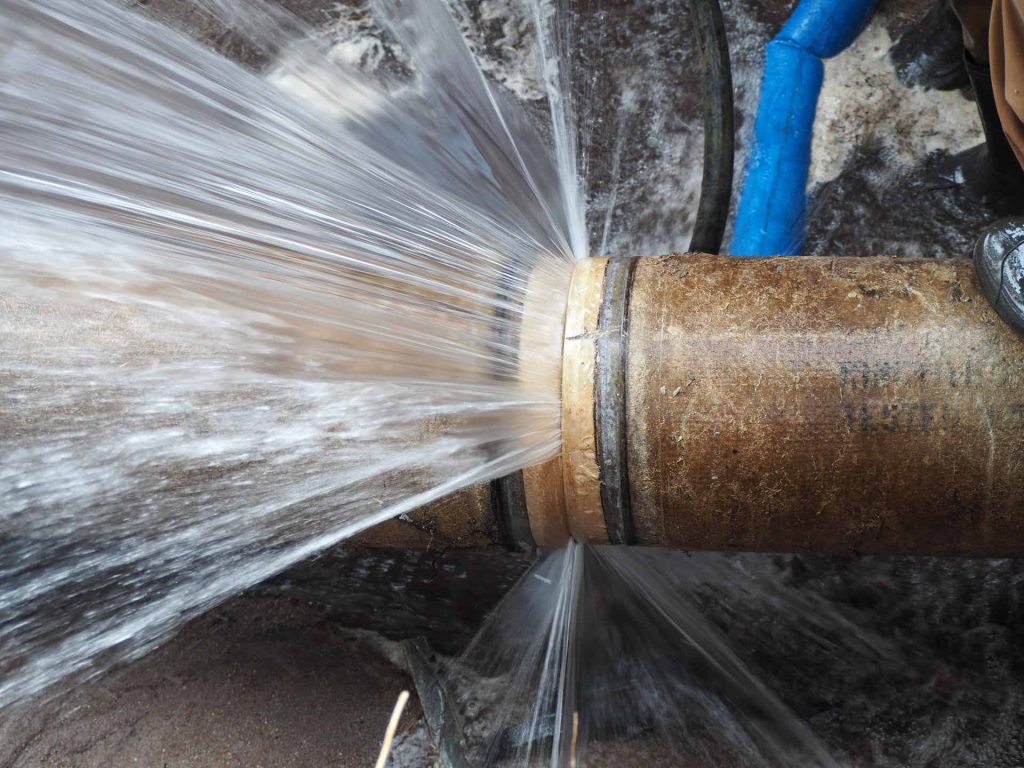
Have you ever wondered how quickly your water pipes can freeze when the temperature drops? Knowing the answer could save you from costly repairs and the hassle of a burst pipe.
When your pipes freeze, water stops flowing, and the damage can be serious. But how long does it actually take for water pipes to freeze? Understanding this can help you act fast and protect your home before it’s too late.
Keep reading to discover the crucial time frame and simple steps you can take to prevent frozen pipes from becoming a nightmare.
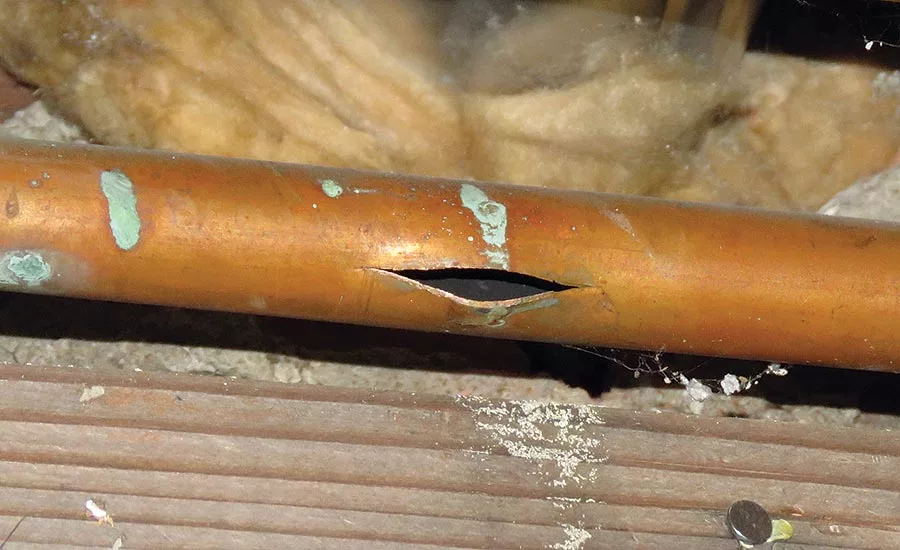
Credit: www.pmmag.com
Factors Affecting Pipe Freezing
Several factors influence how fast water pipes freeze. Understanding these helps prevent costly damage. Pipes freeze faster under certain conditions and slower under others. The material and thickness of the pipe play a major role. Temperature and how long the pipe stays cold matter a lot. Insulation and pipe location also affect freezing time. Water flow and pressure can slow or speed up freezing.
Pipe Material And Thickness
Metal pipes like copper freeze faster than plastic pipes. Plastic has better insulation properties. Thicker pipes take longer to freeze than thin ones. The pipe’s ability to retain heat affects freezing speed. Pipes made from materials with low thermal conductivity resist freezing longer.
Temperature And Exposure Duration
The colder the air, the quicker pipes freeze. Pipes exposed to freezing temperatures for hours freeze faster. Brief cold spells might not freeze pipes. Constant exposure below 32°F (0°C) increases risk. Wind chill can lower pipe temperature faster.
Insulation And Location
Insulated pipes resist freezing longer than uninsulated ones. Pipes inside walls freeze slower than outdoor pipes. Pipes in basements or crawl spaces stay warmer. Sunlight exposure can delay freezing. Poorly insulated pipes in cold spots freeze quickly.
Water Flow And Pressure
Moving water freezes slower than still water. A slow drip can prevent pipes from freezing. High water pressure helps keep water moving. Stagnant water in pipes freezes faster. Keeping faucets slightly open may protect pipes.
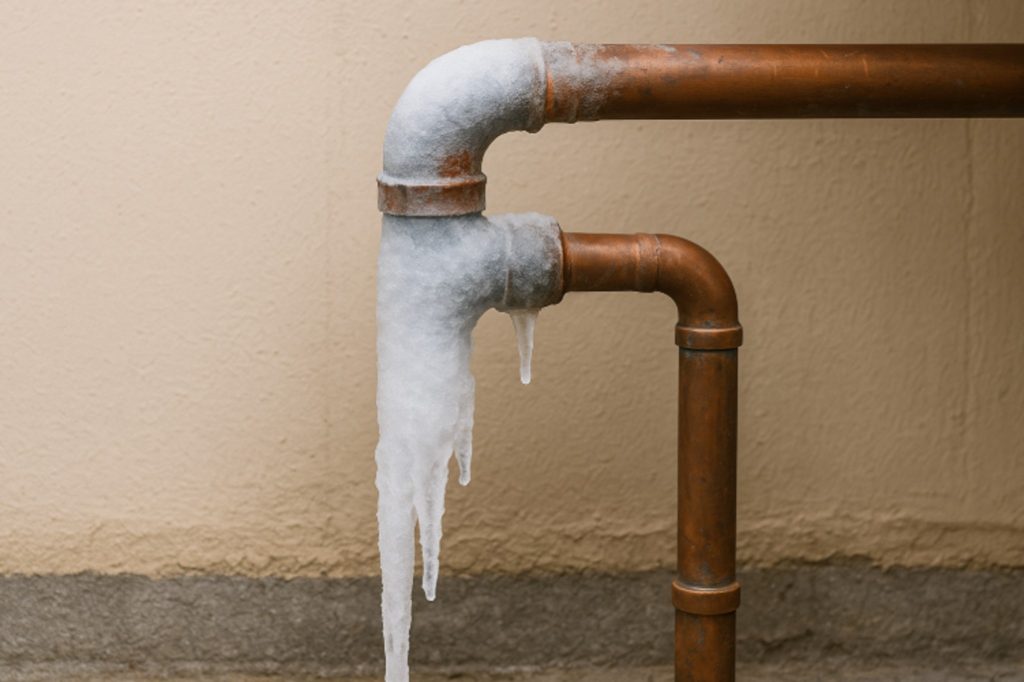
Credit: californiacoastplumbers.com
Typical Freezing Timeframes
Understanding how quickly water pipes freeze can help you take timely action and avoid costly damages. The freezing time depends largely on where your pipes are located and the surrounding temperature conditions. Let’s break down the typical freezing timeframes based on common pipe placements in homes.
Pipes In Unheated Areas
Pipes in unheated spaces like garages, basements, or crawl spaces freeze faster than those inside your home. Without warmth, water in these pipes can begin to freeze within 2 to 4 hours once temperatures drop below 20°F (-6°C).
During a sudden cold snap, you might notice your water pressure dropping or taps running slower. This is a clear warning sign that freezing may be imminent. Have you checked these vulnerable spots in your home before the cold hits?
Pipes In Exterior Walls
Pipes running through exterior walls face greater exposure to the cold air outside. They can start freezing within 4 to 6 hours, especially if your insulation is poor.
Even if your indoor temperature is comfortable, drafts near windows or vents can chill these pipes quickly. Improving insulation or sealing gaps around these areas can add crucial hours to prevent freezing.
Buried Pipes And Soil Temperature
Buries pipes generally freeze much slower because the soil acts as insulation. However, if the ground temperature drops below freezing, pipes can freeze after 24 to 48 hours.
Soil moisture and type also affect freezing time. Clay soils retain cold longer than sandy soils, increasing the risk. Are you aware of your local soil conditions and how they might impact your buried pipes this winter?
Signs Pipes Are Freezing
Recognizing signs that pipes are freezing helps prevent costly damage. Pipes freeze as temperatures drop below freezing point. Early detection saves water pipes from bursting and flooding.
Watch for subtle changes in your water system. Small clues reveal the start of freezing. Act fast to protect your plumbing and home.
Reduced Water Flow
Water flow slows down when pipes begin to freeze. Faucets may drip or barely trickle. This happens because ice blocks water movement inside pipes.
Check faucets and outdoor spigots for weaker flow. Reduced water flow is often the first warning sign.
Frost On Pipes
Visible frost on exposed pipes signals freezing. Pipes in unheated areas like basements or crawl spaces are vulnerable. Frost looks like a thin white layer or icy crystals.
Inspect pipes in cold spots regularly during winter. Frost means the temperature is low enough to freeze water inside.
Unusual Noises
Listen for strange sounds from pipes. Creaking, banging, or knocking noises may occur. These sounds come from ice expanding and contracting inside pipes.
Unusual noises often mean stress within the pipe walls. Don’t ignore these sounds; they indicate freezing problems.

Credit: prosnearby.co.uk
Preventing Pipe Freezing
Preventing water pipes from freezing protects your home from costly damage. Pipes freeze when temperatures drop below 32°F (0°C). Taking simple steps can keep water flowing and pipes safe. Here are effective ways to prevent pipe freezing during cold weather.
Insulation Techniques
Insulating pipes stops cold air from reaching them. Use foam pipe sleeves or rubber insulation tape. Focus on pipes in unheated areas like basements and attics. Seal gaps around pipes with caulk to block drafts. Insulation keeps pipes warmer for longer periods.
Maintaining Water Flow
Running water prevents pipes from freezing easily. Let a small stream of cold water drip from faucets. Moving water resists freezing better than still water. Open cabinet doors under sinks to allow warm air circulation. These simple habits reduce freezing risk.
Heating Solutions
Applying heat near pipes offers extra protection. Use electric heating cables or heat tape on vulnerable pipes. These devices warm pipes just enough to stop ice buildup. Keep space heaters away from flammable materials. Controlled heat keeps pipes safe and thawed.
Steps To Take When Pipes Freeze
Frozen water pipes need quick action to avoid serious damage. Knowing the right steps helps protect your home and plumbing system. Acting fast can prevent pipes from bursting and costly repairs.
Safe Thawing Methods
Use gentle heat to thaw frozen pipes safely. A hair dryer or heating pad works well. Warm towels wrapped around the pipe also help. Never use an open flame or high heat source. Keep the faucet open to let water flow as ice melts. This reduces pressure inside the pipes.
Avoiding Pipe Damage
Do not try to force water through frozen pipes. Avoid banging or hitting the pipes. Check for leaks or cracks after thawing. Insulate pipes in cold areas to prevent future freezing. Keep indoor temperatures above 55°F to protect plumbing. Seal any gaps that let cold air reach pipes.
When To Call A Professional
Contact a plumber if you see cracks or leaks. Call if pipes do not thaw after using safe methods. Seek help when you cannot locate the frozen section. Professionals have tools to thaw pipes quickly and safely. Early help prevents water damage and expensive repairs.
Frequently Asked Questions
How Long Does It Take For Pipes To Freeze In Cold Weather?
Pipes can freeze within 1 to 4 hours in freezing temperatures. Factors like pipe material, insulation, and outside temperature affect freezing time.
What Temperature Causes Water Pipes To Freeze Quickly?
Water pipes typically freeze when temperatures drop below 20°F (-6°C). Prolonged exposure to such cold increases the risk of freezing.
Can Moving Water Prevent Pipe Freezing?
Yes, letting water drip slightly keeps it moving and reduces freezing risk. Moving water needs lower temperatures to freeze compared to stagnant water.
How Does Pipe Insulation Affect Freezing Time?
Insulated pipes freeze slower than unprotected ones. Proper insulation helps maintain warmth and delays freezing, especially in exposed or unheated areas.
Conclusion
Freezing pipes can cause serious damage. It’s crucial to prevent this issue. Insulate pipes to keep them warm. Monitor the weather, especially in winter. Check for drafts around pipes. Seal gaps to prevent cold air. Use heat tape for extra protection.
Drip faucets on freezing nights. This helps avoid pressure build-up. Regular maintenance is key. Early action prevents costly repairs. Remember, prevention saves time and money. Stay prepared and keep your pipes safe. Protecting your home starts with these simple steps.
Keep your plumbing system in good condition. Your home will thank you.