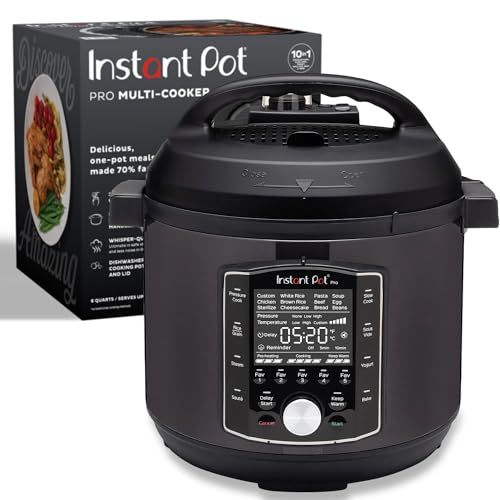
If you’ve ever used an Instant Pot, you know that waiting for it to pressurize can feel like forever—especially when you’re hungry and ready to eat. But how long does it really take for your Instant Pot to build pressure before the cooking timer even starts?
Understanding this can help you plan your meals better and avoid any unexpected delays. You’ll discover what affects the pressurizing time and how you can speed it up, so you get your food on the table faster. Keep reading to unlock the secrets behind your Instant Pot’s timing!
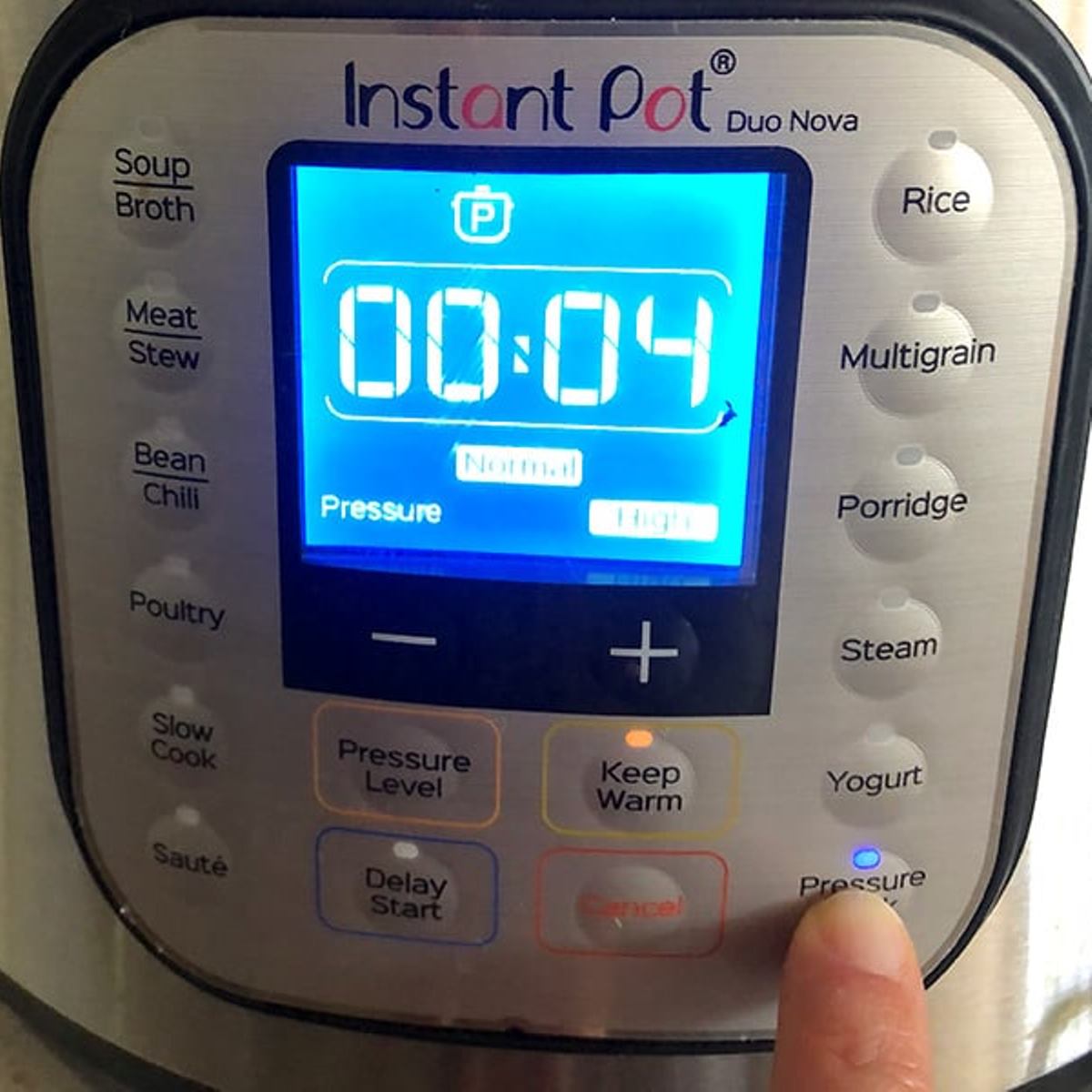
Credit: instantpoteats.com
Factors Affecting Pressurization Time
The time it takes for an Instant Pot to reach pressure varies. Several factors change how fast it pressurizes.
Understanding these factors helps you plan cooking times better and get consistent results.
Type Of Instant Pot Model
Different Instant Pot models have varying sizes and power levels. These differences affect pressurization speed.
- Smaller models pressurize faster due to less space.
- Models with higher wattage heat up quicker.
- Newer models may have improved sealing and sensors.
Amount Of Food And Liquid
The volume of food and liquid inside the pot affects how long it takes to pressurize.
| Food and Liquid Amount | Effect on Pressurization Time |
| Full pot | Longer pressurization time |
| Half full | Moderate pressurization time |
| Minimal contents | Shorter pressurization time |
Initial Temperature Of Ingredients
Cold ingredients slow down the heating process. Warm or room-temperature ingredients speed it up.
- Frozen food takes longer to pressurize.
- Fresh or room-temperature food reduces time.
- Liquid temperature also impacts heating speed.
Altitude And Atmospheric Pressure
Higher altitudes have lower atmospheric pressure. This changes how the Instant Pot reaches pressure.
At high altitude:
- The pot takes longer to reach pressure.
- Cooking time may need adjustment.
- Pressure settings can vary.

Credit: karacarrero.com
Typical Pressurization Times
The Instant Pot takes time to reach the right pressure before cooking starts. This time varies based on several factors.
Knowing how long pressurization takes helps you plan your meals better and manage cooking times.
Small Vs Large Quantities
Smaller food amounts or less liquid heat up faster. The Instant Pot reaches pressure quicker with small meals.
Large quantities need more heat and time. The pot takes longer to pressurize when it is full or cooking big meals.
- Small amounts: 5 to 10 minutes to pressurize
- Large amounts: 10 to 20 minutes to pressurize
- More liquid increases pressurization time
Common Cooking Programs
Different cooking programs affect how fast the Instant Pot pressurizes. Some programs use more heat.
Programs like rice or yogurt may take longer to build pressure. Meat or bean settings usually pressurize faster.
- Pressure cook: medium to high heat, 8 to 15 minutes pressurizing
- Rice: lower heat, 10 to 20 minutes pressurizing
- Yogurt: no pressure, so no pressurizing time
Comparison With Other Pressure Cookers
Instant Pot pressurizes in a similar time frame as other electric pressure cookers. Times depend on size and heat.
Stovetop pressure cookers usually pressurize faster. They use direct heat and can reach pressure in 5 to 10 minutes.
| Cooker Type | Typical Pressurization Time |
|---|---|
| Instant Pot (Electric) | 8 to 20 minutes |
| Other Electric Pressure Cookers | 8 to 18 minutes |
| Stovetop Pressure Cookers | 5 to 10 minutes |
Tips To Speed Up Pressurization
Instant Pot pressurization time can vary depending on several factors. You can take simple steps to make it faster.
Faster pressurization saves cooking time and energy. Here are useful tips to help you speed up the process.
Using Hot Liquids
Starting with hot liquids helps the Instant Pot reach pressure quicker. Cold water or broth takes longer to heat up.
- Use hot water instead of cold water when adding liquids.
- Heat broth or stock before adding it to the pot.
- Avoid adding frozen ingredients that lower liquid temperature.
Avoiding Overfilling
Do not fill the Instant Pot beyond its max fill line. Overfilling delays pressure build-up and can cause safety issues.
| Fill Level | Effect on Pressurization |
| Below 50% | Faster pressurization |
| 50% to 75% | Normal pressurization time |
| Above 75% | Slower pressurization and risk of errors |
Proper Sealing Techniques
Make sure the sealing ring and lid are in place correctly. A good seal helps pressure build quickly and safely.
- Check that the sealing ring fits snugly inside the lid.
- Clean the sealing ring and lid edges before cooking.
- Lock the lid properly until you hear the sealing sound.
- Ensure the steam release valve is set to “Sealing.”
What Happens During Pressurization
The Instant Pot uses pressure to cook food quickly. Pressurization is the process where it builds up steam and pressure inside the pot. This takes a few minutes before cooking starts.
During this time, the Instant Pot heats water to create steam. The steam fills the pot and raises the pressure. Understanding this helps you know why it takes time before the timer begins.
Steam Generation
When you start the Instant Pot, it heats the liquid inside. The liquid turns into steam as it gets hot. This steam is essential for cooking under pressure.
The steam fills the pot and pushes out the air. This creates a sealed environment where pressure can increase. Without enough steam, the pot cannot build pressure.
Pressure Build-up Process
After the steam fills the pot, the pressure starts to rise. The pressure forces the boiling point of water higher, making food cook faster. The pot seals tightly to hold this pressure.
It takes a few minutes for the pressure to reach the right level. Once the target pressure is reached, the cooking timer begins counting down. The length of pressurization depends on the amount of liquid and heat.
Safety Mechanisms
The Instant Pot has safety features to keep the pressure safe. It will not start cooking until the pot seals properly. This stops steam from leaking out.
There are valves that release extra pressure if it gets too high. The lid locks to prevent opening while the pot is under pressure. These features protect you from accidents.
Troubleshooting Slow Pressurization
Sometimes your Instant Pot takes too long to pressurize. This can delay cooking and be frustrating. Knowing common causes helps fix the problem fast.
Check key parts and how you use the pot. Small fixes often speed up pressurization.
Checking Seals And Valves
The sealing ring and valves must be clean and in good shape. Damaged seals or blocked valves cause slow pressurizing.
- Make sure the sealing ring fits tightly inside the lid.
- Clean the steam release valve to remove any stuck food.
- Check the float valve for free movement.
- Replace worn or cracked sealing rings.
Ensuring Adequate Liquid
Your Instant Pot needs enough liquid to build pressure. Too little liquid slows the process or stops pressure from forming.
| Liquid Amount | Effect on Pressurization |
| Less than 1 cup | Slow or no pressure buildup |
| 1 to 2 cups | Proper pressurization speed |
| More than 3 cups | Longer heating time |
Common User Errors
Some mistakes by users cause slow pressurizing. Avoid these to save time.
- Not closing the lid properly or locking it.
- Setting the steam release to vent instead of sealing.
- Overfilling the pot above the max line.
- Using cold ingredients can add time before pressure builds.

Credit: www.reddit.com
Frequently Asked Questions
Why Does My Instant Pot Take Long To Pressurize?
Several factors can cause delays, including the amount of food and liquid, altitude, and the temperature of ingredients. Cold or frozen foods take longer. Ensure you have enough liquid, as a lack can hinder pressure buildup. Regular maintenance of the sealing ring and vent is crucial for efficient pressurization.
How Much Liquid For Instant Pot Pressurization?
The Instant Pot needs at least one cup of liquid to pressurize properly. This liquid creates steam, which builds pressure. Without sufficient liquid, the Instant Pot will struggle to reach the desired pressure. Always ensure the liquid level meets the manufacturer’s guidelines for optimal performance.
Does Altitude Affect Instant Pot Pressurization?
Yes, altitude affects the pressurization time of an Instant Pot. At higher altitudes, the boiling point of water decreases. This can cause longer pressurization times. Adjust cooking times accordingly, and be patient if you live in a high-altitude area.
Can Frozen Foods Delay Instant Pot Pressurization?
Yes, frozen foods can increase the time it takes for an Instant Pot to pressurize. The pot requires extra time to thaw and heat the food. This results in longer pressurization times. For quicker results, consider thawing frozen foods before cooking.
Conclusion
The time for an Instant Pot to pressurize varies by recipe and ingredients. Usually, it takes between 5 to 15 minutes. Thicker liquids or larger meals need more time. Knowing this helps plan your cooking better. Expect small differences each time you use it.
This way, you avoid surprises in meal prep. Keep an eye on the pressure indicator. It shows when cooking really starts. Understanding this process makes the Instant Pot easier to use. Enjoy quick and tasty meals with less waiting.