
Ever wondered how long it takes to freeze dry eggs? You’re not alone.
Many people are diving into the world of freeze-drying, eager to preserve their eggs for longer shelf life without sacrificing nutrition. But here’s the catch: not everyone knows how to do it right. Imagine having a stash of eggs that can last for months, ready to use whenever you need them.
Sounds convenient, doesn’t it? You’ll discover the exact time it takes to freeze dry eggs and why getting it right is crucial. Stick around, and you’ll gain insights that could transform your kitchen habits and keep your food fresher for longer.
Basics Of Freeze Drying Eggs
Freeze drying eggs is a fascinating process that preserves their nutrients and extends their shelf life dramatically. Understanding the basics helps you appreciate why it takes a certain amount of time and effort. This knowledge also guides you if you decide to try freeze drying eggs at home or on a larger scale.
What Is Freeze Drying
Freeze drying, also called lyophilization, removes moisture from food by freezing it first and then reducing the surrounding pressure. This causes the frozen water in the eggs to sublimate directly from ice to vapor. Unlike traditional drying methods, freeze drying keeps the eggs’ structure and nutrients intact.
The process usually happens inside a special machine called a freeze dryer. It carefully controls temperature and pressure to ensure the eggs dry thoroughly without cooking them. This method is why freeze-dried eggs rehydrate quickly and taste close to fresh eggs.
Why Freeze Dry Eggs
Freeze drying eggs offers several benefits that make it worth the time investment. You gain a lightweight, shelf-stable product that stores safely for years without refrigeration. This is perfect if you want to keep eggs for emergencies, camping trips, or long-term food storage.
Many people appreciate how freeze-dried eggs save space and reduce waste. You don’t have to worry about eggs breaking or spoiling quickly. Plus, they rehydrate easily, making them practical for cooking scrambled eggs, baking, or adding to recipes on the fly.
Have you ever wondered how much time you can actually save in the kitchen with freeze-dried eggs ready to go? This practical advantage alone makes the freeze drying process appealing despite the initial wait.

Credit: hopewellheightsblog.com
Factors Affecting Freeze Drying Time
Freeze drying eggs is a delicate process. Several factors influence how long it takes to complete. Understanding these factors helps manage expectations and improve results.
Egg Type And Preparation
The type of egg affects drying time. Whole eggs, yolks, and whites freeze dry differently. Whole eggs take longer because of their density. Egg whites dry faster due to less fat. Preparation also matters. Beaten eggs spread thinly dry quicker. Thick mixtures need more time to freeze dry fully.
Freeze Dryer Model And Capacity
Different freeze dryers have different speeds. Smaller machines may take longer to dry eggs. Larger, commercial models work faster with bigger batches. The machine’s power affects how quickly moisture removes. Some models have advanced controls to optimize drying time. Capacity limits influence batch size and drying duration.
Environmental Conditions
Room temperature and humidity affect freeze drying. Cold, dry air speeds moisture removal. High humidity slows down the process. Proper ventilation helps maintain ideal conditions. Consistent temperature inside the freeze dryer is key. Fluctuations can extend drying time or reduce quality.
Typical Freeze Drying Times
Freeze drying eggs preserves them for long periods without refrigeration. The process removes moisture by freezing and then applying a vacuum. Drying times vary based on egg type and thickness. Knowing typical freeze drying times helps plan your preparation efficiently.
Whole Eggs
Whole eggs take the longest to freeze dry. The shell must be removed first. The drying process usually lasts 24 to 36 hours. This time ensures all moisture evaporates evenly. Proper drying prevents spoilage and maintains texture.
Egg Whites
Egg whites dry faster than whole eggs. Their liquid consistency allows quicker freezing and drying. Typically, freeze drying egg whites takes about 12 to 18 hours. The result is a light, powdery texture good for cooking.
Egg Yolks
Egg yolks need special care before drying. They require mixing with salt or sugar to prevent clumping. Drying time for yolks ranges from 18 to 24 hours. This process creates a smooth, crumbly powder ideal for recipes.

Credit: practicalselfreliance.com
Step-by-step Freeze Drying Process
The freeze drying process turns fresh eggs into a long-lasting powder. It removes moisture while keeping nutrients and flavor intact. This process involves several key stages. Each step carefully prepares and preserves the eggs for storage. Understanding these steps helps you see how long freeze drying eggs takes.
Preparing Eggs For Freeze Drying
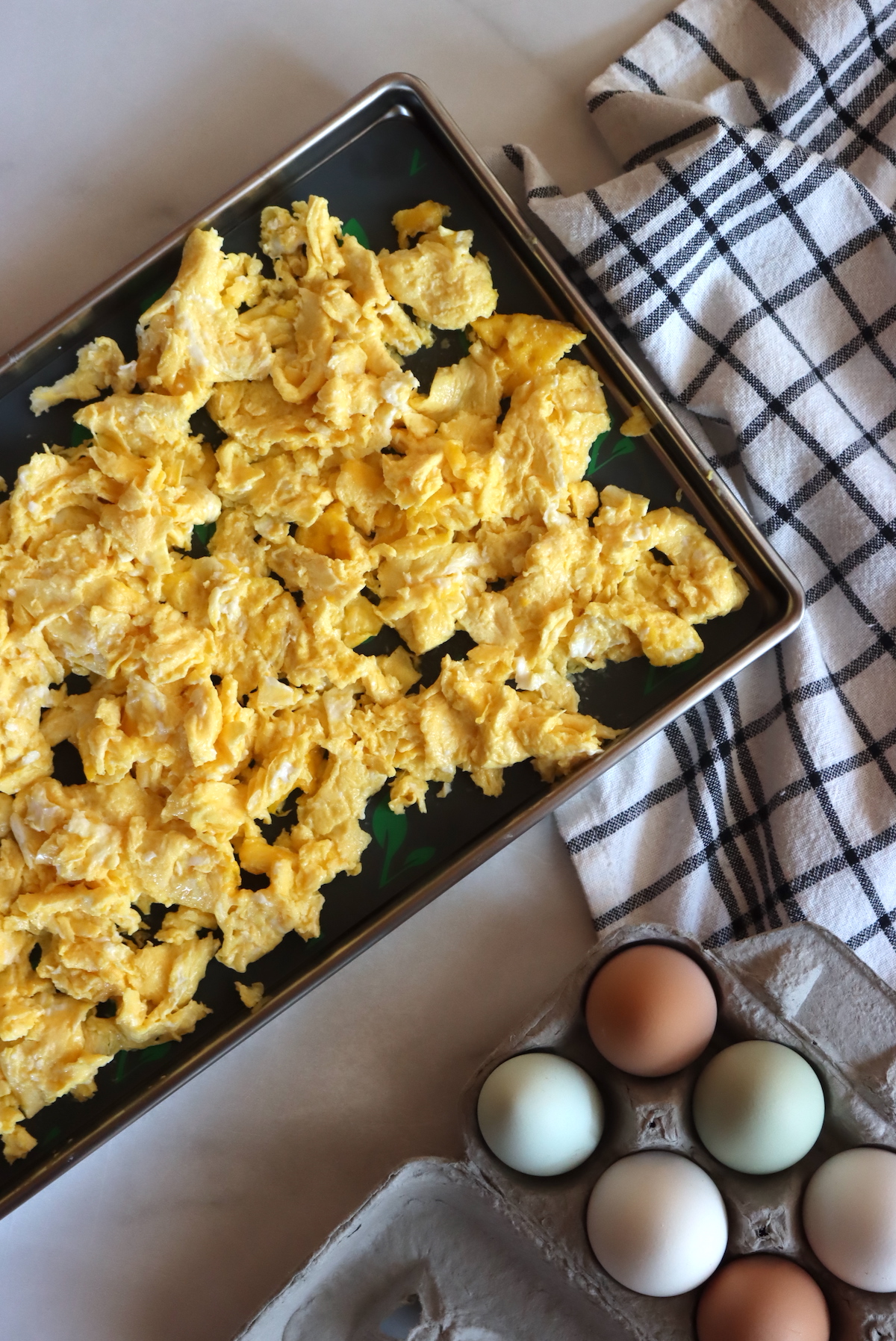
Start by cracking eggs into a clean bowl. Beat them gently until well mixed. Avoid adding water or other ingredients. Pour the mixture into shallow trays. Spread the eggs evenly for quick freezing. This step ensures uniform drying later.
Freezing Stage
Place the trays in a freeze dryer or freezer. Lower the temperature to below -40°F (-40°C). The eggs freeze solid, locking in freshness. This freezing usually takes 2 to 4 hours. Rapid freezing helps form small ice crystals. Small crystals improve drying quality.
Primary Drying
After freezing, the vacuum pump starts. It lowers pressure inside the freeze dryer. Heat gently warms the frozen eggs. Ice turns directly into vapor without melting. This process is called sublimation. It can take 20 to 40 hours. Time varies by egg thickness and machine settings.
Secondary Drying
Next, raise the temperature slightly. This removes leftover water molecules. The drying deepens to prevent spoilage. It usually lasts 4 to 8 hours. The eggs become fully dry and shelf stable. Proper secondary drying helps extend storage life.
Tips To Speed Up Freeze Drying
Speeding up the freeze drying process for eggs saves time and energy. Small changes in preparation and equipment use make a big difference. Follow simple tips to reduce drying time without losing egg quality.
Optimal Egg Preparation
Break eggs into a bowl and whisk until smooth. Avoid adding water or other liquids. Pour the mixture into thin, even layers on freeze drying trays. Thinner layers dry faster because moisture escapes quickly. Use silicone mats or parchment paper for easy removal. Chill the egg mixture before freeze drying to improve texture and reduce drying time.
Equipment Settings
Set the freeze dryer temperature between -30°C and -40°C for best results. Use higher vacuum pressure to speed up moisture removal. Check the manufacturer’s guide for recommended settings. Pre-cool the trays before loading to maintain low temperature. Avoid opening the freeze dryer during the process to keep pressure stable.
Batch Size Management
- Use smaller batches to allow even drying.
- Do not overcrowd trays; leave space between portions.
- Drying time increases with thicker and larger batches.
- Divide large amounts into multiple runs for faster processing.
Managing batch size helps moisture escape quickly. This leads to faster freeze drying and better egg texture.
Storage And Shelf Life
Proper storage is key to keeping freeze dried eggs fresh and safe to eat. The shelf life depends on how well they are packaged and stored. Good packaging stops moisture and air from spoiling the eggs. Proper storage conditions keep the eggs stable for a long time. Understanding these factors helps extend the eggs’ usability and quality.
Packaging Methods
- Vacuum sealing removes air and protects eggs from moisture.
- Mylar bags with oxygen absorbers keep eggs fresh for years.
- Glass jars with airtight lids prevent air and humidity entry.
- Plastic containers should be airtight and stored in cool places.
Proper packaging reduces oxidation and preserves taste and nutrients.
Best Storage Practices
- Store freeze dried eggs in a cool, dry place away from sunlight.
- Keep packages sealed until ready to use to avoid moisture.
- Avoid temperature changes to prevent condensation inside packaging.
- Label packages with dates to track shelf life easily.
Following these tips helps freeze dried eggs stay edible for 10 to 25 years. The exact time depends on the packaging quality and storage environment.
Common Issues And Troubleshooting
Freeze drying eggs can be tricky. Common issues may arise during the process, affecting the final product. Recognizing these problems helps improve results. Troubleshooting saves time and resources. Here are key problems and fixes to watch for when freeze drying eggs.
Incomplete Drying
Eggs may still contain moisture after freeze drying. This causes spoilage and shorter shelf life. It happens if drying time is too short or temperature is not low enough.
- Check the freeze dryer’s settings before starting.
- Increase drying time gradually for better results.
- Ensure vacuum pressure is stable and strong.
- Break eggs into smaller portions for faster drying.
Proper drying ensures eggs remain safe and last longer.
Texture And Quality Problems
Freeze dried eggs can have odd texture or taste. They may become crumbly or powdery. Overheating or freezing too quickly causes this.
- Use moderate temperature during the drying cycle.
- Allow eggs to freeze slowly to preserve structure.
- Store eggs in airtight containers to keep freshness.
- Rehydrate eggs gently to avoid texture loss.
Good texture keeps eggs useful for cooking and baking.
Credit: practicalselfreliance.com
Frequently Asked Questions
How Long Does It Take To Freeze Dry Eggs?
Freeze drying eggs typically takes 20 to 24 hours. The process involves freezing, primary drying, and secondary drying phases to remove moisture thoroughly.
Can Freeze Drying Eggs Preserve Nutrients?
Yes, freeze drying preserves most nutrients. It removes water without using heat, maintaining vitamins and proteins in eggs effectively.
How Should Freeze Dried Eggs Be Stored?
Store freeze dried eggs in airtight containers. Keep them in a cool, dry, and dark place to maintain freshness and shelf life.
Do Freeze Dried Eggs Need Refrigeration?
No, freeze dried eggs do not require refrigeration. Properly sealed, they remain shelf-stable for years at room temperature.
Conclusion
Freeze drying eggs usually takes about 24 to 48 hours. The process removes moisture to keep eggs fresh longer. It needs special machines and careful steps. Once freeze dried, eggs last much longer than fresh ones. This method saves space and reduces waste.
Knowing the time helps plan your food storage better. Try freeze drying if you want eggs that stay good for months. It’s a simple way to preserve eggs without chemicals or refrigeration.