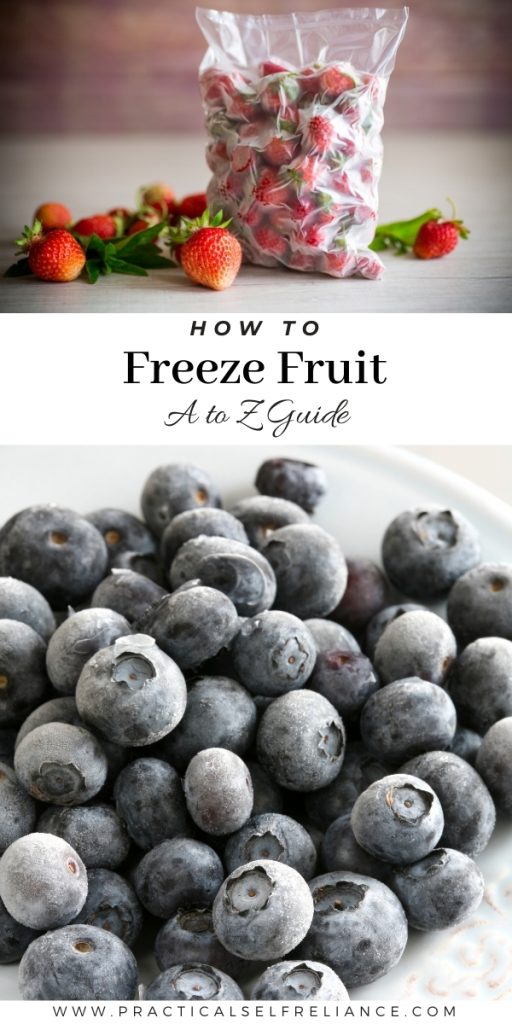
Ever wondered how long it takes to freeze fruit? You’re not alone.
Many people are curious about preserving the freshness of their favorite fruits. Freezing is a simple yet effective method to extend the life of your produce, ensuring you can enjoy your favorite flavors year-round. But timing is crucial. Get it right, and you preserve taste and nutrients.
Get it wrong, and you might end up with mushy or tasteless fruit. In this guide, we’ll walk you through the freezing process, providing tips and tricks to help you achieve perfect results every time. Keep reading to discover how to master the art of freezing fruit and keep your smoothies, desserts, and snacks deliciously fresh.

Credit: www.homemademastery.com
Freezing Basics
Freezing fruit is a simple way to keep it fresh for a long time. It stops the fruit from spoiling and helps keep its taste and nutrition. Understanding the basics of freezing helps you do it right. This section explains how freezing works and what affects the time it takes to freeze fruit.
How Freezing Works
Freezing cools fruit to below 32°F (0°C). This low temperature turns water inside the fruit into ice. Ice crystals slow down enzymes and bacteria that cause spoilage. The fruit stays fresh and safe to eat for months.
The speed of freezing matters. Quick freezing forms small ice crystals. Small crystals keep the fruit’s texture firm. Slow freezing makes large ice crystals. Large crystals can damage the fruit’s cells. This damage can make the fruit soft or mushy after thawing.
Factors Affecting Freeze Time
- Fruit Size:Small pieces freeze faster than whole fruits.
- Water Content:Fruits with high water freeze slower.
- Freezer Temperature:Colder freezers freeze fruit faster.
- Packaging:Airtight packaging helps freeze fruit evenly.
- Fruit Ripeness:Ripe fruit may freeze quicker due to softer texture.
Knowing these factors helps you freeze fruit properly. It keeps your fruit fresh and tasty for longer.

Credit: shop.clarosfarm.com
Freeze Times For Common Fruits
Knowing how long it takes to freeze different fruits can save you time and help keep your produce fresh and tasty. Each fruit freezes at its own pace, depending on its water content and texture. Understanding these freeze times lets you plan better, whether you’re preserving summer berries or stocking up on tropical fruits for smoothies.
Berries
Berries freeze quickly due to their small size and high water content. Strawberries, blueberries, raspberries, and blackberries typically take about 2 to 4 hours to freeze solid. Spreading them out on a tray before freezing prevents clumping and keeps their shape intact.
Citrus Fruits
Citrus slices and segments freeze a bit slower because of their juicy, dense structure. Expect them to freeze in 4 to 6 hours. If you freeze whole citrus fruits, it can take up to 8 hours or more, so slicing before freezing is usually a better option.
Stone Fruits
Peaches, plums, cherries, and apricots have thicker flesh, which means they need more time to freeze completely. Usually, 4 to 6 hours is enough if the fruit is cut into slices or halves. Freezing whole stone fruits takes longer and may affect texture once thawed.
Tropical Fruits
Mangoes, pineapples, and papayas contain a lot of moisture but have denser flesh. These fruits typically freeze within 3 to 5 hours when cut into chunks. Freezing them too long can cause ice crystals that alter flavor, so check on them regularly.
Prepping Fruit For Freezing
Prepping fruit for freezing is a crucial step that can affect both the taste and texture of your frozen fruit. Proper preparation helps maintain freshness and prevents unwanted freezer burn. Taking the time to wash, slice, and sometimes blanch fruit can make a big difference when you thaw it later.
Washing And Drying
Start by thoroughly washing your fruit under cold running water. This removes dirt, pesticides, and bacteria that could spoil your fruit over time.
After washing, dry the fruit completely using a clean towel or paper towels. Excess moisture can cause ice crystals to form, which damages the fruit’s texture during freezing.
Slicing And Portioning
Cut your fruit into pieces that match how you plan to use them later. Smaller slices freeze faster and thaw more evenly.
Portion the fruit into single-use amounts before freezing. This way, you only take out what you need without refreezing leftovers, which harms quality.
Blanching Benefits
Blanching is a quick dip in boiling water followed by cold water cooling. It’s especially useful for fruits like peaches and apples.
This step slows down enzyme activity that causes spoilage and color changes. Have you noticed how some frozen fruit turns brown or mushy? Blanching helps prevent that, keeping your fruit vibrant and fresh-tasting.

Credit: hopewellheightsblog.com
Freezing Methods
Freezing fruit is a simple way to keep your favorite flavors fresh for months. However, the method you choose can affect how quickly the fruit freezes and how well it retains its texture and taste. Understanding different freezing techniques helps you decide which one suits your needs and kitchen setup best.
Flash Freezing
Flash freezing involves spreading fruit pieces in a single layer on a baking sheet and freezing them quickly. This prevents the fruit from clumping together, making it easy to grab just the amount you need later. When I tried flash freezing strawberries, they froze solid within two hours, keeping their shape and flavor perfectly.
Try this method for berries, grapes, or sliced peaches. It’s especially useful if you want to avoid messy freezer bags stuck together.
Using Freezer Bags
Freezer bags save space and reduce exposure to air, which helps prevent freezer burn. After flash freezing the fruit, transfer it into these bags and squeeze out as much air as possible before sealing. Did you know that removing air can extend the fruit’s freezer life by weeks?
This method works well for fruits like cherries, blueberries, and mango chunks. It’s quick and convenient, especially if you’re short on freezer space.
Freezing In Containers
Plastic or glass containers provide sturdy storage and are great for fruits that might get crushed in bags. Fill the containers without overpacking, leaving a little room for the fruit to expand as it freezes. I found that freezing pineapple chunks this way kept them juicy and easy to stack in my freezer.
Use containers for delicate fruits or pre-made fruit mixes. Just remember to label the date to keep track of freshness.
Tips For Faster Freezing
Freezing fruit quickly keeps it fresh and tasty. Speeding up freezing helps keep texture and flavor better. Small changes in how you freeze fruit make a big difference. Use these tips to freeze fruit faster and preserve its quality.
Maximizing Airflow
Good airflow moves cold air evenly around fruit. Spread fruit in a single layer on trays. Avoid stacking or crowding pieces together. Leave space between fruit to let air circulate well. Use wire racks or mesh trays for better air flow.
Avoiding Clumps
Fruit pieces can stick and freeze as one block. Separate fruit before freezing to stop clumps. Toss fruit with a little flour or sugar to keep pieces apart. Freeze fruit on parchment paper to prevent sticking. Once frozen, transfer fruit to bags or containers.
Freezer Temperature Settings
Set freezer to the coldest setting possible. Ideal temperature for freezing fruit is 0°F (-18°C) or lower. Check freezer temperature with a thermometer for accuracy. Avoid frequent door opening to keep temperature steady. Faster freezing happens with consistent cold air.
Storing Frozen Fruit
Proper storage keeps frozen fruit fresh and tasty. It protects fruit from freezer burn and preserves flavor. Knowing how to package and store fruit helps maintain quality for months.
Packaging Tips
- Use airtight containers or freezer bags to block air.
- Remove as much air as possible before sealing.
- Label packages with the date for easy tracking.
- Use plastic wrap or parchment paper between layers.
- Freeze fruit in single layers first, then combine.
Shelf Life Expectations
Frozen fruit usually stays good for 8 to 12 months.
Some fruits like berries may last closer to 6 months.
Check for signs of freezer burn or off smells before use.
Store fruit at 0°F (-18°C) for best preservation.
Thawing And Using Frozen Fruit
Thawing frozen fruit properly can make all the difference in texture and flavor. How you thaw affects whether your fruit feels fresh or turns mushy. Knowing the right way to handle frozen fruit lets you enjoy it in salads, smoothies, or desserts just like fresh fruit.
Best Thawing Practices
Start by thinking about how you’ll use the fruit. If you want to eat it raw or in a salad, thaw it slowly in the refrigerator. This keeps the texture firmer and prevents sogginess.
Need fruit for smoothies? You can often use it straight from the freezer. This saves time and gives your drink a nice chill.
Another quick option is placing frozen fruit in a sealed bag and submerging it in cold water. This method thaws fruit evenly without making it watery.
Have you ever ended up with a mushy mess after thawing? Try avoiding the microwave unless you’re adding fruit to hot dishes immediately. Microwaving can cook parts of the fruit unevenly and ruin the texture.
Cooking With Frozen Fruit
Frozen fruit shines when cooked because heat changes the texture anyway. Use frozen berries or peaches for jams, sauces, and baked goods without thawing first.
Adding frozen fruit directly into pies or muffins saves time and keeps the fruit from breaking down too soon. It also helps maintain bright colors and natural flavors.
When making sauces or compotes, toss frozen fruit into the pan over medium heat. Stir gently as it softens, and you’ll get a rich, thick result without extra sugar or additives.
Have you tried cooking frozen fruit with savory dishes? Adding frozen cranberries or cherries to meat sauces can add surprising depth and a touch of sweetness. Give it a try next time you want to experiment in the kitchen.
Frequently Asked Questions
How Long Does It Take To Freeze Fruit Properly?
Freezing fruit properly usually takes about 2 to 4 hours in a standard freezer. Smaller pieces freeze faster, while larger chunks take longer. For best texture, freeze fruit in a single layer before storing in bags or containers.
Can Freezing Time Affect Fruit Quality?
Yes, freezing time impacts fruit quality. Quick freezing helps maintain texture and flavor. Slow freezing forms larger ice crystals, damaging cell structure and leading to mushy fruit upon thawing.
Does The Type Of Fruit Change Freezing Duration?
Yes, the type of fruit affects freezing time. Berries freeze faster, around 2 hours, while dense fruits like apples may take 3 to 4 hours. Water content and size influence how quickly fruit freezes.
Should Fruit Be Prepared Before Freezing?
Yes, prepare fruit before freezing by washing, drying, and cutting it. Blanching some fruits can preserve color and texture. Proper preparation ensures even freezing and better quality after thawing.
Conclusion
Freezing fruit usually takes several hours to complete. The exact time depends on the fruit type and freezer temperature. Smaller pieces freeze faster than whole fruits. Proper packaging helps keep fruit fresh and tasty. Quick freezing keeps fruit texture better.
Plan ahead if you want fruit ready to use. Frozen fruit is great for smoothies and desserts. Now, you know how long it takes to freeze fruit safely. Enjoy your frozen fruit anytime you want!