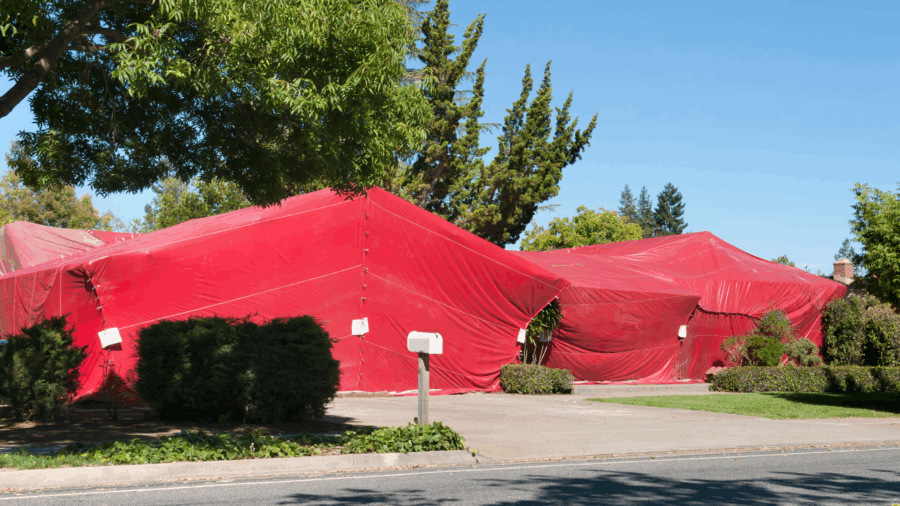
If you’ve discovered termites in your home, you’re probably wondering, how long does it take to tent for termites? Knowing the answer is important because it helps you plan your schedule, protect your belongings, and reduce stress.
You want the treatment to be quick but effective—so you can get back to normal life without worrying about these damaging pests. You’ll learn exactly what to expect during termite tenting, how long the process usually takes, and what you need to do before and after.
Keep reading to get the clear, straightforward answers you need to protect your home and peace of mind.

Credit: www.proventermitesolutions.com
What Is Tent Fumigation
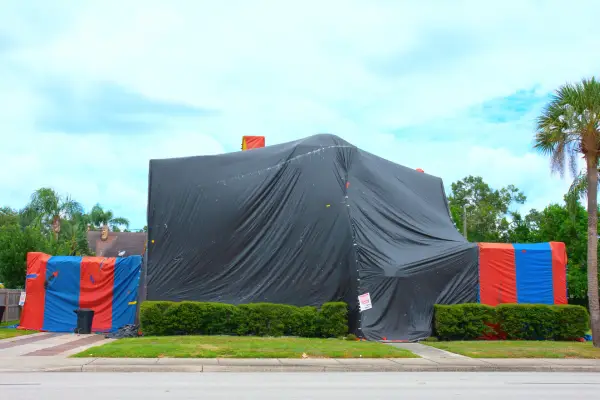
Tent fumigation is a method to kill termites in a building. The house is covered with a large tent to keep gases inside.
The gases used in fumigation reach all areas and kill termites hiding deep in wood and walls.
Purpose Of Tent Fumigation
The main goal is to remove termites from a home completely. This helps protect the structure and prevents damage.
- Eliminate termites inside walls and wood
- Protect the home’s foundation and structure
- Prevent future termite infestations
- Reach areas other treatments cannot access
How It Works
The process starts by covering the entire building with a strong tent. Then, a gas that kills termites is released inside.
| Step | Action |
| 1 | Prepare the house by removing pets and plants |
| 2 | Seal the building with a large tent |
| 3 | Release fumigant gas inside the tent |
| 4 | Keep the tent sealed for 24 to 72 hours |
| 5 | Remove the gas and air out the house |
Preparing For Tent Fumigation
Tent fumigation kills termites by sealing your home and filling it with gas. Preparing well helps the process go smoothly.
This guide covers key steps before fumigation and what to remove or protect from the treatment.
Pre-treatment Steps
Before fumigation, follow these steps to protect your home and belongings. Clear the area and prepare for the tenting process.
- Inform all household members about the fumigation date and time.
- Arrange for pets and people to stay elsewhere during and after treatment.
- Remove all food items from the home or store them in special bags.
- Turn off pilot lights on gas appliances and open all drawers and cabinets.
- Seal any cracks or openings where gas could leak out.
- Ensure proper ventilation after fumigation is complete.
Items To Remove Or Protect
Some items must be removed or covered to avoid damage from the fumigation gas. These include sensitive electronics and plants.
| Item | Action Needed |
| Food and Medicine | Remove or seal in airtight containers |
| Houseplants | Take outside the home |
| Pets and Fish Tanks | Remove from the home |
| Electronics | Cover with plastic sheets or remove |
| Fireplaces and Pilot Lights | Turn off and seal |
Typical Duration Of Tent Fumigation
Tent fumigation is a common way to kill termites in a building. It involves covering the house with a large tent and releasing gas inside. The process takes some time to make sure all termites are eliminated.
Knowing how long the fumigation takes helps homeowners plan and stay safe. The length depends on several factors that affect the treatment time.
Average Time Frame
On average, tent fumigation lasts between 24 to 72 hours. This includes the time to set up the tent, release the gas, and let it work.
Most homes stay under the tent for about two days. After this, the gas is cleared, and it is safe to enter the home again.
- Setup and sealing: 4 to 8 hours
- Gas fumigation: 24 to 48 hours
- Air out and ventilation: 4 to 12 hours
Factors Affecting Duration
Several things can change how long the tent fumigation takes. These factors affect how fast the gas works and how much time is needed.
Understanding these helps homeowners know what to expect before the treatment starts.
- Size of the home:Larger homes need more time to cover and treat.
- Termite infestation level:Heavy infestations may require longer fumigation.
- Weather conditions:Cold or wet weather can slow down the process.
- Type of structure:Some building materials absorb gas differently.
- Preparation:How well the home is sealed affects gas retention time.
Post-fumigation Process
Tenting for termites is a common way to get rid of infestations. After fumigation, the house needs special care to make it safe again.
The post-fumigation process includes aeration and following safety rules. Knowing these steps helps you return home safely.
Aeration And Safety Measures
After fumigation, the tent is removed and the house is aired out. This clears out harmful gases used during treatment.
Proper aeration keeps everyone safe from breathing in toxic fumes. It usually takes a few hours to complete.
- Open all windows and doors to let fresh air in
- Use fans to speed up air circulation
- Keep children and pets away until aeration is done
- Do not enter the house during the aeration process
Re-entry Guidelines
Re-entry means going back into your home after fumigation. It is important to wait until it is safe.
Experts usually recommend waiting 24 to 48 hours before re-entering. This depends on the chemicals used and weather conditions.
- Wait for the fumigator to give the all-clear
- Check that no strong chemical smell remains
- Clean surfaces and wash food items before use
- Inform all family members about the safety rules
Signs Fumigation Is Complete
Tent fumigation for termites takes several hours to finish. After this, you must know if the process is done correctly.
Recognizing the signs that fumigation is complete helps keep your home safe and termite-free.
Tent Removal
The fumigation tent is removed when the gas inside is cleared. This is a clear sign the treatment is over.
Usually, professionals wait until the gas levels are safe before taking down the tent.
Air Quality Testing
Experts use special tools to check the air inside and outside the house. The air is tested for any remaining fumigant gas.
When tests show no harmful gas, it means fumigation is complete and safe to re-enter.
Safe Re-entry Time
The company will tell you the exact time you can return to your home. This time is based on safety checks.
Do not enter the house before this time to avoid exposure to toxic gases.
No Strong Chemical Smell
After fumigation, the strong smell of chemicals fades away. A weak or no chemical odor shows the gas has cleared.
If the smell remains strong, the fumigation is not yet complete or safe.
No Visible Damage To Property
After fumigation, check your home for damage. The tent and your belongings should look normal.
Visible damage may mean the fumigation was rushed or not done properly.

Credit: cloudpestcontrol.com
Common Challenges And Delays
Tenting for termites takes time and careful planning. Many challenges can slow down the process.
Knowing these issues helps you prepare and avoid extra delays during termite tenting.
Weather Conditions
Strong winds or rain can stop termite tenting. The tent must stay secure during treatment.
If the weather is bad, the pest control team may reschedule the job. This adds extra waiting time.
Preparation Time
Preparing your home takes time. You must remove food, plants, and pets from the area.
Cleaning and packing items properly can delay the start of tenting if not done early.
Size And Complexity Of The Property
Bigger homes need larger tents and more time to seal. Complex layouts add to the work.
Multiple floors or hidden spaces can make tenting slower and harder to complete.
Scheduling And Availability
Pest control companies have busy schedules. Booking the tenting service can take days or weeks.
Delays happen if the company has limited staff or high demand during certain seasons.
Post-treatment Ventilation
After fumigation, your home needs airing out. This step can take several hours or longer.
Proper ventilation is important for safety and can delay when you re-enter your home.
Tips To Speed Up The Process
Tenting your home for termites usually takes a few days. The process needs careful steps to keep you safe. You can do some things to make it faster.
Speeding up the process means less time without access to your house. Here are some tips to help you.
Prepare Your Home In Advance
Clear out your home before the tenting day. Remove food, plants, and pets. This makes the job quicker and safer.
- Take out all food and drinks
- Move pets to a safe place
- Remove indoor plants and fish tanks
- Open cabinets and closets
Choose The Right Time
Pick a time when you can leave your home easily. Avoid busy days or bad weather. This helps the tenting team work fast.
- Schedule during dry, calm weather
- Plan for weekdays if possible
- Make sure you can stay elsewhere for a few days
Communicate Clearly With The Exterminator
Talk with your pest control team before tenting. Ask about their schedule and what you should do. Clear communication saves time.
- Confirm the start and end times
- Ask about any special instructions
- Tell them about any pets or plants
Remove Valuables And Electronics
Take out items like jewelry and electronics. These can slow down the process if workers must handle them carefully.
- Pack away computers and TVs
- Secure important documents
- Store jewelry and small valuables safely
Follow Safety Guidelines Strictly
Follow all safety rules given by the pest control team. This avoids delays and keeps you safe during tenting.
- Stay out of the house during tenting
- Wear masks if instructed
- Keep children and pets away
Credit: gorocketpest.com
Frequently Asked Questions
How Long Does Termite Tenting Usually Take?
Termite tenting typically takes 24 to 72 hours. The exact time depends on your home’s size and infestation level. Professionals set up a gas tent and allow the fumigant to penetrate all areas. Afterward, the home is ventilated for safety.
What Happens During Termite Tenting Process?
During termite tenting, a large gas-tight tent covers your home. Fumigants are released inside to kill termites deeply hidden in wood. The process ensures complete termite eradication. After treatment, the gas dissipates, and the home is safe to re-enter.
How Soon Can I Re-enter My Home After Tenting?
You can usually re-enter your home 24 to 48 hours after termite tenting. The waiting period allows toxic gases to fully clear out. Professionals measure gas levels to ensure safety. Follow their guidelines strictly for your health.
Does Tenting Kill All Termites Instantly?
Tenting kills termites by fumigating the entire structure. It targets all life stages, including eggs and larvae. However, the process takes time to penetrate wood deeply. Complete termite elimination is achieved after the full treatment and ventilation period.
Conclusion
Timing matters in termite tenting. Plan well for best results. Typically, termite tenting takes a few days. Preparation and treatment time vary. Factors like house size and infestation level affect timing. Stay informed about each step. Speak with professionals for accurate estimates.
Preparing your home can speed up the process. Clear your schedule for the tenting period. This ensures safety and effectiveness. Remember, patience pays off. Protect your home from termite damage. Regular checks help maintain a pest-free environment. Stay proactive to keep termites away for good.