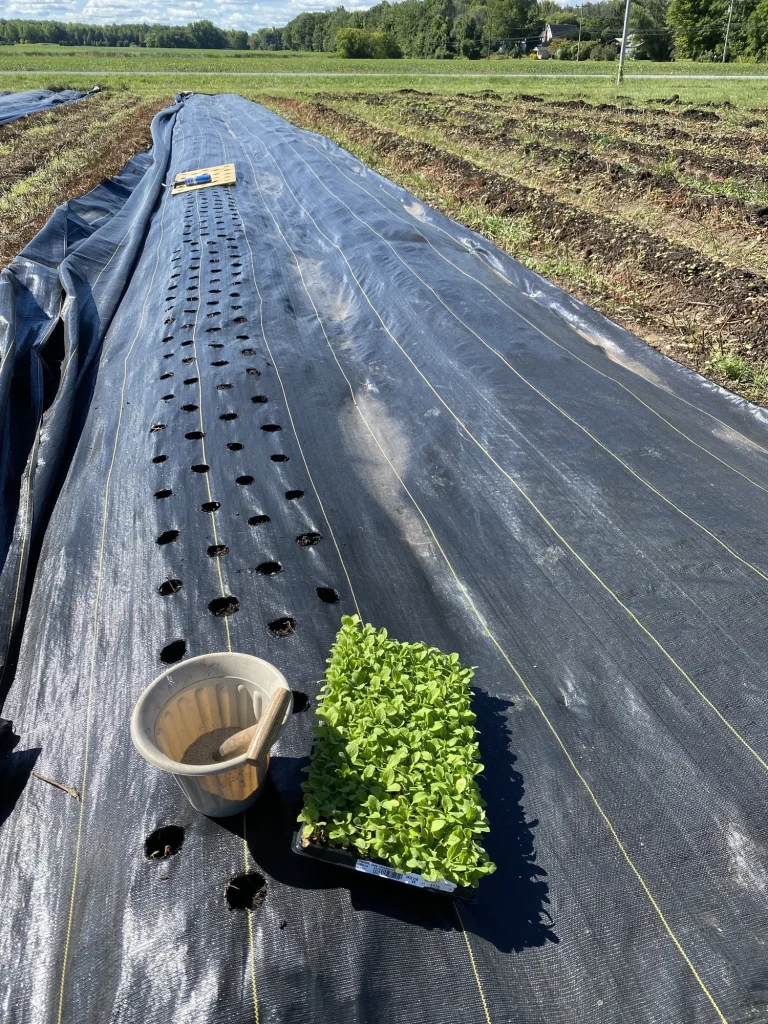
Are you wondering how long landscape fabric will actually last in your garden? You’ve probably invested time and money into this helpful material, but now you want to know if it will stand the test of time.
Knowing the lifespan of landscape fabric can save you from unexpected repairs and extra costs down the road. You’ll discover what affects its durability, how to choose the best type for your needs, and simple tips to make your fabric last longer.
Keep reading to protect your garden and get the most out of your investment.
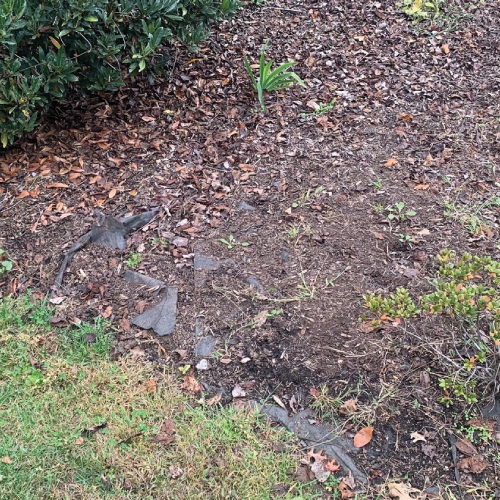
Credit: www.carringtonlawn.com
Factors Affecting Longevity
Landscape fabric can last for many years if you choose the right type and use it well. Several factors affect how long the fabric stays strong and useful.
Understanding these factors helps you make better decisions for your garden or yard.
Material Quality
The quality of landscape fabric affects its strength and durability. Fabrics made from thicker, woven materials last longer than thin, non-woven types.
- Polypropylene fabric resists tearing and breaks down slowly.
- Polyester fabric is strong but may degrade faster in sunlight.
- UV stabilizers in fabric help protect it from sun damage.
- Higher weight fabrics are more durable and last longer.
Environmental Conditions
Sun, water, and soil conditions affect how long landscape fabric lasts. Fabric exposed to direct sunlight may weaken faster.
| Condition | Effect on Fabric |
| Full Sun | Fades and breaks down quicker |
| Shade | Lasts longer due to less UV exposure |
| Wet Soil | May cause mold or rot under fabric |
| Dry Soil | Preserves fabric by reducing moisture damage |
Installation Techniques
How you install landscape fabric also changes its lifespan. Proper installation prevents tearing and stops soil from washing away.
- Clear the area of sharp stones before laying fabric.
- Overlap fabric edges by 6 to 12 inches to avoid gaps.
- Secure fabric with stakes or pins to keep it tight.
- Cover fabric with mulch to protect from sun and wear.
- Do not stretch fabric too tight to avoid tears.
Types Of Landscape Fabric
Landscape fabric helps control weeds and keeps soil healthy. Different types of fabric suit different garden needs. Choosing the right fabric can make your garden last longer and look better.
Here are the main types of landscape fabric you will find. Each type has unique features and uses.
Woven Fabrics
Woven landscape fabrics are made by weaving plastic threads together. This creates a strong and durable material. They allow water and air to pass through but block sunlight to stop weeds from growing.
- Strong and tear-resistant
- Good for heavy foot traffic areas
- Allows drainage and air flow
- Blocks sunlight to prevent weed growth
Non-woven Fabrics
Non-woven fabrics are made by bonding fibers together. They are softer and more flexible than woven fabrics. These fabrics are good at stopping weeds but may not last as long under heavy use.
| Feature | Woven Fabric | Non-Woven Fabric |
|---|---|---|
| Material | Interlaced plastic threads | Bonded synthetic fibers |
| Durability | Very strong and long-lasting | Less durable, softer |
| Water Permeability | High | Moderate |
| Best Use | Walkways, heavy use areas | Flower beds, light foot traffic |
Spun-bonded Fabrics
Spun-bonded fabrics are made by spinning and bonding fine fibers into a strong sheet. They offer good water flow and air circulation. These fabrics last a long time and resist tearing well.
Advantages of spun-bonded fabrics:
- Durable and tear-resistant
- Allows water and air to pass
- Prevents weed growth effectively
- Suitable for many garden types
Signs Of Fabric Deterioration
Landscape fabric protects soil and controls weeds. Over time, it can break down and lose effectiveness. Knowing the signs of deterioration helps you decide when to replace it.
Watch for changes in the fabric’s look and feel. These changes often mean the fabric is no longer working well.
Physical Wear And Tear
Physical damage happens from foot traffic, digging, or heavy tools. Tears and holes let weeds grow through, reducing the fabric’s use.
- Rips or holes in the fabric
- Frayed or loose edges
- Thin or worn spots
- Fabric breaking apart when touched
Uv Exposure Damage
Sunlight can break down the fabric fibers. UV rays cause fading, brittleness, and cracks. This damage lowers the fabric’s strength over time.
| UV Damage Sign | Description |
|---|---|
| Color Fading | Fabric looks lighter or washed out |
| Brittle Texture | Fabric feels stiff and cracks easily |
| Surface Cracks | Small splits appear on fabric surface |
Moisture And Mold Issues
Moisture trapped under fabric can cause mold and mildew. These grow in damp spots and weaken the material. Mold also creates stains and bad smells.
Check for these moisture problems:
- Dark or discolored patches on fabric
- Soft or soggy areas
- Musty or moldy odors
- Slippery or slimy texture
Maintenance Tips
Landscape fabric can last many years if you maintain it well. Proper care helps prevent damage and keeps it working effectively.
Regular maintenance checks and simple cleaning can extend the life of your fabric. Fixing small problems early also helps a lot.
Regular Inspections
Check your landscape fabric often for tears, holes, or worn spots. Look for areas where soil or plants might break through. Early spotting helps stop bigger damage.
- Inspect after storms or heavy wind
- Look for signs of fabric moving or lifting
- Check spots where water pools or drains slowly
- Examine edges for fraying or loose material
Proper Cleaning Methods
Cleaning your landscape fabric removes debris and prevents mold growth. Use gentle methods to avoid damage. Avoid harsh chemicals that break down the fabric.
| Cleaning Method | Recommended | Not Recommended |
| Rinsing with water | Yes | No |
| Soft brush scrubbing | Yes | No |
| Pressure washing | No | Yes |
| Chemical cleaners | No | Yes |
Timely Repairs
Fix small tears and holes fast to keep fabric effective. Use patches made for landscape fabric or strong landscaping tape. Secure edges to prevent lifting.
- Clean the damaged area before repair
- Cut a patch larger than the damaged spot
- Place the patch over the tear and press down firmly
- Use landscape staples or pins to hold the patch in place
- Check repairs regularly and replace if needed
Extending Fabric Life
Landscape fabric helps control weeds and keeps soil healthy. Knowing how to extend its life saves money and effort. Proper care keeps the fabric working longer in your garden.
Several steps can protect the fabric from damage. Choosing good materials and installing it correctly also makes a big difference.
Protective Measures
Keep the fabric safe by covering it with mulch or gravel. This shields it from sun damage and heavy rain. Avoid walking on the fabric to prevent tears.
- Cover fabric with at least 2 inches of mulch
- Do not leave fabric exposed to direct sunlight
- Limit foot traffic over the fabric
- Check for holes and repair them quickly
Choosing Quality Materials
Pick landscape fabric made from strong, UV-resistant materials. Thicker fabrics last longer and keep weeds out better. Look for fabrics that allow water and air to pass through easily.
- Choose UV-stabilized fabric for sun protection
- Use woven fabric for strength and durability
- Pick fabric with good water permeability
- Avoid cheap, thin fabrics that tear easily
Effective Installation Practices
Prepare the soil well before laying fabric. Remove rocks and sharp objects that can damage the fabric. Secure the fabric tightly using landscape staples.
Overlap fabric edges to prevent weeds from growing between seams. Add mulch right after installation to protect the fabric and improve its life.
- Clear soil of debris before installation
- Use enough staples to hold fabric firmly
- Overlap edges by 6 to 12 inches
- Cover fabric immediately with mulch or gravel

Credit: www.carringtonlawn.com
Cost Vs. Longevity
Landscape fabric helps control weeds and keeps soil healthy. Choosing the right fabric means thinking about cost and how long it lasts.
Some fabrics cost more but last longer. Others are cheap but may need replacing soon. Let’s explore how cost relates to longevity.
Initial Investment
Good landscape fabric usually costs more at the start. It is made to last several years. This means you pay more upfront but get strong material.
Cheaper fabrics cost less first but may tear or break quickly. They might not block weeds well over time. Think about how much you want to spend now.
Long-term Savings
Durable landscape fabric saves money in the long run. It lasts 5 to 10 years or more. You won’t need to buy new fabric often.
Replacing cheap fabric often costs more over time. Also, frequent replacements mean more work in your garden. Good quality fabric reduces these problems.
- Lasts longer, fewer replacements
- Reduces weed growth effectively
- Less labor and maintenance needed
Budget-friendly Options
Some fabrics balance cost and durability well. These options fit smaller budgets but last a few years. They work best in less demanding areas.
Using budget fabric with mulch can improve weed control and protect the fabric. This method can stretch your budget and increase longevity.
- Choose mid-range fabric for moderate durability
- Combine with mulch to protect fabric
- Replace fabric in high-use areas more often
Comparing Alternatives
Landscape fabric helps control weeds and protect soil. It usually lasts several years but can break down over time.
Other options include mulch, gravel, and natural ground covers. These can also manage weeds and improve garden health.
Mulch
Mulch is made from wood chips, bark, or leaves. It breaks down in the soil and needs replacement every year or two.
Mulch improves soil quality and keeps moisture in. It also helps prevent weeds but does not last as long as fabric.
- Needs annual or biannual replacement
- Improves soil health
- Controls weeds moderately
Gravel
Gravel creates a long-lasting ground cover. It does not decompose and can last many years without replacement.
Gravel blocks weed growth by covering soil tightly. It also helps with drainage but may heat the soil more.
- Very durable and long-lasting
- Blocks most weeds
- Improves drainage
- May increase soil temperature
Natural Ground Covers
Natural ground covers are plants that spread over the soil. They last as long as they grow and fill in the area.
These plants prevent weeds by taking space and nutrients. They also add beauty and support local wildlife.
- Permanent if well maintained
- Blocks weeds naturally
- Enhances garden appearance
- Supports insects and animals
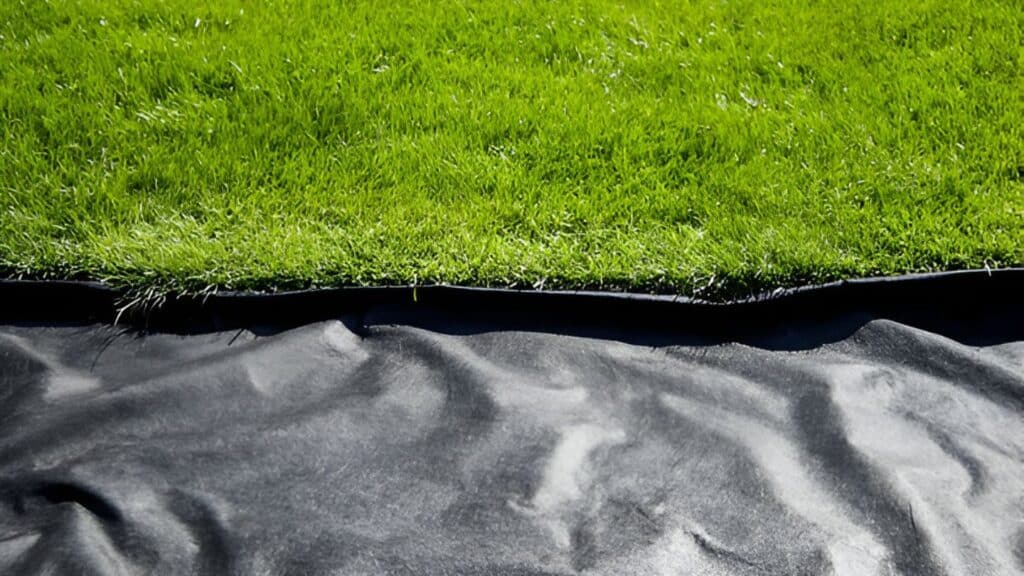
Credit: mulchpros.com
Frequently Asked Questions
How Long Does Landscape Fabric Typically Last?
Landscape fabric usually lasts between 5 to 10 years. Its durability depends on material quality and exposure to sunlight. Proper installation and maintenance can extend its lifespan.
Does Uv Exposure Affect Landscape Fabric Lifespan?
Yes, UV rays can degrade landscape fabric over time. Fabrics with UV inhibitors last longer. Choosing UV-resistant fabric helps maintain effectiveness for several years.
Can Landscape Fabric Be Reused After Removal?
Generally, landscape fabric is not reusable after removal. It often tears or becomes contaminated with soil and roots. New fabric ensures better weed control and durability.
How To Increase The Lifespan Of Landscape Fabric?
To extend lifespan, use high-quality, UV-resistant fabric. Cover fabric with mulch to protect it from sunlight. Regularly inspect and repair any damage promptly.
Conclusion
Landscape fabric can last many years with proper care and use. Choose the right type for your garden needs. Keep it clean and avoid damaging it during planting. Sunlight and weather can reduce its life over time. Regular checks help spot any tears or wear early.
Replace fabric when it no longer controls weeds well. This simple step keeps your garden healthy and neat. Durable fabric saves time and effort in the long run. Your garden will look better and stay weed-free longer.