Are you wondering how long tenting a house really takes? Whether you’re preparing for termite treatment or mold removal, knowing the timeline can help you plan your days better.
You don’t want to be stuck in limbo, not knowing when your home will be safe to enter again. You’ll discover the typical duration of house tenting, what affects the process, and how to get through it smoothly. Keep reading to find out exactly what to expect and how to make the most of the time while your house is being tented.
Purpose Of Tenting
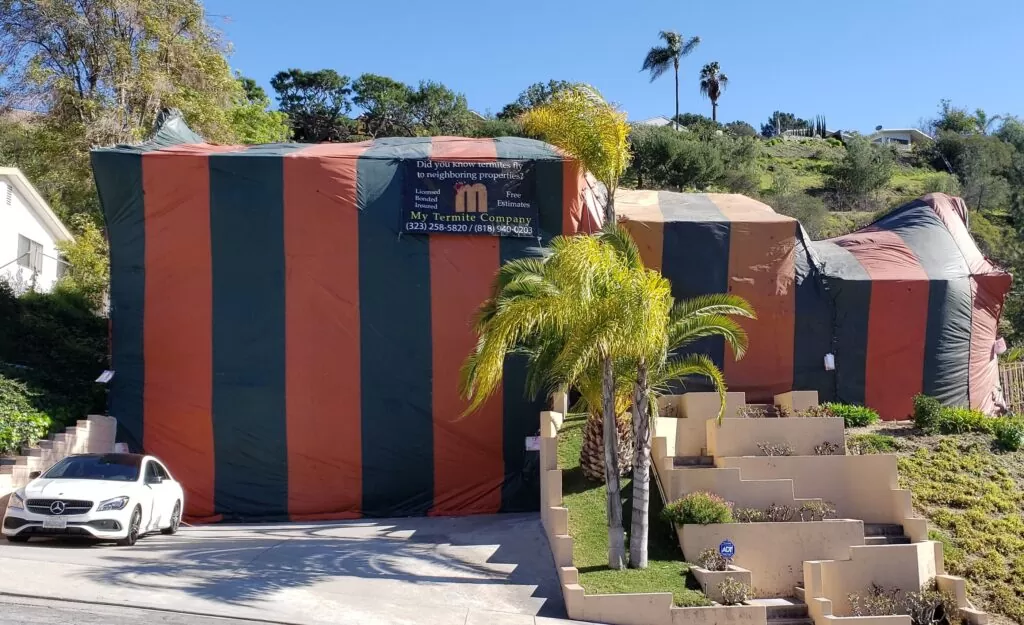
Tenting a house is a process used to cover a home with a large tent. This protects the house during pest control or cleaning. It keeps chemicals contained and safe.
The tent helps stop bugs or harmful substances from spreading. It also protects the house from weather during the work.
Why Tent A House
Tenting a house is done mainly for safety and effectiveness. It keeps the chemicals inside the tent to kill pests properly. It also stops the chemicals from harming neighbors or the environment.
Tents create a sealed space. This helps the chemicals work better and reach all areas. It also helps workers control the process safely.
Common Scenarios For Tenting
People usually tent a house when pests are a big problem. Tenting is common for termites and other wood-destroying insects. It is also used for deep cleaning or mold removal.
- Termite extermination
- Bed bug treatment
- Mold and mildew removal
- Large-scale fumigation
- Disinfection after contamination

Credit: www.imperialpestprevent.com
Factors Affecting Duration
Tenting a house can take different times. Several factors change how long the process lasts.
Knowing these factors helps you plan better and understand what to expect.
Size Of The House
The bigger the house, the longer the tenting takes. More rooms mean more work for the team.
Large homes need more materials and time to cover completely and treat all areas.
Type Of Pest Or Contaminant
Different pests require different treatments. Some pests need longer exposure to chemicals.
Contaminants like mold or chemicals also change how long the tenting takes to finish.
- Termites may need several days under the tent
- Bed bugs often require repeated treatments
- Mold removal might need special drying time
Preparation Requirements
Preparing your house can affect the tenting time. Cleaning and moving items take extra hours.
Removing pets and plants and sealing food also adds to the preparation time before tenting.
- Clearing furniture from rooms
- Covering or removing food items
- Protecting valuables and electronics
Step-by-step Process
Tenting a house is a common method to fumigate and get rid of pests. It involves covering the entire building with a large tent. The process takes several days and needs careful handling. Below is a clear guide on what happens from start to finish.
Each stage plays an important role in making the fumigation safe and effective. Knowing these steps helps homeowners understand the timeline and requirements.
Initial Inspection
Experts first check the house carefully. They look for pest damage and places that need special attention. This inspection helps plan the fumigation properly.
Preparation And Sealing
The house is prepared before the tent goes up. Workers seal windows, doors, and vents to keep the gas inside. They also remove or cover items that can be damaged.
- Clear the yard of debris and flammable materials.
- Cover food, medicines, and plants inside the house.
- Seal all cracks and openings tightly.
- Inform neighbors and arrange for temporary housing.
Setting Up The Tent
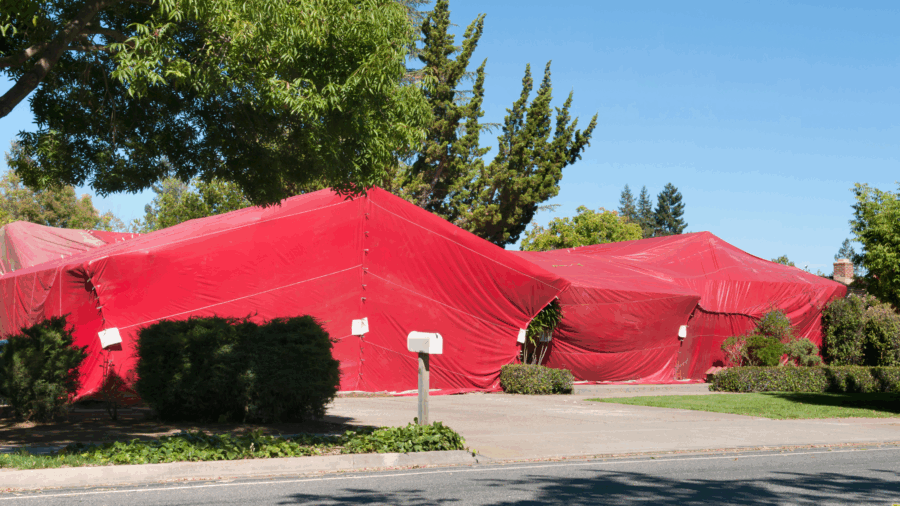
A large, strong tent covers the house fully. It keeps the fumigant gas inside. Workers anchor the tent to the ground and check for leaks.
| Task | Details |
|---|---|
| Covering | Use heavy-duty tarps to cover all walls and the roof. |
| Anchoring | Secure tent edges with weights and stakes. |
| Leak Check | Inspect the tent for holes or gaps and fix them. |
Fumigation Period
The fumigant stays inside the tent for a set time. This period usually lasts two to three days. The gas kills pests inside the house and walls.
During this time, no one can enter the house. The company monitors the gas levels to keep the process safe.
Ventilation And Clearance
After fumigation, workers remove the tent carefully. They ventilate the house by opening windows and doors. This clears all gas and makes the home safe again.
- Remove the tent and tarps.
- Open all doors and windows.
- Use fans to speed up air circulation.
- Test air quality to ensure safety.
- Get official clearance before re-entry.
Credit: www.agpest.com
Typical Timeframes
Tenting a house is a process that protects your home during pest control or fumigation. The time it takes depends on several factors.
Knowing the usual timeframes helps you plan better and reduce inconvenience.
Small Homes
Small homes usually take less time to tent because of their size. Most small homes can be tented and treated within one to two days.
- Setup and sealing the tent: 4 to 6 hours
- Treatment and fumigation: 24 to 48 hours
- Ventilation and tent removal: 6 to 8 hours
Medium To Large Homes
Medium to large homes take longer due to more space and complex layouts. The process often spans two to four days.
| Phase | Time Range |
| Setup and Sealing | 8 to 12 hours |
| Treatment and Fumigation | 48 to 72 hours |
| Ventilation and Removal | 8 to 12 hours |
Complex Cases
Some homes have complex structures or special materials that require more care. These cases can take up to a week or more.
Factors adding time in complex cases:
- Multiple floors or wings
- Delicate or historic building materials
- Extra safety or environmental precautions
- Additional treatments for severe infestations
Tips To Speed Up The Process
Tenting a house takes several days, but some steps can help you finish faster.
Proper planning and choices can reduce delays and make the job smoother.
Pre-treatment Preparation
Prepare your home before the tenting crew arrives. Clear the yard and remove outdoor furniture.
- Trim bushes and trees near the house
- Cover plants you want to protect
- Take pets and valuables out of the house
- Make sure all windows and doors are closed
Choosing The Right Service
Select a pest control service with good reviews and fast response times. Ask about their scheduling and treatment methods.
| Service Feature | Impact on Speed |
| Experience level | Faster setup and treatment |
| Equipment quality | More efficient tenting |
| Team size | Quicker completion |
| Availability | Less waiting time |
Scheduling Considerations
Plan the tenting at a time when your family can leave the house for several days. Avoid bad weather days.
- Pick dates with clear weather forecast
- Schedule during weekdays for faster service
- Confirm appointment a day before
- Prepare meals and necessities in advance
Aftercare And Safety
After tenting a house for pest control, proper care keeps everyone safe. Following safety rules helps avoid health risks and damages.
This guide covers cleaning after tenting, health tips, and safe re-entry steps.
Post-tenting Cleaning
After the tent is removed, thorough cleaning is important. This removes any leftover chemicals and dust.
- Open all windows and doors for fresh air.
- Wipe down all hard surfaces with soap and water.
- Clean floors, especially corners and baseboards.
- Launder all bedding, curtains, and soft fabrics.
- Vacuum carpets and upholstery to remove residues.
Health Precautions
Take care of your health by following these tips after tenting.
| Precaution | Reason |
| Do not enter too early | Avoid breathing in chemicals |
| Keep pets away | Protect them from harmful fumes |
| Wear gloves when cleaning | Prevent skin contact with residues |
| Wash hands often | Reduce risk of ingestion |
| Seek medical help if sick | Address any chemical exposure quickly |
Re-entry Guidelines
Follow these steps to safely enter your home after tenting.
- Wait for the pest control company’s clearance.
- Open all windows to air out the house for several hours.
- Turn on fans to speed ventilation.
- Check that no strong chemical smell remains.
- Enter with clean shoes and avoid touching your face.
- Continue cleaning to remove any leftover residues.

Credit: www.proventermitesolutions.com
Frequently Asked Questions
How Long Does Tenting A House Usually Take?
Tenting a house typically takes 1 to 3 days. The duration depends on the house size and infestation severity. Preparation and ventilation time also impact the total process.
What Factors Affect The Duration Of House Tenting?
House size, infestation level, and fumigation method affect tenting time. Weather conditions and preparation speed also influence the overall duration.
Can I Stay Inside During House Tenting?
No, staying inside during tenting is unsafe. The process releases toxic gases, so all occupants must vacate until it’s safe to return.
How Soon Can I Re-enter After Tenting?
You can re-enter 24 to 48 hours after tenting. Professionals ensure the house is ventilated and safe before allowing re-entry.
Conclusion
Tenting a house usually takes about three to five days. The exact time depends on the house size and condition. Professionals work carefully to ensure safety and effectiveness. This process protects your home from pests like termites. Planning ahead helps avoid delays and extra costs.
Trust the experts to do the job right. Patience during tenting leads to better results. Your home will be safe and clean after tenting finishes.