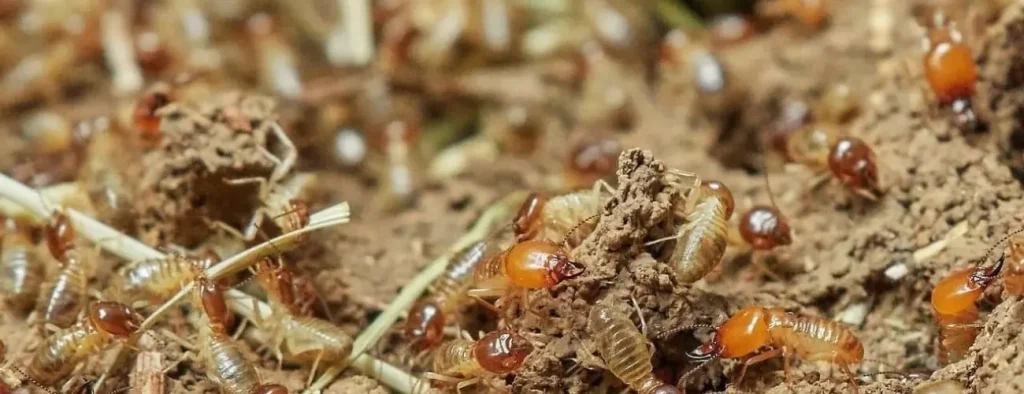
If you’re facing a termite problem, you’ve probably heard about termite tenting as a way to get rid of these pests. But one question likely on your mind is: How long does termite tenting last?
Understanding the timeline can help you plan better and know what to expect for your home and family. You’ll discover exactly how long the process takes, what happens during each step, and how long it protects your home afterward. Keep reading to get the full picture and take control of your termite situation with confidence.
Termite Tenting Basics
Termite tenting is a common method to remove termites from a home. It uses a gas to kill the pests inside the wood and walls. The house is covered with a large tent during treatment.
This process needs careful preparation and takes some time. People often wonder how long termite tenting lasts and what it involves.
What Is Termite Tenting?
Termite tenting is a pest control method. A special tent covers the entire home to trap gas inside. The gas kills termites that live in wood and other parts of the house.
- The home must be cleared of people and pets.
- The tent seals the building tightly.
- The gas is released to fill the house.
- The gas stays inside for a set time to kill all termites.
- After treatment, the gas is removed safely before people return.
Why Choose Tenting?
Tenting works well to reach termites hidden deep in wood and walls. It kills all termites in the house during one treatment. This makes it a strong choice for serious termite problems.
| Benefit | Description |
| Effectiveness | Kills termites in all parts of the home |
| Speed | Treatment usually lasts 24 to 72 hours |
| Safety | Gas is removed before people return |
| Coverage | Reaches termites in hard-to-access areas |
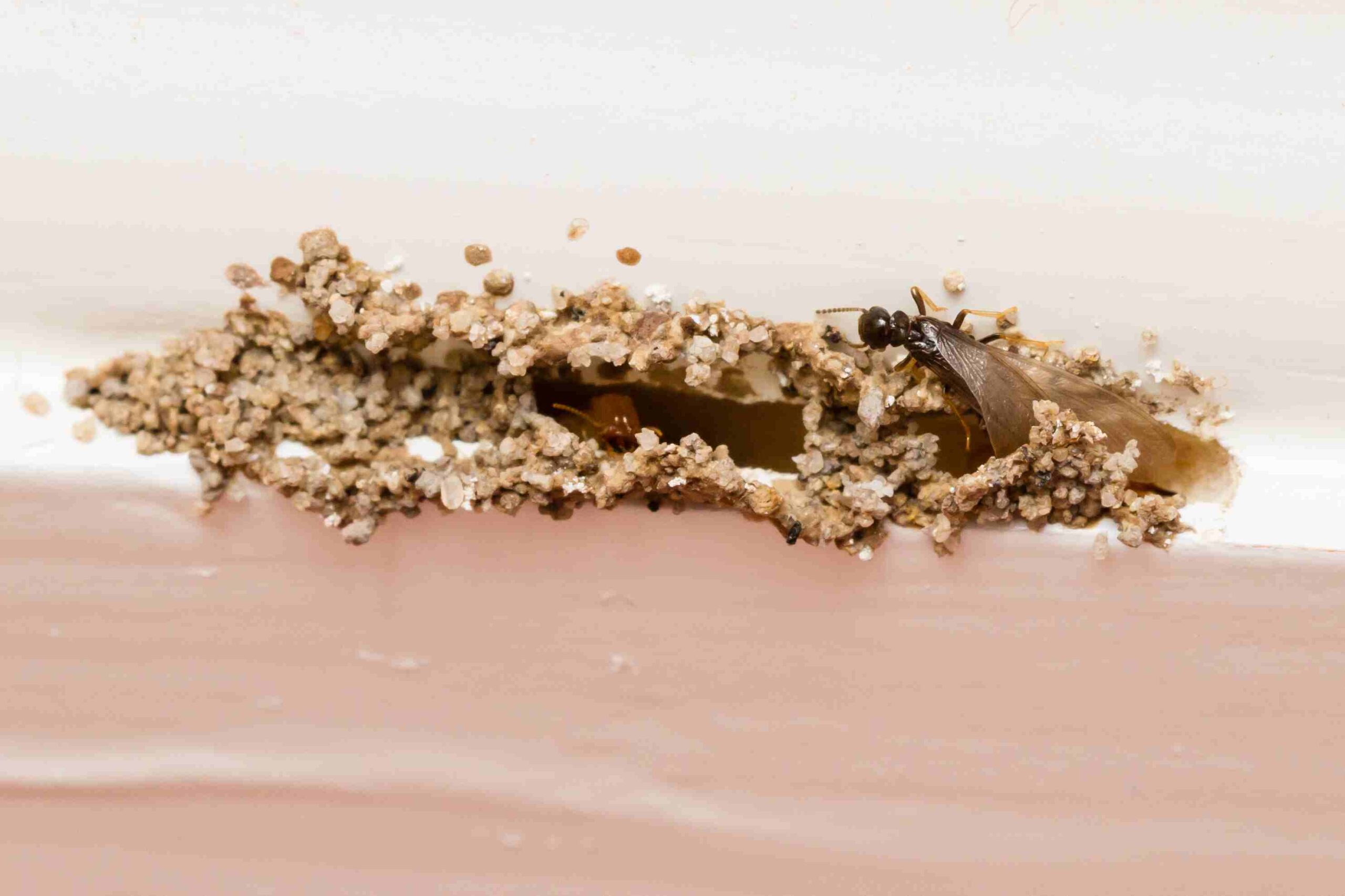
Credit: www.mightymitetermite.com
Factors Affecting Duration
Termite tenting lasts for a specific time depending on many factors. Understanding these helps know how long the process takes.
The duration changes based on termite type, how many termites there are, and the environment around the house.
Type Of Termites
Different termites react differently to fumigation. Subterranean termites are common and usually need longer tenting times. Drywood termites live inside wood and can sometimes be treated faster.
The type of termite affects how strong the fumigant must be and how long it stays under the tent.
Extent Of Infestation
The bigger the termite problem, the longer the tent must stay. A small infestation may need only 24 hours. Large infestations can require up to 72 hours or more.
- Small infestations: 24 to 36 hours
- Medium infestations: 36 to 48 hours
- Large infestations: 48 to 72 hours or longer
Environmental Conditions
Temperature and humidity affect the fumigation time. Warmer weather helps the gas work faster. Cold or wet conditions may slow the process.
| Condition | Effect on Duration |
| Warm and dry | Shorter fumigation time |
| Cold and humid | Longer fumigation time |
| Windy | Need extra sealing, may increase time |
Typical Tenting Process
Termite tenting is a treatment to kill termites in a building. It uses a strong gas to reach all termite areas. The process takes several days to complete.
This guide explains the main stages of termite tenting. You will learn what happens before, during, and after the treatment.
Preparation Stage
Before tenting, the area must be ready. People and pets leave the building. Food and plants are removed or sealed. The home is checked for gas leaks or open flames.
Proper preparation keeps everyone safe and helps the treatment work well. It usually takes a few hours to prepare everything.
- Remove food, medicines, and plants
- Turn off pilot lights and gas lines
- Open cabinets and closets
- Cover or remove fish tanks
- Arrange a place to stay during treatment
Treatment Phase
The house is wrapped in a large plastic tent. This traps the gas inside the building. The gas spreads to all areas, killing termites and their eggs.
The treatment usually lasts 24 to 72 hours. The exact time depends on the size of the building and termite severity.
- Place large tent over the building
- Seal all openings tightly
- Release the gas inside the tent
- Keep the tent sealed for 1 to 3 days
Post-treatment Steps
After the gas is removed, the tent is taken down. The home is aired out to clear any remaining fumes. This may take several hours.
People can return only after the home is safe. A pest control expert checks to confirm no gas remains and the treatment was successful.
- Remove the tent carefully
- Ventilate the home for several hours
- Test air to ensure no gas remains
- Allow people and pets back inside
- Monitor for termite activity after treatment
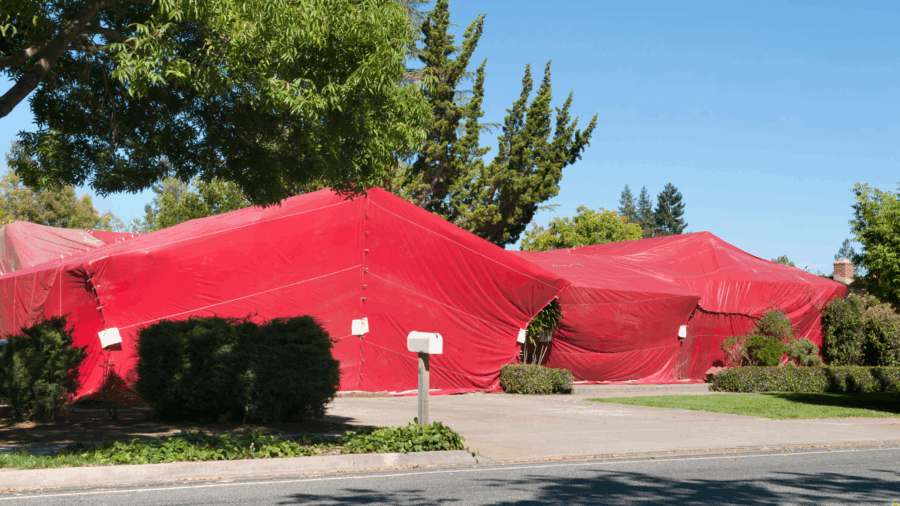
Credit: www.agpest.com
Average Duration Of Tenting
Termite tenting is a common method used to eliminate termite infestations in buildings. The process involves covering a house with a large tent and releasing a gas to kill termites. Understanding how long this treatment lasts helps homeowners plan accordingly.
The length of termite tenting depends on several factors. These include the size of the building, the extent of infestation, and the type of fumigant used. On average, the process takes a few days from start to finish.
Time Required For The Tenting Process
The actual fumigation under the tent usually lasts between 24 and 72 hours. This period is enough to allow the gas to penetrate all wooden areas and kill the termites inside.
- Setup and tenting: 4 to 8 hours
- Fumigation time: 24 to 72 hours
- Air out and removal of tent: 4 to 6 hours
Post-tenting Precautions And Duration
After fumigation, the house must be aired out to clear toxic gases. This step usually takes a few hours. Homeowners should avoid entering the house until the air is safe to breathe.
| Stage | Typical Duration |
| Tenting Setup | 4-8 hours |
| Fumigation | 24-72 hours |
| Ventilation | 4-6 hours |
| Total Time | 1.5 to 4 days |
Factors That Affect Duration
Several factors can change how long termite tenting lasts. Larger homes need more time to tent and fumigate. Severe infestations may require longer exposure to gas. Weather conditions can also impact the process.
- Size of the building
- Severity of termite infestation
- Type of fumigant used
- Weather and temperature
- Preparation of the home before tenting
Longevity Of Results
Termite tenting is a common method to control termite infestations. It involves covering a home with a large tent and applying a gas that kills termites. Understanding how long the results last helps homeowners plan for future protection.
The effectiveness of termite tenting depends on several factors. These include the severity of the infestation and the type of termites treated. Let’s explore how long the results last and signs of reinfestation.
Effectiveness Over Time
After termite tenting, most homes remain termite-free for a period. The treatment kills termites inside the house and around the foundation. On average, termite tenting results last between 6 months and 2 years.
- Treatment kills termites on contact
- Gas penetrates wood and soil
- Termites outside the treated area may return
- Longevity depends on home environment and termite species
Regular inspections are needed to maintain protection. Some homeowners choose follow-up treatments to extend termite control.
Signs Of Reinfestation
Termites may return after tenting if new colonies form nearby. Watch for signs that show termites are active again. Early detection saves costly damage.
| Sign | Description |
| Wood Damage | Soft, hollowed, or crumbling wood |
| Discarded Wings | Small wings near doors or windows |
| Mud Tubes | Thin tunnels on walls or foundation |
| Clicking Sounds | Soft tapping inside walls |
Check your home yearly and call a professional if you see these signs. Early action helps keep your home safe from termites.
Maintaining Termite-free Environment
Termite tenting is a common method to remove termites from homes. It involves covering the entire building with a tent and using chemicals inside. Knowing how long termite tenting lasts helps in planning proper care.
After tenting, it is important to keep your home termite-free. Regular inspections and preventive measures help avoid future infestations. These steps protect your property and keep it safe.
Regular Inspections
Checking your home often helps find termites early. Inspect areas where wood meets soil and look for mud tubes or damaged wood. Regular inspections can catch problems before they grow.
- Inspect wooden structures every 6 months
- Check basements and crawl spaces carefully
- Look for signs of termite droppings or wings
- Hire a professional inspector once a year
Preventive Measures
Taking action to prevent termites stops them from returning. Keep wood dry and away from soil. Fix leaks and remove wood debris near the house.
| Preventive Action | Description |
| Moisture Control | Repair leaks and improve drainage around the home. |
| Wood Barriers | Keep wooden parts from touching soil directly. |
| Remove Debris | Clear wood piles and fallen branches near foundations. |
| Seal Cracks | Close gaps in walls and foundation to block termite entry. |

Credit: fairwaylawns.com
Frequently Asked Questions
How Long Does Termite Tenting Treatment Take?
Termite tenting treatment usually lasts 24 to 48 hours. The fumigation process kills all termites inside the structure quickly. After airing out, the home is safe to enter.
When Can I Re-enter My Home After Tenting?
You can re-enter your home 24 to 48 hours after tenting. The structure must be ventilated fully to remove toxic gases. Your pest control company will confirm when it is safe.
How Long Does Termite Tenting Protection Last?
Termite tenting eliminates existing termites but does not prevent future infestations. Protection depends on follow-up treatments and home maintenance. Regular inspections are key for long-term termite control.
Does Termite Tenting Kill Termites In Walls And Furniture?
Yes, termite tenting kills termites inside walls, furniture, and hidden areas. The fumigant gas penetrates all wood and void spaces. This ensures complete eradication of termites in the home.
Conclusion
Termite tenting usually lasts about two to three days. During this time, your home stays sealed to keep chemicals inside. You may need to stay elsewhere for safety. After tenting, airing out the house is important. This helps remove any lingering fumes.
Follow all instructions from the pest control team carefully. Proper preparation makes the process smoother and safer. Termite tenting effectively protects your home from damage. Knowing how long it takes can help you plan better. It’s a short step for long-term peace of mind.