
Wondering how long your air conditioner will keep you cool without breaking down? You’re not alone.
Knowing the average lifespan of an air conditioner can save you money and stress. It helps you plan when to repair, replace, or upgrade your unit. You’ll discover the key factors that affect how long your AC lasts and what signs to watch for.
Keep reading to make smarter decisions about your home’s cooling system and stay comfortable all year long.
Credit: www.carrier.com
Typical Air Conditioner Lifespan
Air conditioners cool your home during hot days. Knowing their lifespan helps with planning repairs or replacement.
Many factors affect how long an air conditioner can work well. This guide explains the average years of service and what affects their longevity.
Average Years Of Service
Most air conditioners last between 10 and 15 years. The exact time depends on the model and usage.
| Type of Air Conditioner | Average Lifespan (Years) |
| Window Units | 8 – 12 |
| Split Systems | 12 – 15 |
| Central Air Conditioners | 12 – 20 |
| Portable Units | 8 – 10 |
Factors Affecting Longevity
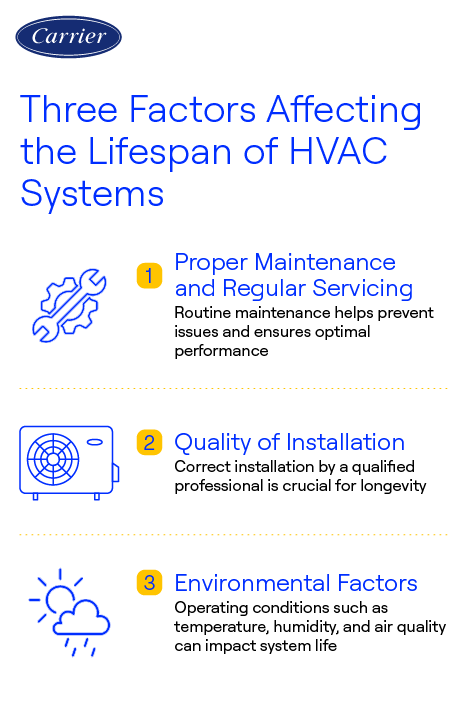
Several factors can change how long your air conditioner lasts. Understanding these helps you keep your unit in good shape.
- Maintenance:Regular cleaning and servicing extend life.
- Usage:Heavy use can wear parts faster.
- Climate:Hot and humid areas may reduce lifespan.
- Installation:Proper setup prevents early damage.
- Quality:Higher quality units often last longer.

Credit: www.reddit.com
Types Of Air Conditioners And Durability
Air conditioners come in different types. Each type has a different lifespan. Knowing how long they last helps you plan for replacements.
This guide explains the durability of common air conditioners. It covers central, window, portable, and ductless systems.
Central Air Conditioners
Central air conditioners cool entire homes. They use ducts to spread cool air. They last about 12 to 15 years with good care.
Regular maintenance like cleaning filters and checking refrigerant helps them last longer.
Window Units
Window air conditioners fit into a window frame. They are easy to install and move. On average, they last 8 to 10 years.
- Needs yearly filter cleaning
- Should be stored indoors in winter
- Durability depends on usage and care
Portable Air Conditioners
Portable ACs cool single rooms. They are mobile and easy to use. Their lifespan is usually 6 to 8 years.
| Factor | Impact on Durability |
| Frequency of use | More use can reduce lifespan |
| Maintenance | Regular cleaning extends life |
| Storage | Proper storage prevents damage |
Ductless Mini-split Systems
Ductless mini-splits cool specific zones. They are quiet and energy efficient. These systems last 12 to 15 years.
They need occasional filter cleaning and professional checkups. Good care keeps them running well for many years.
Maintenance Tips To Extend Lifespan
Air conditioners usually last about 10 to 15 years. You can help your AC last longer with good care. Regular maintenance keeps it running well.
Simple tasks like cleaning and checking parts can stop big problems. Let’s look at easy ways to keep your AC healthy.
Regular Cleaning
Dust and dirt can block your air conditioner’s parts. Clean your AC often to keep air flowing well. Clean both indoor and outdoor units.
Clean coils, fans, and vents to help your AC cool better and use less energy. This prevents damage and saves money.
- Turn off the power before cleaning
- Use a soft brush or cloth for dust
- Clear leaves and dirt from outside unit
- Keep vents and filters clean
Filter Replacement
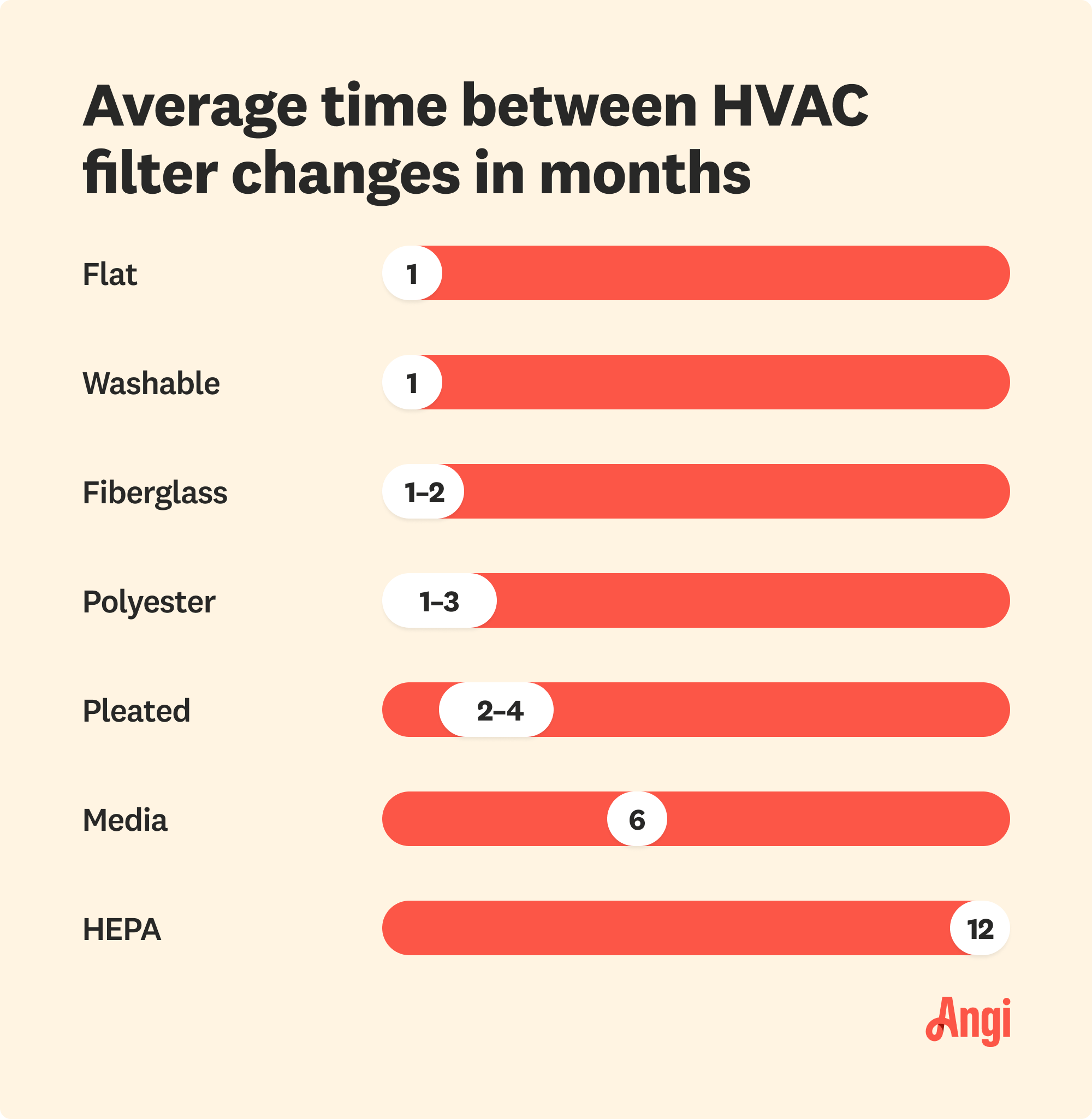
Filters catch dust and allergens from the air. Dirty filters block airflow and make the AC work harder. Change filters every 1 to 3 months.
New filters improve air quality and help your AC cool better. Always check your filter type before buying a replacement.
- Check filter monthly for dirt
- Replace if it looks clogged or dirty
- Use the filter size your AC needs
- Keep extra filters at home for quick changes
Professional Inspections
Have a professional check your air conditioner once a year. They spot small problems before they get big. This keeps your AC safe and working well.
Technicians clean parts deeply and test the system. They check refrigerant levels and electrical connections for safety.
- Schedule inspection before summer
- Ask for full system checkup
- Fix any issues found quickly
- Keep records of all inspections
Timely Repairs
Fix small problems as soon as you notice them. Ignoring issues can cause bigger damage and cost more money. Repair parts like fans or motors quickly.
Listen for strange noises and watch for leaks or weak cooling. Call a technician if you see any problems.
- Turn off AC if it acts strange
- Check for water leaks or ice build-up
- Call a professional for repairs
- Do not try to fix electrical parts yourself
Credit: www.angi.com
Signs Your Air Conditioner Needs Replacement
Air conditioners do not last forever. Knowing when to replace your unit saves money and stress.
Look for clear signs that show your air conditioner is wearing out. These signs help you decide if it is time for a new one.
Decreased Efficiency
Your air conditioner may cool less than before. It takes longer to reach the set temperature.
If your home stays warm even when the AC runs, it means the system is losing strength.
Frequent Breakdowns
Older air conditioners break down often. You spend more time and money fixing small problems.
Repeated repairs show the unit is failing. It may be cheaper to replace than to repair again.
Rising Energy Bills
Your energy bills may rise if the AC uses more power than before. This happens when parts wear out.
High bills can mean the air conditioner is working harder to cool your home. This is a sign to check the unit.
Age Of The Unit
Most air conditioners last about 10 to 15 years. Older units lose performance and need more repairs.
If your AC is over 15 years old, think about replacing it. Newer models are more efficient and reliable.
Cost Considerations Over Time
Air conditioners do not last forever. Over time, costs add up for repairs, energy use, and maintenance. Knowing these costs helps you plan your budget.
Thinking about when to repair or replace your AC is important. This guide looks at the main cost factors over the life of an air conditioner.
Repair Vs Replacement Costs
Old air conditioners may need many repairs. Small fixes can be cheap, but big problems are costly. At some point, replacement may save money.
Replacing an AC has a big upfront cost. Repairs seem cheaper but add up over time. Balance repair expenses with the cost of a new unit.
- Minor repairs usually cost less than $300
- Major repairs can cost $500 or more
- New air conditioners cost $3,000 to $7,000 installed
- Frequent repairs suggest replacement is better
Energy Savings With New Models
New air conditioners use less energy than old ones. Energy-efficient models lower your electricity bills. Savings can cover part of the replacement cost.
Older units lose efficiency as they age. New units meet strict energy standards. Choosing a model with a high SEER rating saves money over time.
- Old ACs can use 30% more energy than new models
- Energy-efficient models reduce monthly bills
- Look for SEER ratings of 14 or higher
- Energy savings add up over many years
Warranty And Service Plans
Warranties cover repairs for a set time after purchase. They reduce unexpected costs. Service plans may include regular maintenance and repairs.
Check warranty length when buying a new AC. Some plans also offer discounted repair costs. This helps keep your AC working longer at less cost.
- Standard warranties last 5 to 10 years
- Extended warranties cover more repairs
- Service plans offer routine check-ups
- Regular maintenance prevents costly breakdowns
Environmental Impact And Recycling
Air conditioners help us stay cool but affect the environment. They use energy and contain materials that need careful disposal. Understanding their impact helps us make better choices.
Recycling old air conditioners reduces waste and protects natural resources. It also lowers pollution and saves energy in making new products.
Disposal Of Old Units
Old air conditioners contain harmful chemicals like refrigerants. These can damage the ozone layer if released. Proper disposal is important to avoid this harm.
- Take old units to certified recycling centers
- Do not throw air conditioners in regular trash
- Ensure refrigerants are safely removed by professionals
- Recycle metals and plastics from the unit
Energy-efficient Options
New air conditioners use less energy and cool better. Choosing energy-efficient models lowers electricity use and saves money.
| Energy Rating | Cooling Efficiency | Typical Lifespan (Years) |
| Standard | Good | 10-15 |
| Energy Star | Better | 12-20 |
| Inverter Technology | Best | 15-20 |
Reducing Carbon Footprint
Using air conditioners wisely cuts carbon emissions. Small changes can make a big difference for the planet.
- Set thermostat to a comfortable but not too low temperature
- Use fans to help circulate cool air
- Maintain your unit regularly for efficiency
- Seal windows and doors to keep cool air inside
- Turn off the AC when not needed
Frequently Asked Questions
How Long Does An Air Conditioner Typically Last?
The average air conditioner lasts about 10 to 15 years. Proper maintenance can extend its lifespan. Regular servicing keeps it efficient and reliable.
What Factors Affect An Air Conditioner’s Lifespan?
Usage frequency, maintenance quality, and installation impact lifespan. High usage and poor upkeep reduce longevity. Good care ensures optimal performance and durability.
How Can I Extend My Air Conditioner’s Life?
Schedule regular maintenance and clean filters often. Use the unit properly and avoid overworking it. Timely repairs help prevent major breakdowns.
When Should I Replace My Air Conditioner?
Replace if repair costs are high or efficiency drops. Units older than 15 years may be less reliable. New models offer better energy savings and performance.
Conclusion
Air conditioners don’t last forever. On average, they serve you 10-15 years. Regular maintenance can extend their life. Clean filters and check for leaks often. Consider professional inspections yearly. This keeps your unit efficient. Efficiency saves energy and money. When performance drops, it might be time for a new unit.
Investing in a new one can offer better cooling. So, pay attention to signs of wear. Take care of your air conditioner. It will take care of you. Stay cool and comfortable!