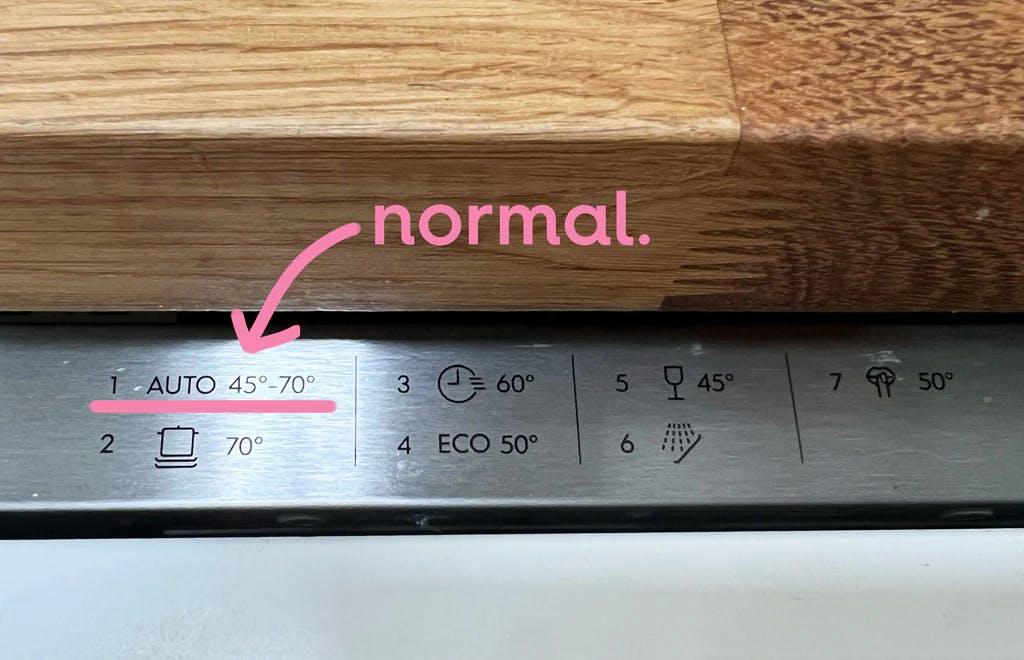
Have you ever found yourself standing in the kitchen, wondering just how long your dishwasher is going to take to get the job done? You load it up, press start, and then…
Wait. Time seems to stretch as you anticipate the clean dishes you need for dinner. Understanding the average dishwasher cycle time is more than just a curiosity—it can save you time and help you plan your day better. You’ll discover how long you can expect your dishwasher to run, the factors that affect cycle duration, and how you can optimize your time while ensuring sparkling clean results.
Let’s dive in to unveil the mystery behind those ticking minutes!

Credit: menumoments.com
Typical Cycle Durations
Dishwasher cycles vary in length depending on the selected program and the level of soil on dishes. Typical cycle durations help users plan their time better. Knowing these times also aids in choosing the right cycle for different dishwashing needs.
Standard Wash Times
Most dishwashers have a standard cycle that lasts between 1.5 and 2 hours. This cycle balances cleaning and energy use. It suits everyday dishes with normal food residue. The standard wash uses moderate water temperature and pressure.
Quick Wash Options
Quick wash cycles typically take 30 to 60 minutes. They clean lightly soiled dishes fast. This option saves time and energy but may not remove tough stains. Quick cycles are perfect for small loads or when in a hurry.
Heavy Duty Cycles
Heavy duty cycles last 2 to 3 hours or more. They use higher water temperature and stronger jets. This cycle targets pots, pans, and heavily soiled dishes. It ensures deep cleaning but uses more water and energy.

Credit: www.maytag.ca
Factors Influencing Cycle Length
Several factors influence the length of a dishwasher cycle. Understanding these can help you choose the right setting for your needs. Cycle times vary based on the dishwasher’s technology, water conditions, and how dirty the dishes are. Each factor plays a key role in determining how long the cleaning process takes.
Dishwasher Model Variations
Different dishwasher models have unique cycle times. Basic models often have shorter cycles but may clean less thoroughly. Advanced models include sensors that adjust cycle length automatically. Energy-efficient models might run longer to save water and power. Some brands focus on quick cycles, while others prioritize deep cleaning.
Water Temperature Effects
Water temperature directly impacts cleaning speed and quality. Hotter water cleans faster by breaking down grease and food particles. Some dishwashers heat water internally, which can extend cycle time. If your home’s water heater is set low, the dishwasher might take longer. Cold water can reduce cleaning efficiency and increase cycle length.
Load Size And Dirt Level
The number of dishes affects how long the cycle runs. A full load usually takes more time to clean than a small load. Dirtier dishes require longer washing and rinsing phases. Lightly soiled dishes can be cleaned with shorter cycles. Overloading the dishwasher can reduce cleaning performance and increase cycle duration.
Energy And Water Usage
Energy and water usage are key factors in choosing a dishwasher cycle. Different cycles use varying amounts of power and water. Knowing how these cycles perform helps save resources and reduce bills.
Efficiency Of Different Cycles
Short cycles use less water and energy but may clean less thoroughly. Heavy cycles run longer and use more resources but handle tough stains better. Normal cycles balance cleaning and resource use. Quick or express cycles suit lightly soiled dishes and save energy. Using the right cycle for your load size improves efficiency.
Eco-friendly Settings
Eco-friendly settings reduce water and energy use by running longer at lower temperatures. They save power by using less hot water. These settings often take more time but cut down resource waste. Many dishwashers have an eco mode to help users save energy and protect the environment. Running full loads in eco mode maximizes savings.
Tips To Shorten Cycle Time
Shortening your dishwasher cycle saves time and energy. Small changes in how you prepare and maintain your dishwasher make a big difference. Follow these tips to cut down cycle time without losing cleaning power.
Pre-rinsing Dishes
Remove large food scraps from plates before loading. This helps the dishwasher clean faster. Avoid heavy rinsing. Just a quick scrape or rinse is enough to prevent long cycles. Less dirt means shorter wash times.
Selecting Appropriate Cycles
Choose the cycle that matches the load. Use quick or express cycles for lightly soiled dishes. Heavy or pots and pans cycles take longer. Pick cycles based on how dirty your dishes are. This avoids unnecessary long washing times.
Regular Maintenance
Clean the dishwasher filter regularly. A clogged filter slows down cleaning and extends cycle time. Check spray arms for blockages. Remove debris to keep water flowing well. Run a dishwasher cleaner monthly to keep it fresh and efficient.
When Longer Cycles Are Beneficial
Longer dishwasher cycles might seem like a time drain, but they can actually be a smart choice depending on what you need. Not every load of dishes requires a quick wash; some situations call for extra care and attention. Understanding when to opt for these extended cycles can save you from rewashing and ensure your dishes come out spotless and safe.
Sanitizing Needs
Sometimes, you need more than just clean-looking dishes—you need them truly sanitized. If someone in your home is sick or you’re washing baby bottles, longer cycles with higher temperatures kill germs better. Many dishwashers have a sanitize setting designed for this purpose, which runs hot water for a longer time.
Think about your last family gathering or a week when you had a cold going around. Did you worry about bacteria spreading through shared dishes? Using a longer sanitizing cycle helps reduce that risk and gives you peace of mind.
Stubborn Stain Removal
Grease, baked-on food, and dried sauces can be tough to remove with a quick wash. When your dishwasher runs longer, it gives detergent and hot water more time to break down these stubborn stains. This means you avoid the hassle of pre-rinsing or scrubbing by hand.
Have you ever loaded heavily soiled pots or pans and found they still needed a scrub afterward? Switching to a longer cycle can solve this problem. It’s especially useful if you cook with lots of oils or sauces that tend to stick.

Credit: www.fredsappliances.com
Frequently Asked Questions
How Long Does A Typical Dishwasher Cycle Last?
A typical dishwasher cycle lasts between 1. 5 to 2 hours. The exact time depends on the cycle type and dishwasher model. Quick wash cycles can be as short as 30 minutes, while heavy-duty cycles take longer to ensure thorough cleaning.
What Affects Dishwasher Cycle Duration?
Dishwasher cycle duration depends on water temperature, load size, and soil level. Energy-efficient models may take longer to save power. Heavily soiled dishes require longer cycles for proper cleaning. Choosing the right cycle helps balance cleaning quality and time.
Can Dishwasher Cycle Times Be Shortened?
Yes, many dishwashers offer quick or express wash options. These cycles clean dishes faster but may use more water and energy. For lightly soiled dishes, quick cycles save time without compromising cleanliness. Always check your dishwasher’s manual for available cycle options.
Why Do Some Dishwasher Cycles Take Over Two Hours?
Long cycles often include energy-saving features like lower water temperatures. They allow detergent to work longer for better cleaning. Heavy or sanitize cycles add extra time for tough stains and bacteria removal. These extended cycles improve cleaning but increase run time.
Conclusion
Dishwasher cycles usually take between 30 minutes and two hours. Times vary by the chosen setting and dishwasher model. Quick cycles clean lightly soiled dishes fast. Heavy or eco cycles take longer but save water and energy. Knowing cycle times helps plan your day better.
Choose the right cycle for your dish load. This way, your dishes come out clean without wasting time. Understanding cycle lengths makes dishwashing easier and more efficient.