Have you ever found a forgotten package of vacuum-packed chicken in your freezer and wondered if it’s still safe to eat? You’re not alone.
Understanding how long vacuum-packed chicken lasts in the freezer can save you from unnecessary food waste and potential health risks. The good news is, vacuum packing can extend the life of your chicken far beyond what you might expect. But how long is too long?
By the end of this article, you’ll know exactly how to keep your chicken fresh, delicious, and safe to eat. Stick around, and you might just find some surprising tips that could change how you store your food forever.
Vacuum Packing Basics
Understanding the basics of vacuum packing is essential if you want your chicken to stay fresh longer in the freezer. This method isn’t just about sealing food—it changes how the food interacts with the air, which affects preservation. Knowing how vacuum packing works and its benefits will help you decide if it’s the right choice for your kitchen.
How Vacuum Packing Works
Vacuum packing removes air from the packaging before sealing it tightly around the chicken. This lack of air slows down the growth of bacteria and molds that need oxygen to survive. Without air, the chicken stays fresher and safer for a longer time.
Think about opening a bag of chips and leaving it open overnight. The chips go stale because air exposure lets moisture and bacteria in. Vacuum packing solves this by creating a near airtight environment.
Benefits For Chicken Storage
Vacuum packing helps keep your chicken freezer burn-free. Since no air touches the meat, ice crystals don’t form as quickly, preserving texture and flavor. This means your chicken tastes better even after weeks in the freezer.
- Extended freezer life:Vacuum packed chicken can last up to 2-3 years in the freezer compared to 6-12 months in regular packaging.
- Space saving:Vacuum sealed packages are compact, which helps you organize your freezer efficiently.
- Reduced waste:You can store chicken in portions, so you only thaw what you need, preventing leftovers from spoiling.
Have you ever thrown out freezer-burned chicken? Vacuum packing can change that experience. It’s a small step that can save you money and improve your meal quality.

Credit: aaes.uada.edu
Freezing Vacuum Packed Chicken
Freezing vacuum packed chicken is a smart way to preserve its freshness for a long time. The vacuum seal removes air, which slows down spoilage and freezer burn. This method keeps the chicken safe and tasty for months. Proper freezing makes a big difference in how long the chicken lasts and how good it tastes after thawing.
Optimal Freezer Conditions
Set your freezer temperature to 0°F (-18°C) or lower. This keeps chicken frozen solid and safe from bacteria. Store the vacuum packed chicken on a flat surface to maintain shape. Avoid opening the freezer often to keep the temperature steady. Use a freezer thermometer to check the temperature regularly. Proper packaging and freezing extend the shelf life of the chicken.
Effect On Chicken Quality
Vacuum packing protects chicken from air and moisture loss. This helps maintain the texture and flavor during freezing. Chicken frozen in vacuum packs stays tender and juicy after cooking. Freezing slows down the natural breakdown of meat proteins. The longer the chicken stays frozen, the more the quality may decline slightly. Still, vacuum packing reduces freezer burn and dryness compared to regular freezing methods.
Shelf Life Of Vacuum Packed Chicken
Vacuum packing chicken extends its freshness by reducing air exposure. This method slows down spoilage and freezer burn. Knowing the shelf life helps keep chicken safe and tasty. Proper storage in the freezer preserves quality and flavor longer.
Raw Chicken Storage Time
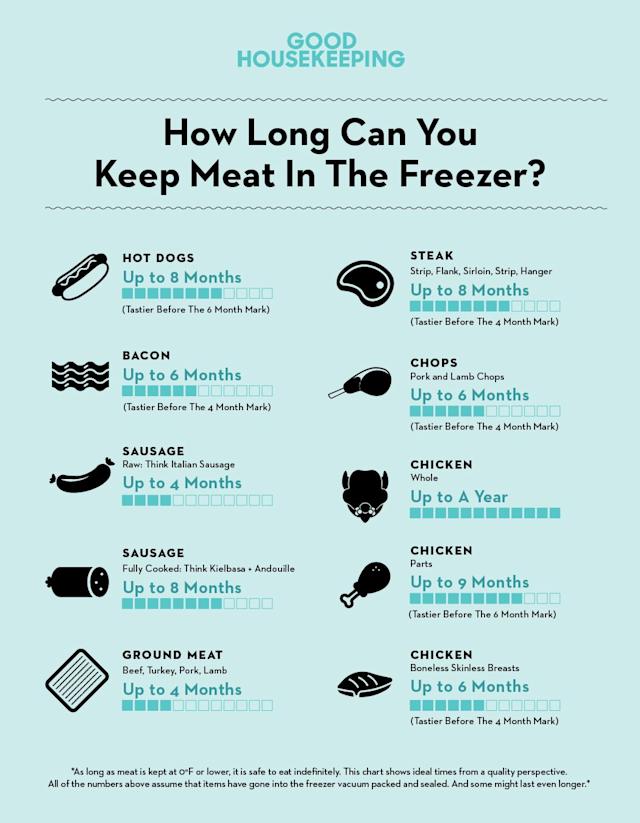
Vacuum packed raw chicken lasts longer than non-packed chicken. It can stay fresh in the freezer for up to 12 months. This is twice as long as regular packaging. Keep the freezer at 0°F (-18°C) or below. Avoid thawing and refreezing to maintain quality.
Cooked Chicken Storage Time
Cooked chicken stored in vacuum packaging lasts about 2 to 6 months. The vacuum seal helps preserve moisture and taste. Store cooked chicken in airtight containers or vacuum bags. Label packages with dates to track storage time. Use within the recommended period for best results.
Signs Of Spoiled Chicken
Knowing the signs of spoiled chicken is essential for food safety. Spoiled chicken can cause food poisoning and should never be eaten. Detecting spoilage early helps avoid health risks and food waste. Here are key signs to watch for.
Visual Indicators
- Color changes, such as dull gray or greenish hues, suggest spoilage.
- Presence of mold or unusual spots on the surface means the chicken is bad.
- Excessive liquid or slimy coating on the chicken surface is a red flag.
- Frozen chicken with frost or ice crystals inside the packaging might indicate freezer burn, affecting quality.
Smell And Texture Changes
- A sour, rancid, or ammonia-like smell signals spoiled chicken.
- Fresh chicken should have little to no odor.
- Sticky or slimy texture is a clear sign the chicken has gone bad.
- Firmness loss: spoiled chicken feels mushy or soft rather than firm.
Tips To Extend Freezer Life
Extending the freezer life of vacuum packed chicken helps keep it fresh and tasty. Proper care can prevent freezer burn and loss of flavor. Simple steps make a big difference in preserving quality and safety.
Proper Packaging Techniques
Use airtight vacuum sealing to remove all air from the package. Air causes freezer burn and spoils the meat. Double-check the seal for any holes or weak spots. Wrap the chicken in plastic wrap before vacuum packing for extra protection. Label each package with the date of freezing to track freshness easily.
Freezer Temperature Management
Keep your freezer at or below 0°F (-18°C) to maintain chicken quality. Fluctuating temperatures can cause ice crystals and texture damage. Avoid opening the freezer door often to keep the cold steady. Use a freezer thermometer to check the temperature regularly. Store chicken away from the door to reduce temperature changes.

Credit: www.reddit.com
Thawing Vacuum Packed Chicken
Thawing vacuum packed chicken requires care to keep it safe and tasty. The chicken stays sealed tightly, which slows down spoilage. Still, how you thaw it affects its quality and safety. Proper thawing stops bacteria from growing and keeps the meat fresh.
Safe Thawing Methods
Thaw vacuum packed chicken using cool and controlled ways. The best option is to place it in the fridge. This keeps the chicken cold and safe as it thaws slowly. It usually takes 24 hours or more for full thawing.
Another way is to use cold water. Keep the chicken in its sealed bag. Submerge it in cold water and change the water every 30 minutes. This speeds up thawing but still stays safe.
A microwave can thaw chicken quickly. Use the defrost setting and watch carefully. Cook the chicken right after thawing in the microwave. This avoids any bacteria growth from uneven thawing.
Avoiding Bacterial Growth
Bacteria multiply fast when chicken is in the danger zone. This zone is between 40°F and 140°F (4°C and 60°C). Always keep vacuum packed chicken out of this range during thawing.
Never thaw chicken on the kitchen counter or in warm water. These methods let bacteria grow on the surface. Thawing in the fridge or cold water keeps the temperature low and safe.
Cook chicken immediately after thawing in cold water or microwave. This prevents bacteria from growing on partially thawed meat. Do not refreeze chicken once thawed outside the fridge.
Comparing Vacuum Packed And Regular Packaging
Packaging plays a key role in preserving chicken quality and safety. Vacuum packed chicken removes air and seals tightly. Regular packaging usually leaves some air inside. This difference affects how long chicken lasts in the freezer. It also changes how the chicken tastes and feels after thawing. Understanding these differences helps you choose the best option for storage.
Shelf Life Differences
Vacuum packed chicken lasts longer in the freezer than regular packaging. Removing air slows down spoilage and freezer burn. Vacuum packed chicken can stay fresh for up to 2-3 years. Regular packaged chicken usually lasts 6-12 months before quality drops. Air exposure causes ice crystals and dryness faster in regular packs. Vacuum sealing keeps chicken safe and fresh much longer.
Quality And Taste Impact
Vacuum packed chicken keeps its texture and flavor better after freezing. The seal stops moisture loss and freezer burn. Regular packaging may cause dry, tough, or bland chicken. The air inside regular packs damages taste and texture over time. Vacuum packed chicken often cooks juicier and softer. Quality stays higher with vacuum sealing, making meals tastier and more enjoyable.

Credit: www.reddit.com
Frequently Asked Questions
How Long Can Vacuum Packed Chicken Stay Frozen?
Vacuum packed chicken can last 1 to 3 years in the freezer. Proper sealing prevents freezer burn and preserves freshness. For best quality, consume within this timeframe.
Does Vacuum Sealing Extend Chicken Freezer Life?
Yes, vacuum sealing removes air, slowing spoilage and freezer burn. This process significantly extends chicken’s freezer life compared to regular packaging.
Can Frozen Vacuum Packed Chicken Go Bad?
Vacuum packed chicken can still spoil if stored improperly or past recommended time. Always check for odor, color, and texture before use.
Is Thawed Vacuum Packed Chicken Safe To Refreeze?
Refreezing thawed vacuum packed chicken is safe if thawed in the fridge and not left out. However, quality may reduce after refreezing.
Conclusion
Vacuum packed chicken can last up to two years in the freezer. Keeping it frozen prevents bacteria and keeps the meat fresh. Always check the packaging for any damage before freezing. Use the chicken within the recommended time to enjoy the best taste.
Proper storage helps avoid waste and saves money. Remember to thaw chicken safely before cooking. Frozen vacuum packed chicken is a convenient option for meal planning. Store it well, and you will have fresh chicken ready when needed. Simple steps make a big difference in food safety and quality.