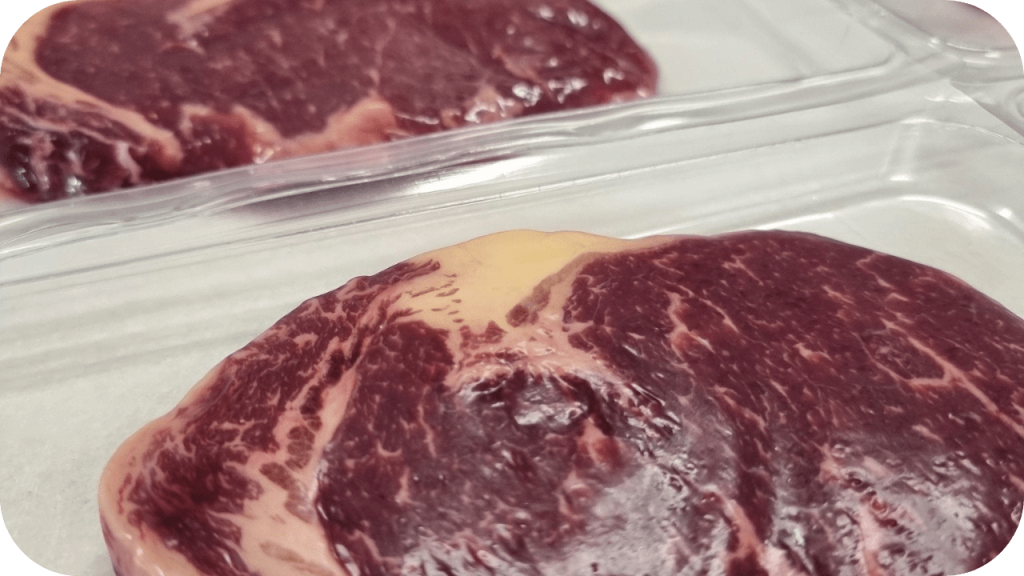
Have you ever found yourself standing in front of your refrigerator, staring at that vacuum-packed meat, wondering if it’s still safe to eat? You’re not alone.
Understanding how long vacuum-packed meat lasts in the refrigerator can be a bit confusing, but it’s crucial for your health and peace of mind. Imagine the joy of savoring a delicious meal without second-guessing its safety. This article will unveil the secrets of vacuum-packed meat longevity and help you make informed decisions.
Prepare to discover tips that could save you time, money, and unnecessary stress. Dive in, and let’s put those worries to rest for good.

Credit: angusmeatsdirect.com
Vacuum Packing Basics
Understanding the basics of vacuum packing can change the way you store meat at home. It’s a simple process, but it has a significant impact on how long your meat stays fresh in the refrigerator. Knowing what vacuum packing is and its benefits will help you make smarter choices in preserving your food.
What Is Vacuum Packing
Vacuum packing removes air from the packaging before sealing it tightly around the meat. This process creates a near-airless environment that slows down the growth of bacteria and mold. Without oxygen, meat stays fresher for a longer time compared to traditional storage methods.
You might wonder how this differs from wrapping meat in plastic wrap. Unlike plastic wrap, vacuum sealing eliminates almost all the air, which means less chance for spoilage. This is especially useful if you buy meat in bulk and want to keep it fresh for days or weeks.
Benefits For Meat Preservation
Vacuum packing offers several key benefits that make it ideal for preserving meat:
- Extended Shelf Life:Meat can last 2-3 times longer in the fridge when vacuum packed.
- Reduced Freezer Burn:The airtight seal protects meat from drying out and developing freezer burn.
- Maintains Flavor and Moisture:Vacuum packing locks in juices and flavors, so your meat tastes better after storage.
- Space Efficiency:Vacuum-sealed packages take up less room in your fridge or freezer.
Think about the last time you found meat in your fridge with an off smell or slimy texture. That’s often due to exposure to air and moisture. Vacuum packing can prevent this, saving you money and reducing food waste.
Have you tried vacuum packing your meat before? You might be surprised how much longer it stays fresh and how much easier it is to organize your fridge.

Credit: steakrevolution.com
Shelf Life Of Vacuum Packed Meat
Vacuum packing extends the shelf life of meat by removing air. This process slows down bacteria growth and keeps meat fresh longer. Understanding how long vacuum packed meat lasts in the refrigerator helps prevent waste and foodborne illness.
The shelf life varies depending on the type of meat and whether it is fresh, cooked, or frozen. Proper storage temperature is also important. Below are typical durations for vacuum packed meat in the refrigerator.
Fresh Meat Duration
Vacuum packed fresh meat lasts longer than meat stored in regular packaging. It usually stays fresh for 1 to 2 weeks in the refrigerator. This includes beef, pork, lamb, and poultry. Always check for any off smells or slimy texture before use.
Cooked Meat Duration
Cooked meat sealed in vacuum packaging lasts about 1 to 2 weeks in the fridge. This is longer than cooked meat stored in containers or plastic wrap. Keep the temperature below 40°F (4°C) to ensure safety and quality.
Frozen Meat Duration
Vacuum packed meat lasts much longer in the freezer. Fresh vacuum packed meat can keep up to 2 to 3 years when frozen properly. Cooked meat lasts around 1 to 2 years in the freezer. Always thaw in the fridge to maintain safety.
Factors Affecting Meat Longevity
Understanding what affects the shelf life of vacuum-packed meat in your refrigerator can help you make smarter storage decisions. Several factors come into play that influence how long your meat stays fresh and safe to eat. Knowing these can save you from wasting food or risking your health.
Type Of Meat
Different meats have different natural shelf lives, even when vacuum packed. For example, beef tends to last longer than poultry or pork due to its lower moisture content and fat composition. Ground meat spoils faster than whole cuts because it has more surface area exposed to bacteria.
Think about the last time you stored chicken versus steak. You might have noticed the chicken didn’t last as long. This is because poultry is more prone to bacterial growth. Always check the type of meat before deciding how long to keep it in the fridge.
Storage Temperature
Keeping your refrigerator at the right temperature is critical. Meat stored at 34-38°F (1-3°C) will last significantly longer than meat stored at higher temperatures. Even a small change can speed up spoilage.
Have you ever left meat out on the counter for a while? You know it doesn’t take long to start smelling off. Your fridge’s consistent cold environment is your best defense. Make sure your fridge is cold enough and avoid frequent door openings to maintain temperature.
Packaging Quality
Vacuum packaging quality can make or break meat longevity. A tight, air-free seal prevents oxygen from entering and slows bacterial growth. Poor packaging with leaks or weak seals will let air in and cause the meat to spoil faster.
When you buy vacuum-packed meat, inspect the package carefully. If it looks puffed up or damaged, it’s a sign that air got in. You might want to re-seal it at home or use it sooner rather than later to avoid waste.

Credit: www.carnivoresociety.com.au
Signs Of Spoiled Vacuum Packed Meat
Vacuum packed meat often lasts longer than regular meat in the fridge. Yet, it can still spoil over time. Knowing the signs of spoiled vacuum packed meat helps keep you safe. It also prevents food waste. Watch for visual changes, smell indicators, and texture differences. These signs show when the meat is no longer good to eat.
Visual Changes
- Color shifts from bright red or pink to brown or gray.
- Presence of mold or fuzzy spots on the surface.
- Excessive liquid inside the packaging, especially if cloudy or sticky.
- Packaging looks swollen or bloated, which can mean gas buildup.
Smell Indicators
- A sour or rancid odor coming from the meat.
- A strong, unpleasant smell that is different from fresh meat.
- Ammonia-like or rotten egg scents.
Texture Differences
- Meat feels slimy or sticky to the touch.
- Sticky or tacky surface instead of smooth and firm.
- Soft or mushy spots where the meat should be firm.
Safe Handling Tips
Handling vacuum packed meat safely is essential to keep it fresh and avoid foodborne illnesses. Even though vacuum packing extends the shelf life, the way you store, thaw, and handle the meat makes a big difference. You have more control than you think over how long your meat stays safe and delicious.
Proper Storage Practices
Keep vacuum packed meat in the coldest part of your refrigerator, usually near the back or bottom shelves. Avoid storing it near the door where temperatures fluctuate more. Make sure your fridge temperature stays below 40°F (4°C) to slow bacterial growth effectively.
Store meat on a plate or tray to catch any drips if the packaging leaks. This prevents contamination of other foods. Also, don’t stack heavy items on top of vacuum packed meat to avoid damaging the seal, which can reduce its shelf life.
Thawing Guidelines
Thaw vacuum packed meat in the refrigerator, not at room temperature. This keeps the meat at a safe temperature and prevents bacteria from multiplying. Plan ahead and allow enough time; large cuts may take 24 hours or more to thaw completely.
If you’re in a hurry, use the cold water method by submerging the sealed package in cold water. Change the water every 30 minutes to keep it cold. Never thaw meat on the kitchen counter, as this can quickly lead to unsafe bacterial growth.
Avoiding Cross-contamination
Always wash your hands before and after handling raw meat. Use separate cutting boards and utensils for raw meat and other foods like vegetables or cooked items. This simple step can prevent harmful bacteria from spreading in your kitchen.
Clean and sanitize surfaces that come into contact with raw meat immediately. Think about how a small splash or drip can contaminate your countertop or sink area. Protect your family’s health by being vigilant about these practices.
Comparing Vacuum Packed And Regular Meat
Comparing vacuum packed meat to regular meat reveals some clear differences that affect how long they last and how convenient they are for your kitchen. If you often find yourself throwing out meat because it spoiled too quickly, understanding these differences can help you save money and reduce waste. Let’s look closely at how these two types stack up in terms of shelf life and cost.
Shelf Life Differences
Vacuum packed meat lasts significantly longer in the refrigerator than regular meat. By removing air, vacuum packaging slows down the growth of bacteria and mold. This can extend the freshness of meat by 1 to 2 weeks compared to the usual 2 to 3 days for unpackaged meat.
I’ve noticed that when I buy vacuum packed chicken, it stays fresh for nearly two weeks, allowing me to plan meals more flexibly. Regular meat, on the other hand, pushes me to cook it quickly or freeze it immediately.
Does this longer shelf life change how you shop for groceries? Many find they can buy in bulk and reduce frequent trips to the store.
Cost And Convenience
Vacuum packed meat often costs a bit more upfront due to the packaging process. However, the extended shelf life can lead to less food waste, balancing out the initial price difference.
Think about convenience: vacuum packed meat is usually portioned and sealed, making it easy to store and use only what you need. Regular meat may require you to repackage or freeze portions to keep it fresh longer.
Have you ever opened a package of regular meat only to find some parts already spoiled? Vacuum packing helps prevent this by keeping every piece sealed and fresh until you’re ready to cook.
Frequently Asked Questions
How Long Can Vacuum Packed Meat Stay Refrigerated?
Vacuum packed meat can last 1 to 2 weeks in the refrigerator. The vacuum seal slows spoilage by reducing oxygen exposure. Always check the sell-by date and store it below 40°F (4°C) for best freshness and safety.
Does Vacuum Packing Extend Meat’s Refrigerator Life?
Yes, vacuum packing extends meat’s refrigerator life by removing air. This reduces bacterial growth and oxidation, keeping meat fresh longer. Typically, vacuum packed meat lasts twice as long as non-packaged meat under proper refrigeration.
Can Vacuum Packed Meat Go Bad In The Fridge?
Yes, vacuum packed meat can still spoil if stored too long or improperly. Look for off smells, slimy texture, or discoloration as spoilage signs. Always refrigerate promptly and consume within recommended time for safety.
Should Vacuum Packed Meat Be Refrigerated Immediately?
Yes, vacuum packed meat must be refrigerated immediately to prevent bacteria growth. Keeping it below 40°F slows spoilage and maintains quality. Avoid leaving it at room temperature for more than 2 hours.
Conclusion
Vacuum packed meat lasts longer than regular meat in the fridge. Usually, it stays fresh for 1 to 2 weeks. Keep the temperature steady below 40°F (4°C). Check the package date and smell before use. Proper storage helps prevent spoilage and waste.
Always handle meat with clean hands and surfaces. This simple care keeps your food safe and tasty. Store wisely and enjoy your meals without worry.