Have you ever wondered how long vacuum-sealed chicken can safely sit in your fridge or freezer? You’re not alone.
Whether you’re planning meals for the week or stocking up for the month, knowing the shelf life of vacuum-sealed chicken can save you time, money, and potential food waste. Imagine opening your fridge, spotting that perfectly sealed package, and feeling confident about using it.
This is the peace of mind you deserve. You’ll uncover the secrets behind vacuum-sealed chicken storage, ensuring that your meals are not only delicious but also safe. Stick around, and you’ll become the master of your kitchen’s inventory, optimizing both freshness and flavor.
Vacuum Sealing Basics
Understanding the basics of vacuum sealing is key if you want to make your chicken last longer and stay fresh. Vacuum sealing removes air from the packaging, which slows down the process that causes food to spoil. This simple step can change the way you store chicken and other meats at home.
How Vacuum Sealing Works
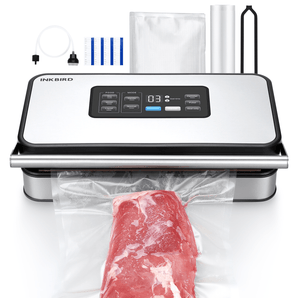
Vacuum sealing works by sucking out air from the package around your chicken. Without air, bacteria and mold have a harder time growing because they need oxygen to survive. The machine then seals the package tightly, creating an airtight environment.
Think about it this way: when you open a bag of chips and leave it out, the air makes them go stale quickly. Vacuum sealing stops this from happening by cutting off that air supply. Your chicken stays fresher for much longer compared to just wrapping it in plastic wrap or putting it in a ziplock bag.
Benefits For Chicken Storage
Vacuum sealing offers several clear benefits that you’ll notice right away. First, it extends the shelf life of your chicken, whether it’s stored in the fridge or freezer. This means fewer trips to the store and less wasted food.
- Longer freshness:Vacuum-sealed chicken can last up to 1-2 weeks in the fridge compared to just a few days normally.
- Reduced freezer burn:The airtight seal prevents ice crystals from forming, keeping the texture and taste intact.
- Space-saving:Vacuum-sealed packages are compact and easy to stack, which helps you organize your freezer better.
Have you ever bought chicken in bulk only to find it freezer burned a few months later? Vacuum sealing stops that problem before it starts. It’s a smart way to protect your investment and keep your meals tasty.
Credit: inkbird.com
Shelf Life Of Vacuum Sealed Chicken
Understanding the shelf life of vacuum sealed chicken is key to keeping your meals safe and tasty. Vacuum sealing removes air, which slows down spoilage and helps preserve freshness. But even with this method, chicken doesn’t last forever, and knowing exactly how long it stays good can save you from food waste and potential health risks.
Refrigerated Storage Time
When stored in the fridge at or below 40°F (4°C), vacuum sealed chicken can last significantly longer than non-sealed chicken. Typically, it stays fresh for up to 1 to 2 weeks. This extended shelf life is because vacuum sealing limits exposure to oxygen and bacteria growth.
However, always check for signs of spoilage like an off smell or slimy texture before cooking. Have you ever been surprised by how long vacuum sealed chicken lasted in your fridge?
Freezer Storage Duration
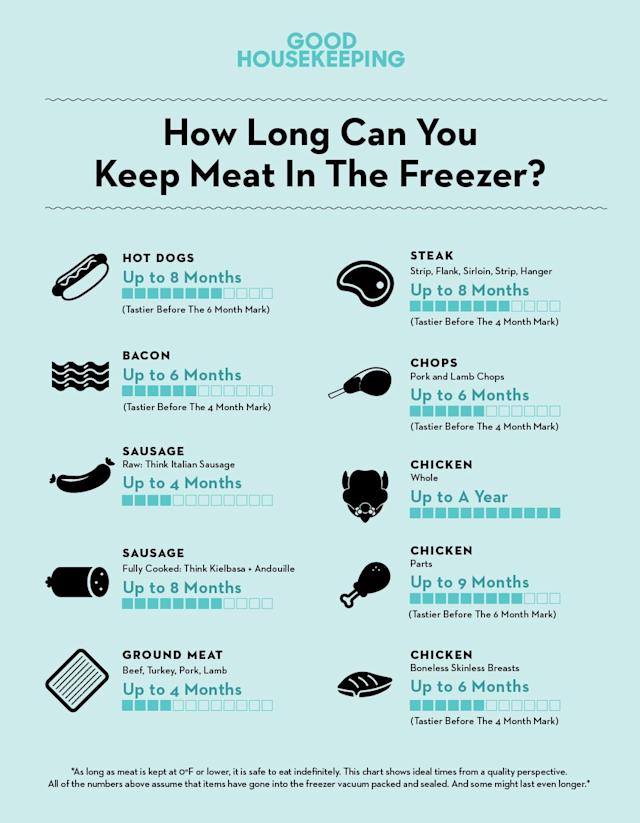
Vacuum sealed chicken shines in the freezer. It can last anywhere from 1 to 3 yearsif kept at 0°F (-18°C) or lower. This is far longer than the few months typical for non-sealed chicken.
Still, quality may decline after a year due to freezer burn or texture changes, even if it’s safe to eat. Label your packages with the date so you can keep track and use the oldest chicken first.
Factors Affecting Shelf Life
Several factors affect how long vacuum sealed chicken lasts:
- Initial freshness:The fresher the chicken before sealing, the longer it will stay good.
- Storage temperature:Consistent cold temperatures are crucial. Fluctuations can shorten shelf life.
- Seal quality:A tight, intact vacuum seal keeps air and bacteria out.
- Handling hygiene:Clean hands and surfaces prevent contamination before sealing.
Think about your last time sealing chicken—did you make sure it was fresh and handled properly? These small steps can make a big difference in how long your chicken stays safe and delicious.
Signs Of Spoiled Vacuum Sealed Chicken
Knowing the signs of spoiled vacuum sealed chicken is important for food safety. Spoiled chicken can cause food poisoning and must be avoided. Detecting spoilage early helps protect your health and prevents waste.
Visual Indicators
- Discoloration: Chicken turns gray, green, or has dark spots.
- Slimy surface: A sticky or slimy film appears on the chicken.
- Packaging damage: Bulging or broken vacuum seal shows possible spoilage.
- Excess liquid: Cloudy or foul-smelling liquid inside the package is a warning.
Smell And Texture Changes
- Sour or rotten smell: Fresh chicken has little to no odor.
- Off-putting smell: A strong, unpleasant odor signals spoilage.
- Sticky or tacky feel: Chicken feels different from fresh, firm meat.
- Soft or mushy texture: Spoiled chicken loses firmness and becomes mushy.

Credit: wendypolisi.com
Tips For Maximizing Freshness
Keeping your vacuum sealed chicken fresh for as long as possible depends on more than just the sealing itself. How you prepare, seal, and store the chicken plays a huge role in preserving its quality and safety. Let’s dive into some practical tips that can help you extend the freshness of your vacuum sealed chicken.
Proper Sealing Techniques
The way you seal your chicken makes all the difference. Make sure the chicken is dry before sealing because moisture can create ice crystals that affect texture and taste. Avoid overfilling the bag; leaving some space helps create a tight seal without bursting.
Check the vacuum sealer’s seal bar for cleanliness and no damage. A weak or incomplete seal invites air and bacteria, cutting down on shelf life. If you’ve ever opened a package only to find it wasn’t fully sealed, you know how quickly chicken can spoil.
Storage Temperature Guidelines
Temperature control is key. Vacuum sealed chicken should be stored at 32°F (0°C) or lower in the fridge to slow bacterial growth. If you plan to keep it longer than a week, freezing is your best bet.
Keep your freezer at 0°F (-18°C) or below. Even with vacuum sealing, fluctuations in temperature can lead to freezer burn. Do you monitor your fridge and freezer temps regularly? It’s a small habit that can save you from spoiled food.
Handling Before And After Sealing
Clean hands and surfaces reduce the risk of contamination before sealing. Rinse chicken under cold water and pat dry with paper towels to remove excess moisture. Avoid touching the inside of the bag or the chicken after drying to keep it germ-free.
After sealing, handle the packages gently. Rough handling or punctures can break the seal, exposing the chicken to air and bacteria. Think of vacuum sealed chicken like a delicate package that needs a little extra care.
Comparing Vacuum Sealing To Other Methods
Vacuum sealing extends the shelf life of chicken by removing air and sealing tightly. Other storage methods offer different levels of protection and freshness. Comparing these methods helps you choose the best way to keep chicken fresh and safe.
Plastic Wrap And Foil
Plastic wrap and foil are common for storing chicken. They provide a barrier against moisture and dirt. But air can still get in, which speeds up spoilage. These materials do not remove oxygen, so bacteria can grow faster.
Chicken wrapped in plastic or foil usually lasts 1 to 2 days in the fridge. Freezing can extend this time but may cause freezer burn without a tight seal. These methods work for short-term storage but lack the airtight protection of vacuum sealing.
Storage Bags And Containers
Storage bags and containers help organize chicken in the fridge. Resealable bags reduce air but don’t remove it completely. Containers block light and protect chicken from spills. Yet, air inside can still cause spoilage.
Chicken stored in bags or containers lasts about 2 to 3 days in the fridge. Freezing is better but still risks freezer burn if air remains. These options are easy to use but less effective than vacuum sealing for long freshness.

Credit: wendypolisi.com
Frequently Asked Questions
How Long Does Vacuum Sealed Chicken Last In The Fridge?
Vacuum sealed chicken lasts 1 to 2 weeks in the fridge. The airtight seal slows bacteria growth. Always store below 40°F (4°C). Check for spoilage signs before use.
Can Vacuum Sealed Chicken Last In The Freezer?
Yes, vacuum sealed chicken can last up to 2 to 3 years in the freezer. The vacuum seal prevents freezer burn and moisture loss. Always keep the freezer at 0°F (-18°C) for optimal preservation.
Does Vacuum Sealing Extend Chicken’s Shelf Life?
Vacuum sealing extends chicken’s shelf life by reducing exposure to air. This slows down spoilage and bacterial growth. Compared to regular packaging, vacuum sealed chicken stays fresh longer in both fridge and freezer.
Is Vacuum Sealed Chicken Safe After Expiration Date?
Vacuum sealed chicken may still be safe shortly after the expiration date if stored properly. However, always check for unpleasant odor, color change, or slimy texture before consumption. When in doubt, discard to avoid foodborne illness.
Conclusion
Vacuum sealed chicken lasts longer than fresh chicken. It stays good for weeks in the fridge or months in the freezer. Always check the smell and color before cooking. Proper sealing stops air and bacteria from spoiling the meat. Store chicken at the right temperature to keep it safe.
Knowing how long it lasts helps reduce waste and saves money. Keep your food fresh and tasty with vacuum sealing. Simple steps make a big difference in food safety.