Have you ever wondered just how long your vacuum-sealed food can last in the freezer? Imagine opening your freezer and finding perfectly preserved food, just as fresh as the day you sealed it.
This could be your reality, saving you money and reducing food waste. In this post, we’ll uncover the secrets to extending the shelf life of your favorite foods using vacuum sealing. Discover the surprising benefits and learn how this simple technique can revolutionize your kitchen habits.
Keep reading to unlock the full potential of your freezer storage and ensure your meals are as tasty as ever.
Benefits Of Vacuum Sealing
Vacuum sealing food brings several advantages that can change how you store and enjoy your meals. It removes air, which slows down spoilage and helps keep your food fresher for longer. This simple step can save you money, reduce waste, and keep your freezer organized.
Extending Shelf Life
Vacuum sealing removes oxygen from the packaging, which is a main cause of food spoilage. Without oxygen, bacteria and mold grow much slower. This means your frozen fruits, vegetables, and meats can last weeks or even months beyond their usual shelf life.
Think about how often you throw out freezer-burned leftovers. Vacuum sealing can prevent that by keeping your food in a near-air-free environment. It’s a great way to buy in bulk and store meals for busy days without worrying about spoilage.
Preventing Freezer Burn
Freezer burn happens when air reaches the surface of frozen food, causing dry spots and texture changes. Vacuum sealing seals out air completely, protecting your food from these damaging effects. This keeps the taste and texture intact, so your food doesn’t become tough or flavorless.
I once vacuum sealed chicken breasts before freezing, and when I cooked them weeks later, they tasted as fresh as the day I bought them. Could vacuum sealing be the secret to avoiding disappointing freezer meals in your kitchen too?
Maintaining Food Quality
Vacuum sealing helps preserve the color, flavor, and nutrients of your food. Without exposure to air and moisture, your ingredients stay closer to their fresh state. This means meals you prepare from vacuum-sealed items taste better and look more appetizing.
Imagine slicing into a perfectly preserved steak or enjoying frozen berries that still burst with flavor. That’s the quality vacuum sealing protects. How often do you wish your frozen foods could taste as good as fresh? Vacuum sealing makes that wish more achievable.

Credit: www.volmarpackaging.it
Freezer Storage Times For Vacuum Sealed Foods
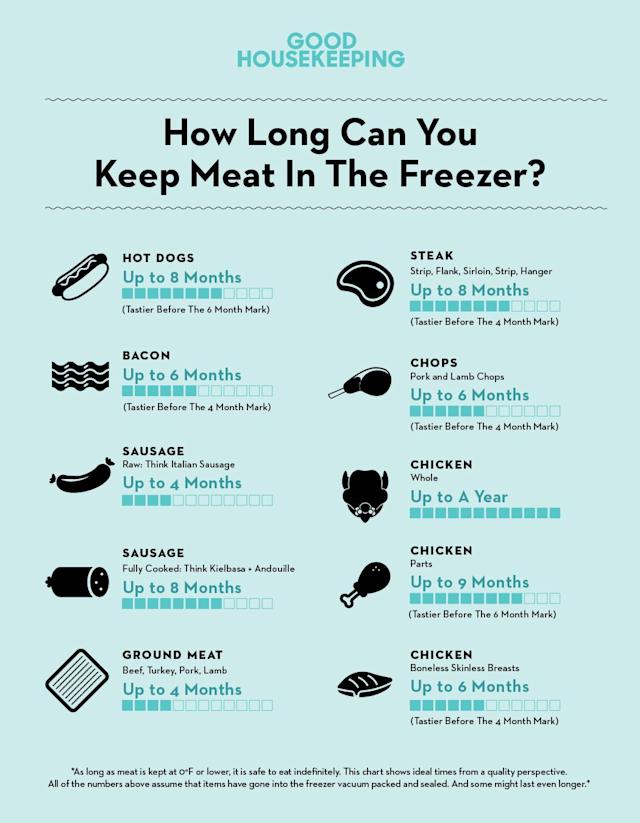
Knowing how long vacuum sealed food lasts in the freezer helps you plan meals better and reduce waste. Vacuum sealing removes air, which slows down freezer burn and preserves quality longer. But storage times vary widely depending on the type of food you’re freezing.
Meat And Poultry
Vacuum sealed meat and poultry can last much longer than when stored in regular packaging. Beef, pork, and lamb typically keep their best quality for up to 2-3 years. Chicken and turkey maintain flavor and texture for about 1-2 years.
Keep an eye on color and smell when thawing. If anything seems off, it’s better to be safe and discard it. Have you ever kept vacuum sealed steak for over a year and been surprised by how fresh it tasted?
Seafood
Seafood is more delicate, so freezer times are shorter even with vacuum sealing. Fish like salmon or cod can last around 1-2 years. Shellfish, such as shrimp or scallops, stay good for about 6-12 months.
Freezer burn can affect texture here, so vacuum sealing really helps. Remember that freshness before freezing matters a lot for seafood quality later.
Fruits And Vegetables
Fruits and vegetables last 1-2 years vacuum sealed, depending on the type. Berries and soft fruits are best consumed within a year, while sturdier veggies like carrots or green beans can last closer to 2 years.
Blanching vegetables before freezing can improve texture after thawing. Do you notice a difference in taste between vacuum sealed and non-sealed frozen berries?
Dairy Products
Dairy doesn’t freeze as well as other foods but vacuum sealing can extend its freezer life. Hard cheeses can last up to 6 months, while butter stays fresh for about a year.
Milk and cream are trickier; freezing can change their texture, so use them in cooking rather than drinking after thawing.
Prepared Meals And Leftovers
Vacuum sealed homemade meals and leftovers can last 2-3 times longer than in regular containers. Most cooked dishes keep their quality for 1-2 years if sealed properly.
Be sure to cool meals completely before sealing to avoid condensation and ice crystals. How often do you vacuum seal your leftovers to save time on busy days?
Factors Affecting Freezer Life
Several factors influence how long vacuum sealed food stays fresh in the freezer. Understanding these elements helps maximize food quality and safety. The freezer life depends on storage conditions and preparation methods. Paying attention to key points can extend your food’s shelf life significantly.
Freezer Temperature
Freezer temperature plays a vital role in food preservation. The ideal temperature is 0°F (-18°C) or lower. This slows down bacteria growth and enzyme activity. Fluctuating temperatures can cause freezer burn and spoilage. Keep the freezer closed to maintain a steady temperature.
Food Freshness Before Sealing
Fresh food lasts longer when vacuum sealed and frozen. Using fresh ingredients prevents early spoilage. Avoid sealing food that is already close to expiration. Proper cleaning and trimming also improve freezer life. The fresher the food, the better it freezes.
Vacuum Seal Quality
Good seal quality keeps air out and moisture in. A strong, airtight seal prevents freezer burn and dehydration. Check for leaks or weak spots in the bag. Use high-quality vacuum bags or containers. Proper sealing extends the food’s freezer life by weeks or months.

Credit: angusmeatsdirect.com
Signs Of Spoiled Vacuum Sealed Food
Vacuum sealing extends food’s freezer life by blocking air and bacteria. Despite this, food can still spoil if frozen too long or stored improperly. Recognizing spoiled vacuum sealed food keeps you safe and reduces waste. Watch for clear signs before cooking or eating.
Visual Changes
- Look for color shifts like dullness or dark spots.
- Frost buildup inside the package may show freezer burn.
- Swollen or bulging bags suggest gas from bacteria.
- Cloudy liquids inside indicate food breakdown.
Odor Indicators
- Smell the food after opening the seal.
- Sour, rancid, or off-putting odors mean spoilage.
- Fresh food smells weak or neutral, not strong.
- Any strange or chemical smells signal danger.
Texture Differences
- Frozen food should feel firm and solid.
- Soft, slimy, or sticky textures warn of decay.
- Crystals or ice patches inside can change texture.
- Dry or crumbly food may have freezer damage.
Best Practices For Vacuum Sealing And Freezing
Vacuum sealing and freezing food properly helps keep it fresh longer. It stops air from spoiling the food and reduces freezer burn. Following best practices ensures your food stays tasty and safe. Proper steps make a big difference in preserving quality and flavor.
Proper Packaging Techniques
Choose bags made for vacuum sealing to prevent leaks. Avoid overfilling the bags to allow proper sealing. Leave some space at the top for sealing. Remove as much air as possible before sealing the bag. Use a clean, dry surface to seal the bags. Double seal thick or liquid-heavy items for extra protection.
Labeling And Dating
Write the name of the food on each bag. Include the date when you sealed it. Use a permanent marker to avoid smudging. Labeling helps track how long food stays in the freezer. It prevents eating spoiled or old items. Keep a list of sealed foods and their dates for easy reference.
Safe Thawing Methods
Thaw food in the refrigerator for best safety. This keeps food at a safe temperature during thawing. Use cold water thawing for faster results, changing water every 30 minutes. Avoid thawing food at room temperature to stop bacteria growth. Cook thawed food immediately to maintain safety and taste.
Common Mistakes To Avoid
Vacuum sealing helps preserve food longer in the freezer. Avoiding common mistakes ensures your food stays fresh and safe. Small errors can cause freezer burn or spoilage. Learn what to watch out for to extend your food’s life.
Improper Sealing
Seal bags tightly to remove all air. Air inside causes freezer burn and reduces freshness. Check for holes or weak spots in the bag. Use a good vacuum sealer and proper bags for best results.
Freezing Warm Food
Cool food before sealing and freezing it. Warm food raises freezer temperature and causes ice crystals. These crystals damage texture and flavor. Let food reach room temperature or chill in the fridge first.
Ignoring Storage Guidelines
Follow recommended storage times for each food type. Overstoring can lead to spoilage and loss of nutrients. Label bags with date and contents to track freshness. Rotate older items to use them first.
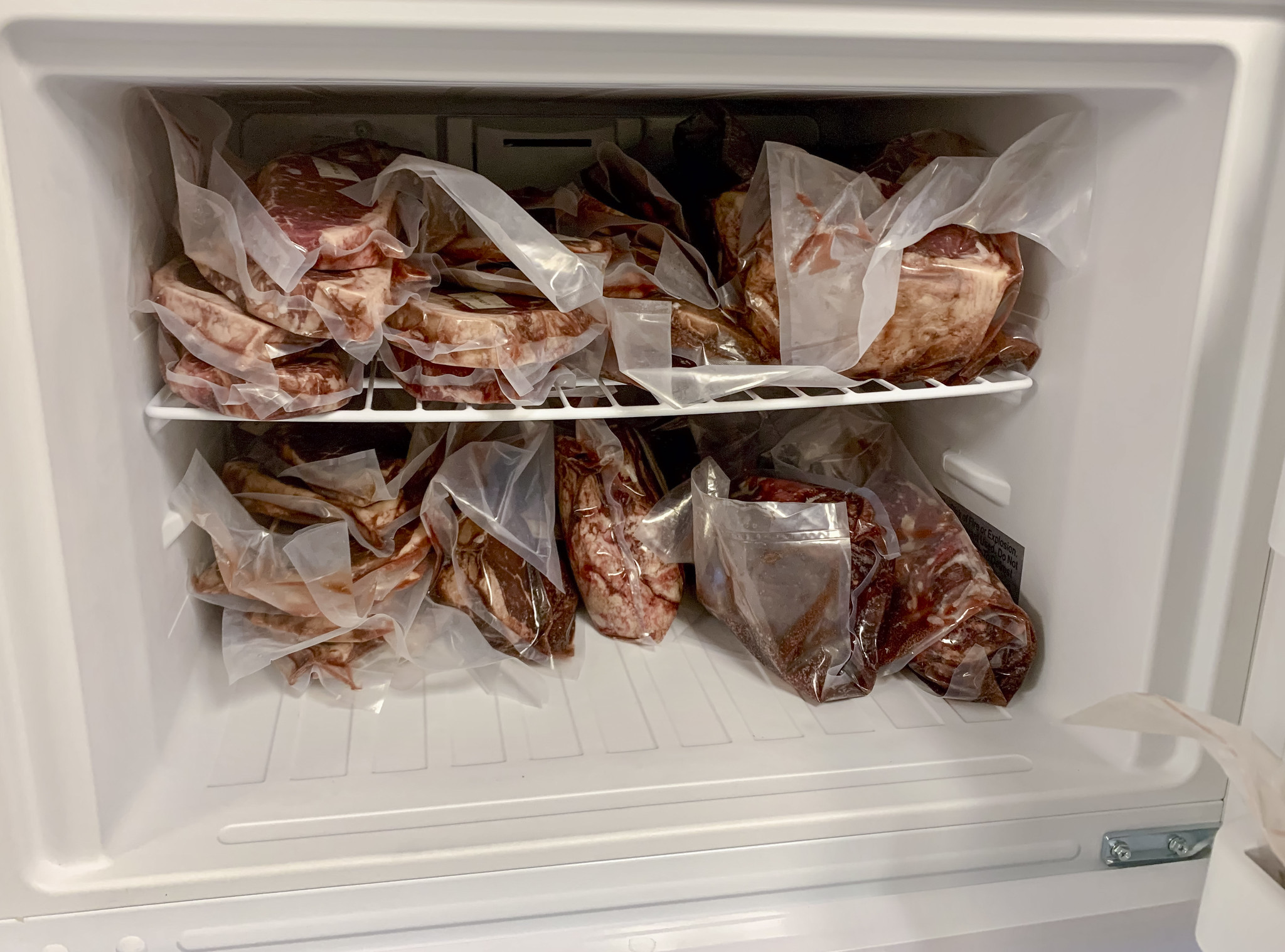
Credit: hpj.com
Frequently Asked Questions
How Long Does Vacuum Sealed Food Last In The Freezer?
Vacuum sealed food can last 2 to 3 years in the freezer. This method slows freezer burn and preserves freshness longer than regular storage.
Does Vacuum Sealing Extend Freezer Food Shelf Life?
Yes, vacuum sealing removes air, reducing oxidation and freezer burn. It significantly extends shelf life compared to traditional freezing.
Can Vacuum Sealing Preserve All Types Of Freezer Food?
Most foods freeze well with vacuum sealing, including meat, vegetables, and fruits. Some high-moisture items may require blanching before sealing.
How To Tell If Vacuum Sealed Frozen Food Is Spoiled?
Check for off smells, discoloration, or freezer burn signs. If packaging is bloated or damaged, discard the food for safety.
Conclusion
Vacuum sealing helps food last longer in the freezer. It stops air and moisture from spoiling food quickly. Most vacuum sealed items keep fresh for months, sometimes even a year. Still, always check food for signs of freezer burn or bad smell.
Label packages with dates to track storage time easily. Proper sealing and freezing keep your food safe and tasty. Store smart, eat fresh, and waste less. Simple steps make a big difference in food preservation.