Have you ever found a forgotten package of vacuum-sealed meat at the back of your freezer and wondered if it’s still safe to eat? You’re not alone.
Many people are unsure about how long vacuum-sealed meat can last in the freezer without losing its quality or safety. The good news is that vacuum sealing can significantly extend the shelf life of your meat, but there are still some important factors to consider.
We’ll unravel the mystery of vacuum-sealed meat longevity and provide you with clear guidelines to ensure you’re making the most of your freezer stash. By the end, you’ll have all the knowledge you need to keep your meals delicious and safe. Keep reading to discover the secrets of vacuum-sealed meat preservation.

Credit: www.carnivoresociety.com.au
Vacuum Sealing Basics
Understanding vacuum sealing basics is key to knowing how long your meat will last in the freezer. It’s more than just a gadget—vacuum sealing changes how air interacts with your food, directly affecting freshness and shelf life. Let’s break down what happens when you vacuum seal meat and why it matters for storage.
How Vacuum Sealing Works
Vacuum sealing removes almost all the air from the packaging before sealing it tightly around the meat. Without air, oxygen is minimized, which slows down the growth of bacteria and mold. This process also prevents freezer burn by stopping moisture loss.
Think about how a sealed bag feels firm and snug around the meat—that’s the vacuum pulling out air pockets. This tight seal stops outside contaminants and keeps your meat protected. Have you ever noticed how sealed meat looks fresher longer? That’s because the vacuum seal keeps the environment inside the bag stable.
Benefits For Meat Storage
Vacuum sealing extends the freezer life of meat significantly compared to regular storage methods. It can keep meat fresh for up to 2-3 years in the freezer, while traditional plastic wrap or zip bags only last around 6-12 months.
Besides longevity, vacuum sealing helps maintain flavor and texture. When you open a vacuum-sealed pack, the meat often looks and smells like it was just bought. This means less waste and more meals that taste great.
- Prevents freezer burn:No air means no ice crystals forming on the meat surface.
- Reduces oxidation:Slows down color changes and rancidity.
- Saves space:Vacuum-sealed packages are compact and stack well in your freezer.
Have you ever had freezer-burned meat ruin a meal? Vacuum sealing can help you avoid that frustration and keep your food tasting better for longer.
Freezer Storage Times
Freezer storage times vary depending on the type and quality of meat. Vacuum sealing helps preserve freshness by reducing air exposure. This method extends freezer life beyond traditional wrapping. Proper storage keeps meat safe and maintains flavor for longer periods.
Shelf Life Of Different Meats
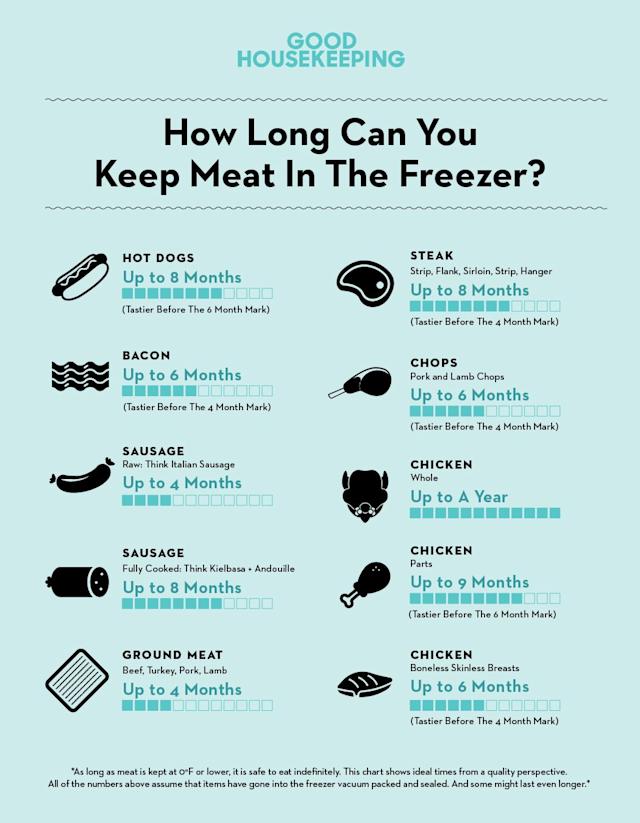
Different meats last different amounts of time in the freezer. Vacuum sealing slows down freezer burn and spoilage.
- Beef: 12 to 24 months
- Pork: 6 to 12 months
- Chicken: 9 to 12 months
- Fish: 6 to 12 months
- Lamb: 6 to 12 months
Ground meats typically have shorter freezer life. Use ground beef or pork within 3 to 4 months for best quality.
Impact Of Meat Cuts And Quality
Meat cuts influence storage time and quality retention. Lean cuts freeze better and last longer than fatty cuts.
Fatty meats develop off-flavors faster even when vacuum sealed. Freshness at freezing matters. Meat frozen soon after purchase lasts longest.
Older or lower-quality meat may degrade faster despite vacuum sealing. Proper freezing technique and consistent temperature are essential.
Factors Affecting Longevity
Several factors influence how long vacuum sealed meat lasts in the freezer. Understanding these helps maintain quality and safety. Proper storage can extend the meat’s shelf life significantly. Each element plays a role in preserving freshness and preventing spoilage.
Freezer Temperature
Freezer temperature is key to meat longevity. The ideal temperature is 0°F (-18°C) or below. At this temperature, bacteria and mold growth slow down. Fluctuating temperatures cause ice crystals, damaging meat texture. A consistent, cold freezer keeps vacuum sealed meat fresh longer.
Packaging Quality
High-quality vacuum sealing removes air effectively. Less air means fewer bacteria and freezer burn risks. Durable bags prevent tears and leaks. Poor sealing lets moisture and air in, reducing shelf life. Check for tight seals and no punctures before freezing.
Initial Meat Freshness
Starting with fresh meat improves freezer storage time. Fresh meat has fewer bacteria and better texture. Freezing old or near-expiry meat locks in lower quality. Always freeze meat as soon as possible after purchase. Freshness at sealing affects the final shelf life.
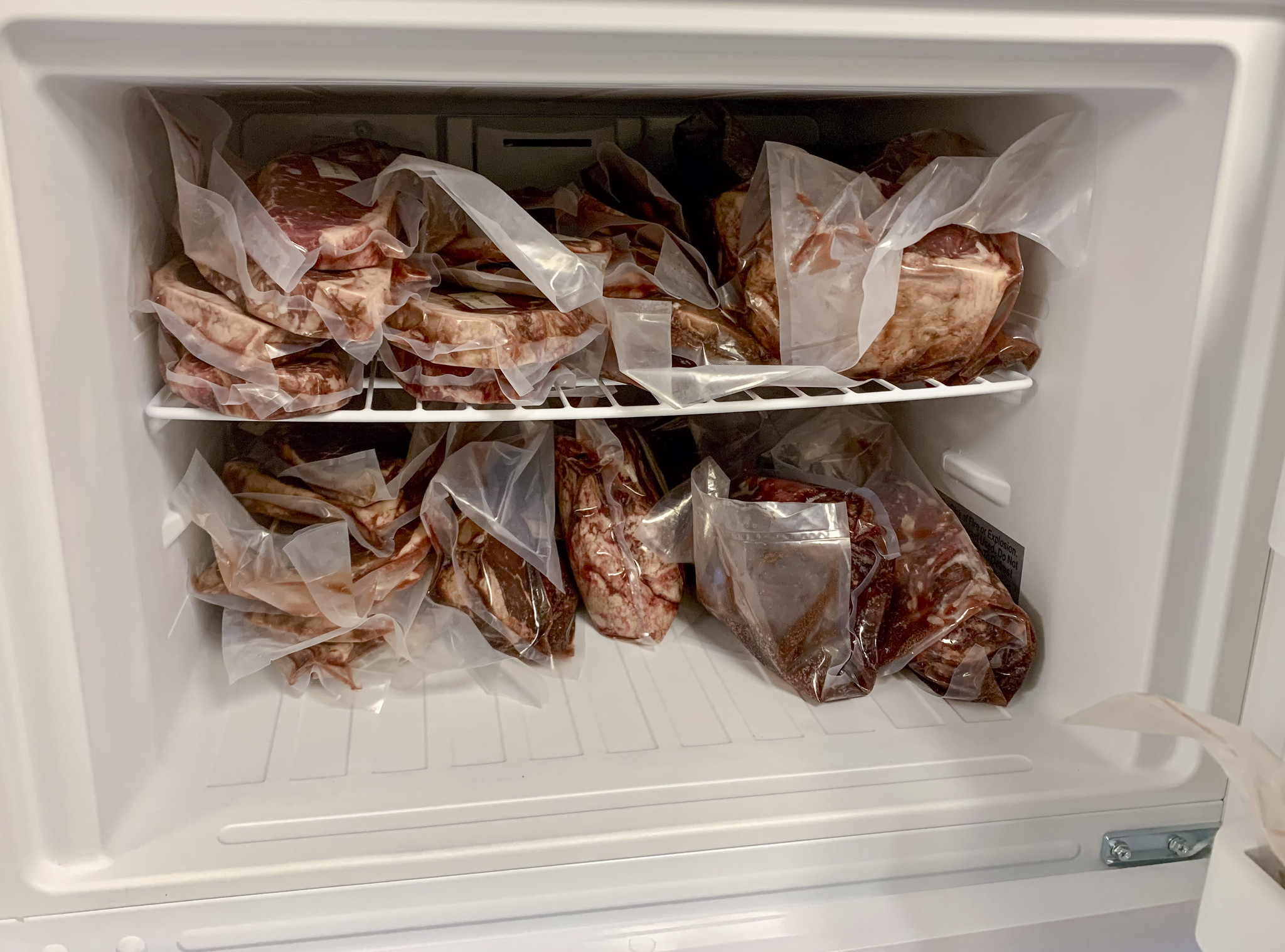
Credit: hpj.com
Signs Of Spoiled Vacuum Sealed Meat
Vacuum sealing helps preserve meat by removing air and slowing spoilage. Still, meat can go bad in the freezer over time. Recognizing signs of spoiled vacuum sealed meat protects your health. Check the meat carefully before cooking or eating. This section explains key signs to watch for.
Visual Changes
- Color shifts from red or pink to brown, gray, or green.
- Surface may look slimy or sticky instead of dry.
- Freezer burn appears as white or grayish spots on the meat.
- Packaging may swell or have leaks, indicating gas build-up.
Smell And Texture Indicators
- Strong sour or rotten odor when package is opened.
- Meat feels mushy or overly soft instead of firm.
- Sticky or tacky texture signals bacterial growth.
- Unusual or off smells mean the meat is unsafe.
Tips To Maximize Freezer Life
Maximizing the freezer life of vacuum sealed meat is not just about freezing it quickly. It also depends on how well you seal, label, and organize your meat packages. Paying attention to these details can keep your meat fresh and tasty for much longer.
Proper Sealing Techniques
Make sure your vacuum sealer removes all the air before sealing. Even a small amount of air can cause freezer burn and reduce the quality of your meat.
Double seal the edges to prevent any leaks or air getting in during freezing. Check the seal by gently pressing on the bag; if it feels loose, reseal it.
Using high-quality vacuum bags designed for freezing helps maintain the seal better than regular plastic bags.
Labeling And Rotation
Always label your vacuum sealed meat with the date you froze it and the type of meat. This simple step helps you keep track of how long it’s been in the freezer.
Implement a “first in, first out” system. Use older packages before newer ones to reduce the chance of meat sitting too long and losing quality.
Think about how often you shop and freeze meat. Can labeling help you plan meals better and avoid waste?
Freezer Organization
Organize your freezer by grouping similar types of meat together. This makes it easier to find what you need quickly without leaving the door open too long.
Keep vacuum sealed packages flat and stacked to save space and help them freeze evenly. Avoid overcrowding your freezer to allow proper air circulation.
Consider using clear bins or containers to separate different meat cuts or meal portions. This small change can save you time and keep your freezer tidy.

Credit: angusmeatsdirect.com
Thawing Vacuum Sealed Meat
Thawing vacuum sealed meat properly is key to maintaining its quality and safety. How you thaw it can affect the texture, flavor, and most importantly, whether it stays safe to eat. Let’s look at some practical ways to thaw your meat without risking spoilage or bacteria growth.
Safe Thawing Methods
Thawing meat in the refrigerator is the safest way. It keeps the meat at a consistent, safe temperature, slowing bacterial growth. Depending on the size, it can take 12 to 24 hours or more, so plan ahead.
If you need to thaw meat faster, submerge the sealed package in cold water. Change the water every 30 minutes to keep it cold. This method usually takes a few hours but never use warm or hot water, as it encourages bacteria to grow.
Microwaving is an option but can start cooking the meat unevenly. If you use this method, cook the meat immediately after thawing to prevent bacteria from multiplying.
Avoiding Bacterial Growth
Bacteria multiply quickly when meat is kept between 40°F and 140°F (4°C to 60°C). Thawing in the fridge or cold water keeps the meat out of this danger zone. Avoid leaving vacuum sealed meat out on the counter, even if it’s sealed tight.
Once thawed, cook the meat within 1-2 days. If you don’t plan to cook it soon, refreeze it right away to avoid waste. Do you often find yourself unsure about how long thawed meat lasts? Keeping track can save you from foodborne illness.
Remember, proper thawing is as important as how you freeze your meat. It preserves flavor and texture while keeping your meals safe and enjoyable every time.
Common Myths About Vacuum Sealing
Vacuum sealing meat is popular for preserving freshness and extending freezer life. Many myths surround this technique, causing confusion about its real effects. Clearing up these myths helps you use vacuum sealing correctly and safely.
Does Vacuum Sealing Cook Meat?
Vacuum sealing does not cook meat. It only removes air around the meat. Cooking requires heat, which vacuum sealing does not provide. The process keeps the meat raw and fresh longer. Do not expect vacuum sealing to replace cooking methods.
Is Vacuum Sealing A Substitute For Freezing?
Vacuum sealing is not a substitute for freezing. It slows down spoilage by reducing air exposure. But it does not stop bacteria growth completely. Freezing is necessary to keep meat safe for months. Vacuum sealing and freezing work best together to extend meat shelf life.
Frequently Asked Questions
How Long Does Vacuum Sealed Meat Last In Freezer?
Vacuum sealed meat can last 2 to 3 years in the freezer. The seal prevents freezer burn and slows down spoilage. Always check for any color or odor changes before use.
Does Vacuum Sealing Extend Meat Freezer Life?
Yes, vacuum sealing significantly extends meat’s freezer life by removing air. This reduces freezer burn and bacterial growth. It helps maintain freshness and texture for a longer period.
Can Vacuum Sealed Meat Spoil In Freezer?
Vacuum sealed meat can spoil if kept too long or improperly stored. Freezer temperature fluctuations or damage to the seal can lead to spoilage. Always inspect meat before cooking.
Is Vacuum Sealed Frozen Meat Safe After Expiration?
Vacuum sealed frozen meat is often safe past the expiration date if stored properly. However, quality and taste may degrade. Use your senses to check for spoilage before consuming.
Conclusion
Vacuum sealing helps meat stay fresh longer in the freezer. It slows down freezer burn and keeps flavor intact. Most vacuum sealed meats last from one to three years frozen. Always check the meat’s color and smell before cooking. Use a freezer thermometer to keep the temperature steady.
Proper storage saves money and reduces food waste. Store meat in small portions for easy thawing. Remember, safe handling keeps your meals healthy and tasty. Vacuum sealing is a simple way to extend meat’s freezer life.