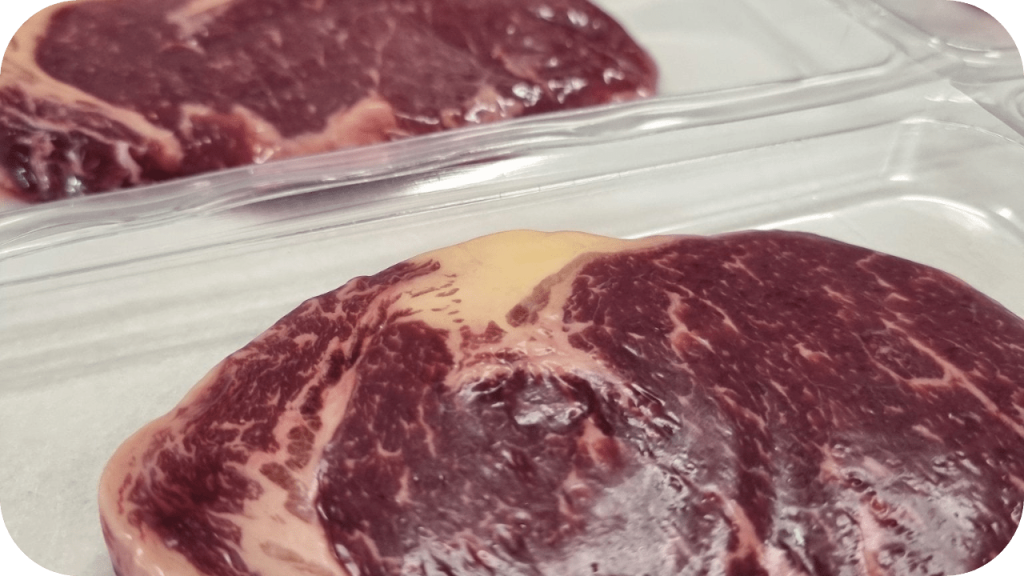
Have you ever wondered just how long vacuum sealed meat can last in your fridge? Picture this: you finally bought that bulk pack of steaks on sale, eager to enjoy them over the next few weeks.
But now you’re left wondering if they’ll stay fresh long enough. The good news is that vacuum sealing can extend the shelf life of meat significantly. But how long is “significantly”? In this blog post, we’ll uncover the science behind vacuum sealing and how it affects the freshness of your meat.
You’ll discover practical tips for maximizing the lifespan of your vacuum sealed treasures, saving you time and money. Stick around to learn how to keep your meals deliciously fresh and avoid the dreaded fridge purge. Let’s dive in, so you can make the most of your grocery haul!

Credit: angusmeatsdirect.com
Vacuum Sealing Basics
Vacuum sealing is a popular method to keep meat fresh longer. It removes air from the packaging, which slows down spoilage. This simple process helps maintain meat quality and flavor. Understanding vacuum sealing basics helps store meat safely in the fridge.
What Is Vacuum Sealing
Vacuum sealing removes air from a plastic bag or container. A machine creates a tight seal around the meat. This stops oxygen from reaching the food. Without air, bacteria and mold grow much slower. The sealed package also protects meat from freezer burn and drying out.
Benefits For Meat Preservation
- Extends meat freshness by days or weeks
- Prevents freezer burn and moisture loss
- Reduces exposure to bacteria and mold
- Keeps meat texture and flavor intact
- Saves space in the fridge or freezer
Vacuum sealing is an easy way to keep meat fresh longer. It helps reduce food waste and saves money. Proper sealing and storage can make a big difference.
Shelf Life Of Vacuum Sealed Meat
Understanding the shelf life of vacuum sealed meat is essential for both food safety and reducing waste. Vacuum sealing removes air, which slows down bacterial growth and helps meat stay fresher longer. But how long can you really keep vacuum sealed meat in your fridge before it starts to spoil?
Fresh Meat Duration
Vacuum sealed fresh meat lasts significantly longer than meat stored in traditional packaging. Typically, fresh vacuum sealed meat can stay good for about 1 to 2 weeks in the fridge at 34-38°F (1-3°C).
This is a big improvement compared to the 3 to 5 days fresh meat usually lasts without vacuum sealing. Still, always check for any off smells or slimy textures before cooking.
Cooked Meat Duration
Cooked meat that is vacuum sealed will also last longer in your fridge. Generally, you can expect vacuum sealed cooked meat to last about 2 weeks, compared to 3-4 days for non-sealed leftovers.
This means you can prepare meals ahead of time and safely store them without rushing to eat. Have you tried batch cooking and vacuum sealing? It can save you time and money while keeping your meals fresh.
Frozen Vs Refrigerated Storage
Vacuum sealing really shines when it comes to frozen storage. While vacuum sealed meat lasts only 1-2 weeks in the fridge, freezing it can extend its shelf life to several months—often 6 months or more.
In the fridge, the cold temperature slows bacteria but doesn’t stop it entirely. Freezing, combined with vacuum sealing, halts bacterial growth and prevents freezer burn.
| Storage Type | Fresh Meat | Cooked Meat |
|---|---|---|
| Refrigerator (Vacuum Sealed) | 1-2 weeks | 2 weeks |
| Freezer (Vacuum Sealed) | 6-12 months | 2-3 months |
Ask yourself: how often do you check your fridge for expiration dates? Vacuum sealing can give you more flexibility, but it’s still important to store meat at the right temperature and consume it within safe timeframes.
Factors Affecting Meat Longevity
Several factors influence how long vacuum sealed meat stays fresh in the fridge. Knowing these helps you store meat safely and reduce waste.
Different types and cuts of meat vary in shelf life. The fridge’s temperature plays a big role too. The quality of vacuum sealing affects meat freshness as well.
Meat Type And Cut
Red meats like beef and lamb last longer than poultry or fish. Fatty cuts spoil faster due to higher oil content. Lean cuts stay fresh a bit longer under vacuum sealing. Ground meat has a shorter shelf life than whole cuts. Freshness depends on the meat’s original quality too.
Fridge Temperature
Keeping the fridge at or below 40°F (4°C) slows bacterial growth. Warmer temperatures speed up spoilage. Constant, low temperatures are key for vacuum sealed meat. Avoid frequent opening of the fridge to keep temperature stable. Use a fridge thermometer to monitor the temperature accurately.
Packaging Quality
Air-tight vacuum sealing prevents oxygen from spoiling meat. Poor sealing allows air in, causing faster decay. Use good quality vacuum bags or rolls for best results. Check for holes or tears before storing meat. Proper sealing keeps moisture in and bacteria out.

Credit: www.carnivoresociety.com.au
Signs Of Spoiled Vacuum Sealed Meat
Knowing the signs of spoiled vacuum sealed meat is key to food safety. Meat sealed in vacuum packaging lasts longer, but it still can go bad. Spoiled meat can cause illness if eaten. Watch for clear signs to avoid risks and waste.
Visual Indicators
- Discoloration: Meat may turn gray, green, or brown.
- Cloudy liquid: Excessive liquid inside the package signals spoilage.
- Mold spots: White, green, or black mold appears on the surface.
- Swollen packaging: Air trapped inside means bacterial growth.
Odor Changes
- Sour smell: A sharp, sour odor is a strong spoilage sign.
- Rotten smell: Foul, putrid odors indicate harmful bacteria.
- Off smell: Any strange or unusual scent means the meat is unsafe.
Texture Differences
- Sticky or slimy feel: Surface becomes slippery or tacky to touch.
- Soft or mushy: Meat loses firmness and feels mushy.
- Dry edges: Meat dries out and looks tough around the edges.
Tips To Extend Meat Freshness
Keeping vacuum-sealed meat fresh in the fridge requires careful attention. Small actions can make a big difference in how long your meat stays good. Follow simple tips that help slow spoilage and keep flavors intact.
Proper Sealing Techniques
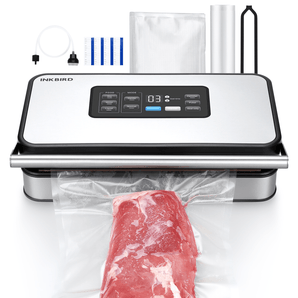
Ensure the bag is completely sealed with no air inside. Air pockets let bacteria grow faster. Use a vacuum sealer designed for meat to get the best results. Double-check the seal after sealing to avoid leaks. If needed, use a high-quality vacuum bag made for freezing and refrigeration.
Optimal Fridge Settings
Set your fridge temperature between 32°F and 40°F (0°C to 4°C). This range slows bacterial growth. Keep the fridge organized to allow good air circulation. Avoid frequent door opening to maintain stable cold temperatures. Place meat in the coldest part of the fridge, usually at the back or bottom shelf.
Handling And Storage Practices
- Keep meat cold before sealing by chilling it in the fridge first.
- Store vacuum-sealed meat separately from strong-smelling foods to avoid odor transfer.
- Label packages with dates to track freshness easily.
- Use clean hands and utensils to prevent contamination during handling.
- Consume vacuum-sealed meat within recommended time frames for best safety.
Credit: inkbird.com
Comparing Vacuum Sealing With Other Methods
Vacuum sealing stands out for preserving meat longer than many common methods. It removes air, which slows down bacteria growth and freezer burn. Other storage options protect meat but not as effectively. Comparing these methods helps understand why vacuum sealing lasts longer in the fridge.
Plastic Wrap And Foil
Plastic wrap and foil are simple, easy to use options. They cover meat but do not remove air. Air can cause meat to spoil faster in the fridge. These wraps offer short-term protection, usually a few days. They do not prevent freezer burn if frozen. Meat wrapped this way may dry out and lose flavor quickly.
Freezing Without Vacuum Sealing
Freezing meat without vacuum sealing slows bacteria but does not stop it. Air in the packaging causes freezer burn and moisture loss. Meat stored this way may last a few months. Texture and taste can suffer from ice crystals forming. Vacuum sealing before freezing keeps meat fresher and tastier for longer periods.
Common Mistakes To Avoid
Vacuum sealing meat is a fantastic way to extend its freshness, but mistakes can still happen. These errors can drastically shorten the shelf life of your meat, even if it’s sealed properly. Avoiding common pitfalls ensures you get the most out of your vacuum-sealed meat in the fridge.
Improper Sealing
Nothing ruins vacuum-sealed meat faster than a poor seal. If the bag isn’t completely airtight, moisture and air sneak in, speeding up spoilage. Have you ever noticed your sealed meat bags puffing up? That’s a clear sign of a bad seal.
Make sure the sealing strip is clean and dry before sealing. Also, don’t overload the bag with too much meat, as this can prevent a proper seal. It’s worth taking the extra minute to check your seals for any gaps or wrinkles.
Overloading The Fridge
Stuffing your fridge full of vacuum-sealed bags might seem like a good storage hack, but it can backfire. Overloading reduces airflow, causing uneven temperatures and hotspots where bacteria thrive. Have you ever felt your fridge struggling to stay cold?
Keep your fridge organized with enough space around packages to let cold air circulate. This simple step helps maintain a consistent temperature, keeping your meat safe for longer. Remember, a crowded fridge is an invitation for faster spoilage.
Ignoring Expiration Dates
Vacuum sealing can extend meat’s shelf life, but it doesn’t stop the clock completely. Ignoring expiration or “use by” dates can lead to consuming spoiled meat, risking foodborne illness. Think about the last time you kept meat past its date—did it look or smell right?
Always label your vacuum-sealed packs with the date you sealed them. Rotate your stock by using the oldest meat first to avoid wastage. This habit helps you stay safe and enjoy meat at its best quality.
Frequently Asked Questions
How Long Does Vacuum Sealed Meat Last In The Fridge?
Vacuum sealed meat lasts 1 to 2 weeks in the fridge. The vacuum seal slows bacterial growth and oxidation, extending freshness compared to regular storage. Always check for spoilage signs before use.
Does Vacuum Sealing Extend Meat’s Fridge Shelf Life?
Yes, vacuum sealing extends meat’s fridge shelf life by 2 to 3 times. It removes air, reducing spoilage and freezer burn. Proper refrigeration is still essential to maintain safety and quality.
Can Vacuum Sealed Meat Spoil In The Fridge?
Yes, vacuum sealed meat can spoil if kept too long or stored improperly. Always refrigerate below 40°F (4°C) and consume within recommended time frames to avoid spoilage and foodborne illness.
What Types Of Meat Last Longest Vacuum Sealed In Fridge?
Beef and pork last longer vacuum sealed in the fridge, typically up to 2 weeks. Poultry and fish generally have shorter fridge shelf lives, around 7 days. Always follow safety guidelines for each meat type.
Conclusion
Vacuum sealing helps meat stay fresh longer in the fridge. Usually, vacuum sealed meat lasts about 1 to 2 weeks. Always check the meat’s color and smell before cooking. Keep your fridge at the right temperature for best results. Proper storage reduces waste and saves money.
Knowing how long meat stays good keeps your meals safe. Store meat carefully and enjoy fresh, tasty dishes every time. Simple steps make a big difference for your food’s freshness.