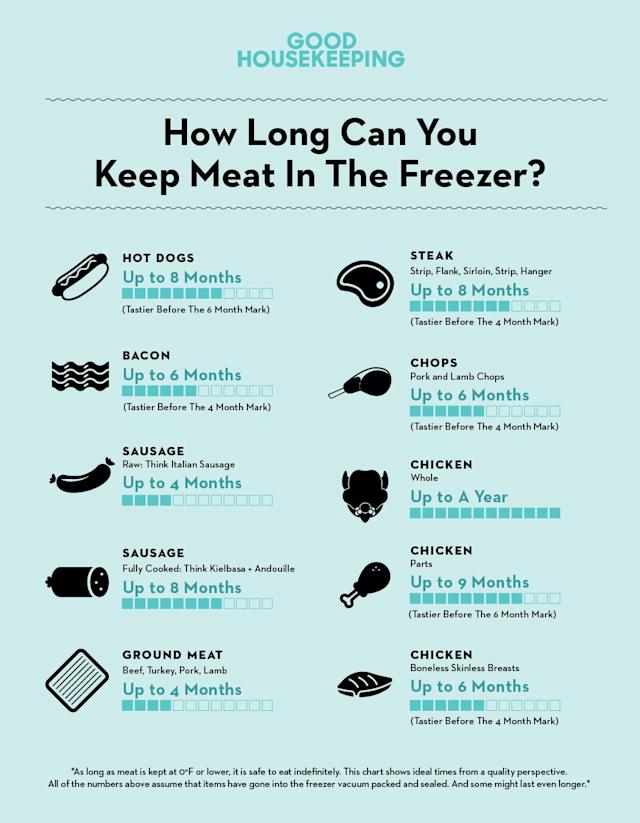
Have you ever wondered how long vacuum sealed meat can last in your freezer? If you’re like most people, you want to make the most of your groceries and save money by reducing waste.
Vacuum sealing is a game-changer for preserving food, but understanding exactly how long your meat stays fresh is crucial. Imagine opening your freezer to find perfectly preserved cuts of meat ready to cook, instead of questionable leftovers. By the end of this article, you’ll have a clear understanding of how to maximize the shelf life of your vacuum sealed meat.
Ready to become a freezer storage expert and ensure your meals are always delicious and safe? Let’s dive in!
Benefits Of Vacuum Sealing Meat
Vacuum sealing meat offers many benefits for storage and quality. It removes air, which helps keep meat fresh longer. This process protects meat from damage and maintains its natural taste. Vacuum sealing is a simple way to save money and reduce waste.
Extended Shelf Life
Vacuum sealing greatly increases the time meat lasts in the freezer. By removing air, it slows down spoilage and bacterial growth. Meat can stay fresh for months without losing quality. This helps you store large amounts safely for future use.
Preservation Of Flavor And Texture
Meat kept in vacuum-sealed bags keeps its original flavor better. The sealed environment stops moisture loss, which keeps meat juicy. It also prevents freezer odors from affecting the taste. Texture stays tender because the meat is protected from drying out.
Prevention Of Freezer Burn
Freezer burn occurs when meat is exposed to air and moisture. Vacuum sealing removes air, stopping freezer burn before it starts. This keeps the meat’s surface smooth and fresh-looking. You avoid tough, dry patches that ruin the eating experience.
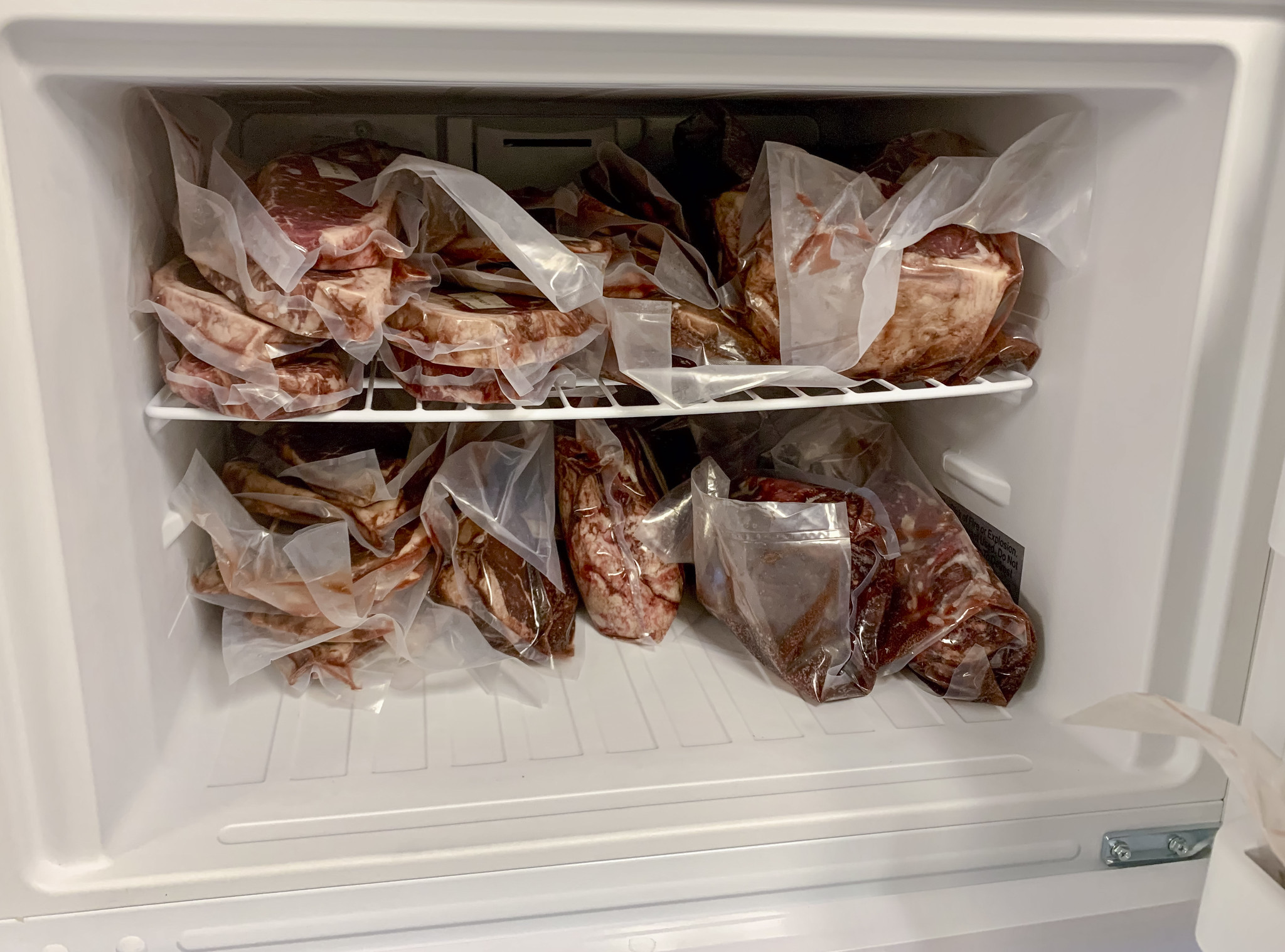
Credit: hpj.com
Factors Influencing Meat Longevity
Several factors affect how long vacuum sealed meat lasts in the freezer. These elements impact the meat’s texture, flavor, and safety over time. Understanding them helps keep your meat fresh and tasty for longer.
Type Of Meat
Different meats have different freezer shelf lives. Red meats like beef and lamb last longer than poultry or fish. Fatty cuts may spoil faster due to fat oxidation. Lean cuts freeze better and stay fresh for months.
Quality Before Sealing
Fresh, high-quality meat lasts longer after vacuum sealing. Meat close to its expiration date won’t keep as well. Freezing fresh meat preserves taste and texture. Always check meat quality before sealing to extend freezer life.
Freezer Temperature
Consistent freezer temperature is key for meat longevity. The ideal temperature is 0°F (-18°C) or lower. Fluctuating temperatures cause ice crystals to form, damaging meat fibers. Proper freezing slows bacterial growth and maintains quality.
Storage Times For Vacuum Sealed Meat
Vacuum sealing extends the freezer life of meat by removing air. This slows down spoilage and freezer burn. Different types of meat last for varying times when vacuum sealed. Proper storage keeps meat safe and tasty for months. Here are typical storage times for vacuum sealed meat in the freezer.
Beef
Vacuum sealed beef can last much longer than fresh beef. You can store it in the freezer for 1 to 3 years. Steaks and roasts keep best around 1 to 2 years. Ground beef lasts about 1 year without losing quality. The vacuum seal keeps the meat fresh and flavorful.
Pork
Vacuum sealed pork stays good in the freezer for 1 to 2 years. Chops, roasts, and ribs hold their quality well for up to 2 years. Ground pork should be used within 1 year for best taste. Proper sealing prevents freezer burn and moisture loss.
Poultry
Vacuum sealed chicken and turkey last longer than fresh poultry. Whole birds keep for 1 to 2 years in the freezer. Cuts like breasts and thighs stay fresh for about 1 year. Ground poultry should be used within 9 months. The vacuum seal protects poultry from freezer damage.
Fish And Seafood
Fish and seafood have shorter storage times, even when vacuum sealed. Fatty fish like salmon last about 6 to 12 months. Lean fish such as cod can keep up to 1 year. Shellfish and shrimp stay fresh for 6 to 12 months. Vacuum sealing helps lock in flavor and texture.
Signs Of Spoiled Vacuum Sealed Meat
Knowing the signs of spoiled vacuum sealed meat helps keep your food safe. Spoiled meat can cause illness and has a bad taste. Learning to spot these signs saves money and avoids health risks. Always check your meat before cooking or eating it.
Visual Indicators
- Color changes to gray, green, or brown suggest spoilage.
- Surface slime or sticky film is a bad sign.
- Ice crystals inside the package may indicate freezer burn.
- Package bloating or swelling can mean gas buildup from bacteria.
Smell Changes
- Sour or rotten odor signals spoiled meat.
- Strong ammonia-like smell is a warning.
- Fresh meat usually has little to no smell.
Texture Differences
- Meat feels slimy or sticky to the touch.
- Soft or mushy texture means decay.
- Dry or tough spots can result from freezer damage.
Best Practices For Freezing Meat
Freezing meat properly preserves its freshness and flavor for longer. Following best practices helps avoid spoilage and freezer burn. It also keeps the meat safe to eat. Simple steps like sealing, labeling, and temperature control make a big difference.
Proper Sealing Techniques
Seal meat tightly to prevent air exposure. Use vacuum sealers designed for food storage. Remove as much air as possible before sealing. Double-check the seal for any leaks or holes. Proper sealing stops freezer burn and slows down spoilage.
Labeling And Dating Packages
Always label packages with the type of meat and freezing date. Use a permanent marker on the vacuum bag or tape a label. This helps track storage time and ensures you use older meat first. Avoid guessing how long meat has been frozen.
Maintaining Consistent Freezer Temperature
Keep your freezer at 0°F (-18°C) or lower. Fluctuating temperatures can cause ice crystals and spoil meat. Avoid opening the freezer door often or for long periods. A stable temperature helps keep meat fresh and safe for months.

Credit: angusmeatsdirect.com
Thawing Vacuum Sealed Meat Safely
Thawing vacuum sealed meat safely is important to keep it fresh and avoid germs. Proper thawing stops bacteria from growing and keeps the meat tasty. Using the right method helps keep the meat’s texture and flavor intact. Below are safe ways to thaw vacuum sealed meat.
Refrigerator Thawing
Place the vacuum sealed meat in the fridge to thaw slowly. This keeps the meat at a safe temperature under 40°F (4°C). It takes time, usually 12 to 24 hours depending on the meat size. This method keeps meat fresh and ready to cook.
Cold Water Method
Submerge the vacuum sealed meat in cold water. Change the water every 30 minutes to keep it cold. This method thaws meat faster than the fridge, usually in a few hours. Make sure the seal is tight to stop water from entering.
Avoiding Room Temperature Thawing
Do not thaw vacuum sealed meat at room temperature. Warm air allows bacteria to grow quickly on meat. This increases the risk of foodborne illness. Always use refrigerator or cold water methods for safe thawing.

Credit: www.carnivoresociety.com.au
Frequently Asked Questions
How Long Does Vacuum Sealed Meat Last In Freezer?
Vacuum sealed meat can last 1 to 3 years in the freezer. This extends freshness by preventing air exposure and freezer burn. Proper sealing and consistent freezing temperatures are essential for maximum shelf life.
Does Vacuum Sealing Prevent Freezer Burn On Meat?
Yes, vacuum sealing significantly reduces freezer burn. It removes air that causes dehydration and ice crystals on meat surfaces. This keeps texture, flavor, and moisture intact longer compared to traditional freezing methods.
Can Vacuum Sealed Meat Be Refrozen Safely?
Vacuum sealed meat can be safely refrozen if thawed properly in the refrigerator. Avoid refreezing if meat was left out at room temperature. Refreezing may slightly reduce quality but remains safe if handled correctly.
What Types Of Meat Last Longest Vacuum Sealed?
Beef, pork, and lamb last longest vacuum sealed in the freezer, up to 3 years. Poultry and fish generally last 1 to 2 years. Fat content and meat cut affect storage duration.
Conclusion
Vacuum sealing helps meat stay fresh longer in the freezer. It protects meat from air and freezer burn. Most vacuum sealed meats last 1 to 3 years frozen. Still, always check for signs of spoilage before cooking. Proper sealing and freezing keep quality and flavor intact.
Store vacuum sealed meat at a steady, cold temperature. This simple step saves money and reduces food waste. Keep your freezer organized and label packages with dates. Fresh, vacuum sealed meat makes meal prep easier and safer.