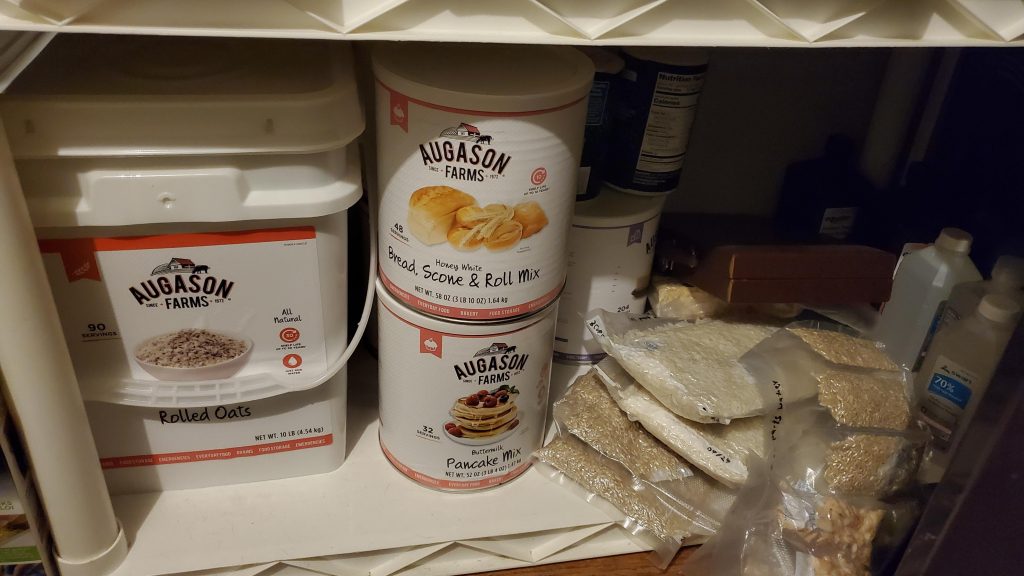
Have you ever found a forgotten bag of rice tucked away in your pantry and wondered if it’s still good to eat? You’re not alone.
Understanding how long vacuum sealed rice lasts can be a game changer for your kitchen storage habits. Imagine the convenience of having rice that stays fresh for years, saving you money and reducing waste. Whether you’re stocking up for emergencies or just want to make the most of your grocery budget, knowing the shelf life of vacuum sealed rice is crucial.
Dive into this guide to discover how you can maximize your rice’s longevity and ensure that every meal you prepare is as fresh and delicious as possible.
Shelf Life Of Vacuum Sealed Rice
Understanding the shelf life of vacuum sealed rice is essential for anyone who wants to keep their pantry stocked without worrying about spoilage. Vacuum sealing removes air, which slows down the oxidation process and prevents moisture from spoiling the rice. But how long can you actually expect your rice to stay fresh and safe to eat under vacuum sealed conditions?
White Rice Longevity
White rice is known for its long shelf life, especially when vacuum sealed. Typically, vacuum sealed white rice can last up to 5 yearsor even longer if stored in a cool, dark place. I once kept a bag of vacuum sealed white rice for nearly 6 years, and it tasted just as fresh as the day I sealed it.
Since white rice has had its husk, bran, and germ removed, it contains fewer oils that can go rancid. This makes it a great option for long-term storage. Just make sure the seal is intact and there’s no moisture inside the packaging.
Brown Rice Duration
Brown rice has a shorter shelf life compared to white rice because it still contains the bran and germ layers, which hold natural oils. These oils can spoil faster, even when vacuum sealed. Generally, vacuum sealed brown rice lasts about 6 months to 1 year.
If you want to extend brown rice’s shelf life, consider refrigerating or freezing the vacuum sealed bags. I’ve noticed that storing brown rice in the freezer after sealing keeps it fresh for over a year without losing flavor or texture.
Factors Affecting Shelf Life
Several factors influence how long your vacuum sealed rice will last:
- Storage temperature:Cooler temperatures slow down spoilage.
- Moisture levels:Any moisture inside the bag can cause mold or bacteria growth.
- Quality of the seal:A broken or weak seal lets in air, reducing shelf life.
- Rice type:As mentioned, white rice lasts longer than brown rice.
Have you ever checked the seal on your vacuum sealed rice months after storage? It’s easy to forget, but a quick inspection can save you from using spoiled rice. How often do you rotate or check your pantry staples?
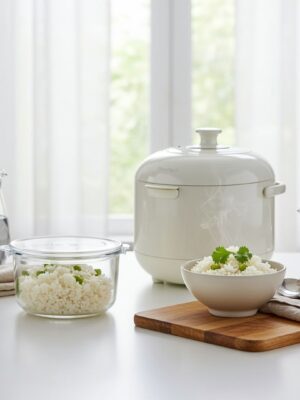
Credit: www.ahealthysliceoflife.com
Benefits Of Vacuum Sealing Rice
Vacuum sealing rice can change how long it stays fresh and usable. This method removes air and seals the rice tightly, giving you several benefits that go beyond just extending shelf life. Understanding these benefits can help you decide if vacuum sealing fits your kitchen habits and storage needs.
Moisture Protection
Rice exposed to moisture often clumps or spoils faster. Vacuum sealing keeps moisture out by creating an airtight barrier. This means your rice stays dry and free from mold or mildew, even in humid climates.
Think about those times when you’ve found rice stuck together or with a strange smell—vacuum sealing prevents that. Keeping rice dry also means you waste less food and save money in the long run.
Pest Prevention
Have you ever opened a bag of rice only to find tiny bugs inside? Vacuum sealing removes the air that pests need to survive and prevents them from getting in. This keeps your rice safe from insects without the need for chemical treatments.
This benefit is especially useful if you buy rice in bulk or store it for months. You don’t have to worry about contamination or unexpected infestations ruining your supply.
Retention Of Nutrients
Rice can lose nutrients over time when exposed to air, light, and humidity. Vacuum sealing slows this process by limiting exposure to these elements. This helps preserve the rice’s natural vitamins and minerals.
Preserving nutrients means every meal you cook with vacuum-sealed rice is more nutritious. If you care about healthy eating, this is a simple way to keep your food quality high without extra effort.
Storage Tips For Vacuum Sealed Rice
Proper storage preserves vacuum sealed rice’s freshness and quality. Follow simple tips to keep it safe from moisture, pests, and spoilage. These steps help your rice last longer and taste better.
Ideal Temperature
Store vacuum sealed rice in a cool place. Temperatures between 50°F and 70°F work best. Avoid heat as it can reduce rice’s shelf life. Do not store rice near ovens or heaters.
Avoiding Light Exposure
Keep rice away from direct sunlight. Light can damage rice and cause it to spoil faster. Use opaque containers or store rice in dark cupboards. This protects rice from UV rays and heat.
Proper Container Use
Use airtight containers for vacuum sealed rice. Plastic or glass containers with tight lids work well. Avoid containers that allow air or moisture inside. This keeps rice dry and free from pests.

Credit: cwstoryteller.medium.com
Signs Rice Has Gone Bad
Knowing how to spot signs that vacuum sealed rice has gone bad can save you from unpleasant meals and potential health issues. Even with vacuum sealing, rice can spoil if stored too long or exposed to moisture. Paying close attention to changes in appearance, smell, and texture helps you decide if the rice is still good to use.
Visual Changes
One of the easiest ways to tell if your rice has spoiled is by looking at it carefully. If you notice any discoloration, such as dark spots or yellowing grains, it’s a red flag. Mold or tiny black specks inside the sealed bag are clear signs that the rice is no longer safe to eat.
Also, check for clumping or unusual moisture buildup inside the packaging. Rice should be dry and separate; clumps suggest moisture has gotten in, encouraging bacterial growth.
Smell Indicators
Fresh rice has a neutral or slightly nutty aroma. If you open the vacuum seal and detect a sour, musty, or rancid smell, it means the rice has spoiled. Trust your nose here—if it smells off, don’t risk eating it.
Sometimes, stale rice may smell faintly like old cardboard, which indicates it has lost freshness and flavor, even if it’s not dangerous to eat.
Texture Differences
Rice that has gone bad often feels different when you touch or cook it. If the grains are sticky, slimy, or unusually hard, they are probably spoiled. Good quality rice feels dry and firm before cooking, and soft but separate after cooking.
Have you ever cooked rice that turned out mushy or uneven? It could be a sign that the rice has absorbed moisture during storage or started to degrade.
Vacuum Sealing Process For Rice
Vacuum sealing rice extends its shelf life by removing air and moisture. This process protects rice from pests, mold, and spoilage. Proper vacuum sealing keeps rice fresh for months or even years. Understanding the right way to seal rice ensures the best results.
Choosing The Right Equipment
Select a vacuum sealer designed for dry foods. Look for models with strong suction power. Bags made from thick, BPA-free plastic work best. Choose bags that are compatible with your vacuum sealer. Reusable bags save money and reduce waste. Check for a seal strip that creates an airtight closure.
Step-by-step Sealing
- Measure the rice and place it in the vacuum bag.
- Leave extra space at the top for sealing.
- Place the open bag edge into the vacuum sealer.
- Start the vacuum to remove all air from the bag.
- The machine seals the bag tightly to prevent air entry.
- Remove the sealed bag and check for any leaks.
Store the sealed rice in a cool, dark place for best preservation.
Common Mistakes To Avoid
- Using thin bags that can easily puncture.
- Overfilling bags, which prevents proper sealing.
- Not removing enough air, leading to spoilage.
- Sealing wet or damp rice, causing mold growth.
- Ignoring small tears or holes in bags.
- Not labeling sealed bags with dates.
Fix these mistakes to keep rice fresh longer and safer.
Comparing Vacuum Sealing With Other Storage Methods
Vacuum sealing rice preserves freshness longer than many common storage methods. It removes air, slowing down spoilage and insect growth. Other methods still protect rice but usually allow more air and moisture inside. Comparing these options helps find the best way to keep rice fresh and tasty.
Plastic Bags Vs Vacuum Sealed
Plastic bags are easy and cheap for storing rice. They protect rice from dirt but do not remove air. Air can cause rice to go stale faster. Vacuum sealing removes air, making rice last longer. Vacuum sealed rice stays fresh for months beyond regular plastic bags.
Glass Jars And Airtight Containers
Glass jars and airtight containers block moisture and bugs well. They keep rice dry and clean. Still, air inside jars can cause rice to lose flavor over time. Vacuum sealing removes this air, preserving rice better. Airtight containers are good but vacuum sealing extends rice shelf life more.
Freezing Rice
Freezing rice stops spoilage almost completely. It keeps rice fresh for a very long time. However, freezing needs space and power. Thawing rice takes time and can change texture. Vacuum sealing rice before freezing prevents freezer burn and moisture damage. This method combines long storage and quality protection.

Credit: www.foodsaver.com
Frequently Asked Questions
How Long Does Vacuum Sealed Rice Last?
Vacuum sealed rice can last 1 to 2 years at room temperature. Proper sealing prevents moisture and pests, extending shelf life significantly.
Does Vacuum Sealing Extend Rice Freshness?
Yes, vacuum sealing removes air, slowing oxidation and bacteria growth. This keeps rice fresh longer than traditional storage methods.
Can Vacuum Sealed Rice Be Stored In The Freezer?
Yes, freezing vacuum sealed rice further prolongs its shelf life. It can last up to 3 years without quality loss when frozen.
Is Vacuum Sealed Rice Safe After Expiration Date?
Vacuum sealed rice might still be safe after expiration if stored properly. Always check for off smells or discoloration before use.
Conclusion
Vacuum sealed rice can last much longer than regular rice. It stays fresh for up to 1-2 years if stored properly. Keep it in a cool, dry place away from sunlight. Check the seal before using to ensure freshness. This method helps reduce waste and save money.
Always remember to label your packages with the date. Easy to store, vacuum sealed rice is a smart choice for long-term use. Simple steps keep your rice safe and tasty for months. A small effort brings big benefits.