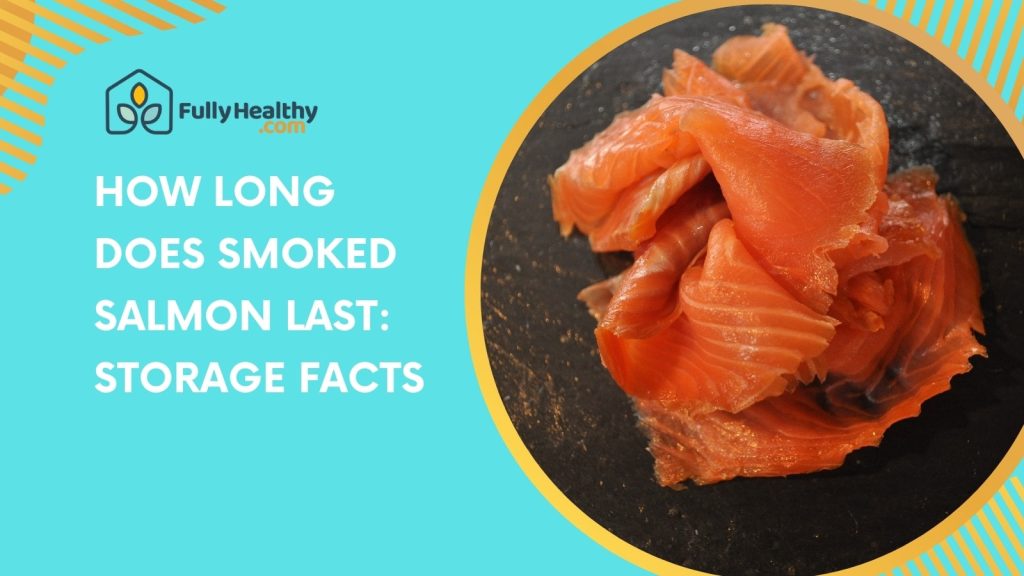
Are you wondering how long vacuum sealed salmon can stay fresh in your freezer? Knowing the right storage time can save you from wasting food and money.
If you keep it too long, the quality and taste might suffer. But if you use it within the right period, your salmon will stay delicious and safe to eat. Keep reading to discover exactly how long your vacuum sealed salmon lasts in the freezer—and learn tips to keep it fresh longer!

Credit: www.reddit.com
Shelf Life Of Vacuum Sealed Salmon
Understanding the shelf life of vacuum sealed salmon is crucial for maintaining its quality and taste. Vacuum sealing is a fantastic way to preserve salmon, locking in its natural flavors and nutrients. But how long can you really keep it in the freezer before it loses its best qualities?
Frozen Storage Duration
Vacuum sealed salmon can last impressively long in the freezer. Typically, you can expect it to maintain its best quality for up to 18-24 months. This extended duration means you can buy in bulk and enjoy salmon meals without frequent trips to the store. However, while it’s safe to eat beyond this period, the texture and flavor might not be as satisfying.
Factors Affecting Longevity
Several factors can influence how long your vacuum sealed salmon remains in peak condition. The initial freshness of the salmon is key; fresher fish will freeze better and last longer. Consistent freezer temperature is another critical factor—aim to keep it at 0°F (-18°C) to preserve quality.
Think about how often you open your freezer. Frequent opening can cause temperature fluctuations, affecting the longevity of your stored salmon. Proper sealing is also essential; ensure there’s no air in the packaging as exposure to air can lead to freezer burn.
Have you ever noticed your freezer looking like a game of Tetris? Proper organization prevents crushing and helps maintain the seal’s integrity. So, what’s your strategy for keeping your vacuum sealed salmon in top shape? Consider these factors to enjoy fresh-tasting salmon all year round.
Freezing Techniques For Salmon
Freezing salmon properly can make a huge difference in how long it stays fresh and tasty. The way you freeze it affects not only the texture but also the flavor when you finally cook it. If you’ve ever had freezer-burned fish, you know how disappointing it can be.
Vacuum Sealing Benefits
Vacuum sealing removes air, which slows down freezer burn and keeps salmon fresher longer. This method locks in moisture and flavor, making your salmon taste closer to fresh when thawed.
You can freeze vacuum-sealed salmon for up to 12 months without a big drop in quality. I once stored vacuum-sealed salmon for 10 months and was amazed at how fresh it tasted compared to fish wrapped in plastic wrap.
This technique also saves space in your freezer and prevents odors from mixing. Have you ever noticed how some frozen foods pick up strange smells? Vacuum sealing helps avoid that problem.
Proper Freezing Methods
Before freezing, pat your salmon dry to reduce ice crystals forming on the surface. Excess moisture leads to freezer burn and affects texture.
Wrap the fish tightly in plastic wrap or aluminum foil before vacuum sealing for an extra layer of protection. This keeps it safe from temperature fluctuations.
- Freeze salmon flat to ensure even freezing and easier storage.
- Label packages with the date so you know how long they’ve been in the freezer.
- Keep your freezer at 0°F (-18°C) or lower for optimal preservation.
Have you tried thawing salmon slowly in the fridge rather than at room temperature? Slow thawing helps keep the texture firm and the flavor intact.
Signs Of Spoiled Vacuum Sealed Salmon
Knowing the signs of spoiled vacuum sealed salmon helps avoid food poisoning. Salmon can go bad even when frozen, especially if stored too long. Detecting spoilage early keeps meals safe and tasty. Some signs are easy to spot at home.
Visual Indicators
- Salmon changes color from bright pink to dull gray or brown.
- White or yellowish spots appear on the surface.
- Frost or ice crystals inside the vacuum seal can indicate freezer burn.
- Packaging is swollen or leaking liquid, showing possible bacterial growth.
Smell And Texture Changes
- A strong sour or ammonia-like odor means the salmon is spoiled.
- Fresh salmon smells mild and ocean-like, not sharp or rotten.
- The texture becomes slimy or sticky instead of firm and smooth.
- Salmon feels mushy when pressed, which is a bad sign.
Thawing Vacuum Sealed Salmon Safely
Thawing vacuum sealed salmon safely is key to keeping it fresh and tasty. Proper thawing prevents bacteria growth and preserves texture. Rushing the process can spoil the fish or cause uneven thawing. Follow safe methods to enjoy your salmon at its best.
Recommended Thawing Methods
- Place salmon in the refrigerator for 12 to 24 hours. This keeps it cold and safe while thawing slowly.
- Submerge the sealed salmon in cold water. Change the water every 30 minutes to keep it cold.
- Use the microwave’s defrost setting only if cooking immediately after thawing. This method may partially cook the fish.
Avoiding Contamination
Keep the salmon in its vacuum seal until fully thawed. This stops bacteria from touching the fish.
Use clean plates and utensils when handling thawed salmon. Wash hands before and after touching the fish.
Never leave salmon out at room temperature for more than two hours. This helps prevent harmful bacteria growth.
Tips To Maximize Freshness
Keeping vacuum-sealed salmon fresh in the freezer isn’t just about sealing it tight. Small actions before and after sealing can make a huge difference in taste and texture. Let’s look at practical tips that help you get the most out of your frozen salmon.
Storage Best Practices
Choose the coldest part of your freezer to store salmon. Avoid the freezer door, as temperature fluctuates there more often. Label your packages with the date you sealed them to keep track of freshness.
Stack packages flat to save space and freeze them quickly. Quick freezing prevents large ice crystals that can damage the fish fibers. Also, try to keep your freezer at a consistent 0°F (-18°C) or lower.
Handling And Packaging Advice
Pat your salmon dry before sealing. Excess moisture inside the packaging can lead to ice buildup, which affects flavor and texture. Use vacuum bags designed specifically for freezing to ensure a tight seal.
Press out as much air as possible before sealing to reduce freezer burn. If you don’t have a vacuum sealer, use a straw to suck out air or press the bag down slowly while sealing. Have you ever noticed how salmon with freezer burn tastes dry and bland? That’s why this step is key.

Credit: fullyhealthy.com
Comparing Vacuum Sealed Salmon To Other Storage Methods
Storing salmon properly can make a huge difference in how long it stays fresh and tasty. Vacuum sealing is popular because it removes air and seals in flavor, but how does it actually compare to other common methods like using freezer bags or just freezing the fish fresh? Understanding these differences helps you decide the best way to keep your salmon delicious for longer.
Freezer Bags Vs Vacuum Sealing
Freezer bags are easy and convenient, but they don’t remove all the air around the salmon. This leftover air can cause freezer burn, which dries out the fish and ruins its texture. Vacuum sealing, on the other hand, sucks out almost all the air, preventing freezer burn and locking in moisture.
From my own kitchen experience, salmon stored in vacuum sealed bags stayed moist and flavorful even after several months. Meanwhile, the same type of salmon in regular freezer bags started to lose texture and taste much sooner.
- Freezer Bags:Quick, affordable, but less effective at preventing freezer burn.
- Vacuum Sealing:Removes air, extends shelf life, and preserves quality better.
Fresh Vs Frozen Salmon Lifespan
Fresh salmon should ideally be eaten within two days if kept in the fridge. Freezing extends this period significantly but only if done right. Salmon frozen without proper sealing can last around 2-3 months before quality drops.
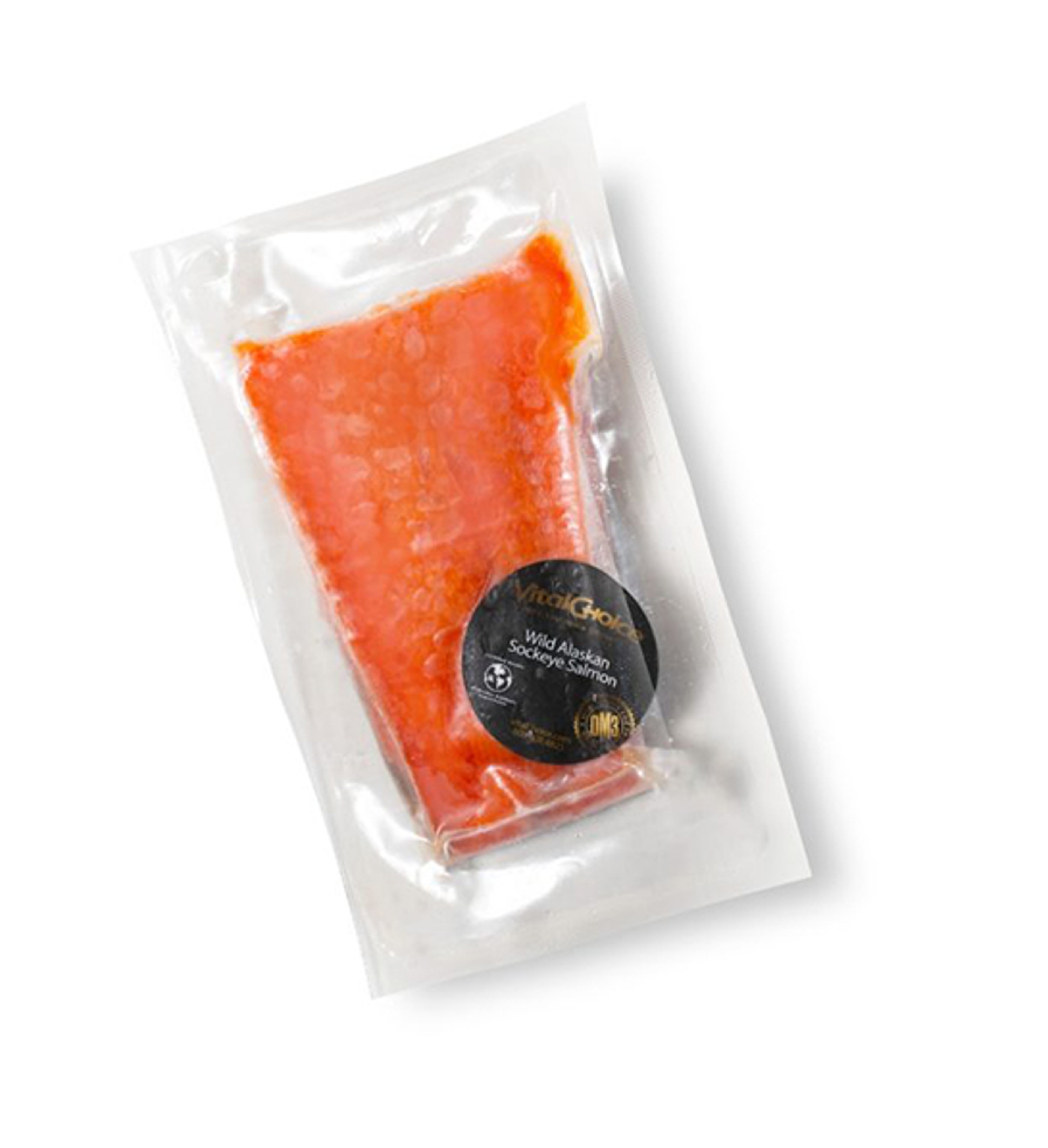
Vacuum sealed salmon, however, can last up to 12 months in the freezer without major loss in flavor or texture. This is because vacuum sealing slows down oxidation and bacterial growth much more effectively than simply freezing fresh fish.
| Storage Method | Typical Lifespan in Freezer | Quality Retention |
|---|---|---|
| Fresh (Refrigerated) | 1-2 days | Best when consumed quickly |
| Frozen in Freezer Bags | 2-3 months | Moderate, risk of freezer burn |
| Vacuum Sealed Frozen | Up to 12 months | High, retains moisture and flavor |
Have you ever wondered why some frozen salmon tastes fresher than others? The way you store it could be the key. Vacuum sealing might just be the upgrade your freezer needs to keep your salmon tasting like it’s freshly caught.
Credit: www.vitalchoice.com
Frequently Asked Questions
How Long Can Vacuum Sealed Salmon Stay Frozen?
Vacuum sealed salmon can last 6 to 12 months in the freezer. Proper sealing prevents freezer burn and maintains freshness. For best taste, consume within this period. Always check for signs of spoilage before use.
Does Vacuum Sealing Extend Salmon’s Freezer Life?
Yes, vacuum sealing removes air, which slows spoilage and freezer burn. It extends salmon’s shelf life by preserving texture and flavor longer. This method keeps salmon fresh up to a year, compared to shorter times without sealing.
Can Frozen Vacuum Sealed Salmon Be Refrozen?
It is safe to refreeze vacuum sealed salmon if it was thawed properly and kept cold. However, refreezing may reduce texture and taste quality. For best results, consume after the first thaw whenever possible.
What’s The Best Freezer Temperature For Vacuum Sealed Salmon?
Keep your freezer at 0°F (-18°C) or lower to preserve vacuum sealed salmon. This temperature halts bacterial growth and maintains quality. Consistent freezing ensures the salmon remains safe and tasty for months.
Conclusion
Vacuum sealed salmon stays fresh longer in the freezer. Proper sealing stops air and slows spoilage. Generally, it lasts up to two years frozen. Always check for signs of freezer burn or bad smell. Thaw it safely in the fridge before cooking.
Keep your salmon sealed tightly to maintain quality. This helps preserve taste and texture well. Store it at a steady freezing temperature for best results. Enjoy fresh salmon even months after buying. Simple steps make your frozen salmon last longer.