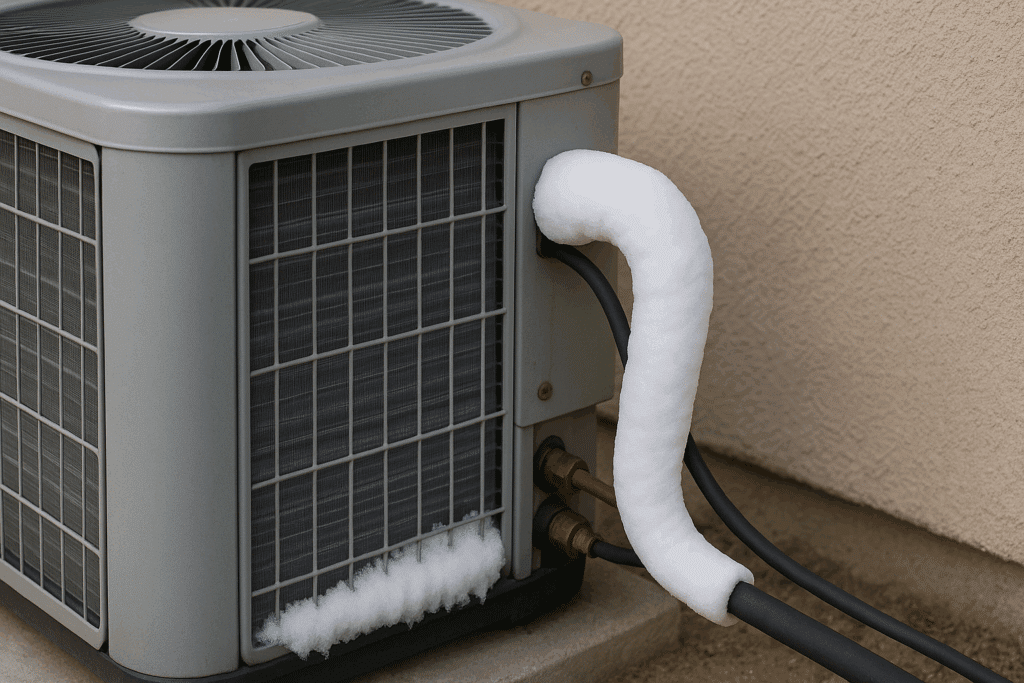
Is your air conditioner covered in ice, leaving you wondering how long it will take to thaw? You’re not alone.
When your AC freezes up, it can be frustrating and confusing. Knowing how long the thawing process takes can help you avoid damage and get your cooling system back to normal faster. You’ll learn exactly what affects the thawing time and what steps you can take to speed things up.
Keep reading to get your air conditioner running smoothly again.
Why Air Conditioners Freeze
Air conditioners freeze due to several common causes. Low refrigerant levelscan cause ice to form on the coils. Poor airflowfrom dirty filters or blocked vents restricts air movement, leading to freezing. Thermostat issuesmay cause the system to run too long, which cools the coils excessively. Outdoor temperaturesthat are too low can also cause freezing.
Freezing affects the air conditioner’s performance. Ice blocks airflow, reducing cooling power. The system works harder, raising energy use. It may cause damage to the compressoror other parts. Ice buildup can lead to water leaks when it melts. Regular maintenance helps prevent these problems.

Credit: www.reddit.com
Typical Thawing Time
The typical thawing timefor an air conditioner usually ranges from 30 minutes to 4 hours. It depends on how much ice has built up and the room temperature. Small ice layers melt faster, while thick ice takes longer.
Factors Affecting Duration
- Room temperature: Warmer rooms speed up thawing.
- Airflow: Good airflow helps melt ice quicker.
- AC size and model: Some units thaw faster than others.
- Amount of ice: More ice means longer thaw time.
- Humidity levels: High humidity can slow down melting.
Signs Thawing Is Complete
- No visible ice on coils or vents.
- Normal air temperature from the vents.
- Sound of water dripping stops.
- AC runs without struggle or unusual noises.
Quick Fix Tips
Turn off the air conditionerto stop ice build-up. Let it rest for at least 30 minutes. This helps the ice melt safely without damage.
Use a fan or heaternear the unit to speed up thawing. Warm air helps melt the ice faster. Avoid direct heat to prevent parts from warping.
Check air filtersfor dirt and dust. Dirty filters block airflow and cause freezing. Clean or replace filters regularly to keep air flowing freely.
Clear obstructionsaround the outdoor unit. Leaves, dirt, or debris can block airflow. Good airflow prevents ice from forming and keeps the unit working well.
Preventing Future Freezing
Regular maintenance keeps the air conditioner working well and stops freezing. Clean or change the air filters often to avoid dust build-up. Check the coils for dirt and clean them if needed. This helps the unit stay cool and run smoothly.
Set the thermostat to a proper temperature. Avoid very low settings that can cause the unit to freeze. A good temperature keeps the air conditioner balanced and safe from ice build-up.
- Keep vents and registers open for good airflow.
- Remove any blockages near the unit.
- Make sure fans work properly to move air.
Good airflow stops cold spots and frost from forming. It helps the air conditioner stay efficient and last longer.
When To Call A Professional
Persistent freezing on an air conditioner signals a deeper issue. This problem may not clear up with simple thawing. Calling a professionalhelps avoid damage and costly repairs.
Signs of mechanical problems include:
- Unit freezing again soon after thawing
- Reduced cooling performance
- Unusual noises or smells
- Water leaks near the indoor unit
- Thermostat not responding properly
Technicians check the refrigerant levels and mechanical parts. They find clogs, leaks, or faulty fans. Fixing these stops the freezing cycle. Fast action keeps your AC running smoothly.

Credit: www.delcohvac.com

Credit: www.sunheating.com
Frequently Asked Questions
How Long Does It Take For Ac To Thaw?
An air conditioner typically takes about 1 to 3 hours to thaw. The time varies based on the severity of the freeze and the ambient temperature. Ensure the unit is turned off to allow it to thaw properly. Regular maintenance can help prevent freezing issues.
What Causes An Air Conditioner To Freeze?
An air conditioner can freeze due to poor airflow or refrigerant issues. Dirty filters and blocked vents restrict airflow, causing freezing. Low refrigerant levels can also lead to this problem. Regular maintenance and timely repairs can help prevent freezing in air conditioners.
Can I Use My Ac While It’s Thawing?
It’s advisable not to use your AC while it’s thawing. Operating a frozen AC can cause damage to the compressor and other components. Allow it to thaw completely and resolve the underlying issue before turning it back on. Regular checks can prevent freezing.
How Can I Speed Up The Thawing Process?
To speed up thawing, turn off the AC and switch the fan on. This helps circulate warm air, aiding the thawing process. Keep the area around the AC unit warm if possible. Ensure regular maintenance to prevent freezing issues in the future.
Conclusion
Air conditioners usually take a few hours to thaw completely. Patience is key to avoid damage. Keep the unit off during this time. Check for ice build-up regularly to prevent freezing. Clean filters and coils to help your AC work well.
If ice returns often, call a professional for help. Proper care keeps your air conditioner running smoothly and cool. Stay aware of signs that need attention. Your comfort depends on a well-maintained AC unit.