Are you ready to fire up your charcoal grill but wondering how long it takes to get the perfect heat? Waiting too long can waste time, while rushing can ruin your meal.
Knowing exactly how long your charcoal grill needs to heat up can make all the difference between a great cookout and a frustrating experience. You’ll discover the simple steps to get your grill ready faster and how to tell when it’s just right.
Keep reading to master the timing and impress everyone with perfectly grilled food every time.
Charcoal Types And Heating Times
Charcoal grilling is a popular cooking method. It involves heating charcoal to cook food. Different charcoals heat up differently. Knowing the types helps in planning your grilling time.
Two main types of charcoal are used. These are lump charcoal and briquettes. Each has unique heating times and characteristics.
Lump Charcoal Vs Briquettes
Lump charcoal is made from hardwood pieces. It lights quickly and burns hotter. It is irregular in shape and size. Lump charcoal reaches cooking temperature faster.
Briquettes are uniform in shape. They are made from compressed sawdust and other materials. Briquettes heat up slower but burn longer. They are more consistent in heat output.
- Lump charcoal heats up in 10-15 minutes.
- Briquettes take 20-30 minutes to heat up.
Impact On Heat Duration
Heat duration varies with charcoal type. Lump charcoal burns faster and hotter. It is good for quick grilling. It provides intense heat for a short period.
Briquettes burn for a longer time. They maintain steady heat levels. This makes them ideal for slow cooking. Consistent heat is useful for larger cuts of meat.
| Charcoal Type | Heat Duration |
| Lump Charcoal | Short, intense heat |
| Briquettes | Long, steady heat |

Credit: lifehacker.com
Factors Affecting Grill Heating
Knowing how long a charcoal grill takes to heat up helps you plan your cooking. Several factors affect the heating time and temperature.
Understanding these factors can improve your grilling results. Let’s explore the main elements that influence grill heating.
Airflow And Vent Settings
Airflow controls the amount of oxygen reaching the charcoal. More oxygen means hotter and faster burning coals.
- Open vents increase oxygen flow and speed up heating.
- Partially closed vents slow down the burn and lower temperature.
- Fully closed vents can smother the fire and stop heating.
Charcoal Amount And Arrangement
The amount of charcoal affects the grill’s heat level and how long it takes to get hot.
| Charcoal Setup | Heating Effect |
|---|---|
| Small pile | Heats quickly but may not keep heat long |
| Large pile | Slower to heat but stays hot longer |
| Even spread | Provides uniform heat across the grill |
| Stacked high | Creates hotter zones for searing |
Weather Conditions
Weather plays a big role in grill heating times. Wind, temperature, and humidity can change how the fire burns.
- Wind can cool the grill or blow ashes into vents.
- Cold air slows heating and lowers max temperature.
- High humidity makes charcoal burn slower.
- Rain or damp conditions can delay heating significantly.
Steps To Heat Charcoal Quickly
Heating charcoal fast saves time and gets your grill ready for cooking. Follow easy steps to start your charcoal quickly and safely.
Good techniques help charcoal burn evenly and reach the right temperature faster. Use proper tools and avoid common errors.
Using A Chimney Starter
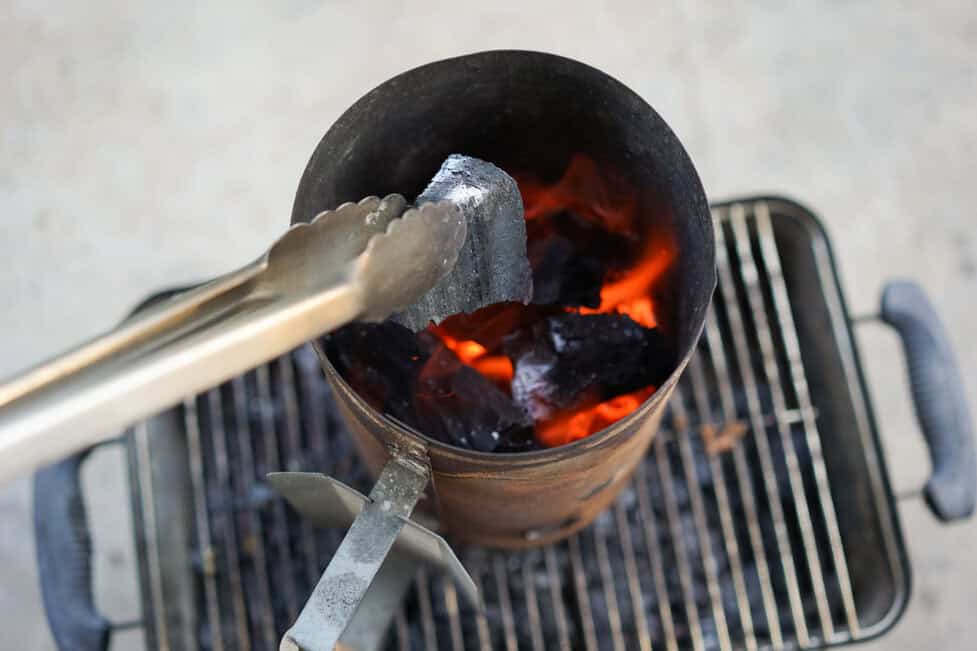
A chimney starter lights charcoal quickly without lighter fluid. It uses air flow to help coals heat evenly and fast.
Fill the top with charcoal and place crumpled paper or fire starters under the chimney. Light the paper to start the fire.
- Place chimney on a safe, heat-resistant surface
- Use newspaper or natural fire starters below
- Light the paper and wait 10-15 minutes
- Wait until coals are covered with gray ash
- Pour hot coals into your grill carefully
Proper Lighting Techniques
Good lighting helps charcoal reach high heat quickly and keeps it burning well. Avoid using too much lighter fluid.
Arrange charcoal in a pyramid or mound shape. Light from the bottom to let air flow through the coals.
- Use natural fire starters or crumpled newspaper
- Light paper or starter at several points
- Let coals burn until covered in white-gray ash
- Spread coals evenly before cooking
Avoiding Common Mistakes
Many mistakes slow down charcoal heating or cause uneven heat. Avoid these errors for better grilling.
- Do not use too much lighter fluid; it can cause flare-ups
- Do not stack charcoal flat; use a pile or pyramid
- Do not start cooking before coals turn white-gray
- Avoid using wet charcoal; it takes longer to light
- Do not block air vents; good airflow is key
Credit: www.hungryhuy.com
Signs Charcoal Is Ready
Knowing when charcoal is ready helps you cook food well. Charcoal needs time to heat up before grilling.
Look for signs that show the charcoal has reached the right temperature.
Visual Indicators
Charcoal changes in appearance as it heats. Watching these changes helps you know when it is ready.
- The charcoal turns gray or white on the surface.
- You see a light ash covering the coals.
- The coals glow red or orange underneath the ash.
- No visible flames should be present before cooking.
Temperature Checks
Using a thermometer or hand test helps check if charcoal is hot enough. This ensures perfect cooking heat.
- Use a grill thermometer to check if coals reach about 450°F to 550°F.
- Hold your hand about 5 inches above the coals.
- If you can hold your hand there for 2 to 4 seconds, the heat is high.
- 3 to 5 seconds means medium heat, good for most grilling.
Maintaining Optimal Grill Heat
Heating a charcoal grill takes time and care. Keeping the right heat helps cook food evenly and safely.
Knowing how to control the heat lets you enjoy better grilling results every time.
Adjusting Vents
Vents control airflow in your charcoal grill. Open vents let more oxygen in, raising the heat.
Closing vents lowers oxygen, reducing the temperature inside the grill.
- Open vents fully for high heat
- Partially close vents for medium heat
- Close vents almost completely for low heat
Adding More Charcoal
Adding charcoal increases heat and cooking time. Use fresh charcoal for best results.
Add charcoal carefully while cooking to keep a steady temperature.
- Add a small amount at a time
- Spread new charcoal evenly
- Let new coals catch fire before cooking on them
Managing Cooking Time
Cooking time changes with grill heat. Hotter grills cook food faster.
Watch your food closely and adjust heat or time as needed to avoid burning.
- Check food often
- Lower heat for slow cooking
- Raise heat for quick searing
Credit: www.tasteofhome.com
Frequently Asked Questions
How Long Does A Charcoal Grill Take To Heat Up?
A charcoal grill typically takes 15 to 25 minutes to heat up. This depends on the amount of charcoal and airflow. Properly lit charcoal should be covered in gray ash before cooking. This ensures even heat distribution and better grilling results.
What Affects Charcoal Grill Heating Time?
Factors like charcoal type, grill size, and weather impact heating time. Lump charcoal lights faster than briquettes. Windy or cold conditions can slow heating. Proper airflow and chimney starters can speed up the process. Always prepare your grill accordingly for optimal heat.
How Can I Speed Up Charcoal Grill Heating?
Use a chimney starter to light charcoal quickly. It promotes even burning and reduces lighting time. Arrange charcoal in a pyramid for better airflow. Avoid using lighter fluid, as it can affect flavor. Good ventilation and dry charcoal also help heat the grill faster.
When Is A Charcoal Grill Ready For Cooking?
Your charcoal grill is ready when coals are covered with white-gray ash. This usually takes about 15-25 minutes after lighting. The heat should be consistent and glowing red underneath. This ensures the grill is hot enough for safe and effective cooking.
Conclusion
Charcoal grills usually take about 15 to 30 minutes to heat up. Watch for the coals to turn gray with a red glow inside. This signals the grill is ready for cooking. Proper heating ensures even cooking and better flavor.
Patience helps you enjoy tastier meals and safer grilling. Keep the airflow steady for best results. Now, you know how long to wait before grilling. Ready to fire up your charcoal grill with confidence!