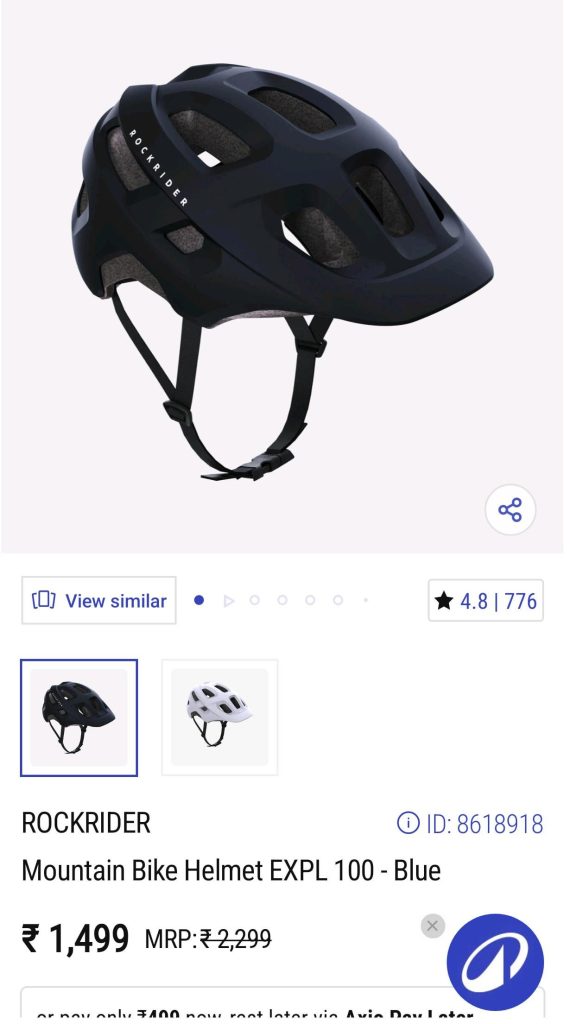
How long is a bike helmet good for? If you’re like most riders, you probably don’t think about this until it’s too late.
Your helmet is your best defense in a crash, but over time, its protection can weaken without you even noticing. Knowing when to replace your helmet could save your life. You’ll discover the key signs that your helmet’s time is up and learn how to keep yourself safe every time you ride.
Keep reading—your safety depends on it.

Credit: www.reddit.com
Helmet Lifespan Basics
Bicycle helmets are essential for safety. They protect your head in case of accidents. But how long do they last?
Helmets don’t last forever. It’s important to know when to replace them. This ensures you have maximum protection.
Materials And Durability
Bike helmets are made of different materials. Most have a hard outer shell and foam inside. These materials can weaken over time.
Exposure to sunlight, sweat, and heat can damage helmets. Even if they look fine, they might not be as strong as before.
- Plastic and foam can degrade
- UV rays weaken materials
- Temperature changes affect durability
Manufacturer Recommendations
Manufacturers suggest replacing helmets regularly. This keeps you safe with up-to-date protection standards.
Many recommend a replacement every 3 to 5 years. Check the guidelines provided with your helmet for specific advice.
- Check the label for replacement time
- Follow the brand’s safety advice
- Replace after a crash
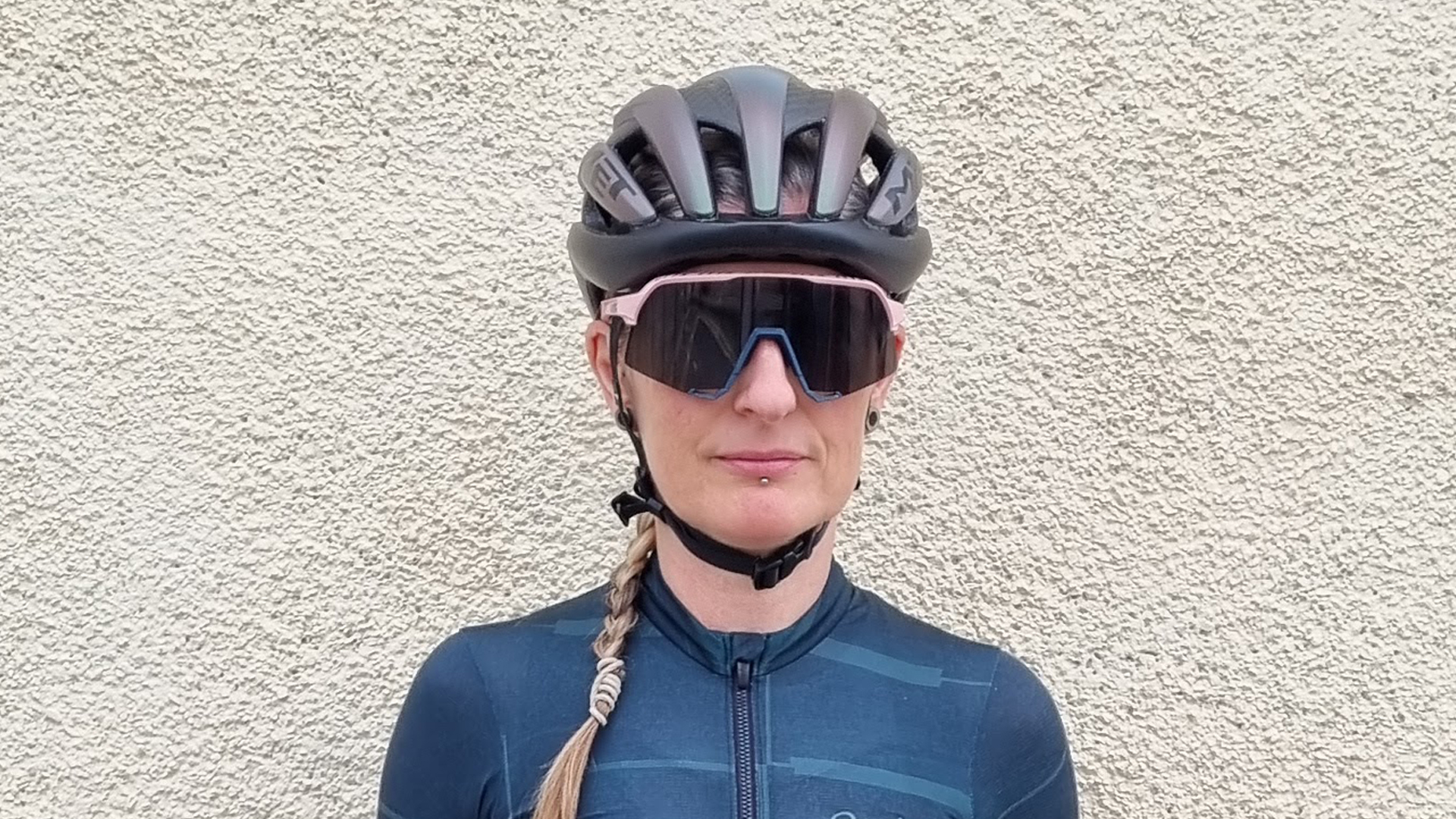
Credit: www.cyclingweekly.com
Factors Affecting Helmet Longevity
Bike helmets protect your head during crashes. They do not last forever. Different factors affect how long a helmet stays safe to use.
Knowing these factors helps you decide when to replace your helmet. Safety should always come first.
Exposure To Sunlight And Heat
Sunlight and heat can weaken helmet materials over time. UV rays break down the plastic shell and foam inside.
Heat can also cause the helmet to lose shape or crack. Leaving a helmet in a hot car can reduce its lifespan.
- Store helmets away from direct sunlight
- Avoid leaving helmets in hot places
- Use helmet bags or covers for protection
Sweat And Moisture Impact
Sweat and moisture can damage helmet padding and straps. Wet materials wear out faster and may smell bad.
Moisture can also cause metal parts to rust or weaken plastic clips. Dry your helmet after each use to keep it in good shape.
- Remove and wash padding regularly
- Air dry your helmet after rides
- Check straps for signs of wear
Physical Damage And Wear
Cracks, dents, or scratches can reduce helmet safety. Even small hits can weaken the foam inside the helmet.
Wear and tear from regular use also lowers protection. Replace helmets after any crash or if you see damage.
- Inspect helmets for cracks or dents
- Replace helmet after a crash
- Do not use helmets with visible damage
Signs To Replace Your Helmet
Bike helmets protect your head during accidents. Over time, they wear out. Knowing when to replace your helmet is important for safety.
Look for clear signs that your helmet is no longer safe. These signs help you decide if it is time to get a new one.
Visible Cracks And Dents
Cracks or dents in your helmet can weaken its protection. Even small damage can affect how well it absorbs impact.
- Check the outer shell for cracks or deep scratches.
- Look inside for dents in the foam padding.
- Replace the helmet if you find any damage.
Worn Out Straps And Padding
Straps and padding keep your helmet snug and comfortable. If they are worn out, the helmet may not fit correctly.
| Part | Signs of Wear |
| Straps | Frayed, stretched, or broken buckles |
| Padding | Flattened, torn, or missing pieces |
Replace your helmet if straps or padding cannot be fixed or cleaned properly.
After A Crash
Any crash can damage your helmet, even if damage is not visible. The helmet may have lost its ability to protect you.
- The foam inside compresses and cannot absorb another impact.
- Hidden cracks may weaken the structure.
- Straps may stretch or break without visible signs.

Credit: velo.outsideonline.com
Proper Helmet Care Tips
Keeping your bike helmet in good shape helps it protect you better. Proper care makes your helmet last longer.
Learn simple ways to clean, store, and check your helmet. These tips keep it safe and ready to use.
Cleaning And Storage
Clean your helmet regularly with mild soap and warm water. Use a soft cloth to wipe the outside and inside.
- Remove the padding before cleaning
- Air dry the helmet, do not use a dryer
- Store in a cool, dry place away from sunlight
- Keep it in a helmet bag or on a shelf
Avoiding Harsh Chemicals
Harsh chemicals can damage the helmet’s materials. Avoid using bleach, solvents, or strong cleaners.
Use this table to see safe and unsafe cleaning options:
| Cleaning Agent | Use? |
|---|---|
| Warm Water and Mild Soap | Yes |
| Bleach | No |
| Alcohol-based Cleaners | No |
| Vinegar | No |
| Isopropyl Alcohol | No |
Regular Inspections
Check your helmet often for cracks, dents, or worn straps. These signs show it may not protect well.
- Look for cracks in the shell or foam
- Test if the straps are strong and not frayed
- Make sure the buckle closes securely
- Replace the helmet after any serious impact
Choosing The Right Helmet Lifespan
A bike helmet protects your head during falls and crashes. Knowing how long your helmet lasts is important for safety.
Helmet materials weaken over time. Choosing the right lifespan helps you stay safe on every ride.
Different Types Of Helmets
Bike helmets come in many styles. Each type may last differently based on its material and use.
Hard shell helmets usually last longer than foam-only helmets. Full-face helmets often use stronger materials.
- In-mold helmets have a foam layer fused to a plastic shell.
- Hard shell helmets have a separate outer shell and inner foam.
- Full-face helmets cover the whole head and chin for extra protection.
- Lightweight foam helmets may need replacing sooner.
Usage Frequency Considerations
The more often you ride, the faster your helmet wears out. Daily riders need to replace helmets sooner.
Helmets used only for occasional rides last longer but still need checking for damage.
- Frequent use can cause foam to compress and weaken.
- Exposure to sunlight and sweat speeds up material aging.
- Helmets should be replaced after any crash, no matter the damage.
- Check your helmet every six months for cracks or wear.
Frequently Asked Questions
How Long Does A Bike Helmet Last?
A bike helmet typically lasts 3 to 5 years. Its materials degrade over time, reducing protection. Replace it sooner if damaged or after a crash.
Can I Use A Bike Helmet After A Crash?
No, always replace a helmet after any crash. Even if it looks fine, internal damage may compromise safety.
How Do I Know When To Replace My Helmet?
Replace your helmet if it’s over 5 years old, has visible cracks, or after any impact. Check manufacturer guidelines for specifics.
Does Helmet Expiration Vary By Brand?
Yes, some brands recommend replacing helmets every 3 to 5 years. Always check the manufacturer’s expiration date or guidelines.
Conclusion
Bike helmets protect your head and save lives. They do not last forever. Over time, materials weaken and may fail in a crash. Replace your helmet every five years or after a strong impact. Check the helmet for cracks or damage regularly.
Using an old or damaged helmet can put you at risk. Stay safe by choosing a helmet that fits well and meets safety standards. Remember, a good helmet is a small price for your safety. Keep your head protected on every ride.