If you’ve just discovered termites in your home, you’re probably wondering, “How long will my house be tented for termites?” This question is important because the tenting process can disrupt your daily life. You want to know how much time you’ll need to plan for, and what to expect during the treatment.
Understanding the length of termite tenting helps you prepare and protect your home better. Keep reading to find out exactly how long your house will be under the tent and what happens during this crucial termite treatment.
Purpose Of Tent Fumigation
Tent fumigation is a process to kill termites inside a house. It uses gas to reach every corner and crack.
This method helps protect the wood and structure from termite damage. It gets rid of termites quickly and deeply.
Why Tent For Termites
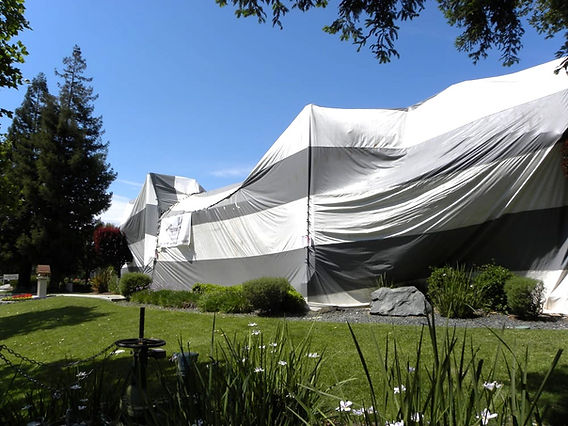
Tenting covers the whole house with a large plastic sheet. It traps the gas inside to kill termites everywhere.
This is important because termites hide in hard-to-reach places. The gas spreads through wood, walls, and soil.
- Kills termites in all parts of the house
- Reaches hidden and deep termite nests
- Protects the home from future damage
Benefits Of Tent Fumigation
Tent fumigation is fast and effective. It kills termites in one treatment, so the house is safe again quickly.
This method also prevents termite return for some time. It protects the investment in your home’s structure.
- Complete termite elimination
- Protects the whole house structure
- Quick treatment time, usually a few days
- Stops termite damage from spreading
Credit: www.howtopestcontrol.co.uk
Typical Duration Of Tent Fumigation
Tent fumigation is a common method to remove termites from a house. It involves covering the house with a tent and using gas to kill the pests.
The process requires some time to ensure all termites are eradicated. Understanding the duration can help homeowners plan better.
Standard Time Frames
Typically, a house is tented for termites for about 24 to 72 hours. This time allows the gas to penetrate all areas and kill the pests effectively.
After the tent is removed, an additional 24 hours may be needed for the house to air out. This ensures it is safe to re-enter.
Factors Affecting Duration
Several factors can influence how long a house is tented. The size of the house is one major factor. Larger homes may require more time.
The severity of the termite infestation also plays a role. A more severe infestation might need longer exposure to the gas.
- Size of the house
- Severity of infestation
- Weather conditions
Preparation Before Tent Fumigation
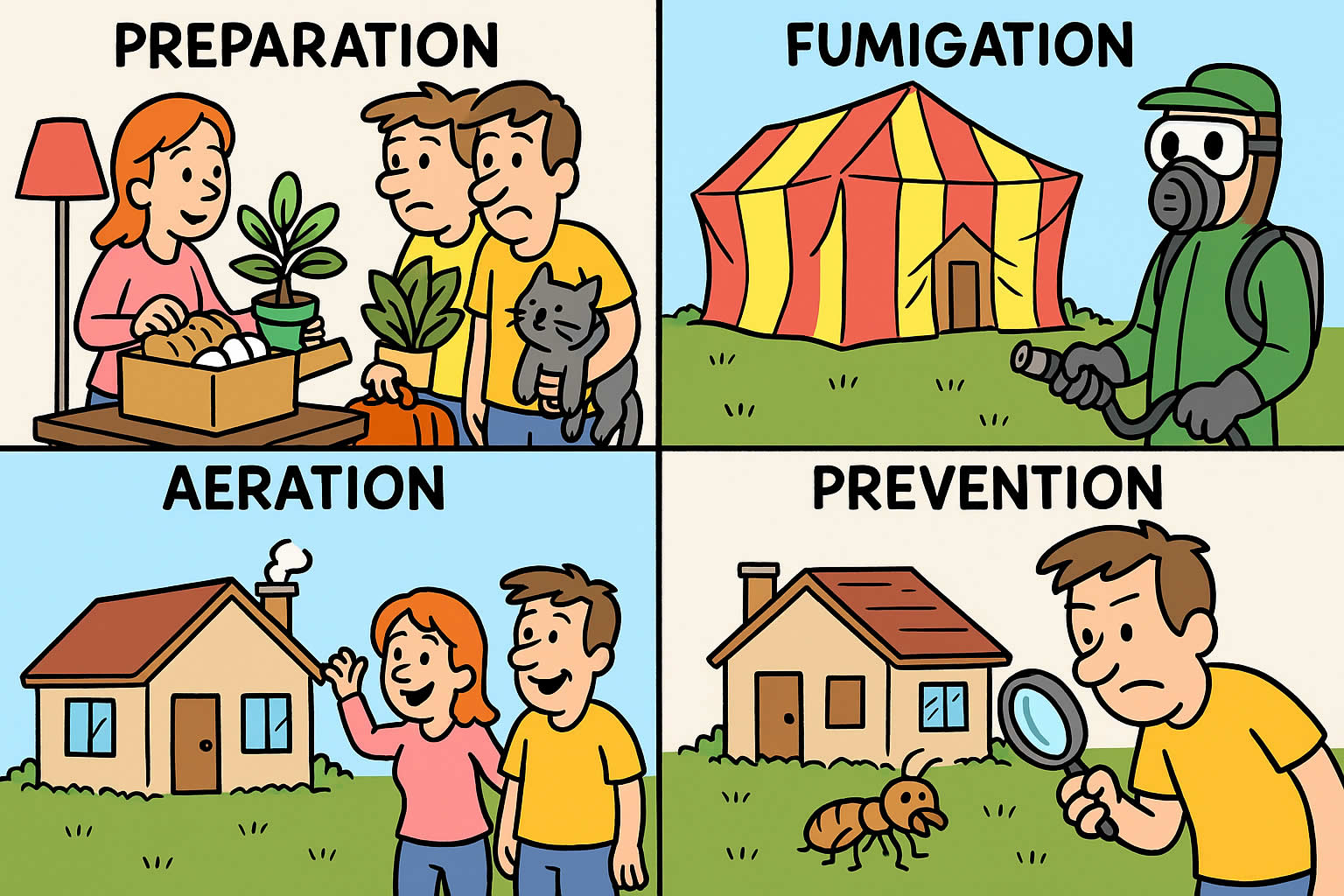
Fumigating a house for termites requires careful preparation. You must ready your home before tenting starts.
Proper preparation helps the treatment work well and keeps everyone safe during the process.
Steps To Take
Start by planning ahead to avoid last-minute problems. Clear schedules for fumigation day and the day after.
Turn off all pilot lights and unplug electrical devices. Make sure pets and plants are moved out of the house.
- Notify neighbors about the fumigation
- Arrange a safe place for people and pets to stay
- Turn off gas and pilot lights
- Unplug all electrical appliances
- Check that all windows and doors close tightly
Items To Remove Or Cover
Remove food, medicine, and plants from the house. These items can be harmed by the chemicals used.
Cover or move furniture and electronics that cannot be removed. Use plastic sheets to protect them from gas.
- All food and drinks, including pet food
- Medicines and vitamins
- Houseplants and garden plants
- Electronics and small appliances
- Clothing and bedding if not sealed in bags
- Remove or cover outdoor furniture near the house
What Happens During Fumigation
Fumigation is a process used to kill termites inside a house. It involves covering the entire home with a special tent. The tent traps gas that eliminates the pests.
The process requires careful preparation and several steps to make sure it works well and safely. Let’s look at what happens during fumigation.
Sealing The House
The first step is sealing the house with a large tarpaulin tent. This covers the entire home from roof to ground. The tent keeps the fumigant gas inside so it can kill termites effectively.
- All doors and windows are closed and sealed.
- Any vents or openings are covered with plastic sheets.
- Belongings inside the house are protected or removed as needed.
- The tent is securely fastened to prevent gas leaks.
Fumigant Application Process
Once the tent is set, the fumigant gas is released inside. It fills the entire space, reaching into cracks and wood where termites hide.
| Step | Action | Purpose |
| 1 | Release fumigant gas | Fill home with gas to kill termites |
| 2 | Maintain gas concentration | Keep gas inside for several hours |
| 3 | Ventilate house | Remove gas safely after treatment |
Post-fumigation Timeline
After a house is tented for termites, it takes time before you can safely return. This timeline helps you understand the steps after fumigation.
Knowing the key periods after fumigation keeps you safe and ensures the treatment works well.
Aeration Period
The aeration period starts when the tent is removed from the house. During this time, the house is aired out to clear toxic gases.
This period usually lasts between 24 to 72 hours. The exact time depends on the fumigant used and weather conditions.
- Air moves through the house to remove chemicals
- Windows and doors stay open for ventilation
- Special fans may be used to speed up aeration
- Proper aeration reduces health risks
Re-entry Guidelines
You can re-enter your home only after the aeration period ends. The house must be tested to ensure it is safe.
Follow these rules to re-enter safely:
- Wait for the pest control company to give the all-clear
- Do not enter during fumigation or aeration
- Keep pets and children away until it is safe
- Open windows and doors when you return
- Use protective gear if advised by the professionals

Credit: blog.vinyasun.com
Safety Tips During Tent Fumigation
Tent fumigation is an effective method to kill termites in a home. It requires sealing the house under a tent and releasing gas inside. This process can be dangerous if safety steps are not followed. It is important to protect your family and pets during fumigation.
Following safety tips helps avoid health risks. You should also handle food and medicine with care. This guide offers key tips to keep everyone safe during the fumigation period.
Protecting Family And Pets
All people and pets must leave the home before fumigation starts. The gas used is toxic and can harm living beings. Keep pets in a safe place away from the home for the whole treatment time. Inform neighbors about the fumigation so they can take precautions.
- Evacuate everyone including pets before fumigation
- Keep children and pets away from the house until it is safe
- Inform neighbors about the fumigation schedule
- Use a pet boarding service if needed
- Check with fumigation company about safe return time
Handling Food And Medicine
Food and medicine must be carefully stored or removed before fumigation. The gas can contaminate open food and medicines. Follow these simple steps to keep your items safe.
| Item | Recommended Action |
| Packaged Food | Seal tightly or remove from the house |
| Fresh Food | Remove from the house or discard |
| Medicine | Keep in sealed containers or outside the house |
| Baby Formula | Remove and store in a safe place |
| Pet Food | Store outside the house during fumigation |
Signs Treatment Is Effective
Knowing if termite treatment works is important after your house is tented. Signs show if termites are gone or still active.
Watching termite activity helps decide if more steps are needed to protect your home.
Termite Activity Monitoring
Termite activity monitoring means checking for live termites or damage after treatment. It shows if the poison is working.
- Look for mud tubes on walls or foundations
- Check wood for hollow sounds or damage
- Use termite detection tools like moisture meters
- Observe if new termite droppings appear
Follow-up Inspections
Follow-up inspections happen after the tenting. They confirm the treatment killed the termites and no new signs show up.
| Inspection Time | What to Check | Expected Result |
| 1 Month Later | Termite tubes and wood condition | No new tubes or damage |
| 3 Months Later | Signs of live termites or mud tubes | Absence of live termites |
| 6 Months Later | Overall structure and termite activity | Clear structure, no termite signs |
Alternatives To Tent Fumigation
Tent fumigation is a common way to kill termites. It involves covering the house with a tent and using gas to kill pests. Some people look for other termite treatments instead.
These alternatives can avoid the need to leave the house for days. They also use different methods that may suit your home better.
Liquid Termiticide Treatment
This method uses chemicals applied to the soil around the house. The liquid creates a barrier that stops termites from entering. It does not require tenting the house.
It can be done quickly, and you can stay inside during the process. The chemicals last for several years but may need reapplication.
Bait Stations
Bait stations attract termites to poison them slowly. These stations are placed around the house and checked regularly. Termites take the poison back to their colony.
This method is less invasive and safer for people and pets. It can take a few months to see full results.
Heat Treatment
Heat treatment raises the temperature inside the house to kill termites. The house is heated to about 120°F for several hours. This method does not use chemicals or tents.
- Quick process, usually done in one day
- No chemical residue left behind
- May not reach all termite areas
- Requires special equipment
Foam Treatment
Foam treatments inject insecticide foam into wall voids and other hard-to-reach places. The foam expands and kills termites in hidden areas.
This method uses less chemical than liquid treatments. It is good for spot treatments and small infestations.
Comparison Of Termite Treatments
| Method | Time Required | Safety | Effectiveness | Cost |
| Liquid Termiticide | Few hours | Moderate | High | Moderate |
| Bait Stations | Months | High | Moderate | Low to Moderate |
| Heat Treatment | One day | High | Good | High |
| Foam Treatment | Few hours | Moderate | Good for small areas | Moderate |

Credit: www.reddit.com
Frequently Asked Questions
How Long Does Termite Tenting Usually Take?
Termite tenting typically lasts 24 to 72 hours. The duration depends on the home’s size and infestation severity. After tenting, the house must be aired out for several hours to ensure safety before re-entry.
What Factors Affect House Tenting Duration For Termites?
House size, termite infestation level, and chemical type influence tenting duration. Larger homes or severe infestations require longer treatment. Weather conditions may also impact the process, extending the time needed for safe fumigation.
Is It Safe To Enter After Termite Tenting?
No, entering immediately after tenting is unsafe. The house must be ventilated thoroughly to remove toxic gases. Typically, re-entry is allowed 4 to 6 hours after airing out, following professional guidelines for safety.
Can Termite Tenting Duration Vary By Location?
Yes, local regulations and climate affect tenting duration. Some regions require longer fumigation or ventilation times. Always consult local pest control professionals for the most accurate timing based on your area’s rules.
Conclusion
A house is usually tented for termites for about three to five days. This time helps kill termites and protect your home. After tenting, airing out the house is important to remove chemicals. Regular checks can prevent termite problems later.
Knowing the tenting length helps you plan better. Protect your home by acting early and staying informed. Simple steps keep your house safe and termite-free.