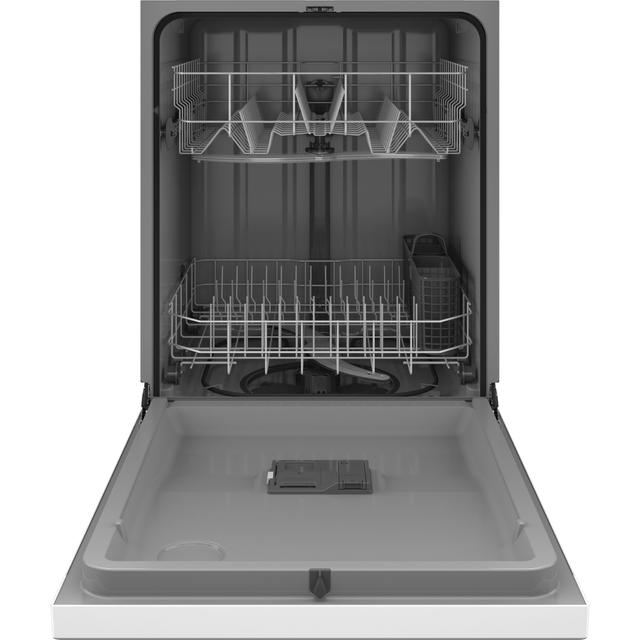
Have you ever found yourself standing in front of your GE dishwasher, wondering how long a normal cycle should last? You’re not alone.
Many homeowners like you are curious about the time it takes for their dishwasher to complete its magic. We’ll uncover the mystery behind GE dishwasher cycles and what you can expect. Understanding this can save you time, energy, and even some water.
Stay with us, and by the end, you’ll be a pro at optimizing your dishwasher use, ensuring it fits seamlessly into your busy schedule.
Typical Cycle Lengths
Understanding the typical cycle lengths of a GE dishwasher helps set expectations for daily use. Each cycle suits different cleaning needs, balancing time and performance. Knowing these durations aids in planning kitchen tasks efficiently.
Standard Wash Duration
The standard wash cycle usually lasts between 1.5 to 2 hours. This cycle is ideal for everyday cleaning of normal, lightly soiled dishes. It uses moderate water temperature and energy for balanced performance.
Quick Wash Times
Quick wash cycles often run from 30 to 60 minutes. This option suits lightly dirty dishes that need fast cleaning. It saves water and energy, perfect for small loads or urgent use.
Heavy Duty Cycle Length
Heavy duty cycles take about 2 to 3 hours to complete. They target pots, pans, and heavily soiled items. This cycle uses higher water temperature and longer wash times for thorough cleaning.
Factors Affecting Cycle Time
The length of a GE dishwasher cycle can vary significantly depending on several key factors. Understanding these can help you choose the right cycle for your needs and save time and energy. Let’s break down what influences how long your dishwasher runs.
Soil Level
The amount of food residue and grease on your dishes plays a big role in cycle duration. Heavily soiled dishes need longer washing times to ensure thorough cleaning.
If you often rinse your plates before loading, you might notice shorter cycles because the dishwasher doesn’t have to work as hard. Some GE models automatically adjust cycle time based on soil sensors, giving you just the right wash.
Water Temperature
Hotter water cleans better but can also affect how long the cycle takes. If your dishwasher heats the water from a cold start, the cycle will be longer than if it uses already hot water from your home system.
Do you have your water heater set very high? That could speed up your dishwasher’s cycle. Conversely, colder water means the dishwasher has to spend extra time heating up, extending the overall time.
Load Size
The number of dishes you load directly impacts cycle length. A full load requires more water and time for proper cleaning compared to a half or light load.
Some GE dishwashers offer half-load options that reduce cycle time and water usage. Have you tried adjusting your load size to match the cycle? It might save you more time than you expect.
Ge Dishwasher Cycle Types
GE dishwashers offer several cycle options for different cleaning needs. Each cycle targets specific types of dishes and soil levels. Understanding these cycles helps choose the right one for your load. It also ensures efficient cleaning and energy use.
Normal Cycle
The Normal Cycle is designed for everyday dishwashing. It works well for plates, glasses, and lightly soiled pots. This cycle balances cleaning power and time. It usually takes about 1.5 to 2 hours. It uses moderate water and energy, making it efficient for regular use.
Pots And Pans Cycle
The Pots and Pans Cycle handles heavy-duty cleaning. It targets tough stains and baked-on food. This cycle uses higher water temperature and stronger jets. It runs longer, often around 2 to 3 hours. It is ideal for heavily soiled cookware and utensils.
Express Wash Cycle
The Express Wash Cycle offers quick cleaning for lightly soiled dishes. It finishes in about 30 to 45 minutes. This cycle uses less water and energy, saving resources. It works best for small loads or when you need dishes fast. It may not clean heavily soiled items thoroughly.

Credit: www.baillios.com
Energy Efficiency And Cycle Time
Energy efficiency and cycle time are key factors in dishwasher performance. A shorter cycle often uses more power in a short burst. Longer cycles can save energy by washing at lower temperatures. Choosing the right cycle helps balance clean dishes and energy use.
Eco-friendly Settings
Many dishwashers include eco-friendly settings. These cycles use less water and energy. They run longer but at lower temperatures. This saves electricity and reduces utility bills. Eco modes suit lightly soiled dishes well. They help reduce your home’s environmental footprint.
Energy Star Impact
Energy Star certified dishwashers use advanced technology. They consume less water and electricity per cycle. These models often have sensors to adjust cycle time. Sensors detect soil level and change wash intensity. This means no wasted energy or water. Choosing Energy Star models supports energy conservation efforts.
Tips To Optimize Dishwasher Performance
Optimizing your dishwasher’s performance not only saves time but also conserves energy and prolongs the appliance’s life. Small adjustments in how you load, select cycles, and maintain your dishwasher can significantly impact its cleaning power and efficiency.
Proper Loading Techniques
Loading your dishwasher correctly is crucial for thorough cleaning. Avoid overcrowding; dishes need space for water and detergent to reach all surfaces.
Place larger items like pots and pans on the bottom rack, angled downward to avoid blocking spray arms. Position cups and glasses on the top rack, tilted to prevent water pooling.
Separate utensils and avoid nesting them to ensure each piece gets cleaned. Have you ever noticed spots or leftover food? It’s often due to poor loading.
Choosing The Right Cycle
Using the appropriate cycle can save time and energy while delivering spotless results. Heavy cycles are perfect for pots with stuck-on food, but normal or eco cycles handle everyday dishes well.
Consider the soil level on your dishes before selecting a cycle. Short cycles are convenient but may not clean heavily soiled items effectively.
Some dishwashers have sensors that adjust cycle length based on dirt detected; if yours does, make sure to activate this feature for smarter washing.
Maintenance For Efficiency
Regular maintenance keeps your dishwasher running smoothly and efficiently. Clean the filter every few weeks to prevent clogs and odors.
Check spray arms for blockages and remove debris that could hinder water flow. Running an empty cycle with a dishwasher cleaner monthly helps eliminate grease and buildup.
Have you noticed longer cycle times or poor cleaning lately? Maintenance might be the fix you need to restore your dishwasher’s performance.
Credit: www.costco.ca

Credit: www.tidewaterappliance.com
Frequently Asked Questions
How Long Does A Normal Dishwasher Cycle Take?
A normal dishwasher cycle usually lasts between 1. 5 to 2 hours. This depends on the model and water temperature. It balances cleaning and energy efficiency for everyday dishes.
What Affects Dishwasher Cycle Length?
Cycle length varies due to factors like soil level, water temperature, and cycle type. Heavily soiled dishes need longer cycles. Energy-saving modes may extend the time but reduce water and electricity usage.
Can You Shorten Dishwasher Cycle Time?
Yes, many dishwashers offer quick or express wash options. These cycles usually last 30 to 60 minutes. They clean lightly soiled dishes faster but may use more energy.
Is A Longer Dishwasher Cycle Better?
Longer cycles often clean more thoroughly, especially for tough stains. However, they consume more water and energy. Choose cycle length based on soil level and efficiency preferences.
Conclusion
A normal GE dishwasher cycle usually takes between one to two hours. The exact time depends on the selected setting and load size. Shorter cycles save time but may not clean heavily soiled dishes well. Longer cycles use more water and energy but provide a deeper clean.
Knowing these times helps you plan your day better. Choose the cycle that fits your needs best. This way, your dishes come out clean without wasting resources. Simple and easy!