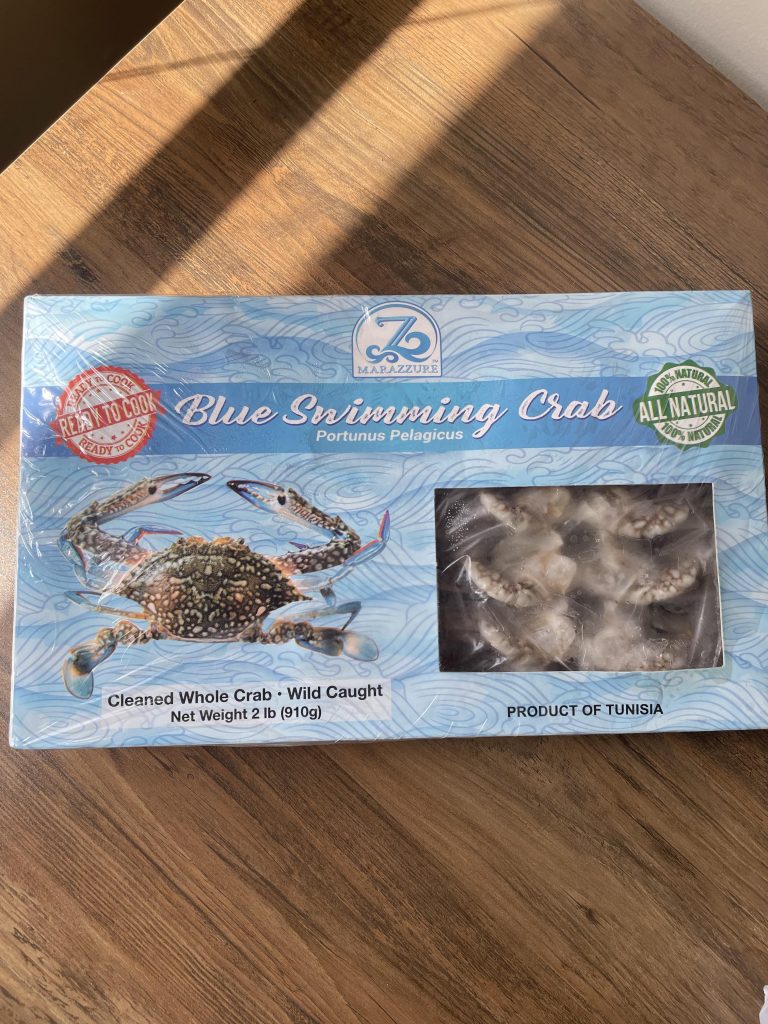
Do you love the delicious taste of crab and want to make sure it stays fresh in your freezer? You’re not alone!
Many people wonder how long crab can be kept in the freezer without losing its flavor and quality. You might think that once it’s in the freezer, it can last forever, but that’s not the case. Understanding the right storage time for crab can help you enjoy its succulent taste whenever you want, without any risk of spoilage.
Imagine taking a perfectly preserved crab out of your freezer months later and having it taste as fresh as the day you bought it. This article will guide you through the ins and outs of freezing crab, ensuring your seafood stays delectable and safe to eat. Read on to discover how to maximize the lifespan and taste of your frozen crab, and never worry about freezer burn again.

Credit: thealaskaprime.com
Crab Storage Basics
Knowing the basics of crab storage can save you from wasting delicious seafood. Proper freezing keeps crab fresh and tasty for longer periods, but it requires understanding what type of crab you have and how to prepare it. Have you ever found frozen crab that lost its flavor or texture? That usually happens because of improper storage methods.
Types Of Crab To Freeze
Not all crabs freeze equally well. Some types hold their texture better after freezing, while others become mushy or lose flavor.
- Cooked crab meat:This is the easiest to freeze. It maintains taste and texture well if packed properly.
- Raw crab:Can be frozen but requires more care to avoid freezer burn and texture loss.
- Whole crabs:Freezing whole crabs is possible but less common. They take up more space and need to be cooked soon after thawing.
Choosing the right crab for freezing depends on how you plan to use it later. Do you want ready-to-eat meat or fresh crab to cook after thawing?
Preparing Crab For Freezing
Preparation is key to preserving crab quality in the freezer. Proper cleaning and packaging prevent spoilage and freezer burn.
- Rinse crab meat gently under cold water to remove any residual shell bits or salt.
- Pat dry with paper towels to eliminate excess moisture, which causes ice crystals.
- Divide crab meat into portions that match your usual serving size.
- Wrap each portion tightly in plastic wrap or aluminum foil to block air.
- Place wrapped portions into airtight freezer bags or vacuum-sealed bags for extra protection.
- Label packages with the date to keep track of freshness.
Have you ever noticed how tightly sealed packages keep your frozen food tasting fresher? That’s the difference good preparation makes.
Freezing Duration For Crab
Freezing crab is a smart way to extend its shelf life and enjoy this delicious seafood whenever you want. However, knowing the right freezing duration is crucial to maintain its texture and flavor. Let’s break down how long you can keep different types of crab in your freezer for the best taste and safety.
Fresh Crab Shelf Life
Fresh crab can last in the freezer for up to 3 to 6 months if stored properly. Make sure to clean and wrap it tightly in airtight packaging or vacuum-sealed bags to prevent freezer burn.
Have you ever noticed a change in flavor when crab sits too long in the freezer? That’s why sticking to this timeframe keeps your crab tasting fresh and juicy.
Cooked Crab Freezing Time
Cooked crab generally lasts a bit longer in the freezer—about 6 to 12 months. Cooking before freezing helps preserve the crab’s quality and reduces the risk of bacterial growth.
To keep cooked crab at its best, store it in shallow airtight containers or heavy-duty freezer bags. Label the package with the freezing date to avoid keeping it too long.
Imitation Crab Storage
Imitation crab, which is made from processed fish, usually has a shorter freezer life than real crab. It’s best used within 1 to 2 months after freezing.
Because of its delicate texture and ingredients, freezing imitation crab for too long can lead to a mushy or off taste. Always check the package instructions if available, as brands can vary.
Freezer Conditions And Crab Freshness
Freezer conditions play a crucial role in maintaining crab freshness over time. Even if you freeze crab immediately after purchase, improper storage can lead to loss of flavor and texture. Understanding how to control your freezer environment helps keep crab tasty and safe for longer periods.
Optimal Freezer Temperature
Keeping your freezer at the right temperature is essential for preserving crab quality. The ideal setting is 0°F (-18°C) or lower. This temperature slows down the growth of bacteria and prevents the crab from spoiling quickly.
Have you ever noticed crab stored at higher temperatures developing off smells or a mushy texture? That’s a sign the freezer isn’t cold enough to keep it fresh. Check your freezer’s thermostat regularly to ensure it stays consistently cold.
Packaging Tips To Prevent Freezer Burn
Freezer burn happens when crab is exposed to air, causing dry spots and a tough texture. To avoid this, use airtight packaging like vacuum-sealed bags or heavy-duty freezer wraps.
- Remove as much air as possible before sealing.
- Wrap crab tightly in plastic wrap, then place it in a zip-top bag.
- Label packages with the date to track how long they have been frozen.
I once left crab loosely wrapped, and after a few weeks, it developed freezer burn that ruined the taste. Proper packaging makes a noticeable difference in flavor and texture retention. How confident are you that your crab is well protected in your freezer?

Credit: www.youtube.com
Signs Crab Has Gone Bad
Knowing the signs that crab has gone bad helps keep you safe and avoid waste. Crab stored in the freezer can last a long time, but it will spoil eventually. Recognizing the warning signs is important before cooking or eating.
Visual Indicators
- Crab meat turns dull or grayish instead of bright white or orange.
- Ice crystals or freezer burn appear on the surface of crab meat.
- Shells may look cracked, dry, or discolored.
- Any slimy or sticky coating on crab is a bad sign.
- Presence of mold or dark spots means the crab is unsafe.
Smell And Texture Changes
- Fresh crab smells like the ocean or sea breeze.
- A strong fishy or sour odor means spoilage.
- The meat should be firm and moist, not mushy or slimy.
- A sticky or gummy texture is a sign of decay.
- If crab smells ammonia-like, discard it immediately.
Thawing Crab Safely
Thawing crab safely is essential to enjoy its fresh flavor and avoid foodborne illnesses. Improper thawing can cause bacteria to grow, ruining your meal and putting your health at risk. Understanding the right techniques will help you handle frozen crab with confidence and care.
Recommended Thawing Methods
Thaw crab slowly in the refrigerator for the best results. Place it on a plate or in a shallow pan to catch any drips, and allow 8-12 hours for every pound of crab. This method keeps the crab at a safe temperature and preserves its texture.
If you need to thaw crab quickly, use cold water. Seal the crab in a waterproof plastic bag, then submerge it in cold water. Change the water every 30 minutes to keep it cold, and thaw usually takes 1-2 hours.
Avoid thawing crab at room temperature; it encourages bacterial growth. Using a microwave is not recommended either, as it can cook parts of the crab unevenly and affect taste.
Avoiding Bacterial Growth
Bacteria multiply rapidly in temperatures between 40°F and 140°F. Keeping crab out of this “danger zone” is crucial during thawing. Always thaw crab in the fridge or cold water to minimize risk.
After thawing, cook the crab immediately. Don’t refreeze thawed crab, as this lowers quality and increases the chance of spoilage. If you notice any off smells or slimy texture, discard the crab to protect your health.
Have you ever wondered if your seafood smells right before cooking? Trust your senses to avoid unsafe crab. Safe handling makes your meal not only tasty but also safe to eat.
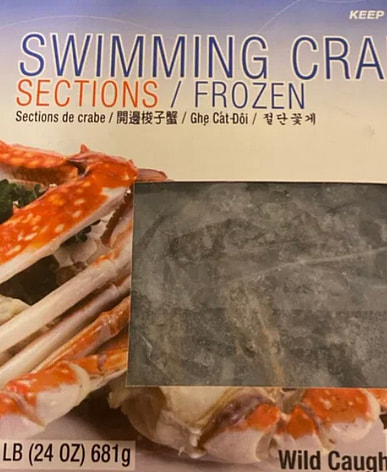
Credit: www.sayweee.com
Tips To Maximize Crab Freshness
Keeping crab fresh in the freezer requires careful steps. Proper freezing preserves taste and texture. These tips help you enjoy crab longer with great quality.
Best Practices For Freezing
Freeze crab as soon as possible after cooking. Fresh crab freezes better than old crab. Cool crab completely before freezing to avoid ice crystals. Freeze crab in small portions to thaw only what you need. Avoid freezing crab for more than 3 months for best flavor.
Storage Containers And Wrapping
Use airtight containers or heavy-duty freezer bags. Remove as much air as possible to prevent freezer burn. Wrap crab tightly in plastic wrap before placing in containers. Label packages with the date to track freshness. Vacuum sealing is ideal for longer storage and freshness.
Frequently Asked Questions
How Long Can Crab Stay Frozen Safely?
Crab can stay frozen safely for up to 3 to 6 months. Beyond this, quality and taste may decline. Proper packaging prevents freezer burn and preserves freshness.
Does Freezing Crab Affect Its Texture?
Freezing crab may slightly change its texture. When thawed, crab meat can be a bit softer. Proper freezing and thawing minimize texture loss.
Can You Refreeze Thawed Crab?
Refreezing thawed crab is not recommended. It can reduce quality and increase the risk of bacterial growth. Use thawed crab promptly for best safety.
How Should Crab Be Stored In The Freezer?
Store crab in airtight containers or vacuum-sealed bags. Remove excess air to prevent freezer burn. Label with the date for easy tracking.
Conclusion
Crab stays fresh in the freezer for about three to six months. Keep it well wrapped to avoid freezer burn. Always check for any strange smell or texture before eating. Proper storage keeps crab tasty and safe. Freeze crab soon after buying or cooking.
Enjoy your crab while it’s still fresh and delicious.