
Have you ever picked up your fishing rod, only to wonder if your fishing line is still strong enough to reel in a big catch? Knowing how long your fishing line lasts can save you from frustration and lost fish.
If you’re like most anglers, you want to make sure your gear is reliable every time you head out. You’ll discover exactly how long fishing line stays good, what signs to watch for, and simple tips to keep your line in top shape.
Keep reading to make sure your next fishing trip is a success!
Fishing Line Lifespan
Fishing line is a key part of your fishing gear. Knowing how long it lasts helps you fish safely.
Line lifespan depends on many things like storage, use, and the type of line.
Factors Affecting Durability
Sunlight, water type, and how often you fish all affect line strength. Heat and UV rays can weaken the line over time.
- Exposure to sunlight breaks down line fibers.
- Saltwater can cause corrosion on some lines.
- Frequent use causes wear and tear.
- Storage in hot or damp places shortens life.
Types Of Fishing Lines
Different lines last different times. Nylon, fluorocarbon, and braided lines have unique lifespans and uses.
| Type | Typical Lifespan | Notes |
| Nylon (Monofilament) | 1-2 years | Stretches, good for beginners |
| Fluorocarbon | 2-3 years | Resistant to UV and abrasion |
| Braided | 3-5 years | Strong and durable, no stretch |
Signs Of Line Degradation
Watch for changes in color, feel, or performance. These signs mean the line may fail soon.
- Line feels brittle or stiff instead of smooth.
- Visible cracks or frays appear along the line.
- Loss of knot strength or slipping knots.
- Line color fades or changes unevenly.
- Increased line breaks during casting or fishing.
Storage Tips
Fishing line can last a long time if stored correctly. Proper storage keeps it strong and ready to use.
Bad storage causes line to weaken or tangle. Follow simple tips to keep your line in good shape.
Ideal Storage Conditions
Keep fishing line in a cool, dry place away from sunlight. Heat and light cause the line to break down.
Avoid storing line in places with high humidity. Moisture can weaken the line and cause mold.
- Store line below 70°F (21°C)
- Keep line away from direct sunlight
- Use dry storage areas
Avoiding Line Damage
Do not let fishing line sit loosely or get tangled. Tangles cause knots and weaken the line.
Keep line off rough surfaces. Scratches and cuts reduce line strength and cause breaks.
- Do not stretch line when storing
- Avoid sharp edges and rough surfaces
- Check line for damage before storing
Using Proper Containers
Use containers that protect line from dust and moisture. Tight lids help keep line clean and dry.
Spool line neatly to avoid tangling. Containers with spools or reels work best for storing line.
- Choose airtight plastic or metal containers
- Use spools or reels to hold line
- Label containers with line type and date
Maintenance Practices
Fishing line lasts longer with proper care. Regular maintenance keeps it strong and ready to use.
Simple habits help prevent damage. These include cleaning, checking for wear, and re-spooling the line.
Cleaning The Line
Dirt and salt can weaken fishing line over time. Cleaning removes harmful residues and extends its life.
Use fresh water to rinse the line after each fishing trip. Avoid harsh chemicals that can damage the line.
- Rinse the line with fresh water gently
- Use a soft cloth to wipe the line
- Let the line dry completely before storing
Inspecting For Wear And Tear
Check your fishing line often for cuts or weak spots. These can cause the line to break unexpectedly.
Look for discoloration or rough areas. These signs mean the line needs to be replaced or repaired.
- Look for nicks, cuts, or frays
- Feel for rough or thin spots
- Replace line if damaged or old
Re-spooling Techniques
Re-spooling helps keep the line tight and prevents tangles. It also stops line memory from building up.
Use a smooth and steady motion when re-spooling. This keeps the line evenly tight and ready for use.
- Remove old line completely
- Secure the new line to the spool
- Wind the line evenly and tight
- Check tension often during spooling

Credit: gameonlures.com
Maximizing Line Life
Fishing line wears out over time, even if you do not use it often. Taking care of your line helps you get the most value and best performance. Simple habits can extend its life and keep it strong.
Knowing how to protect your fishing line is key. This guide covers three ways to keep your line in good shape for longer.
Rotating Lines Regularly
Using the same fishing line for a long time can cause it to weaken. Rotating lines means switching to a new spool before the old one breaks down. This prevents surprises while fishing.
- Check your line’s condition after each fishing trip.
- Replace old or damaged line with fresh line.
- Keep a schedule to change line every few months.
- Label your spools with the date you started using them.
Protecting From Uv Exposure
Sunlight can cause fishing line to break down faster. UV rays weaken the fibers and reduce strength. Keep your line covered and out of the sun as much as possible.
| Storage Method | UV Protection Level |
| Opaque container | High |
| Rod case with cover | Medium |
| Open spool in sunlight | Low |
Temperature Considerations
Extreme heat or cold can damage fishing line. Heat softens the line and cold makes it brittle. Store your line in a place with a steady, moderate temperature.
Tips to protect your line from temperature damage:
- Avoid leaving line in a hot car trunk.
- Do not freeze your line by storing it outdoors in winter.
- Keep line in a cool, dry room.
- Use insulated cases if you fish in very hot or cold areas.
When To Replace Fishing Line
Fishing line wears out over time and with use. Knowing when to replace it keeps your fishing safe and effective.
Old or damaged line can break easily and cause you to lose fish. Check your line regularly for signs of wear.
Evaluating Line Strength
Test your fishing line by gently pulling it to feel its strength. If it feels weaker than usual, it may be time to change it.
- Look for frays, nicks, or cuts along the line
- Check for discoloration or stiffness
- Perform a break test by pulling the line firmly
- Replace if the line breaks below its rated strength
Impact Of Frequent Use
Using your fishing line often causes it to wear out faster. Saltwater and rough conditions speed up this process.
| Usage Frequency | Replacement Time |
|---|---|
| Light use (once a month) | Every 1-2 years |
| Moderate use (weekly) | Every 6-12 months |
| Heavy use (daily) | Every 3-6 months |
Risks Of Using Old Line
Old fishing line can snap without warning. This can cause lost catches and damage to your gear.
- Increased chance of line breakage
- Loss of fish due to line failure
- Possible injury from snapping line
- Damage to fishing rod or reel
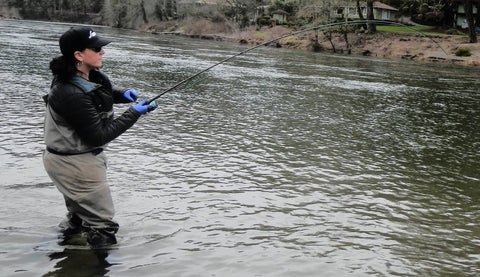
Credit: www.lamiglas.com

Credit: fishingbooker.com
Frequently Asked Questions
How Long Does Fishing Line Last Unopened?
Unopened fishing line can last 3 to 5 years if stored properly. Keep it in a cool, dry place away from sunlight and moisture to maintain its strength and flexibility.
When Should I Replace My Fishing Line?
Replace fishing line if it shows signs of wear, such as fraying, stiffness, or discoloration. Also, change it after heavy use or if it has been stored for over 2 years.
Does Fishing Line Degrade Over Time?
Yes, fishing line degrades due to UV exposure, heat, and moisture. These factors weaken the line, reducing its performance and increasing the risk of breakage during fishing.
How To Extend Fishing Line’s Lifespan?
Store fishing line in a cool, dark, and dry environment. Avoid exposure to sunlight and extreme temperatures. Regularly check for damage and replace when necessary to ensure optimal performance.
Conclusion
Fishing line lifespan varies based on usage and storage. Regularly check your line for wear and damage. Replace it when you see frays or weak spots. Sunlight and heat can shorten its life. Store it in a cool, dark place.
This helps maintain its strength. Different types of lines have different lifespans. Monofilament lasts a few years, while braided lines last longer. Regularly changing your line ensures better fishing experiences. Keep your gear reliable for the best results. Always prioritize safety and efficiency on your fishing trips.
Happy fishing!