If you’ve just found out that your home needs termite tenting, you’re probably wondering: how long is termite tenting going to take? You want to get back to your normal routine as soon as possible, but also make sure the job is done right.
Understanding the timeline can help you plan better and reduce stress. You’ll discover exactly how long termite tenting lasts, what happens during the process, and what you need to do before and after. Keep reading to get clear answers and feel confident about protecting your home.
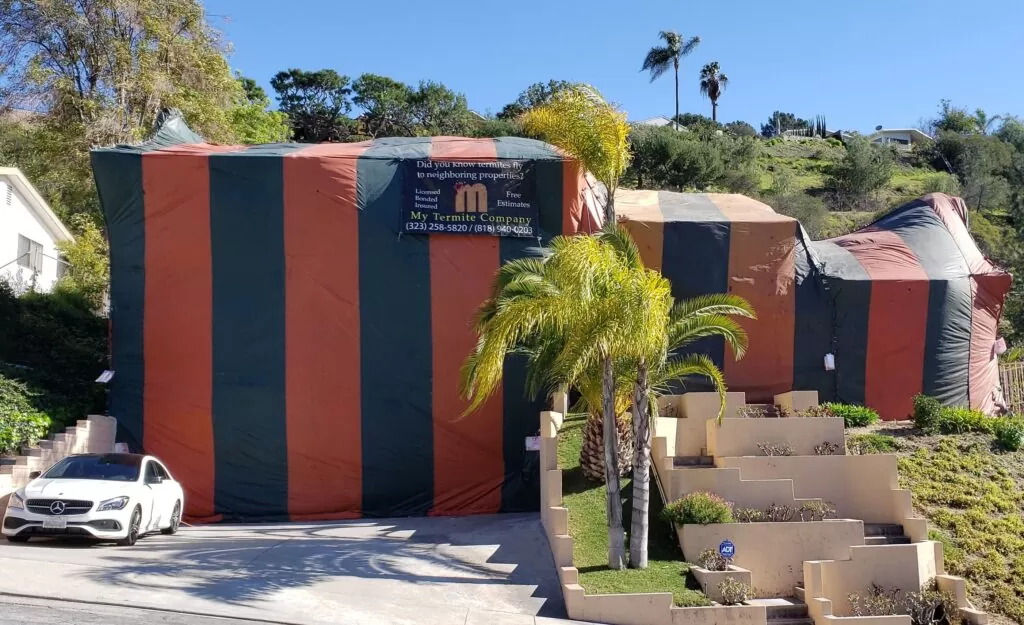
Credit: mytermitecompany.com
What Is Termite Tenting
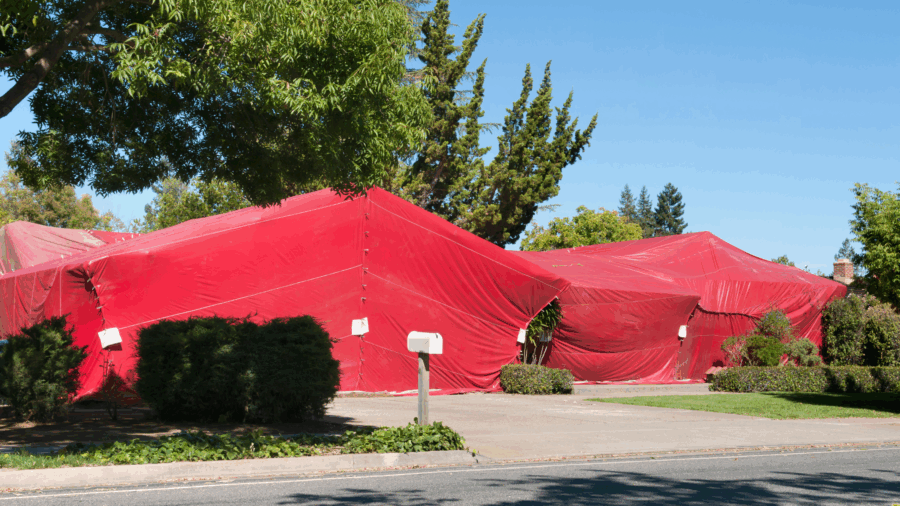
Termite tenting is a way to get rid of termites in a building. It uses a special tent to cover the whole structure.
The tent traps gas inside, which kills the termites. This method works well for big termite problems.
How Termite Tenting Works
The building is covered with a large plastic tent. Then, a gas called fumigant is released inside the tent.
The gas spreads through the wood and kills all the termites inside the building. People must leave the building during this process.
Steps Involved In Termite Tenting
- Cover the building with a plastic tent.
- Seal all openings to keep gas inside.
- Release termite-killing gas inside the tent.
- Keep the tent sealed for the needed time.
- Ventilate the building after treatment.
Safety Precautions During Termite Tenting
People and pets must leave the building before tenting starts. Food and plants must be removed or sealed.
| Precaution | Reason |
| Leave the building | Gas is harmful to people and pets |
| Remove food | Prevent contamination |
| Seal plants | Protect plants from gas damage |
| Ventilate after treatment | Clear toxic gas before return |

Credit: www.ecopestbermuda.com
Typical Duration Of Tenting
Termite tenting is a process that ensures your home is free from these pests. The duration can vary based on several factors.
Understanding the typical timeline helps in planning and preparation. Let’s explore the key stages involved in termite tenting.
Preparation Before Tent Setup
Before the tent goes up, some preparations are necessary. These steps ensure safety and effectiveness during the process.
- Remove all pets and plants from the premises.
- Seal food items and medications securely.
- Notify neighbors about the fumigation schedule.
Fumigation Process Time
The actual fumigation process typically lasts between 24 to 48 hours. This time frame allows the fumigant to penetrate deeply into the structure.
Post-treatment Ventilation
After fumigation, ventilation is crucial. This step ensures that the air is safe and free from chemicals.
| Stage | Duration |
| Fumigation | 24-48 hours |
| Ventilation | 6-8 hours |
| Re-entry | Once cleared by professionals |
Factors Affecting Tenting Length
The length of termite tenting varies based on several factors. These factors influence how long the fumigation process takes.
Understanding these factors helps homeowners prepare for the treatment and know what to expect.
Size Of The Property
Larger properties need more time for termite tenting. Bigger homes require more fumigant and setup time.
- More rooms take longer to cover.
- Multiple floors increase tenting complexity.
- Outdoor structures may add extra time.
Extent Of Infestation
The termite infestation level affects how long the tenting lasts. Severe infestations need longer exposure to the fumigant.
| Infestation Level | Tenting Length | Reason |
| Light | 24 hours | Small areas affected, quick treatment |
| Moderate | 36 hours | More areas affected, longer exposure needed |
| Severe | 48 hours or more | Widespread damage, thorough fumigation required |
Weather Conditions
Weather impacts the fumigation process. Temperature and humidity affect how the gas moves inside the tent.
Key weather factors include:
- Temperature below 50°F slows fumigant effectiveness.
- High humidity can help gas spread better.
- Windy days may delay tent setup for safety.

Credit: www.proventermitesolutions.com
Steps To Prepare Your Home
Before termite tenting, you must prepare your home carefully. This helps ensure safety and a smooth process. Preparation includes removing food and plants, securing pets and people, and packing essentials.
Each step protects your belongings and health. Follow these instructions to get ready for termite treatment.
Removing Food And Plants
Remove all food items from your home. Termite tenting uses strong chemicals that can contaminate food. Also, take out any plants inside and near your house. Chemicals can harm them too.
- Pack food in airtight containers or remove it completely
- Take houseplants outside or place them in a safe area away from the tent
- Clean kitchen surfaces and cupboards thoroughly
- Dispose of any open or uncovered food
Securing Pets And People
Termite tenting is unsafe for people and animals inside the home. Everyone must leave during treatment. Make plans to keep pets safe and comfortable outside your house.
| Who | What to Do |
| Adults and children | Stay outside the home during tenting and for 24 hours after |
| Pets | Keep pets at a friend’s house, kennel, or outdoor shelter far from the home |
| Livestock | Move animals to a safe outdoor area away from the treatment zone |
Packing Essentials
Packing your belongings protects them from chemicals and dust. You will not enter the home for a day or more. Pack items you need for that time.
- Clothing and toiletries for at least 24 hours
- Medications and important documents
- Food and water for your stay away from home
- Electronics and valuables, sealed in plastic if possible
What To Expect During Tenting
Termite tenting is a treatment that removes termites from a home. It takes several days to complete. Knowing what happens helps you prepare for the process.
This guide explains the main steps: sealing the property, applying the fumigant, and safety measures to follow.
Sealing The Property
Workers cover the entire home with a large tent made of plastic sheets. This traps the fumigant gas inside the house. All windows and doors are sealed tightly. This step keeps the gas from escaping and protects the environment outside.
- Furniture and plants are moved outside or covered
- All vents and openings are closed
- Gas detectors are set up to monitor leaks
- The tent is checked for any holes or gaps
Fumigant Application
The fumigant gas is released inside the tent. It reaches all parts of the house, killing termites hiding in wood and walls. The gas stays active for a set time to ensure full treatment.
| Fumigant Type | Exposure Time | Purpose |
| Sulfuryl fluoride | 24 to 72 hours | Kills termites and other pests |
| Other gases | Varies by product | Used in specific treatments |
Safety Measures
No one can enter the home during fumigation. The gas is toxic to humans and pets. After fumigation, the house is aired out to remove all gas traces.
- Stay away from the property until given clearance
- Follow all instructions from pest control professionals
- Do not open the tent or windows during treatment
- Wait for a safety check before re-entering
Aftercare And Follow-up Tips
Termite tenting is a strong treatment that uses chemicals to kill termites. After the treatment, you need to follow some important steps to keep your home safe. Proper aftercare helps prevent problems and keeps your family healthy.
Follow-up actions ensure the treatment works well. These tips help you know what to do after the tenting process ends.
Ventilation And Reentry
After termite tenting, you cannot enter your home right away. The house needs time to air out. This stops you from breathing in harmful chemicals.
Usually, you must wait 24 to 72 hours before reentering. Open all windows and doors to help fresh air flow through the house. Use fans if needed to speed up ventilation.
- Wait at least 24-72 hours before entering
- Open all windows and doors
- Use fans to improve air circulation
- Keep children and pets out until safe
Cleaning And Inspection
After reentering, clean your home carefully. Remove dust and dirt left from the treatment. Use a wet cloth to wipe surfaces and floors.
Inspect your home for any signs of termites. Look at wood, furniture, and walls. If you see damage or new termite activity, contact a pest professional immediately.
- Clean floors, walls, and furniture
- Check for damaged or hollow wood
- Look for mud tubes or termite droppings
- Call a pest expert if you find termites
Preventing Future Infestations
After treatment, take steps to stop termites from coming back. Fix leaks and reduce moisture in your home. Termites like damp wood, so keep your home dry.
Remove wood debris near your house. Use termite barriers if recommended. Regularly inspect your home to catch problems early.
- Fix plumbing leaks and drainage issues
- Keep wood away from soil and foundation
- Use termite barriers around your home
- Schedule regular home inspections
Choosing The Right Pest Control Experts
Termite tenting is a common method to get rid of termites. The process usually takes a few days. Choosing the right pest control experts is important for safety and success.
Good experts follow rules and use the right equipment. They also keep your home safe during the treatment.
Certifications And Experience
Look for pest control companies with proper licenses and certifications. These show they meet state and national standards.
Experienced technicians know how to handle termite tenting safely. They can spot risks and solve problems quickly.
- Check if the company has state pest control licenses
- Ask about certifications from pest control organizations
- Choose experts with several years of termite treatment experience
Customer Reviews
Reading customer reviews helps you learn about the company’s work quality. Honest feedback shows how well they handle termite tenting.
Look for reviews on trusted websites. Pay attention to comments about safety, timing, and professionalism.
- Check for positive feedback on termite tenting services
- Note any complaints about delays or poor communication
- See if customers mention follow-up services or guarantees
Service Guarantees
A reliable pest control company offers service guarantees. This means they stand behind their work and will fix issues if termites return.
Guarantees give you peace of mind. They show the company cares about your satisfaction and home safety.
- Ask if the company provides a warranty for termite tenting
- Check how long the guarantee lasts
- Confirm what the guarantee covers and any conditions
Frequently Asked Questions
How Long Does Termite Tenting Take?
Termite tenting usually takes 24 to 72 hours. The fumigation process itself lasts about 24 hours. Additional time is needed for aeration to remove chemicals safely. Total time depends on home size and termite severity.
When Can I Re-enter My Home After Tenting?
You can re-enter your home 24 to 72 hours after tenting. This allows for safe aeration and ventilation. Pest control professionals ensure all chemicals dissipate before you return. Follow their guidelines strictly for safety.
Does Termite Tenting Kill All Termites Instantly?
Termite tenting effectively kills termites within 24 hours. The fumigant penetrates all wood areas where termites hide. It kills both visible and hidden termites. However, follow-up inspections are recommended to confirm complete elimination.
Is Termite Tenting Safe For Pets And Plants?
No, pets and plants must be removed during termite tenting. Chemicals used are toxic to animals and vegetation. Remove or relocate all pets and plants before fumigation starts. Wait for proper aeration before bringing them back.
Conclusion
Termite tenting usually takes about one to three days. The process includes preparation, fumigation, and airing out. You must leave your home during treatment for safety. After tenting, airing out clears the air of chemicals. This step is crucial before moving back in.
Knowing the timeline helps you plan your schedule well. Quick action can save your home from serious damage. Always follow your pest control expert’s advice carefully. Staying informed leads to better termite control results.