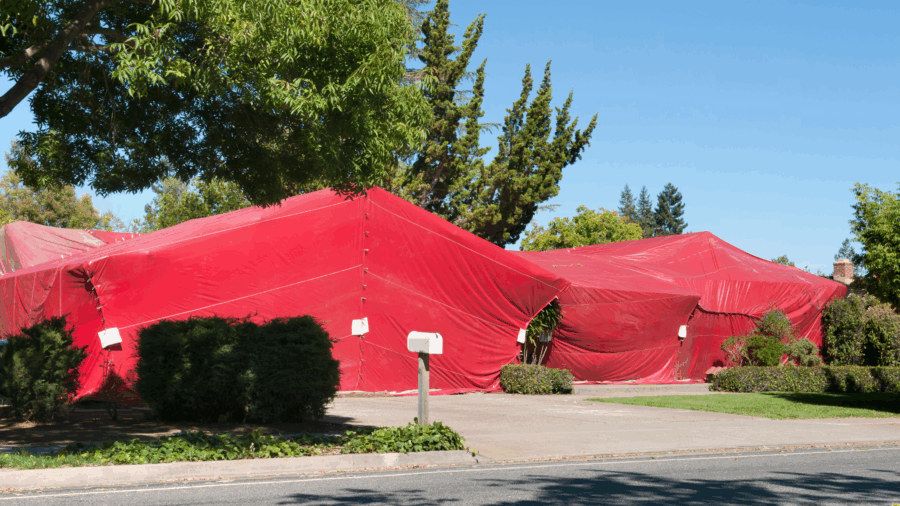
If you’ve spotted termites or worry they might be eating away at your home, you’re probably wondering: how long is termite tenting? Knowing the answer can help you plan your schedule, prepare your family, and protect your belongings.
This process might sound complicated or even scary, but understanding what to expect can make it much easier. You’ll discover exactly how long termite tenting takes, what happens during the treatment, and how to get ready so everything goes smoothly.
Keep reading to take control of the situation and protect your home with confidence.
Termite Tenting Basics
Termite tenting is a way to get rid of termites in a house. The process uses gas to kill the bugs inside the wood.
This method helps protect your home from damage caused by termites. It usually takes a few days to complete.
What Is Termite Tenting
Termite tenting means covering your whole house with a large tent. The tent keeps a gas inside that kills termites.
The gas enters the wood and reaches all parts of the house. This kills termites hidden deep inside.
Why Tent Your Home
You tent your home to stop termite damage. Termites can eat wood and cause serious problems.
Tenting helps protect your home and save money on repairs. It also stops termites from spreading to other places.
- Kills termites inside walls and wood
- Protects home structure from damage
- Prevents termites from coming back soon
- Works faster than some other treatments
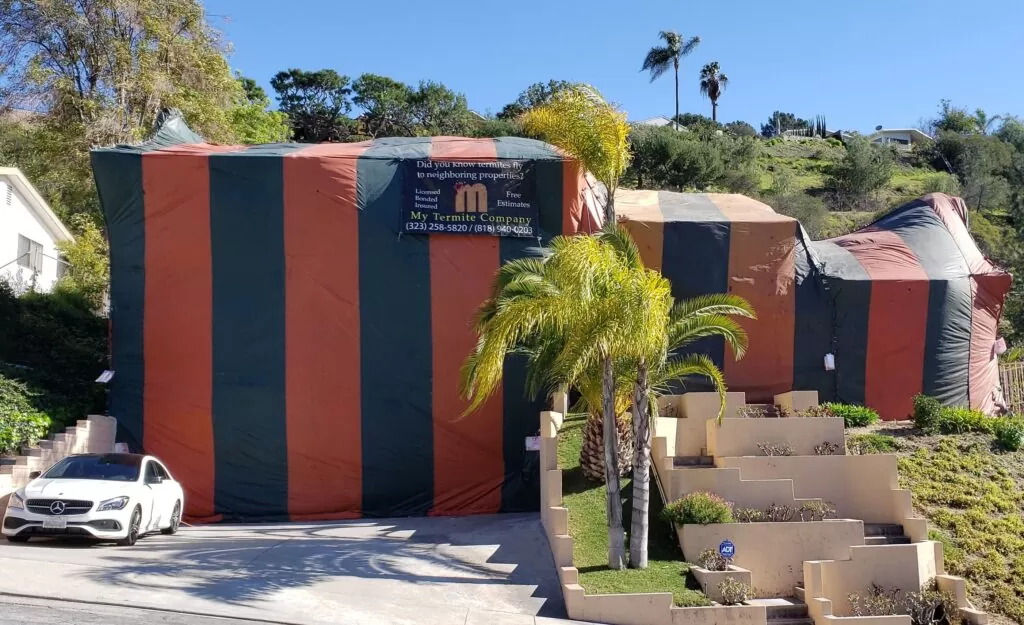
Credit: mytermitecompany.com
Typical Termite Tenting Timeline
Termite tenting is a common method to eliminate termite infestations. The process involves sealing your home in a large tent and fumigating it with gas. Understanding the typical timeline helps homeowners prepare and plan accordingly.
The entire termite tenting process usually takes a few days. It includes preparation, the actual fumigation, and post-treatment steps to ensure safety and effectiveness.
Preparation Before Tenting
Preparing your home properly is important before the tent goes up. You need to remove or protect certain items and make arrangements for your stay.
- Clear food, plants, and pets from the house.
- Seal or remove medications and cosmetics.
- Open closets and cabinets for better gas penetration.
- Arrange a place to stay outside your home.
- Inform neighbors about the treatment.
Duration Of The Tent And Fumigation
Once the tent is installed, the fumigation lasts for a set time. This allows the gas to kill termites throughout the structure.
| Phase | Timeframe |
| Tent Installation | 4 to 8 hours |
| Fumigation | 24 to 72 hours |
| Tent Removal | 1 to 2 hours |
The exact length depends on the chemical used and the size of the home. Your pest control professional will give you a clear schedule.
Post-treatment Ventilation
After the tent is removed, the house must be aired out to remove any remaining gas. This step is critical for safety.
- Open all windows and doors.
- Use fans to increase airflow.
- Wait for at least 2 to 4 hours before re-entering.
- Have the home tested for gas levels if required.
Factors Affecting Treatment Length
Termite tenting is a common method to eliminate termite infestations. The time it takes to complete the treatment varies. Several factors influence how long the tenting will last.
Understanding these factors can help homeowners prepare better and set the right expectations for the process.
Infestation Severity
The level of termite infestation plays a big role in treatment length. A light infestation can be treated more quickly than a heavy one. More termites mean longer treatment and more preparation time.
- Light infestation: Usually takes 24 to 48 hours.
- Moderate infestation: May require 48 to 72 hours.
- Severe infestation: Can take 72 hours or more.
Home Size And Structure
The size and design of your home affect how long the tenting takes. Larger homes need more time to cover and treat. Complex structures with many rooms or levels also add to the time needed.
| Home Size | Approximate Treatment Time |
| Small (under 1,000 sq ft) | 24 to 36 hours |
| Medium (1,000 to 2,500 sq ft) | 36 to 48 hours |
| Large (over 2,500 sq ft) | 48 to 72 hours |
Weather Conditions
Weather can affect the treatment process. Temperature and humidity influence how the chemicals work. Some weather conditions may cause delays or require extra precautions.
Important weather factors include:
- Temperature below 50°F slows treatment
- High humidity can affect chemical effectiveness
- Rain or wind may delay tenting setup or removal
Pre-tenting Preparations
Preparing your home before termite tenting is important for safety. It helps make the process smooth and effective.
You must clear and secure your home and protect valuables and pets. This guide explains these steps in detail.
Clearing And Securing Your Home
Remove all items from inside and outside your house. This includes furniture, decorations, and garden tools near your home.
- Take out all food and drinks from cabinets and pantry.
- Remove plants and outdoor furniture close to walls.
- Open cabinets and drawers to allow tenting gas to reach all areas.
- Close and lock all windows and doors from outside.
- Turn off pilot lights and unplug electrical devices.
Securing your home also means checking your roof and vents. Make sure the tent can cover the entire house without gaps.
Protecting Valuables And Pets
Valuables can be damaged by the chemicals used during tenting. Pets must be kept away for their safety.
| Item | Protection Tips |
| Jewelry and Important Documents | Store in airtight containers outside the home. |
| Indoor Pets | Relocate to a safe place away from the home. |
| Outdoor Pets | Move to a secure kennel or with a trusted caretaker. |
| Plants and Aquariums | Remove or cover completely with plastic. |
Aftercare And Safety
Termite tenting is a common way to treat a home for termites. After the treatment, you must follow safety steps. Proper aftercare keeps your family safe and helps the treatment work well.
Knowing what to do after termite tenting helps you avoid problems. This guide covers when you can reenter your home and cleaning tips.
Reentering Your Home
Do not enter your home right after termite tenting. The chemicals used need time to clear. Usually, you wait 4 to 6 hours before going back inside.
Wait for the pest control team to say it is safe. They will check the air quality. Follow their instructions carefully to avoid health risks.
Cleaning And Maintenance Tips
After you reenter, clean your home well. Open windows and doors to air out the house. This helps remove any leftover chemicals.
Check all surfaces and floors. Wipe down counters, tables, and other places you touch often. Use mild soap and water for cleaning.
- Ventilate your home daily for a few days
- Wash dishes and utensils before use
- Keep pets and children away during ventilation
- Do not vacuum or clean treated areas too soon
- Follow pest control advice on maintenance
Expert Tips For A Smooth Process
Termite tenting is an important process to protect your home from damage. Knowing how long it takes helps you plan better.
This guide shares tips to make termite tenting easier and less stressful for you and your family.
Choosing A Reliable Pest Control Service
Pick a pest control company with good experience in termite tenting. This ensures the job is done right and safely.
Check for proper licenses and positive customer reviews before hiring a service provider.
- Look for companies with termite tenting certification
- Ask about their safety and cleanup procedures
- Compare prices and services before deciding
Scheduling And Planning Ahead
Termite tenting usually takes 1 to 3 days. Plan your schedule to avoid conflicts during this time.
Prepare your home by moving pets and plants outside and packing food items safely.
- Clear your home of people, pets, and plants for tenting days
- Arrange alternative living if needed during the process
- Follow pest control instructions before and after tenting
Signs Of Successful Termite Treatment
Termite tenting is a common method to treat termite infestations. It involves covering a home with a large tent and using chemicals to kill termites.
The tent usually stays in place for several days. Knowing the signs of success helps homeowners feel confident the treatment worked.
What To Expect Post-treatment
After the tent is removed, you may notice some dead termites around your home. This is normal and shows the treatment is working.
It can take a few weeks for all termites to die. You might also see less termite damage over time as the colony dies off.
- Dead termites near wood surfaces
- Reduced termite activity signs
- No new mud tubes on walls
- Wood feels solid and undamaged
Preventing Future Infestations
Once your home is clear of termites, take steps to keep them away. Termites like moist wood and hidden spaces.
Fix leaks and remove wood debris near your house. Regular inspections can catch termites early.
- Keep gutters and downspouts clean
- Seal cracks in foundation and walls
- Store firewood away from the house
- Maintain proper ventilation in crawl spaces
- Have a professional inspection yearly

Credit: www.ecopestbermuda.com

Credit: www.proventermitesolutions.com
Frequently Asked Questions
How Long Does Termite Tenting Take?
Termite tenting usually takes 24 to 48 hours to complete. This includes fumigation and airing out your home. The exact time depends on the property size and infestation level. Your pest control expert will provide a specific timeline before starting.
What Happens During Termite Tenting?
During termite tenting, your home is covered with a tent to trap fumigants. These gases penetrate wood and kill termites inside. The process ensures effective extermination while protecting your property and belongings.
Is It Safe To Stay During Termite Tenting?
No, staying inside during termite tenting is unsafe. The fumigants used are toxic to humans and pets. You must vacate your home for the entire treatment and airing out period.
How Soon Can I Re-enter My Home After Tenting?
You can usually re-enter your home 24 to 48 hours after fumigation. Professionals will test air quality to ensure safety. Follow your pest control company’s instructions carefully before returning.
Conclusion
Termite tenting duration varies based on infestation size and severity. Typically, it lasts from a few hours to several days. Homeowners should prepare for this process. Clear guidance from professionals ensures safety and effectiveness. It’s crucial to follow all instructions carefully.
Proper planning helps minimize disruption. Regular inspections prevent future infestations. Termite tenting is a vital step in protecting your home. A pest-free home is worth the effort. Keep an eye on maintenance and prevention tips. Your home’s health and safety depend on it.
Stay informed and proactive in pest control efforts.