When you’re out saltwater fishing, every detail matters—especially your leader line length. Choosing the right leader line can make the difference between a missed catch and landing that trophy fish.
But how long should your leader line really be? Get it wrong, and you might lose fish or scare them away. Get it right, and you’ll improve your chances of success on the water. You’ll discover the ideal leader line length for saltwater fishing and why it’s so important for your next trip.
Keep reading to make sure your setup is spot on and ready to reel in those big catches.

Credit: www.ebay.com
Role Of Leader Lines
Leader lines play a key role in saltwater fishing. They connect the main line to the lure or hook.
Choosing the right leader length helps improve your fishing experience and catch rates.
Purpose In Saltwater Fishing
Leader lines serve several purposes in saltwater fishing. They protect the main line from sharp teeth and rough surfaces.
- Prevent line breakage from fish bites or rocks
- Reduce visibility of the line near the bait
- Allow natural movement of the lure
- Help absorb sudden pulls from strong fish
Impact On Catch Rates
Leader length affects how often you catch fish. Too short or too long leaders can scare fish away or cause snags.
| Leader Length | Effect on Fishing |
|---|---|
| Short (6-12 inches) | Better lure control but may spook wary fish |
| Medium (12-24 inches) | Balanced visibility and lure action |
| Long (24-36 inches) | Less visible but higher risk of tangles |
Factors Influencing Leader Length
The right leader line length is important for saltwater fishing success. It affects how your bait or lure moves in water.
Many factors determine the best leader length. These include the fish you want to catch, water clarity, and how you fish.
Target Species
Different fish need different leader lengths. Larger fish often require longer leaders to avoid spooking them. Smaller fish may need shorter leaders for better control.
- Big fish like tuna or shark may need leaders over 6 feet long.
- Medium fish like snapper or grouper usually take 3 to 6 feet leaders.
- Small fish like mackerel or sea bass often use leaders shorter than 3 feet.
Water Clarity
Water clarity affects how fish see your line. Clear water calls for longer leaders to keep the line away from the bait. Murky water lets you use shorter leaders.
| Water Clarity | Suggested Leader Length |
| Very Clear | 5 to 8 feet |
| Moderate | 3 to 5 feet |
| Low Visibility | 1 to 3 feet |
Fishing Techniques
Your fishing style changes the leader length. Slow trolling needs longer leaders to reduce line visibility. Casting and jigging often use shorter leaders for better action.
- Trolling: 5 to 8 feet for natural bait movement.
- Casting: 2 to 4 feet for quick lure response.
- Jigging: 1 to 3 feet for precise control.
Tackle And Rod Setup
Your rod and tackle also affect leader length. Heavier rods and stronger lines handle longer leaders well. Light tackle works best with shorter leaders for sensitivity.
| Tackle Type | Rod Strength | Recommended Leader Length |
|---|---|---|
| Heavy Tackle | Strong | 6 to 8 feet |
| Medium Tackle | Medium | 3 to 5 feet |
| Light Tackle | Light | 1 to 3 feet |
Common Leader Lengths
A leader line is important for saltwater fishing. It connects your main line to the lure or hook. Leader length can vary based on water conditions and fish behavior.
Choosing the right leader length helps you catch more fish. Adjusting your leader can make a big difference in your fishing success.
Short Leaders For Clear Water
In clear water, fish can see very well. A short leader helps your bait look natural. Fish are less likely to see the line.
- Short leaders are often 1 to 3 feet long.
- Use them when water clarity is high.
- They work well with light tackle.
Long Leaders For Shy Fish
Some fish are shy and easily scared. Longer leaders keep the lure away from the main line. This makes the bait appear more natural.
Long leaders are helpful in deep or open water. They are also useful when fish are finicky and hard to catch.
- Long leaders range from 6 to 12 feet.
- Use them for wary fish species.
- They are ideal for trolling and drifting.
Adjustments For Heavy Cover
Fishing in heavy cover requires special leader adjustments. Thick vegetation or structures can cause snags. A strong leader helps avoid breakage.
Using the right leader length can prevent losing your catch. It also helps you navigate through complex environments.
- Leader length is usually between 4 to 6 feet.
- Choose a thicker leader for heavy cover.
- Consider abrasion-resistant materials.
Material Choices For Leaders
Choosing the right leader material is important for saltwater fishing. The leader connects your main line to the hook or lure.
Different materials work best for different fish and conditions. They affect strength, visibility, and flexibility.
Monofilament
Monofilament leaders are made from a single strand of nylon. They are strong and stretch under pressure.
This material is easy to handle and knots well. It is also less visible than wire but more visible than fluorocarbon.
- Good for general saltwater fishing
- Works well with spinning reels
- Affordable and widely available
Fluorocarbon
Fluorocarbon leaders are nearly invisible underwater. They sink faster than monofilament and resist abrasion well.
This makes them ideal for clear water and cautious fish. They do not stretch much, giving better hook sets.
- Best for clear water fishing
- Good abrasion resistance
- Less stretch, better sensitivity
Wire Leaders
Wire leaders are made from stainless steel or titanium. They are very strong and resist sharp teeth.
Wire leaders are heavier and less flexible than nylon types. Use them for toothy fish like barracuda or sharks.
- Best for toothy, strong fish
- Very abrasion resistant
- Less flexible and more visible
Tying And Maintaining Leaders
Leader lines are important for saltwater fishing. They connect your main line to the hook or lure. Knowing how long a leader should be helps you catch more fish.
Taking care of your leaders keeps them strong and ready. You should check knots and damage often. Replace leaders when needed to avoid losing fish.
Knot Selection
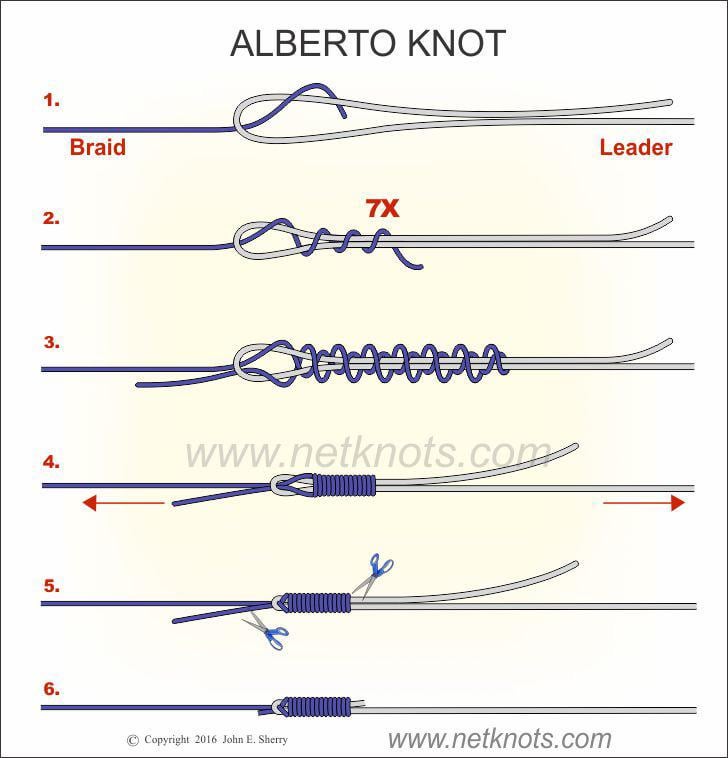
Choose strong knots that hold well under pressure. Knots should not slip or weaken the line. Common knots for leaders include the Palomar and FG knot.
Practice tying knots until they are tight and neat. Wet the line before tightening to reduce friction. Trim excess tag ends to avoid snags.
- Palomar knot: easy and strong
- FG knot: slim and very strong
- Improved clinch knot: good for monofilament
Checking For Damage
Saltwater can wear down leaders quickly. Check your leader for frays, cuts, or weak spots before each use. Even small damage can cause breakage.
Run your fingers along the leader to feel for rough or thin areas. Inspect knots to make sure they are tight and not slipping. Replace the leader if you see damage.
- Look for frayed or broken fibers
- Check knots for slipping or loosening
- Feel for thin spots along the leader
Replacing Leaders
Replace your leader after several uses or if it shows damage. Fresh leaders help prevent fish from breaking free. A good leader length for saltwater fishing is usually 2 to 4 feet.
Cut the old leader off close to the knot. Tie a new leader using your chosen knot. Use a leader strong enough for the fish you expect to catch.
- Replace leaders every few trips or sooner if damaged
- Keep leader length between 2 and 4 feet
- Match leader strength to target fish species

Credit: www.amazon.ca
Expert Tips For Optimal Leader Use
Choosing the right leader line length is key for saltwater fishing success. The leader connects your main line to your lure or bait.
Using the right length helps with casting, fish strikes, and avoiding line breaks. Let’s explore expert tips for leader length.
Adapting To Conditions
Water clarity and current affect how long your leader should be. Clear water needs longer leaders for stealth.
In rough or murky water, shorter leaders work better. They give you better control and less chance of tangles.
- Clear water: 12-18 feet leaders
- Murky water: 6-10 feet leaders
- Strong current: shorter leaders to keep control
Balancing Strength And Stealth
Leaders must be strong to handle fish but thin enough to stay hidden. Thicker leaders scare fish away.
Use fluorocarbon leaders for clear water because they are less visible. Monofilament leaders work well in rough water.
- Match leader strength to target fish size
- Use thinner leaders for shy fish
- Thicker leaders for toothy species or heavy cover
Seasonal Adjustments
Fish behavior changes with seasons. Adjust your leader length to match their feeding habits.
In colder months, fish may be less active. Use longer leaders to avoid spooking them. In warmer months, shorter leaders allow faster hook sets.
- Winter: 12-18 feet for cautious fish
- Spring and summer: 6-12 feet for active fish
- Fall: adjust based on water clarity and fish activity

Credit: www.reddit.com
Frequently Asked Questions
What Is The Ideal Leader Line Length For Saltwater Fishing?
The ideal leader line length ranges from 18 to 36 inches. It depends on target species and fishing conditions. Longer leaders offer better stealth in clear water. Shorter leaders provide more control with heavy tackle.
Why Does Leader Length Matter In Saltwater Fishing?
Leader length affects lure presentation and fish strikes. A proper length prevents fish from seeing the main line. It also reduces line visibility and abrasion. This increases your chances of a successful catch.
How Do Water Conditions Affect Leader Line Length?
Clear water requires longer leader lines for better invisibility. Murky or rough water allows shorter leaders since visibility is reduced. Adjust leader length based on water clarity and current strength for best results.
Can Leader Line Length Impact Casting Distance?
Yes, longer leaders may reduce casting distance slightly. Shorter leaders improve control and casting accuracy. Balance leader length to maintain distance and presentation effectiveness when fishing saltwater.
Conclusion
Choosing the right leader line length helps catch more fish. Too short, and fish may see the line. Too long, and casting becomes hard. A good leader line balances strength and invisibility. Usually, 3 to 6 feet works well for saltwater fishing.
Always adjust based on fish type and water conditions. Keep it simple and test what feels best. This small detail can improve your fishing success. Try different lengths to find your perfect match.