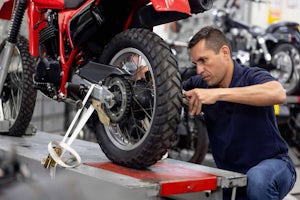
Wondering how long your motorcycle tires should really last? You might think they wear out quickly or maybe last forever, but the truth depends on a few key factors.
Knowing when to replace your tires isn’t just about saving money—it’s about keeping you safe on every ride. You’ll discover the signs that show your tires are ready for a change, how different riding styles affect their lifespan, and simple tips to get the most miles out of them.
Keep reading to make sure your next ride is smooth, safe, and worry-free.

Credit: www.reddit.com
Factors Affecting Tire Lifespan
Motorcycle tires do not last forever. Many factors change how long they stay good. Knowing these can help you get the best life from your tires.
Some things you can control, like how you ride and care for your tires. Others, like road types, are less in your hands. Let’s look at key factors affecting tire lifespan.
Tire Type And Quality
Tires come in different types and quality levels. Sport tires last less than touring tires. Cheap tires often wear out faster than good brands.
Higher quality tires use better rubber and designs. This means they grip well and last longer. Always choose tires made for your bike and riding needs.
- Sport tires wear out quickly due to soft rubber
- Touring tires last longer with harder compounds
- Premium brands use better materials and technology
Riding Style And Habits
How you ride greatly affects tire life. Fast acceleration, hard braking, and sharp cornering wear tires faster. Smooth riding helps tires last longer.
Frequent short trips may not heat tires enough to wear evenly. Riding at high speeds or carrying heavy loads can also reduce tire life.
- Aggressive riding wears tires quickly
- Smooth acceleration and braking extend tire life
- Heavy loads increase tire pressure and wear
- Short trips may cause uneven wear
Road Conditions
Road surfaces impact how fast tires wear out. Rough, gravel, or uneven roads cause more damage than smooth asphalt. Potholes and debris can cause cuts and punctures.
Wet or icy roads can make tires lose grip, which sometimes causes slipping and faster wear. Riding mostly on highways usually wears tires slower than city streets.
- Rough roads increase tire wear and damage
- Gravel can cause cuts and punctures
- Highway riding usually extends tire life
- Wet roads increase slipping and tire wear
Maintenance Practices
Proper tire care helps tires last longer. Check tire pressure often and keep it at the recommended level. Low pressure causes extra heat and wear.
Regularly inspect tires for cuts, cracks, or uneven wear. Balance and alignment also affect how evenly tires wear. Replace tires when tread depth is low or damage appears.
- Keep tire pressure at the correct level
- Inspect tires for damage regularly
- Balance and align wheels as needed
- Replace tires with low tread depth or damage

Credit: www.reddit.com
Average Mileage Expectations
Motorcycle tire life depends on many things. Riding style, road type, and tire type matter.
Knowing average mileage helps you plan when to change tires. Tires wear out and lose grip.
Sportbike Tires
Sportbike tires wear faster because of speed and cornering. They use soft rubber for better grip.
Average mileage is usually lower than other types. Expect about 3,000 to 6,000 miles before replacement.
- Soft rubber compounds wear out quickly
- High speed and sharp turns increase wear
- Check tires often for tread depth
Cruiser Tires
Cruiser tires last longer because they use harder rubber. They focus on comfort and durability.
Typical mileage ranges from 8,000 to 12,000 miles. Riding slow and steady helps extend tire life.
- Harder rubber means slower wear
- Less aggressive riding improves tire life
- Check for cracks or flat spots
Touring Tires
Touring tires are made for long distances. They balance grip, comfort, and durability.
These tires often last 10,000 to 15,000 miles. Proper inflation and load help maintain tire life.
- Designed for long rides and heavy loads
- Maintain proper tire pressure
- Rotate tires if recommended
Off-road Tires
Off-road tires face rough terrain and sharp rocks. They wear unevenly and faster than street tires.
Expect 2,000 to 5,000 miles depending on surface and riding style. Check tread depth often for safety.
- Soft tread blocks wear quickly on hard surfaces
- Rough terrain causes faster damage
- Regular inspections prevent accidents
Signs Of Tire Wear
Motorcycle tires wear down with use and time. Knowing the signs of wear helps keep you safe on the road.
Check your tires regularly for damage or wear. This guide shows common signs to watch for.
Tread Depth Indicators
Tread depth is key for good grip and water drainage. Tires have built-in indicators to show when tread is low.
- Look for small bars between the tread grooves.
- When these bars become flush with the tread, it’s time to replace the tire.
- Low tread depth reduces traction and increases risk of slipping.
Uneven Wear Patterns
Uneven tire wear can mean problems with alignment or suspension. It also reduces tire life and safety.
| Wear Type | Possible Cause |
| Center wear | Over-inflation |
| Edge wear | Under-inflation |
| One side wear | Misalignment or bent forks |
| Patchy wear | Suspension issues |
Cracks And Dry Rot
Cracks on the tire surface or sidewalls mean the rubber is drying out. This is called dry rot.
- Check for small cracks or splits in the rubber.
- Dry rot weakens the tire and can cause sudden failure.
- Store tires away from sunlight and heat to slow dry rot.
Handling Changes
Feel changes in how your motorcycle handles. Worn tires can cause poor grip and unstable rides.
- The bike may feel loose or slide in corners.
- You might notice longer stopping distances.
- Vibrations or wobbling at certain speeds can also indicate tire wear.
Extending Tire Life
Motorcycle tires do not last forever. Proper care helps them last longer. You can save money and stay safe by extending tire life.
Small actions like checking your tires often can make a big difference. Here are some tips to keep your tires in good shape.
Proper Inflation
Keep your tires inflated to the correct pressure. Too much or too little air causes uneven wear. Check tire pressure before every ride.
Use a reliable gauge to measure pressure when tires are cold. Follow the manufacturer’s recommended pressure for your bike model.
- Check pressure at least once a week
- Adjust pressure for load and road conditions
- Use the pressure listed on the tire or in the manual
Regular Inspections
Look at your tires closely for damage or wear. Check for cracks, cuts, or objects stuck in the tread. Replace tires if damage is serious.
Inspect tread depth to know if tires are still safe. Use a tread depth gauge or look for wear indicators built into the tire.
- Inspect tires before every ride
- Check for uneven wear patterns
- Replace tires if tread is below 2 mm
Balanced Riding Techniques
Ride smoothly to reduce tire wear. Avoid hard braking, fast acceleration, and sharp turns. These actions cause quick tire damage.
Keep steady speeds and avoid overloading your bike. Balanced riding helps tires wear evenly and last longer.
- Accelerate and brake gently
- Take corners at moderate speed
- Keep bike load within limits
Storage Tips
Store your motorcycle in a cool, dry place. Avoid direct sunlight and extreme temperatures. These conditions damage tire rubber over time.
Keep tires off the ground if you store your bike for a long time. Use stands or blocks to prevent flat spots and pressure damage.
- Store bike indoors if possible
- Use tire covers to block sunlight
- Lift tires off the floor for long storage
When To Replace Tires
Motorcycle tires wear down with use. Knowing when to replace them keeps you safe on the road.
Replace tires before they become too worn or unsafe. This helps avoid accidents and poor performance.
Mileage Benchmarks
Most motorcycle tires last between 3,000 and 15,000 miles. The exact mileage depends on tire type and riding style.
Sport tires wear faster than touring tires. Check your tire’s manufacturer recommendations for mileage limits.
- Sport tires: 3,000 to 6,000 miles
- Touring tires: 8,000 to 15,000 miles
- Dual-sport tires: 5,000 to 10,000 miles
Safety Considerations
Tires lose grip as the tread wears down. This makes riding risky, especially on wet roads.
Replace tires if the tread depth is below 1/32 inch. Also, look for cracks, bulges, or flat spots.
- Check tread depth regularly with a gauge
- Inspect tires for visible damage
- Replace tires if you feel vibration or wobbling
Legal Requirements
Many places have laws about minimum tread depth. Riding with illegal tires can lead to fines.
Check local rules for tire tread limits. Usually, the minimum is 1/32 inch or 2/32 inch.
- Follow your area’s tire tread laws
- Replace tires that do not meet legal depth
- Use tires that fit your motorcycle’s specifications
Choosing The Right Replacement Tires
Replacing motorcycle tires is important for safety and performance. Choosing the right tires depends on your bike and how you ride.
This guide helps you pick tires that fit your motorcycle and riding needs.
Matching Tire To Motorcycle Type
Different motorcycles need different tires. Sport bikes, cruisers, and dirt bikes all have unique tire needs.
- Sport Bikes:Use tires with good grip and fast response.
- Cruisers:Prefer durable tires with long tread life.
- Dirt Bikes:Require tires with deep tread for off-road traction.
- Touring Bikes:Need tires that offer comfort and durability over long distances.
Performance Vs Durability
Performance tires offer better grip and handling but wear out faster. Durable tires last longer but may reduce ride sharpness.
| Type | Pros | Cons |
| Performance | Better grip, sharper handling | Shorter lifespan, higher cost |
| Durability | Longer tread life, lower cost | Less grip, slower response |
Budget And Brand Options
Tires come in many price ranges and brands. Some brands offer premium quality at a higher price. Others provide good value for less money.
- Set a budget before shopping for tires.
- Read reviews to learn about brand quality.
- Buy tires that match your riding style and budget.
- Consider warranties and customer service.

Credit: www.reddit.com
Frequently Asked Questions
How Long Do Motorcycle Tires Typically Last?
Motorcycle tires usually last between 3,000 to 15,000 miles. The lifespan depends on tire type, riding style, and road conditions. Regular maintenance and proper inflation help extend tire life. Check tires frequently for wear and replace them when tread depth is low or damage occurs.
What Factors Affect Motorcycle Tire Lifespan?
Tire lifespan depends on factors like riding habits, tire quality, road surfaces, and climate. Aggressive riding, high speeds, and heavy loads reduce tire life. Smooth roads and moderate speeds help tires last longer. Proper tire care and storage also significantly impact durability.
When Should You Replace Motorcycle Tires?
Replace tires when tread depth reaches 1/32 inch or if visible damage appears. Cracks, punctures, and uneven wear indicate the need for replacement. Old tires can harden and lose grip, even if tread looks fine. Regularly inspect tires to ensure safe riding conditions.
Can Tire Pressure Influence Motorcycle Tire Longevity?
Yes, maintaining correct tire pressure is crucial for tire longevity. Underinflated or overinflated tires wear unevenly and reduce grip. Check pressure monthly and before long rides using manufacturer recommendations. Proper inflation ensures better handling, fuel efficiency, and longer tire life.
Conclusion
Motorcycle tires usually last between 3,000 and 15,000 miles. Many factors affect tire life, like road type and riding style. Checking tires often helps spot wear early. Proper tire care keeps you safe on the road. Change tires when tread gets low or cracks appear.
Good tires improve handling and riding comfort. Remember, regular maintenance saves money and prevents accidents. Keep an eye on your tires to ride with confidence.