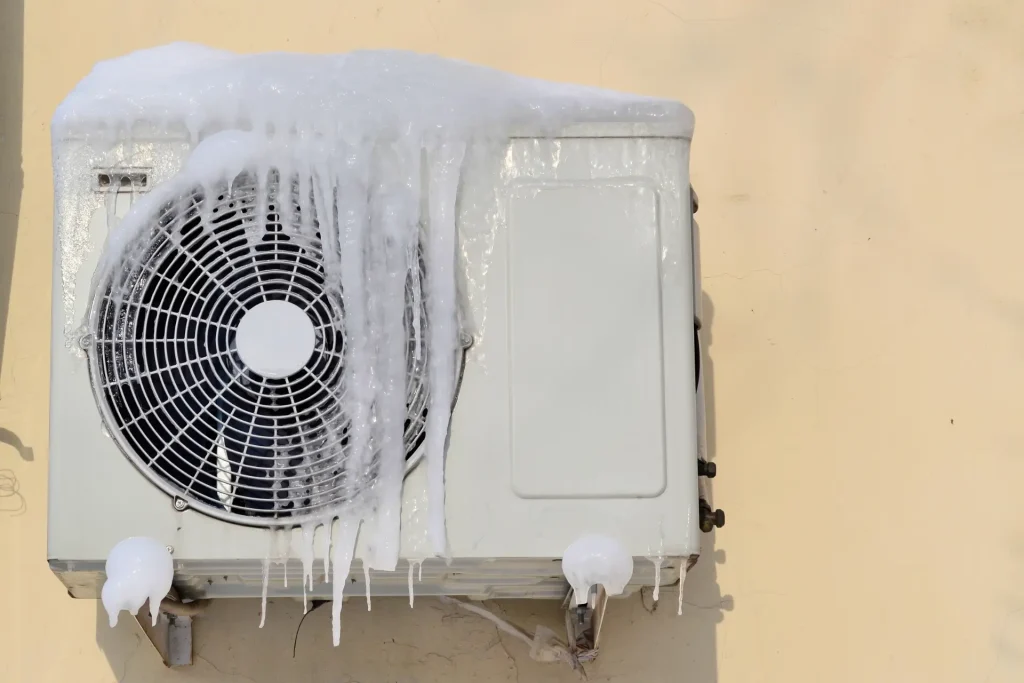
Wondering how long your air conditioner should last before you need a replacement? You rely on it to keep your home cool and comfortable, especially during the hottest days.
Knowing the typical lifespan of an air conditioner can help you plan for repairs or upgrades and avoid unexpected breakdowns. You’ll discover exactly how long you can expect your AC to work efficiently and what signs to watch for when it’s time to consider a new unit.
Keep reading to protect your comfort and save money in the long run.
Credit: www.abcsouthwest.com
Typical Lifespan Of Air Conditioners
Air conditioners usually last between 10 to 15 years with proper care. Regular maintenance can extend their lifespan and improve efficiency. Wear and tear or poor upkeep may shorten how long they work well.
Central Air Conditioners
Central air conditionersusually last about 12 to 15 years. Proper maintenance, like cleaning filters and checking refrigerant, can extend this. These units cool entire homes and are more durable than others. Over time, parts may wear out, causing less efficiency. Regular check-ups help keep them working well.
Window Units
Window air conditionersoften last 8 to 12 years. They are easier to install but less powerful than central systems. These units cool single rooms and need regular cleaning. Dust and dirt can block airflow and reduce cooling. Replacement is common when repairs cost more than half the unit’s price.
Portable Air Conditioners
Portable air conditionershave a shorter lifespan, around 6 to 10 years. These move easily between rooms but are less efficient. Frequent use and poor maintenance can shorten their life. Keep the filters clean and store them properly in winter. This helps them last longer and work better.
Factors Affecting Air Conditioner Longevity
Quality of installationplays a big role in how long an air conditioner lasts. A well-installed unit works better and breaks less often. Poor installation can cause leaks and other problems.
Frequency of useaffects the lifespan too. Units used more often wear out faster. A home with heavy use may need a replacement sooner.
Maintenance practicesare very important. Regular cleaning and filter changes keep the system healthy. Neglect can lead to breakdowns and costly repairs.
Climate and environmentalso impact durability. Hot, humid, or dusty places strain air conditioners more. Coastal areas with salty air can cause rust and damage.
Signs Your Air Conditioner Is Aging
Reduced cooling efficiencymeans your air conditioner struggles to keep rooms cool. It takes longer to reach the desired temperature. The air may not feel as cold as before.
Increased energy billscan signal an aging unit. Your AC uses more power to do the same job. This leads to higher electricity costs each month.
Frequent repairsare a sign the system is wearing out. You might fix it often, but problems keep coming back. Repair costs can add up quickly.
Strange noises or smellscoming from the unit can be worrying. Buzzing, rattling, or hissing sounds may happen. Odd smells could mean mold or burning parts inside.

Credit: www.achrnews.com
Extending Your Air Conditioner’s Lifespan
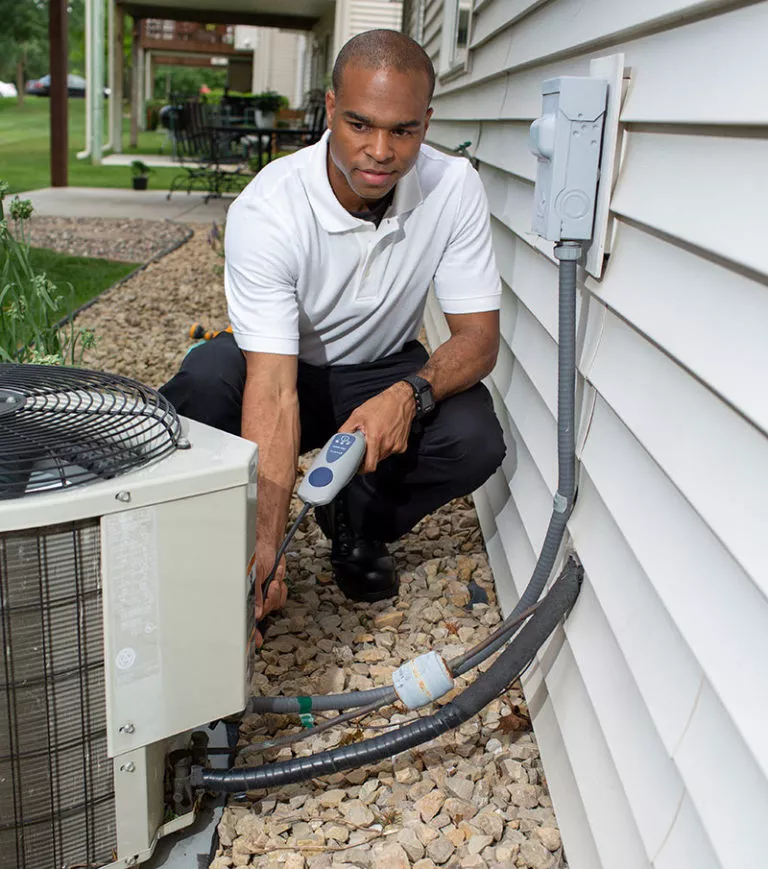
Keeping your air conditioner in good shape can make it last longer. Regular maintenancehelps avoid big problems and keeps it working well. Clean or replace the filters often to stop dust from building up. This helps the air flow better and keeps the air fresh.
Use the air conditioner wisely. Avoid setting the temperature too low. Turn it off when not needed to save energy. This reduces wear and tear.
| Maintenance Task | How Often | Why It Matters |
|---|---|---|
| Replace filters | Every 1-3 months | Prevents dust buildup and improves air flow |
| Clean coils | Once a year | Keeps system efficient and cools better |
| Professional inspection | Once a year | Checks for issues and keeps system running smoothly |
Choosing A Replacement Air Conditioner
Energy efficiency ratingsshow how much power a unit uses. Higher ratings mean lower bills. Look for units with an Energy Star label. These use less electricity and help the environment.
Choosing the right size is key. A unit too small cannot cool well. A unit too big wastes energy and money. Check the room size and ask for help if unsure.
- Smart featureslike timers and remote control add comfort.
- Some models connect to your phone for easy control.
- Look for easy-to-use settings and quiet operation.
| Budget | What to Expect |
|---|---|
| Low | Basic models with fewer features, less energy efficient |
| Medium | Good energy savings, some smart features included |
| High | Top energy ratings, advanced smart controls, quiet operation |

Credit: www.callfastair.com
Frequently Asked Questions
How Long Do Air Conditioners Typically Last?
Air conditioners typically last between 10 to 15 years. The lifespan depends on factors like usage, maintenance, and model quality. Regular servicing can extend its life. Properly maintained units often function efficiently for longer, saving on repair costs.
What Affects An Air Conditioner’s Lifespan?
Several factors affect an air conditioner’s lifespan, including regular maintenance, usage patterns, and environmental conditions. Quality of installation and the unit’s brand also play crucial roles. Consistent servicing can prevent breakdowns and extend the unit’s operational life, ensuring optimal performance.
How Can I Extend My Air Conditioner’s Life?
Regular maintenance is key to extending an air conditioner’s life. Clean filters and coils regularly to ensure efficient performance. Schedule annual professional inspections to check for issues. Avoid overworking the unit by setting appropriate temperatures and using energy-efficient settings.
When Should I Replace My Air Conditioner?
Consider replacing your air conditioner if it’s over 15 years old or frequently malfunctions. Rising energy bills and inadequate cooling are also signs. Newer models are more energy-efficient, which can save you money in the long run. Regular assessments can help decide the right time.
Conclusion
Air conditioners usually last about 10 to 15 years. Regular care helps them run longer. Clean filters and checkups keep the system healthy. Watch for strange noises or weak cooling. These signs mean it may need repair or replacement. Choose the right model to fit your home.
Proper use saves money and energy. Enjoy cool air without worries by maintaining your AC well. Remember, a well-kept air conditioner gives better comfort and lasts longer.