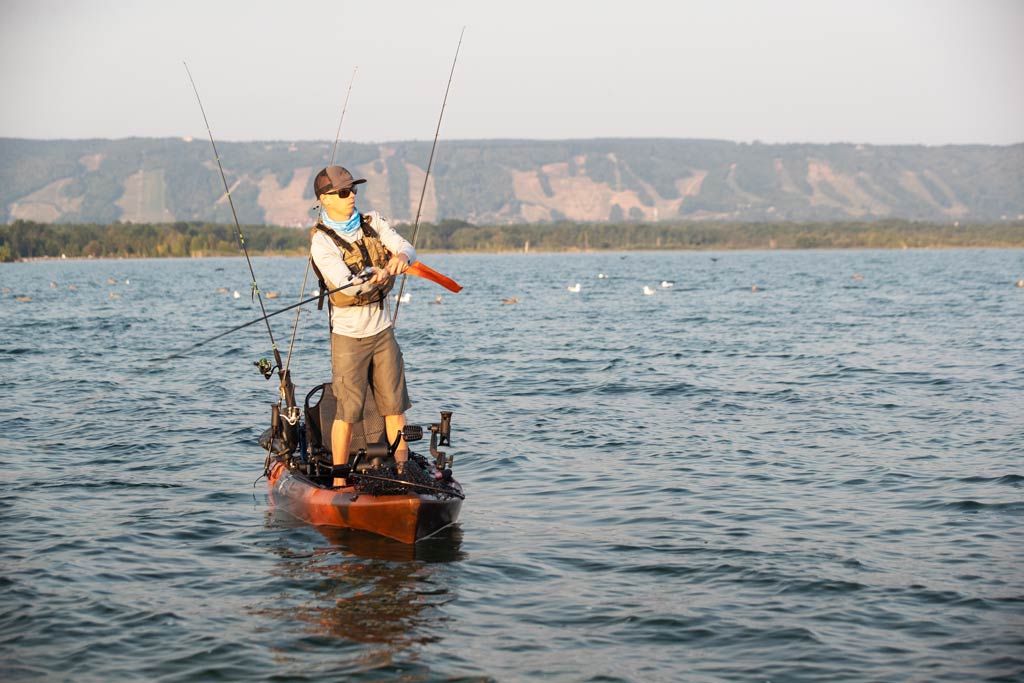
Choosing the right fishing rod length can make all the difference in your fishing experience. But how long should your fishing rod be?
This simple question can affect how far you cast, how much control you have, and even how comfortable you feel while fishing. Whether you’re a beginner or looking to upgrade your gear, understanding the ideal rod length for your needs will help you catch more fish and enjoy every moment on the water.
Keep reading, and you’ll discover the key tips to pick the perfect fishing rod length tailored just for you.

Credit: mysterytacklebox.com
Choosing Rod Length
Choosing the right fishing rod length is important for a good fishing experience. The length affects how far you can cast and how easy it is to control the rod.
Different fishing styles need different rod lengths. Knowing what to use helps you catch fish better and enjoy fishing more.
Factors Affecting Rod Length
Several factors change which rod length is best. These include where you fish, the type of fish, and your casting style.
For example, fishing in small streams needs a shorter rod for control. Fishing in open water can use longer rods to cast far.
- Fishing location (small streams or open water)
- Target fish size and strength
- Type of bait and casting distance needed
- Personal comfort and handling ability
Types Of Fishing And Rod Sizes
Different fishing types work best with specific rod sizes. Knowing these sizes helps you pick the right rod for your trip.
Shorter rods work well for close fishing, while longer rods help with long-distance casting.
| Fishing Type | Recommended Rod Length |
|---|---|
| Fly Fishing | 7 to 9 feet |
| Freshwater Spinning | 6 to 7 feet |
| Surf Fishing | 9 to 12 feet |
| Ice Fishing | 2 to 4 feet |
| Boat Fishing | 6 to 7 feet |
Short Rod Benefits
Choosing the right fishing rod length is important. Short rods offer many benefits for anglers.
They are easier to handle and work well in tight areas. Let’s look closer at why short rods are useful.
Advantages In Small Spaces
Short rods fit better in small spaces like boats, kayaks, or crowded shorelines. They are easier to move around.
These rods allow quick casts without hitting nearby objects. They give better control where space is limited.
- More maneuverable in tight spots
- Easier to store and carry
- Less chance of snagging on trees or rocks
- Better control for precise casting
Best Uses For Short Rods
Short rods work well for certain types of fishing. They are perfect for fishing in streams, small rivers, and ponds.
They also suit fishing with light lures or baits. Anglers use short rods for bass fishing, panfish, and ice fishing.
- Fishing from boats or kayaks
- Fishing in dense vegetation or brush
- Fishing in small rivers and streams
- Ice fishing in cold weather
Long Rod Advantages
Choosing the right fishing rod length affects your fishing experience. Long rods offer several benefits for anglers.
They help improve casting and make handling bigger fish easier. Let’s explore these advantages.
Casting Distance Improvements
Longer rods let you cast bait or lures farther into the water. This helps reach fish that stay far from the shore or boat.
The longer rod acts like a lever, giving your cast more power and speed. This can improve your chances to catch fish.
- More line is released with each cast
- Better control over the lure’s path
- Ability to reach deeper or hidden spots
Handling Larger Fish
Long rods provide better control when fighting big fish. The extra length helps absorb the fish’s strong pulls.
This reduces the chance of the line breaking. You can keep steady pressure on the fish while tiring it out more easily.
- More leverage to control fish movements
- Less strain on your arms and hands
- Improved hook setting and fighting ability
Rod Length And Casting Style
Choosing the right fishing rod length depends on your casting style. The rod length affects how far and how accurately you can cast.
Different casting styles work best with certain rod lengths. Understanding this helps you pick the best rod for your fishing needs.
Overhead Casting
Overhead casting uses a straight, up-and-over motion. It works well with longer rods for more power and distance.
Rods between 7 to 9 feet long fit overhead casting. Longer rods help you cast farther and control the line better.
- 7-foot rods are good for accuracy and control
- 8 to 9-foot rods increase casting distance
- Long rods help in open spaces with few obstacles
Sidearm Casting
Sidearm casting uses a low, sideways motion. It is useful for casting under trees or low branches.
Shorter rods, about 6 to 7 feet, work best for sidearm casting. They offer better control and quick movements.
- Short rods make it easier to cast in tight spaces
- They help keep the line low to avoid obstacles
- Ideal for fishing near bushes and trees
Matching Rod Length To Fish Species
Choosing the right fishing rod length helps catch fish better. Different fish need different rod sizes for best results.
Shorter rods give more control in tight spaces. Longer rods cast farther and help fight big fish.
Freshwater Species
Freshwater fish vary in size from small panfish to large bass or pike. Use a rod length that fits the fishing spot and fish size.
For small fish like bluegill, a 5 to 6-foot rod works well. For bigger fish like bass or catfish, use rods 6 to 7 feet long.
- 5-6 feet: Panfish, trout, crappie
- 6-7 feet: Bass, catfish, walleye
- 7+ feet: Pike, muskie (for longer casts)
Saltwater Species
Saltwater fishing often needs stronger rods for bigger fish and rougher water. Rod length depends on species and fishing style.
Short rods (6-7 feet) work well for inshore fish like redfish and snook. Longer rods (7-9 feet) help cast farther for surf fishing or bigger species.
- 6-7 feet: Redfish, snook, sea trout
- 7-9 feet: Striped bass, bluefish, surf fishing
- 9+ feet: Offshore big fish like tuna or mahi-mahi
Transport And Storage Tips
Fishing rods come in many lengths. Choosing the right length helps with transport and storage.
Proper handling keeps your rod safe and lasts longer. This guide covers helpful tips.
Portability Considerations
Long fishing rods can be hard to carry. Think about how you will move your rod.
Shorter rods fit in smaller spaces and are easier to transport. Telescopic rods fold down well.
- Use rod tubes or cases to protect your rod during travel
- Break down multi-piece rods to fit in bags or backpacks
- Choose a rod length that matches your transport method (car, bike, or walking)
- Keep rods secured to avoid damage from bumps or drops
Rod Maintenance
Cleaning your rod after use helps prevent damage. Salt and dirt can harm rod materials.
Store rods in a dry place. Avoid bending or leaning rods to keep their shape.
- Rinse rods with fresh water after saltwater fishing
- Dry rods fully before storing to stop rust and mold
- Use rod holders or racks to keep rods straight
- Check guides and reel seats for damage regularly
Expert Recommendations
Choosing the right fishing rod length is key to fishing success. The rod length affects casting distance and control. Experts suggest considering your fishing style and environment.
Understanding popular rod lengths helps you pick the best option. Customizing your setup makes fishing more comfortable and effective.
Popular Rod Lengths
Fishing rods usually range from 5 to 12 feet. Different lengths suit various fishing types. Short rods give control in tight spaces. Long rods help cast far in open water.
| Rod Length | Best Use | Advantages |
| 5 to 6 feet | Small streams, close range | Easy control, accurate casts |
| 7 to 8 feet | General freshwater fishing | Good balance of distance and control |
| 9 to 12 feet | Surf fishing, long casts | Long casting distance |
Customizing Your Setup
Adjusting rod length to your needs improves fishing comfort. Consider where you fish and what you catch. Use shorter rods in dense areas and longer rods in open water.
- Match rod length to fishing location
- Pick a rod that feels comfortable in hand
- Think about the fish size and type
- Balance rod length with reel and line

Credit: www.reddit.com

Credit: mysterytacklebox.com
Frequently Asked Questions
What Is The Ideal Fishing Rod Length For Beginners?
The ideal rod length for beginners is between 6 to 7 feet. This range offers better control and easier handling. It helps new anglers cast accurately and learn fishing techniques comfortably.
How Does Rod Length Affect Casting Distance?
Longer rods generally increase casting distance by providing more leverage. Short rods offer better accuracy but shorter casts. Choose rod length based on whether you prioritize distance or control in fishing.
Which Rod Length Suits Freshwater Fishing Best?
A fishing rod between 6 to 7 feet is best for freshwater fishing. It offers versatility for casting in lakes, rivers, and streams. This length balances control and casting distance well.
Does Rod Length Impact Fish Species You Can Catch?
Yes, rod length influences targeting specific fish species. Longer rods help catch larger fish by offering more power. Shorter rods are ideal for smaller fish and tight spaces.
Conclusion
Choosing the right fishing rod length affects your fishing success. Short rods give better control in tight spots. Long rods help cast far and cover more water. Think about where and how you fish most. Try different lengths to find what feels best.
Fishing is about comfort and technique, not just gear. The right rod length makes fishing easier and more fun. Keep it simple and enjoy your time on the water.