Pumping breast milk is an important part of caring for your baby. But many new moms ask, how long should I pump for breast milk? This question is very common. The answer depends on many things. This article will help you understand how long you should pump and why.
Why Do Mothers Pump Breast Milk?
Pumping breast milk helps mothers feed their babies when they cannot breastfeed directly. It also helps keep milk supply strong. Some moms pump to store milk for later use. Others pump when they go back to work. Pumping is useful and can make feeding easier.

Credit: www.reddit.com
How Does Pumping Work?
A breast pump works by gently pulling milk from the breast. The pump creates suction that helps milk flow out. Most pumps have two settings: speed and strength. The settings can be changed to make pumping comfortable.
How Long Should Each Pumping Session Last?
Experts usually say to pump for 15 to 20 minutes each time. This is enough to get most of the milk. Pumping longer than 20 minutes may not give more milk. It can also make your breasts sore.
At the start, pumping might take a little longer. Your body needs time to get used to the pump. After a while, pumping usually becomes faster and easier.
Why 15 To 20 Minutes?
- It lets your breasts empty well.
- It prevents discomfort or pain.
- It helps keep your milk supply steady.
How Often Should You Pump?
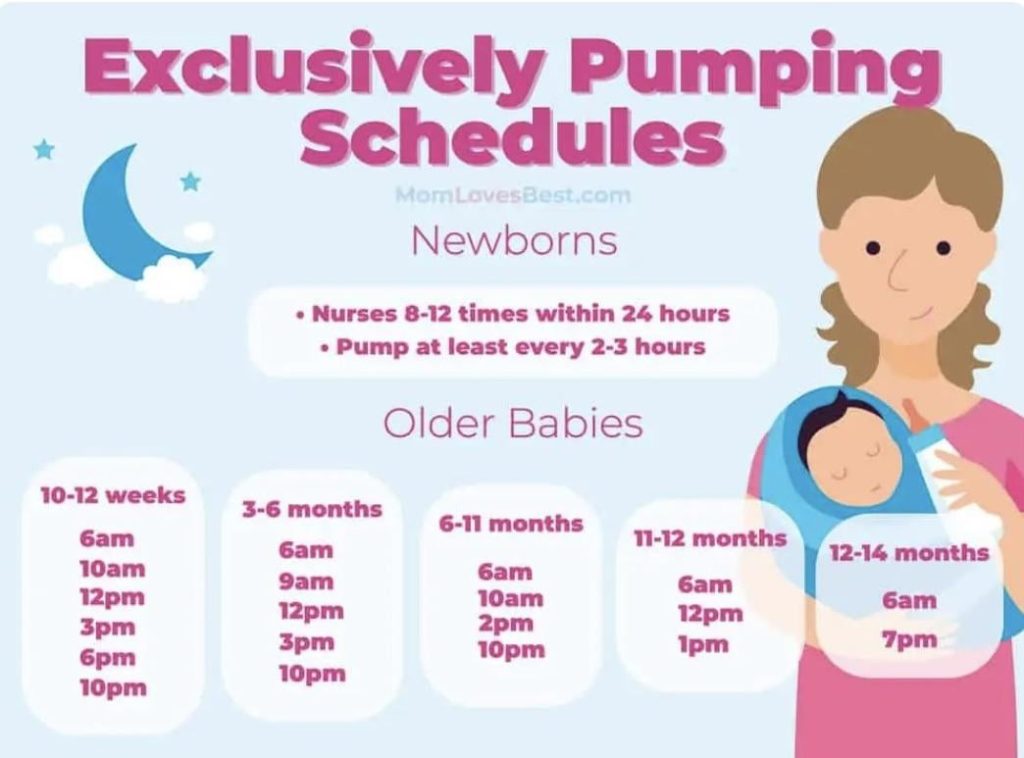
Most babies feed every 2 to 3 hours. If you pump, try to pump about the same number of times. That means 8 to 12 times in 24 hours. Pumping often helps keep your milk supply strong.
If you pump less, your body may make less milk. If you pump more, you might get more milk, but it can be tiring. Find a balance that works for you.
What If I Pump Too Little or Too Long?
If you pump for too short a time, you may not get enough milk. Your breasts may not empty well. This can cause problems like clogged milk ducts or less milk supply.
If you pump too long, you may feel sore or tired. Pumping longer than 30 minutes usually does not help. It can cause pain and make you want to stop pumping.

Credit: www.pampers.com
How to Know When to Stop Pumping?
Stop pumping when the milk flow slows down and feels like it has stopped. Usually, this happens after 15 to 20 minutes. Some moms see milk flow slow after 10 minutes. Others may need 20 minutes.
You can also stop if your breasts feel empty. If you feel pain, stop pumping right away.
Tips to Make Pumping More Effective
Here are some easy tips to help you pump better:
- Relax: Stress can slow milk flow.
- Massage: Gently massage your breasts before and during pumping.
- Use the right size: Make sure the pump shield fits your nipple well.
- Try different settings: Find a speed and suction that feel comfortable.
- Stay hydrated: Drink water before and after pumping.
- Be consistent: Pump at regular times each day.
How Much Milk Should You Get?
The amount of milk you get can vary. At first, you may get only a little milk. That is normal. As your milk supply grows, you will get more milk.
On average, a baby drinks about 25 to 30 ounces of milk per day. This means you should try to pump this much if you feed only pumped milk.
Do not worry if you get less milk at first. Keep pumping regularly. Your body will produce more milk over time.
What If I Pump for Work or Travel?
If you pump at work or while traveling, plan your pumping times. Try to pump every 3 hours if possible. This keeps your milk supply steady.
Keep pumping sessions around 15 to 20 minutes. You can pump both breasts at the same time. This saves time and may increase milk output.
How Does Baby’s Age Affect Pumping Time?
Newborn babies eat often but small amounts. You may need to pump more often but for shorter times.
Older babies eat less often but drink more milk each time. You may pump fewer times but for longer sessions.
Signs Your Pumping Routine Works Well
You are pumping enough if:
- You get a good amount of milk each session.
- Your breasts feel softer after pumping.
- Your baby is gaining weight well.
- You feel comfortable and not tired from pumping.
When to Talk to a Doctor or Lactation Consultant
If you have trouble pumping or feel pain, ask for help. A lactation consultant can give advice. They can help you find the best pumping method.
If your milk supply is low or you feel worried, talk to your doctor. They can check for health issues or give tips.
Summary Table: Pumping Time and Frequency
| Stage | Pumping Time per Session | Number of Sessions per Day | Notes |
|---|---|---|---|
| Newborn (0-2 months) | 15-20 minutes | 8-12 times | Frequent, shorter sessions |
| Older Baby (3-6 months) | 15-20 minutes | 6-8 times | Less frequent, more milk each time |
| 6 months and older | 15-20 minutes | 4-6 times | Baby eats solids too |
Final Thoughts
Pumping breast milk is different for every mom. The right pumping time depends on your body and your baby’s needs. Most moms find 15 to 20 minutes per session works well. Pumping often helps keep milk supply strong.
Remember, be patient and kind to yourself. It takes time to get used to pumping. If you have questions or problems, ask a health expert.
Your effort helps your baby get the best nutrition. Keep going—you are doing a great job!
Frequently Asked Questions
How Long Should I Pump Breast Milk Per Session?
Pumping sessions usually last 15 to 20 minutes to fully empty each breast.
How Often Should I Pump To Maintain Milk Supply?
Pump every 2 to 3 hours, about 8 times in 24 hours.
Can Pumping Longer Increase Milk Production?
Pumping longer does not always boost milk supply; regular sessions matter more.
Is It Normal To Pump Less Milk Over Time?
Yes, milk volume may change with baby’s age and feeding patterns.