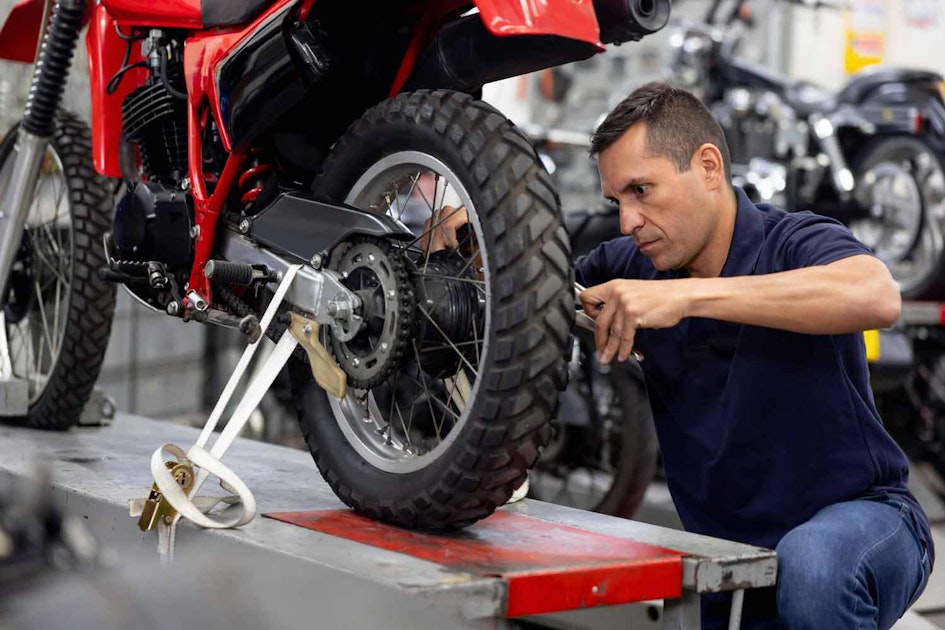
How long should motorcycle tires last? If you’ve ever asked yourself this, you’re not alone.
Your tires are the only part of your bike that touches the road, making their condition crucial for your safety and ride quality. But knowing exactly when to replace them can be tricky. You’ll discover clear signs to watch for, factors that affect tire life, and tips to get the most miles out of your tires.
Keep reading to protect yourself and your bike on every ride.

Credit: www.motorcyclistonline.com
Factors Affecting Tire Lifespan
Motorcycle tires do not last forever. Several factors change how long they stay safe and useful. Understanding these helps riders plan tire changes on time.
Tire lifespan depends on riding habits, road types, tire quality, and care. Each factor plays a role in tire wear and performance.
Riding Style Impact
Aggressive riding wears tires faster. Hard braking, quick acceleration, and sharp cornering increase tire stress. Smooth and steady riding helps tires last longer.
Road Conditions
Riding on rough or uneven roads shortens tire life. Gravel, potholes, and debris cause faster damage. Smooth highways cause less wear and tear.
- Gravel and dirt roads wear tires quickly
- Wet or oily surfaces increase tire slip
- Hot asphalt can soften tire rubber
- Cold roads may cause tire hardening
Tire Type And Quality
| Tire Type | Expected Lifespan (Miles) |
| Sport Tires | 3,000 – 5,000 |
| Touring Tires | 8,000 – 12,000 |
| Dual-Sport Tires | 5,000 – 10,000 |
| Off-Road Tires | 2,000 – 4,000 |
Higher quality tires usually last longer. Choose tires designed for your riding needs. Check manufacturer ratings for lifespan estimates.
Maintenance Practices
Proper maintenance improves tire life. Key actions include:
- Check tire pressure weekly
- Inspect tires for damage or wear
- Balance and align wheels regularly
- Replace tires before tread wears out
Average Lifespan For Different Tires
Motorcycle tires wear out at different rates depending on their type. Knowing how long each tire lasts helps with safe riding and budgeting.
Tire lifespan depends on factors like road conditions, riding style, and tire material. Here is the average life for common tire types.
Sport Tires
Sport tires offer high grip and performance but wear out faster than other types. They are made with softer rubber for better traction.
- Average lifespan: 3,000 to 7,000 miles
- Best for aggressive riding and cornering
- Check tread depth often to maintain safety
Cruiser Tires
Cruiser tires are designed for comfort and durability. They have a harder compound and last longer on smooth roads.
| Tire Type | Average Lifespan (miles) |
| Front Cruiser Tire | 12,000 – 15,000 |
| Rear Cruiser Tire | 8,000 – 12,000 |
Touring Tires
Touring tires last the longest because they are built for long-distance rides. They balance durability and comfort well.
- Average lifespan: 12,000 to 20,000 miles
- Good for highway and mixed road use
- Maintain proper tire pressure to extend life
Off-road Tires
Off-road tires wear quickly on hard surfaces but last longer on dirt and trails. Their tread design is deep for grip on rough terrain.
| Surface | Off-Road Tire Lifespan |
|---|---|
| Hard pavement | 2,000 – 4,000 miles |
| Dirt and trail | 5,000 – 8,000 miles |
Signs To Replace Motorcycle Tires
Motorcycle tires wear out over time and affect your safety. Knowing when to change them is important. This guide explains key signs to watch for.
Check your tires regularly. Look for damage and wear that can cause problems on the road.
Tread Wear Indicators
Tires have built-in tread wear indicators. These are small raised bars inside the grooves of the tread. When the tread wears down to these bars, it means the tire is too worn.
Riding on tires with worn tread reduces grip. It increases the risk of slipping, especially on wet roads.
Cracks And Dry Rot
Cracks appear on the sidewalls or tread surface as tires age. Dry rot happens when tires lose moisture and become brittle. Both signs mean the tire is weak and unsafe.
- Check for small cracks in the rubber
- Look for dry, flaky areas on the tire
- Replace tires showing these signs immediately
Uneven Wear Patterns
Uneven wear can mean alignment or suspension problems. It also means the tire will not perform well and should be replaced.
| Wear Pattern | Possible Cause | Action |
| Center wear | Over-inflation | Lower tire pressure, replace tire if worn |
| Edge wear | Under-inflation or aggressive cornering | Increase tire pressure, replace if needed |
| Patchy wear | Suspension or alignment issue | Fix suspension, replace tire |
Vibrations And Handling Issues
If you feel unusual vibrations or your motorcycle handles poorly, tire problems could be the cause. This can happen if the tire is damaged or worn unevenly.
Signs to watch for:
- Shaking or wobbling while riding
- Difficulty steering or turning
- Pulling to one side
Check tires and replace if you notice these issues.
Extending Tire Life
Motorcycle tires wear out over time. Taking care of them helps them last longer. You can save money and stay safe by extending tire life.
Simple habits keep your tires in good shape. These include checking air, inspecting tires, balancing wheels, and storing tires correctly.
Proper Inflation Tips
Keep your tires inflated to the pressure your motorcycle maker says. Too much or too little air can cause fast wear or damage.
Check tire pressure when tires are cold, before riding. Use a good pressure gauge and fill air as needed.
- Check pressure once a week
- Use recommended tire pressure
- Adjust pressure for heavy loads
- Do not rely on visual checks
Regular Tire Inspections
Look at your tires often for cracks, cuts, or objects stuck in the tread. Catching problems early can prevent bigger issues.
Check the tread depth to see if tires need replacing. Use a tread depth gauge or look for tread wear indicators on the tire.
- Inspect tires before every ride
- Look for uneven wear or damage
- Replace tires if tread is low
- Remove stones or debris from tread
Balancing And Alignment
Balance your motorcycle tires to avoid vibration and uneven wear. Unbalanced tires cause poor handling and shorten tire life.
Keep your wheels aligned correctly. Misalignment can wear tires unevenly and make riding unsafe.
- Balance tires after installation
- Check balance if you feel vibration
- Have alignment checked yearly
- Fix bent rims or suspension issues
Storage Recommendations
Store your motorcycle in a cool, dry place to protect tires from sun and moisture damage. Avoid direct sunlight on tires.
If you store tires off the bike, keep them upright and off cold floors. Use tire bags or covers to reduce exposure to air and dust.
- Store tires away from sunlight
- Keep tires in a dry, cool place
- Place tires on wooden pallets or mats
- Use covers or bags for long storage
Tire Replacement Costs And Choices
Motorcycle tires wear out over time and need replacement. Knowing the costs and options helps you make smart decisions.
This guide explains the difference between budget and premium tires. It also covers choosing the right tire and installation costs.
Budget Vs Premium Tires
Budget tires usually cost less but wear out faster. They work well for casual riders or short trips.
Premium tires cost more but last longer. They offer better grip and performance for serious riders.
- Budget tires: $50 to $100 per tire
- Premium tires: $120 to $250 per tire
- Premium tires often have better materials and design
Choosing The Right Tire For Your Bike
Pick tires that fit your bike’s size and style. Check the owner’s manual for correct tire specs.
Consider your riding habits. Sport tires suit fast riding, while cruiser tires fit relaxed rides.
- Match tire size to your motorcycle’s requirements
- Choose tires based on road and weather conditions
- Think about how often and how far you ride
Installation And Service Costs
Installing motorcycle tires requires skill and tools. Professional installation ensures safety and proper fit.
Service costs vary by location and shop. Expect to pay for mounting, balancing, and valve replacement.
- Mounting and balancing: $20 to $50 per tire
- Valve replacement may add $5 to $10
- Additional fees for tire disposal or wheel alignment

Credit: www.motorcyclistonline.com

Credit: www.reddit.com
Frequently Asked Questions
How Often Should I Replace Motorcycle Tires?
Motorcycle tires should generally be replaced every 3 to 5 years. However, it depends on factors like riding style, tire type, and road conditions. Regular checks for tread wear and damage are crucial. Always consult your motorcycle’s manual and follow manufacturer recommendations for optimal safety and performance.
What Affects Motorcycle Tire Lifespan?
Several factors impact tire lifespan, including riding habits, road conditions, and tire maintenance. Aggressive riding and rough terrains can wear tires faster. Additionally, under-inflation or over-inflation may reduce tire life. Regular inspections and proper maintenance can help extend the lifespan of your motorcycle tires.
Can Motorcycle Tires Expire?
Yes, motorcycle tires can expire even if not used. Tire rubber degrades over time due to environmental exposure. It’s recommended to replace tires every 5 years from the manufacturing date, regardless of tread wear. Check the tire’s sidewall for the manufacturing date to ensure safe riding.
How Can I Extend Motorcycle Tire Life?
To extend tire life, maintain proper inflation and regularly check for wear and damage. Avoid aggressive riding and ensure your tires are balanced and aligned. Routine maintenance and inspections can help identify potential issues early, ensuring your tires last longer and perform optimally.
Conclusion
Motorcycle tires usually last between 3,000 and 15,000 miles. This depends on the tire type, riding style, and road conditions. Check your tires often for wear or damage. Replace them when the tread is low or cracks appear. Proper tire care helps keep you safe on the road.
Remember, good tires improve your bike’s performance and your riding experience. Stay alert and maintain your tires well. Safe riding starts with good tires.