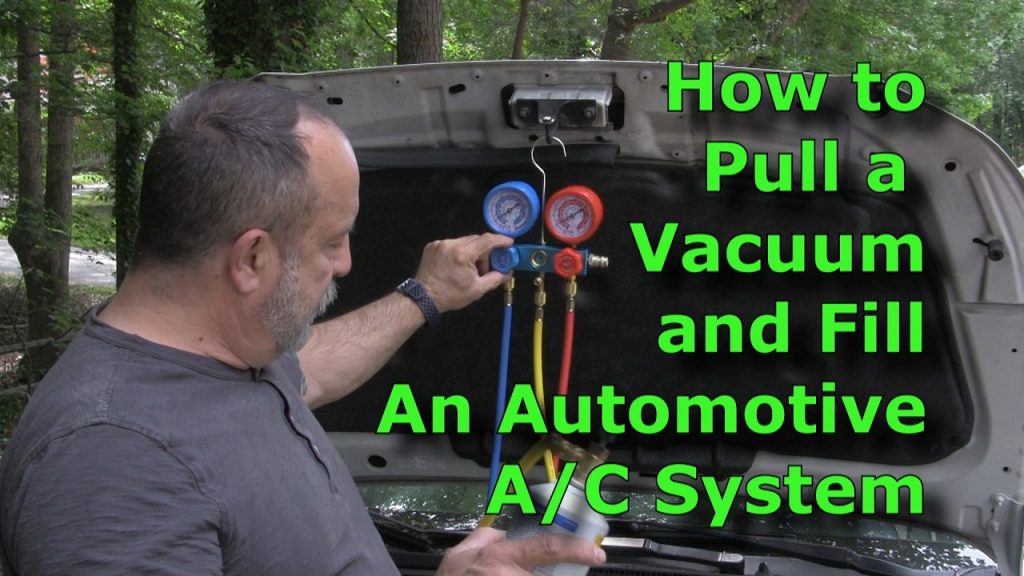
Have you ever wondered how long you should vacuum your car’s AC system? You might think a quick vacuum is enough, but there’s more to it than meets the eye.
Imagine driving on a hot summer day, only to find your car’s air conditioning isn’t working as it should. Frustrating, right? Properly vacuuming your car’s AC system is crucial for optimal performance and longevity. We’ll unravel the mystery behind the ideal vacuuming time and why it matters.
Stick around to discover how this simple step can save you from costly repairs and ensure your comfort on every ride.

Credit: deltasoniccarwash.com
Why Vacuuming Matters
Vacuuming a car AC system is a crucial step in maintenance and repair. It removes air, moisture, and contaminants from the system. This process ensures the AC works efficiently and lasts longer. Understanding why vacuuming matters helps you care for your vehicle better.
Purpose Of Vacuuming
Vacuuming clears out air and moisture trapped inside the AC system. Air can cause pressure problems and reduce cooling power. Moisture leads to corrosion and freezes inside the system, causing blockages.
Removing these elements creates a clean environment for the refrigerant. It helps maintain the correct pressure and keeps the system sealed. Vacuuming also detects leaks by showing if the system holds pressure.
Impact On Ac Performance
A properly vacuumed AC system cools the car faster and more evenly. It prevents strange noises caused by moisture or air bubbles. The compressor runs smoothly and avoids damage from contaminants.
Without vacuuming, the AC may feel weak or stop working altogether. Moisture can cause the system to fail prematurely. Regular vacuuming keeps the AC reliable and improves its lifespan.
Ideal Vacuuming Duration
Knowing the ideal vacuuming duration for your car’s AC system is key. This process removes air and moisture from the system. Doing it right prevents damage and keeps your AC running smoothly. Too short a vacuum might leave moisture inside. Too long wastes time and energy. Understanding the right timing helps you maintain your car’s comfort efficiently.
Standard Timeframes
Most experts recommend vacuuming an AC system for 30 to 45 minutes. This range is enough to remove trapped air and moisture. Some smaller systems may need only 20 minutes. Larger or older systems might require up to 60 minutes. The vacuum gauge should show a deep vacuum level, usually below 500 microns. Holding this vacuum steadily confirms the system is dry.
Factors Influencing Timing
- Size of the AC system: Bigger systems need longer vacuuming.
- Leak condition: Systems with leaks take more time to vacuum.
- Ambient humidity: High humidity means more moisture to remove.
- Type of vacuum pump: Some pumps work faster than others.
- Previous maintenance: New systems may need less vacuum time.
Checking the vacuum gauge closely helps decide when to stop. The goal is a steady, low pressure without rising values. This shows the system is fully evacuated and ready for refrigerant recharge.
Equipment And Preparation
Proper equipment and preparation are vital before vacuuming a car AC system. The right tools ensure the job is done efficiently and safely. Preparing the system reduces the risk of damage and improves results.
Choosing The Right Vacuum Pump
Select a vacuum pump designed for automotive AC systems. It should have a minimum capacity of 3 CFM (cubic feet per minute). This ensures fast and effective air removal. Look for a pump with a good seal and durable construction. An oil-sealed rotary vane pump is a common choice. Check the pump’s oil level and quality before use. Clean oil improves performance and extends pump life.
Preparing The Ac System
Start by turning off the engine and disconnecting the battery. This prevents electrical hazards during the process. Remove any refrigerant using proper recovery equipment. Never vent refrigerant into the atmosphere. Inspect all hoses and connections for leaks or damage. Replace any faulty parts before vacuuming. Connect the vacuum pump to the low and high service ports using the correct manifold gauge set. Make sure all valves are closed before turning the pump on.

Credit: www.reddit.com
Step-by-step Vacuuming Process
Vacuuming a car AC system removes air and moisture from the lines. This process ensures the system works efficiently and prevents damage. Follow these steps carefully for the best results.
Connecting The Pump
Attach the vacuum pump to the AC system’s service ports. Make sure all connections are tight to avoid leaks. Use the correct adapters for your vehicle’s system.
Monitoring The Vacuum Gauge
Turn on the vacuum pump and watch the gauge closely. The pressure should drop steadily as air and moisture are removed. Look for a reading around 29 inches of mercury (inHg) for a proper vacuum.
Maintaining Vacuum Pressure
Keep the vacuum pump running for at least 30 minutes. This duration ensures all moisture evaporates from the system. After turning off the pump, watch the gauge for 10 minutes. If the pressure rises, there may be a leak.
Common Mistakes To Avoid
Vacuuming a car AC system requires care and precision. Mistakes during this process can cause damage or reduce efficiency. Avoiding common errors saves time and protects the system. Understanding the right vacuum duration helps prevent these problems.
Over-vacuuming Risks
Vacuuming too long can harm the AC system. Excessive vacuuming may cause:
- Damage to seals and hoses
- Freezing of moisture inside the system
- Unnecessary wear on the vacuum pump
Stopping at the correct vacuum level is crucial. Overdoing it wastes effort and may lead to leaks.
Under-vacuuming Consequences
Vacuuming for too short a time leaves moisture and air inside. This causes:
- Poor cooling performance
- Corrosion of metal parts
- Compressor failure over time
Always ensure the system reaches the recommended vacuum level and holds it. Skipping this step risks costly repairs later.

Credit: www.motor.com
Testing And Verification
Testing and verification are vital after vacuuming a car AC system. They confirm the system is airtight and ready to cool efficiently. Skipping these checks can lead to leaks and poor performance. Proper testing ensures the AC will work reliably and last longer. Let’s explore key testing techniques.
Leak Detection Methods
Detecting leaks keeps the AC system sealed and efficient. Several reliable methods exist for this task.
- Soap Bubble Test:Apply soap solution on connections. Watch for bubbles that show escaping gas.
- Electronic Leak Detectors:Use sensors to find refrigerant leaks invisible to the eye.
- UV Dye:Add UV dye to refrigerant. Use UV light to spot leaks quickly.
- Pressure Test:Pressurize the system with nitrogen. Check for pressure drops that indicate leaks.
Ensuring System Integrity
System integrity means no leaks and proper pressure levels. It is crucial for AC efficiency and durability.
After vacuuming, maintain vacuum pressure for at least 30 minutes. A stable vacuum shows no air is entering.
Check all seals and connections carefully. Tighten or replace any parts if needed.
Run the AC system briefly to observe pressure behavior. Stable pressure confirms the system is sealed and functional.
Tips For Efficient Vacuuming
Vacuuming your car’s AC system properly is key to keeping it running smoothly and efficiently. Knowing how to do it right saves you time and prevents damage. Let’s look at some practical tips that help you vacuum like a pro and maintain your system’s health.
Best Practices
Start by checking your vacuum gauge to ensure it reaches the right pressure—usually around 29 inches of mercury (inHg). Holding the vacuum for at least 30 minutes helps remove moisture and air completely.
Make sure all connections are tight and leak-free. Even a small leak can ruin the vacuuming process and let moisture back in.
Don’t rush the process. It might be tempting to shorten vacuum time, but cutting corners can cause more harm than good. Have you ever noticed your AC blowing warm air after a quick vacuum? That’s a sign the system wasn’t properly evacuated.
Maintenance Recommendations
Regular vacuuming during each AC service keeps the system dry and clean. Moisture inside the AC can cause corrosion and reduce cooling efficiency.
Replace the receiver-drier or accumulator after major repairs or if you suspect moisture contamination. These parts trap moisture and should be fresh to maintain system integrity.
Keep your vacuum pump well-maintained. Changing its oil frequently ensures it works at peak performance, making your vacuuming more effective.
Frequently Asked Questions
How Long Should I Vacuum My Car Ac System?
Vacuum your car AC system for at least 30 to 45 minutes. This duration removes moisture and air effectively, ensuring proper system performance and longevity.
Why Is Vacuuming The Car Ac System Important?
Vacuuming removes air and moisture, preventing corrosion and blockages. It helps maintain optimal cooling efficiency and avoids costly repairs.
Can I Vacuum The Car Ac System Too Long?
Vacuuming longer than 45 minutes usually doesn’t harm but offers no extra benefit. Stick to the recommended time for best results.
How Often Should I Vacuum My Car Ac System?
Vacuum your AC system during every major service or repair. Regular vacuuming helps maintain system health and improves cooling performance.
Conclusion
Vacuuming a car AC system usually takes 30 to 45 minutes. This time removes air and moisture properly. A good vacuum helps the AC work well and last longer. Avoid rushing the process to stop damage. Follow the right steps and use the correct tools.
Taking your time ensures clean and efficient AC performance. Keep your car cool and comfortable by vacuuming carefully. Regular care prevents costly repairs in the future. Simple actions can save you time and money. Trust the process for a better driving experience.