Have you ever wondered how long termite tenting really lasts? If you’re facing a termite problem, you want a solution that not only works but keeps your home protected for the long haul.
Understanding the duration of termite tenting can save you time, money, and stress. You’ll discover exactly how long termite tenting protects your home, what factors affect its effectiveness, and how to make sure your investment pays off. Keep reading—you deserve a termite-free home that stays safe for years to come.

Credit: www.ecopestbermuda.com
Termite Tenting Process
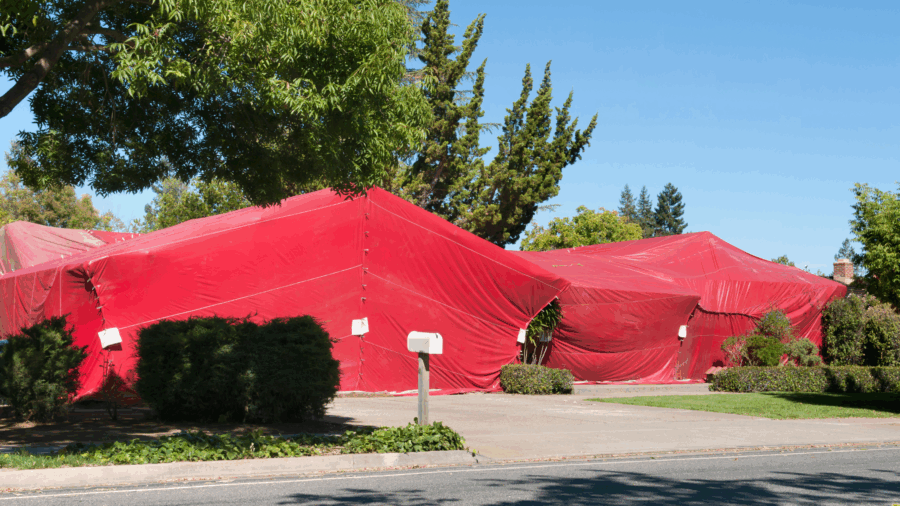
Termite tenting is a way to get rid of termites in your home. It involves covering the house with a tent and using gas to kill termites.
This process is effective for severe termite infestations. Understanding the steps can help you prepare better.
Preparation Steps
Before termite tenting, you need to prepare your home. This helps ensure safety and effectiveness.
- Remove all living things, like pets and plants.
- Seal all food items in special bags.
- Unlock gates and doors for easy access.
- Notify your neighbors about the process.
Fumigation Procedure
The fumigation process is where the magic happens. A professional team will handle everything.
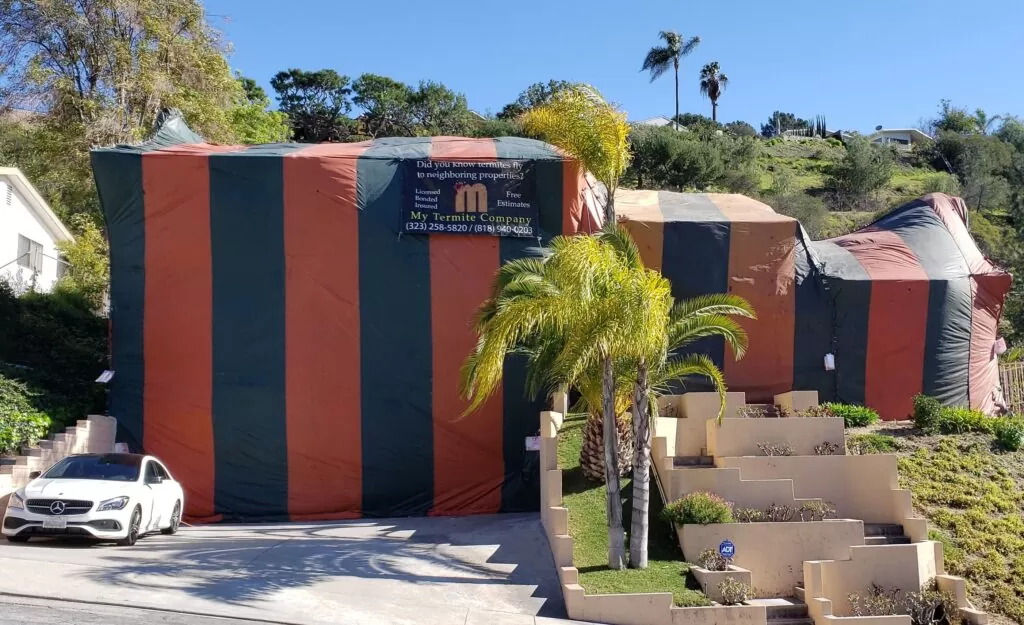
They will cover your home with a tent and release the gas. The gas spreads through the house to kill termites.
- The gas is left for a set time to work.
- After fumigation, the team will air out your home.
- You must wait until it is safe to return.
Typical Duration Of Tenting
Termite tenting is a common method to remove termites from homes. The process involves covering the entire building with a tent and using gas to eliminate pests.
The length of the tenting can vary based on several factors. Knowing the usual duration helps homeowners plan accordingly.
Average Time Frame
Most termite tenting jobs take between two to four days. This includes preparation, fumigation, and airing out the home.
- Preparation and sealing the home: 4 to 6 hours
- Fumigation with gas: 24 to 48 hours
- Airing out the home and safety checks: 6 to 12 hours
Factors Affecting Duration
Several factors can change how long the tenting process lasts. Understanding these helps set realistic expectations.
| Factor | Effect on Duration |
| Size of the building | Larger homes need more time to seal and treat |
| Extent of infestation | Heavy infestations require longer fumigation |
| Weather conditions | Rain or wind can delay preparation and airing |
| Type of fumigant used | Some gases need longer exposure times |
Post-treatment Timeline
Termite tenting is a powerful way to eliminate infestations. After treatment, a clear timeline guides safety and recovery.
Understanding the post-treatment steps helps protect your home and health during this process.
Aeration Period
The aeration period begins right after the tent is removed. It allows fresh air to enter your home and clear out any remaining fumes.
- This period usually lasts 24 to 72 hours.
- Keep all windows and doors open to speed up ventilation.
- Use fans to help circulate air inside your home.
- Do not enter the home during this time unless instructed.
- The home should smell fresh before reentry.
Reentry Guidelines
Follow these guidelines to safely return to your home after termite tenting.
| Time After Tenting | Safety Advice | Notes |
| 0-24 hours | Do not enter | High chemical levels inside |
| 24-72 hours | Limited entry only | Wear protective gear if needed |
| After 72 hours | Full reentry allowed | Ensure good ventilation and no fumes |
Common Delays And Challenges
Termite tenting is a useful method to clear pests from a home. The process needs careful planning and can take several days. Some problems can cause delays and make the job harder.
Two main issues that cause delays are weather and structure problems. These factors affect how soon the tenting can start and finish.
Weather Impact
Weather can stop termite tenting or slow it down. Rain, wind, or storms make it unsafe to set up the tent. High humidity can affect the chemicals used too.
- Heavy rain can delay tent setup and removal.
- Strong wind can damage the tent during treatment.
- Very hot or cold weather can affect chemical effectiveness.
- Lightning storms pose safety risks for workers.
Structural Complications
Some homes have complex structures. These make tenting harder and can add time to the process. Older homes may have weak parts that need extra care.
| Complication | Effect on Tenting |
| Multiple levels or additions | Needs more time to cover completely |
| Open floor plans | Harder to seal off all areas |
| Old or damaged wood | Risk of collapse, careful handling needed |
| Unusual layouts | Requires special tent shapes and fixes |
Tips To Speed Up The Process
Termite tenting can take several days to complete. Speeding up the process helps you return to normal life faster.
Following some simple tips before and during tenting can make a big difference in timing and success.
Preparation Tips
Preparing your home well before the termite tenting starts helps the process go smoothly. Clear the area and protect your belongings.
- Remove all food and drinks from the house
- Take out pets and plants for safety
- Clear clutter near walls and windows
- Cover furniture and electronics with plastic sheets
- Open cabinets and closets to allow gas to reach all areas
Good preparation lets the professionals work faster and makes the treatment more effective.
Choosing The Right Professionals
Hiring skilled termite experts can shorten the tenting time. Experienced teams use efficient methods and equipment.
- Check for proper licensing and insurance
- Look for companies with good reviews and references
- Ask about their termite treatment plans and chemicals used
- Make sure they explain the entire process clearly
- Confirm their availability to schedule the tenting soon
Choosing professionals who know their work well helps avoid delays and ensures quick termite elimination.

Credit: www.proventermitesolutions.com
Credit: mytermitecompany.com
Frequently Asked Questions
How Long Does Termite Tenting Take?
Termite tenting usually takes 24 to 48 hours to complete. The process includes fumigation, airing out, and inspection.
What Happens During Termite Tenting Treatment?
The home is sealed in a tent, then a gas is released. This gas kills termites inside walls and wood.
Is It Safe To Stay During Termite Tenting?
No, you must leave your home during tenting. The gas used is toxic to humans and pets.
How Soon Can I Re-enter After Termite Tenting?
You can return 24 to 48 hours after tenting. Professionals ventilate the home to remove harmful gases first.
Conclusion
Termite tenting protects your home from serious damage. It kills termites hiding deep inside wood and walls. The process takes time but ensures long-lasting results. Proper preparation and care make tenting effective and safe. Regular inspections help catch termites early and keep them away.
Trust in tenting to guard your home’s structure. Peace of mind comes with knowing your house is protected. Simple steps lead to a termite-free home. Stay vigilant and keep your property strong.