Have you ever wondered how long your air conditioner will keep your home cool and comfortable? Knowing the lifespan of your AC can save you from unexpected breakdowns and costly repairs.
Whether you’re planning to buy a new unit or trying to get the most out of your current one, understanding how long air conditioners last is key. You’ll discover the factors that affect your AC’s life and simple tips to extend it.
Keep reading to make sure your home stays refreshingly cool for years to come.
Credit: www.premiersystemsmt.com
Average Lifespan Of Air Conditioners
Air conditioners help keep homes cool during hot days. Knowing how long they last helps plan for repairs or replacement.
The lifespan of an air conditioner depends on many things. Some units last longer than others based on their type and care.
Typical Duration By Type
Different types of air conditioners have different lifespans. This depends on their design and use.
- Central Air Conditioners: Usually last 12 to 15 years.
- Window Air Conditioners: Typically last about 8 to 10 years.
- Portable Air Conditioners: Often last around 6 to 8 years.
- Ductless Mini-Split Systems: Can last 15 to 20 years with good care.
Factors Affecting Longevity
Several factors can change how long an air conditioner works well. Some are related to how you use and maintain it.
Regular cleaning, proper installation, and timely repairs help units last longer. Harsh weather and heavy use can shorten lifespan.
- Maintenance: Clean filters and coils often to improve life.
- Usage: More hours of use can wear the unit faster.
- Installation: Proper setup prevents early damage.
- Climate: Hot and humid places can reduce lifespan.
- Quality: Higher quality units usually last longer.
Signs Of Aging Air Conditioners
Air conditioners do not last forever. Over time, they show signs of aging. Recognizing these signs helps you know when to repair or replace your unit.
Knowing the signs can save you from sudden breakdowns. It also helps keep your home comfortable all year.
Decreased Cooling Efficiency
An old air conditioner may not cool your home well. It takes longer to lower the temperature. You might feel warm spots in rooms that used to be cool.
The air coming out may not be as cold as before. This means the system is working harder but giving less cool air.
- Longer run times to reach set temperature
- Uneven cooling in different rooms
- Higher electricity bills
Unusual Noises And Odors
Older air conditioners often make strange sounds. You may hear rattling, buzzing, or grinding noises. These sounds show that parts may be loose or worn out.
Bad smells can also come from your AC. Musty or burning odors may mean mold or electrical problems inside the unit.
- Rattling or banging noises
- Buzzing or humming sounds
- Musty or burning smells
Frequent Repairs
If your air conditioner needs repairs often, it may be aging. Fixing the same parts repeatedly is a sign the system is wearing out.
Frequent breakdowns can cost more than a new unit. Keeping track of repair costs helps decide if replacement is better.
- Multiple service calls in one year
- Rising repair bills
- Shorter time between breakdowns
Maintenance Tips To Extend Life
Air conditioners can last many years with the right care. Regular maintenance helps keep them working well.
Simple habits and checks extend your AC’s life. Learn what to do to avoid costly repairs.
Regular Cleaning And Filter Changes
Cleaning your air conditioner keeps air fresh and parts healthy. Dirty filters block airflow and strain the system.
- Clean or replace filters every 1 to 3 months
- Wipe down coils and fins gently
- Clear debris from around the outdoor unit
- Keep vents and ducts clean
Professional Inspections
Experts check your AC for hidden problems. They can find leaks or worn parts early.
| Inspection Item | Frequency | Purpose |
| Refrigerant level | Yearly | Ensures cooling efficiency |
| Electrical connections | Yearly | Prevents failure and fire risks |
| Thermostat settings | Yearly | Keeps temperature steady |
| Drain lines | Yearly | Prevents water damage |
Proper Usage Practices
Use your air conditioner wisely. This lowers wear and saves energy.
- Set the thermostat to a comfortable, steady temperature
- Avoid turning the AC on and off often
- Close windows and doors while running the AC
- Use fans to help circulate cool air

Credit: lghomecomfort.ca
When To Replace Your Air Conditioner
Knowing when to replace your air conditioner saves money and keeps your home comfortable. Old units may cost more to run and break down often.
This guide helps you decide the best time to get a new air conditioner instead of repairing the old one.
Cost Vs. Repair Analysis
Fixing an old air conditioner can be cheaper at first. But repairs add up over time. If repair costs are more than half the price of a new unit, replacement is better.
| Condition | Repair Cost | New Unit Cost | Recommendation |
| Minor issue | Less than 25% of new unit | $3,000 | Repair |
| Major repairs | More than 50% of new unit | $3,000 | Replace |
| Frequent breakdowns | Varies | $3,000 | Replace |
Energy Efficiency Considerations
Older air conditioners use more energy. New models cool better and lower your bills. If your unit is over 10 years old, it likely wastes energy.
- Look for units with a high SEER rating.
- New systems use eco-friendly refrigerants.
- Energy-efficient models reduce monthly costs.
- Upgrading helps the environment.
Upgrading To New Models
New air conditioners offer better features and comfort. Smart controls and quiet operation add convenience. Installation may cost more but saves money in the long run.
- Improved cooling performance
- Lower energy bills
- Quieter operation
- Advanced air filtration
- Smart home compatibility
Impact Of Environment On Ac Lifespan
The environment plays a big role in how long an air conditioner lasts. Different conditions affect the parts and performance of the AC unit.
Knowing these effects helps you take better care of your air conditioner. It also helps you understand why some units wear out faster.
Climate And Weather Effects
Hot and humid climates make air conditioners work harder. This extra work can shorten their lifespan.
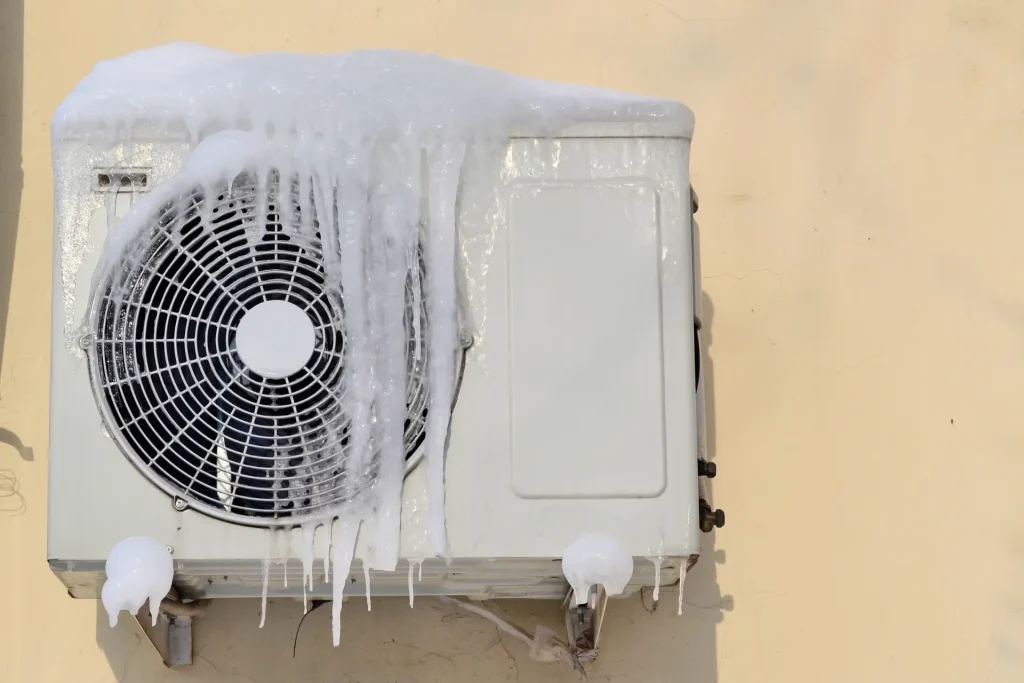
Cold weather can also harm AC units. Freezing temperatures may cause damage to some parts.
- High heat increases wear on compressors
- Humidity can cause rust and corrosion
- Cold can freeze coils and pipes
- Dust and debris in dry areas block airflow
Indoor Vs. Outdoor Units
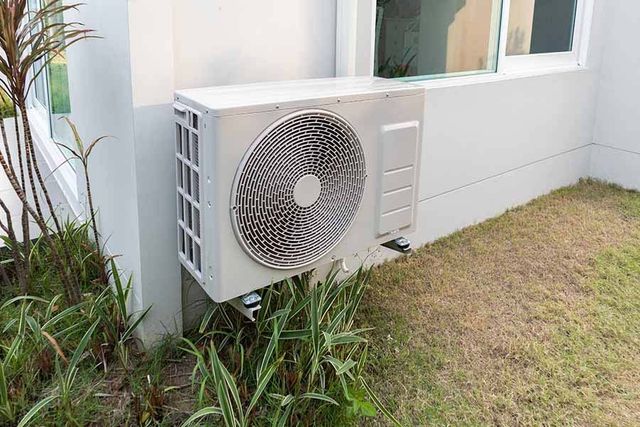
Outdoor units face weather directly. They are more exposed to rain, sun, and dirt.
Indoor units are safer from weather but still face dust and indoor air quality issues. They usually last longer than outdoor units.
- Outdoor units need regular cleaning to remove dirt
- Shade can protect outdoor units from sun damage
- Indoor units need filter changes to keep air clean
- Both units need proper maintenance for longer life

Credit: www.achrnews.com
Frequently Asked Questions
How Long Do Air Conditioners Typically Last?
Air conditioners usually last between 10 to 15 years. Proper maintenance can extend their lifespan. Older units may become less efficient over time, leading to higher energy bills and more frequent repairs.
What Factors Affect An Air Conditioner’s Lifespan?
Factors include maintenance frequency, usage patterns, and installation quality. Climate and brand reliability also play roles. Regular servicing and timely repairs help maximize an AC unit’s longevity and performance.
When Should I Replace My Air Conditioner?
Replace an air conditioner if it’s over 15 years old and inefficient. Frequent breakdowns and rising energy costs are signs. Newer models offer better energy efficiency and improved cooling technology.
How Can I Extend My Air Conditioner’s Life?
Regularly clean filters and schedule annual professional check-ups. Keep outdoor units free of debris and ensure proper refrigerant levels. These steps prevent strain and improve system efficiency, extending its operational life.
Conclusion
Air conditioners usually last between 10 and 15 years. Regular cleaning and timely repairs help them work longer. Avoid running your AC all day to save wear and tear. Changing filters often keeps the air fresh and the system healthy.
Pay attention to strange noises or weak airflow. These signs mean it might need service soon. Taking care of your AC saves money and keeps your home cool. A well-maintained air conditioner stays efficient and reliable year after year. Simple steps extend its life and comfort in your space.