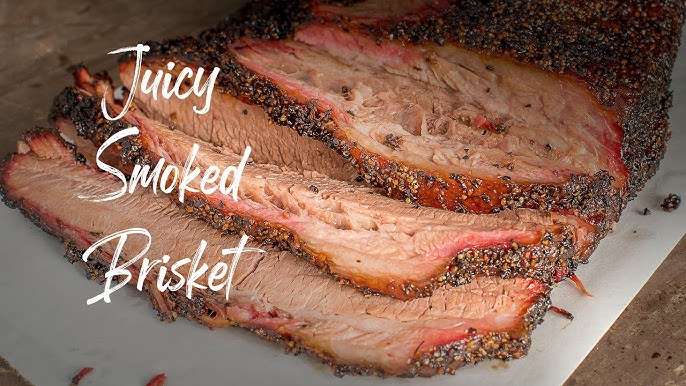
If you’ve ever wondered how long to cook a brisket on a charcoal grill, you’re not alone. Getting that perfect, tender, smoky flavor takes patience and the right timing.
You want your brisket juicy, not dry or tough, and knowing the exact cooking time can make all the difference. In this guide, you’ll discover the secrets to mastering your charcoal grill and turning your brisket into a mouthwatering masterpiece.
Stick with me, and you’ll be ready to impress your friends and family with every bite.
Choosing The Right Brisket
Cooking brisket on a charcoal grill takes time and care. Choosing the right meat is the first step. This guide helps you pick the best brisket for grilling.
Good brisket starts with quality and knowing the cuts. These affect flavor, texture, and cooking time.
Selecting Quality Meat
Look for brisket that feels firm and has good fat coverage. Fat keeps the meat moist during long cooking.
- Choose brisket with a bright red color
- Avoid meat with a gray or brown surface
- Check for even fat marbling across the cut
- Pick brisket with a thick fat cap on one side
- Buy from trusted butchers or stores
Understanding Brisket Cuts
Brisket has two main parts: the flat and the point. Each cooks differently and has unique uses.
| Cut | Description | Best Use |
| Flat | Lean and uniform in shape | Good for slicing |
| Point | More fat and marbling | Best for shredding or burnt ends |
Preparing Your Charcoal Grill
Cooking brisket on a charcoal grill needs the right setup. Preparing the grill well helps cook the meat evenly and keep it juicy.
This guide explains how to prepare your charcoal grill with indirect heat and keep a steady temperature for the best brisket results.
Setting Up For Indirect Heat
Indirect heat means the brisket does not sit right over the coals. This method cooks the meat slowly without burning it.
- Light charcoal and let it ash over for about 15 minutes.
- Push the coals to one side of the grill or split them to both edges.
- Place a drip pan in the center under where the brisket will sit.
- Put the brisket on the grill grate above the drip pan, away from direct flames.
Maintaining Steady Temperature
Keeping the grill temperature steady is key to tender brisket. Watch the heat and add charcoal as needed to stay in the right range.
| Temperature Range | Action |
| 225°F to 250°F | Ideal for slow cooking brisket |
| Below 225°F | Add small amounts of charcoal |
| Above 250°F | Open vents slightly to lower heat |
Brisket Preparation Tips
Cooking brisket on a charcoal grill takes time and care. Preparing the brisket well ensures it is tasty and tender.
Follow these tips to get your brisket ready for grilling. Proper preparation makes all the difference in flavor.
Trimming The Brisket
Trimming the brisket is important for even cooking. Remove excess fat to avoid flare-ups.
Leave a thin layer of fat for flavor. This keeps the meat juicy as it cooks on the grill.
- Trim fat cap to about 1/4 inch
- Remove any silver skin
- Shape the brisket for even thickness
Applying Rubs And Marinades
Rubs and marinades enhance the brisket’s flavor. Choose a rub with spices that you enjoy.
Apply the rub evenly over the brisket. Let it sit for a few hours before grilling.
- Use a dry rub or marinade of your choice
- Cover the brisket completely with the rub
- Refrigerate for at least 2 hours
Cooking Time Guidelines
Cooking a brisket on a charcoal grill takes time and patience. It needs low heat and slow cooking to become tender.
Understanding how long to cook helps you plan and get the best flavor and texture.
General Cooking Duration
Brisket usually takes 1 to 1.5 hours per pound on a charcoal grill. The total time depends on the size of the meat.
For example, a 5-pound brisket can take about 5 to 7.5 hours to cook properly over low heat.
- Cook at 225°F to 250°F (107°C to 121°C)
- Use indirect heat to avoid burning
- Keep the grill lid closed to keep heat steady
Factors Affecting Cook Time
Several factors can change how long your brisket needs to cook on a charcoal grill. Watch these to adjust your time.
These include the size, the grill temperature, and the meat’s fat content.
- Size and Thickness:Bigger and thicker briskets take longer.
- Grill Temperature:Lower temperatures slow cooking; higher temps speed it up.
- Fat Content:More fat can increase cooking time but adds flavor.
- Weather Conditions:Wind or cold can lower grill heat and extend cooking time.
- Wrapping the Meat:Wrapping in foil can speed up cooking in later stages.
Monitoring Temperature
Cooking brisket on a charcoal grill needs careful temperature checks. This helps the meat cook evenly and stay juicy.
Watching the temperature is key to knowing when your brisket is ready. It also keeps it safe to eat.
Using A Meat Thermometer
A meat thermometer is the best tool to check your brisket’s temperature. Insert it into the thickest part of the meat.
Keep the thermometer in place while grilling. This helps you track the temperature without opening the grill often.
- Use an instant-read thermometer for quick checks
- Probe thermometers can stay in the meat during cooking
- Check temperature every 30 minutes after the first hour
Ideal Internal Temperature
Brisket cooks best at an internal temperature between 195°F and 205°F. This range makes the meat tender and easy to slice.
Stop cooking once the thermometer reads in this range. Let the brisket rest before cutting to keep juices inside.
- 195°F to 205°F is the target temperature
- Rest brisket 30 to 60 minutes after cooking
- Use a clean thermometer for best results

Credit: www.reddit.com
Managing Smoke And Flavor
Cooking brisket on a charcoal grill needs the right smoke and flavor balance. Smoke adds taste but too much can make the meat bitter.
Controlling smoke means choosing the right wood and keeping smoke levels steady. This helps the brisket taste just right.
Choosing Wood Chips
Different wood chips give different flavors to brisket. Mild woods add a light taste, while strong woods add bold flavors.
Popular choices include fruit woods and hardwoods. Pick wood chips that match the flavor you want for your brisket.
- Apple wood: sweet and mild
- Cherry wood: fruity and rich
- Hickory wood: strong and smoky
- Mesquite wood: very bold and intense
Controlling Smoke Levels
Too much smoke can make brisket taste bitter. It is important to keep smoke thin and steady throughout cooking.
Manage smoke by adjusting air flow and adding wood chips in small amounts. Watch the smoke color for a clear sign.
- Use vents to control oxygen and smoke intensity
- Add wood chips slowly to avoid thick smoke
- Keep smoke thin and blue, not thick and white
- Check often to keep smoke steady during cooking
Resting And Serving
After cooking brisket on a charcoal grill, resting is key. It helps the meat stay juicy and tender.
Serving the brisket right after resting makes the best eating experience. Let’s explore why resting matters and how to slice it well.
Resting Time Importance
Resting lets the juices spread inside the brisket. Cutting too soon makes juices run out and dry meat.
Wrap the brisket in foil and rest it for 30 to 60 minutes. This keeps the heat and moisture inside.
- Rest for 30 to 60 minutes
- Wrap in foil or butcher paper
- Keep in a warm place while resting
- Do not skip resting after grilling
Slicing Techniques
Slicing brisket the right way keeps it tender and easy to eat. Cut against the grain of the meat.
Look closely to find the grain direction. Slice across the grain in thin, even pieces for best results.
- Identify the grain direction
- Use a sharp knife for clean cuts
- Slice thinly and evenly
- Cut across the grain, not with it

Credit: snakeriverfarms.com
Common Mistakes To Avoid
Cooking brisket on a charcoal grill takes time and patience. Many people make simple mistakes that affect the taste and texture.
Knowing what to avoid helps you get the best results every time you grill brisket.
Overcooking Or Undercooking
Brisket needs to cook slowly at a low temperature. Overcooking makes the meat dry and tough. Undercooking leaves it chewy and hard to eat.
Use a meat thermometer to check the internal temperature. Aim for about 195°F to 205°F for tender brisket.
- Overcooked brisket feels very dry and hard.
- Undercooked brisket is rubbery and dense.
- Check temperature often to avoid mistakes.
Temperature Fluctuations
Keeping a steady temperature on a charcoal grill is hard. Fluctuations cause uneven cooking and affect flavor.
Avoid opening the grill lid too often. Each time you open it, heat escapes, causing the temperature to drop.
- Use a charcoal chimney to light coals evenly.
- Add charcoal gradually to keep heat steady.
- Use vents to control airflow and temperature.
- Check grill temperature with a thermometer.

Credit: snakeriverfarms.com
Frequently Asked Questions
How Long Does It Take To Cook Brisket On Charcoal?
Cooking brisket on charcoal typically takes 1 to 1. 5 hours per pound. Maintain a steady temperature around 225°F to 250°F. This slow cooking allows the meat to become tender and flavorful.
What Temperature Is Best For Grilling Brisket?
The ideal grilling temperature for brisket is between 225°F and 250°F. This low and slow heat breaks down connective tissues, resulting in juicy, tender meat. Avoid higher temperatures to prevent drying out the brisket.
Should I Wrap Brisket During Charcoal Grilling?
Yes, wrapping brisket in foil or butcher paper after 4-5 hours helps retain moisture. It speeds up cooking and creates a tender texture without drying the meat. This technique is known as the Texas Crutch.
How Do I Know When Brisket Is Done?
Brisket is done when it reaches an internal temperature of 195°F to 205°F. Use a meat thermometer to check. The meat should feel tender and slightly springy when pressed.
Conclusion
Cooking brisket on a charcoal grill takes time and patience. Plan for several hours to get tender, flavorful meat. Keep the temperature steady and check often. Use a meat thermometer to avoid overcooking or undercooking. Rest the brisket before slicing for best results.
Enjoy the smoky taste that only charcoal grilling provides. Great brisket is worth the wait. Simple steps lead to delicious meals every time.