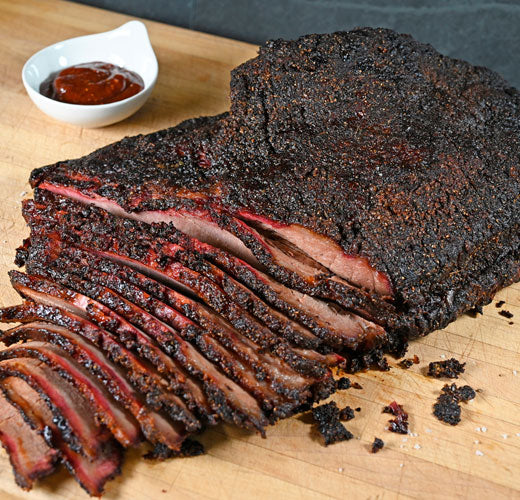
If you’ve ever tried cooking beef brisket on a charcoal grill, you know it’s not as simple as just throwing it on and waiting. Getting that perfect, tender, juicy brisket takes time and the right technique.
So, how long should you actually cook your beef brisket on a charcoal grill to get mouthwatering results every time? You’ll discover the ideal cooking times, tips to keep your brisket juicy, and how to master the slow-smoke process. By the end, you’ll feel confident to impress your friends and family with brisket that melts in your mouth.
Keep reading—you’re just a few steps away from grilling success!

Credit: snakeriverfarms.com
Choosing The Right Brisket
Picking the right brisket is key for great flavor on a charcoal grill. You want a cut that cooks evenly and stays juicy.
Knowing the types of brisket cuts, size, and quality helps you get the best result. Let’s explore these important factors.
Types Of Brisket Cuts
Brisket has two main parts: the flat and the point. Each part cooks differently and has its own texture.
- Flat cut:Leaner and more uniform in shape. Good for slicing.
- Point cut:More fat and marbling. Great for shredding or burnt ends.
- Whole packer brisket:Includes both flat and point. Offers a mix of textures.
Size And Weight Considerations
Briskets vary in size. Choose one that fits your grill and the number of people you serve.
| Weight | Cooking Time on Charcoal Grill | Servings |
|---|---|---|
| 5 to 7 pounds | 6 to 8 hours | 6 to 8 people |
| 8 to 12 pounds | 8 to 12 hours | 10 to 15 people |
| 12 to 16 pounds | 12 to 16 hours | 15 to 20 people |
Quality And Marbling Tips
Good quality brisket has even marbling. This fat melts during cooking and keeps meat moist.
- Look for a bright red color and firm texture.
- Choose brisket with fine, even fat lines.
- Avoid cuts with large chunks of fat or dark spots.

Credit: www.farmison.com
Preparing Your Brisket
Cooking beef brisket on a charcoal grill takes time and care. Preparing the brisket well helps you get tender and tasty results. This guide covers trimming, seasoning, and resting before cooking.
Each step is important. Follow these tips to make sure your brisket is ready for the grill.
Trimming Techniques
Trim your brisket to remove excess fat but keep some for flavor. Aim to leave a thin, even layer of fat about 1/4 inch thick. This helps keep the meat moist while cooking.
- Remove large hard fat pieces from the surface
- Trim silver skin and any tough membrane
- Keep a thin fat layer to protect the meat
- Shape the brisket for even cooking
Seasoning And Rubs
Use simple seasonings to enhance the brisket’s natural flavor. Salt and pepper are classic choices. You can add garlic powder, paprika, or chili powder for extra taste.
| Ingredient | Amount | Purpose |
|---|---|---|
| Salt | 2 tablespoons | Enhances natural flavor |
| Black Pepper | 1 tablespoon | Adds mild heat |
| Garlic Powder | 1 teaspoon | Gives subtle garlic aroma |
| Paprika | 1 teaspoon | Adds smoky color and taste |
Resting Before Cooking
Rest the brisket at room temperature before grilling. This helps it cook evenly. Rest for about 30 to 60 minutes after seasoning and trimming.
During resting:
- Keep brisket uncovered or lightly covered with foil
- Do not refrigerate to avoid cold spots
- Let the meat come to room temperature gradually
Setting Up The Charcoal Grill
Cooking beef brisket on a charcoal grill takes time and care. Setting up the grill right is key for juicy, tender meat. You need to know about charcoal types, heat zones, and how to control temperature.
Getting these basics right helps you cook the brisket evenly and avoid burning. Let’s look at how to prepare your charcoal grill for the best results.
Charcoal Types And Arrangement
Choose the right charcoal for steady heat and good flavor. Lump charcoal burns hotter and faster. Briquettes burn longer and give consistent heat. Arrange charcoal to control cooking zones.
- Lump charcoal for quick, high heat
- Briquettes for steady, long-lasting heat
- Mix both for balance and flavor
- Arrange coals in a pile or spread for even heat
Creating Two-zone Heat
Two-zone heat means one side of the grill is hot for searing. The other side is cooler for slow cooking. This setup helps you cook the brisket low and slow without burning.
| Zone | Purpose | Charcoal Placement |
|---|---|---|
| Direct Heat | Searing the brisket | Charcoal piled on one side |
| Indirect Heat | Slow cooking and smoking | No charcoal on this side |
Temperature Control Basics
Keep the grill temperature steady between 225°F and 275°F for best brisket cooking. Use vents to control airflow and heat. Open vents increase heat. Close vents reduce heat.
- Light charcoal and wait for gray ash
- Adjust vents to keep steady temperature
- Add small charcoal pieces to maintain heat
- Use a grill thermometer to monitor temperature
Cooking Time Guidelines
Cooking beef brisket on a charcoal grill takes time and patience. The right cooking time helps make the meat tender and flavorful.
Knowing how long to cook brisket is important to avoid undercooking or drying it out. Use these guidelines to plan your cook.
Average Cooking Times Per Pound
Beef brisket cooks slowly on a charcoal grill. The time depends on the weight of the brisket.
- For each pound, plan about 1 to 1.5 hours of cooking time.
- A 5-pound brisket will take around 5 to 7.5 hours.
- Large briskets over 10 pounds may take 10 to 15 hours.
- Always allow extra time for resting after cooking.
Factors Affecting Cook Time
Several things can change how long your brisket takes to cook. Watch these factors closely.
- Grill temperature: Lower heat means longer cooking times.
- Brisket size and thickness affect how heat penetrates the meat.
- Weather conditions like wind and cold can cool the grill.
- How often you open the grill lid changes the cooking speed.
- Marinades and rubs can slightly change cooking times.
Using A Meat Thermometer
A meat thermometer is the best way to check if your brisket is done. It gives a clear signal to stop cooking.
Insert the thermometer into the thickest part of the brisket. Look for an internal temperature between 195°F and 205°F (90°C to 96°C).
- Below 195°F, the brisket may be tough.
- Above 205°F, the brisket could dry out.
- Rest the meat for at least 30 minutes after cooking.
Cooking Techniques For Brisket
Cooking beef brisket on a charcoal grill takes time and care. The goal is tender meat with rich flavor. Using the right methods helps you get the best results.
This guide covers key techniques for cooking brisket low and slow, wrapping it, and keeping it moist during grilling.
Low And Slow Smoking
Cook brisket slowly at low heat to break down tough fibers. Keep the charcoal grill temperature between 225°F and 250°F. This slow smoking can take 10 to 14 hours depending on brisket size.
Use indirect heat by placing charcoal on one side of the grill. Put brisket on the opposite side. Add wood chunks for smoke flavor. Keep the lid closed to hold heat and smoke.
Wrapping Methods
Wrapping brisket partway through cooking helps speed up the process and locks in juices. Common wrapping materials are aluminum foil or butcher paper.
- Wrap tightly to prevent moisture loss
- Foil creates a steamy environment, softening the bark
- Butcher paper allows some smoke and keeps bark firmer
- Wrap when internal temperature reaches about 160°F
- Continue cooking until brisket reaches 195°F to 205°F
Maintaining Moisture
| Technique | Description | Benefit |
|---|---|---|
| Water Pan | Place a pan of water on the grill | Keeps air moist, prevents drying |
| Mop Sauce | Brush thin sauce on brisket every hour | Adds flavor and moisture |
| Spritzing | Spray brisket lightly with water or juice | Maintains surface moisture |
| Resting | Wrap brisket and let it rest after cooking | Allows juices to redistribute |
Checking Doneness
Cooking beef brisket on a charcoal grill is a delicious task. To get it right, you need to check for doneness carefully.
This ensures the meat is juicy and tender for your meal. Let’s explore how to know when your brisket is done.
Internal Temperature Targets
Using a meat thermometer is important for brisket. The internal temperature tells you when it’s ready.
- 195°F to 205°F is the target range
- Insert thermometer into the thickest part
- Avoid touching bone for accurate reading
Visual And Texture Cues
Look at the brisket’s color and feel its texture. These are signs of doneness too.
- Dark, crispy bark on the outside
- Juices running clear when sliced
- Soft and tender when pressed
The Probe Test
The probe test is a simple way to check brisket doneness. It helps confirm the meat’s tenderness.
Slide a probe or skewer into the brisket. It should go in with little resistance.
Resting And Serving
Cooking beef brisket on a charcoal grill takes time and patience. After cooking, resting and serving are key steps. These steps help the meat stay juicy and tasty.
Resting lets the juices settle inside the brisket. Serving it right ensures a great meal for everyone.
Resting Time Importance
Resting beef brisket after grilling helps keep it tender. Cutting too soon makes the meat dry. Resting allows the juices to spread evenly.
Let the brisket rest for about 30 to 45 minutes. Cover it loosely with foil to keep it warm. This step makes the brisket more flavorful and soft.
Slicing Tips
Slice the brisket against the grain for the best texture. Cutting with the grain can make the meat tough. Use a sharp knife to get clean slices.
- Find the grain direction on the brisket
- Cut perpendicular to the grain
- Make slices about ¼ inch thick
- Use a long, sharp knife for smooth cuts
Serving Suggestions
Serve brisket with simple sides to balance its rich flavor. Popular options include coleslaw, baked beans, or grilled vegetables. You can also add barbecue sauce on the side.
- Coleslaw for a crunchy contrast
- Baked beans for smoky sweetness
- Grilled vegetables for freshness
- Barbecue sauce for extra flavor

Credit: www.youtube.com
Common Mistakes To Avoid
Cooking beef brisket on a charcoal grill needs patience and care. Many beginners make simple mistakes that affect taste and texture.
Avoiding these errors helps you cook a juicy and tender brisket every time.
Overcooking Or Undercooking
Overcooking makes brisket dry and tough. Undercooking leaves it chewy and hard to eat. Both ruin the meal.
Check the internal temperature often. Aim for about 195-205°F for tender meat. Use a meat thermometer for best results.
- Overcooked brisket feels dry and stringy
- Undercooked brisket is firm and rubbery
- Keep checking temperature after 4 hours
- Remove brisket when it reaches the right temp
Improper Heat Management
Too much heat cooks the brisket too fast outside but leaves inside raw. Too little heat takes too long and can dry out the meat.
Maintain a steady low heat of about 225-250°F. Use charcoal and wood chunks for flavor but control airflow to keep temperature stable.
- Use a water pan to keep the grill moist
- Adjust vents to control airflow and heat
- Arrange coals for indirect cooking
- Check grill temperature every 30 minutes
Skipping Rest Period
Cutting brisket right off the grill loses all juices. Resting lets juices redistribute for moist and tender meat.
Let the brisket rest for at least 30 minutes. Wrap it in foil and a towel to keep it warm during this time.
- Rest for 30 to 60 minutes
- Use foil to cover the brisket
- Keep it in a warm place
- Slice after resting for best texture
Frequently Asked Questions
How Long Does Beef Brisket Take On A Charcoal Grill?
Beef brisket typically takes 1 to 1. 5 hours per pound on a charcoal grill. Maintain low heat around 225°F for tender, juicy results. Cooking time may vary based on brisket size and grill temperature.
What Temperature Is Best For Grilling Brisket On Charcoal?
Maintain a consistent charcoal grill temperature of 225°F to 250°F. This low and slow heat ensures the brisket cooks evenly and becomes tender without drying out.
Should I Wrap Brisket During Charcoal Grilling?
Yes, wrapping the brisket in foil or butcher paper after 4-5 hours helps retain moisture. It speeds up cooking and enhances tenderness while preventing the meat from drying out.
How Do I Know When Brisket Is Fully Cooked?
Brisket is done when internal temperature reaches 195°F to 205°F. Use a meat thermometer for accuracy. The meat should feel tender and easily pull apart when tested.
Conclusion
Cooking beef brisket on a charcoal grill takes patience and care. Low heat and slow cooking bring out the best flavors. Expect about 1 to 1. 5 hours per pound for tender meat. Use a meat thermometer to check for 195°F to 205°F.
Keep the grill temperature steady around 225°F to 250°F. Let the brisket rest before slicing to keep it juicy. Enjoy the rich, smoky taste after careful cooking. This method makes every bite worth the wait. Give it time, and your brisket will impress.