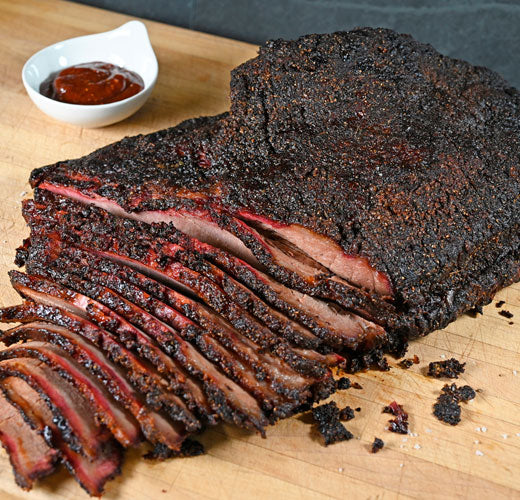
If you’ve ever wondered how long to cook brisket on a charcoal grill, you’re not alone. Getting that perfect, tender, smoky flavor can seem tricky.
But with the right timing, you can turn your brisket into a mouthwatering masterpiece. You’ll discover exactly how long to grill your brisket over charcoal to get juicy, flavorful results every time. Stick with me, and you’ll be ready to impress your friends and family at your next cookout.
Choosing The Right Brisket
Cooking brisket on a charcoal grill needs the right cut of meat. Picking the right brisket affects taste and cooking time. This guide helps you choose the best brisket for grilling.
Learn about different brisket types, size tips, and how to find quality meat. These points help you get a tender and flavorful brisket.
Types Of Brisket Cuts
Brisket comes in two main cuts: the flat and the point. Each has unique texture and fat content. Knowing these helps you pick the right one for your grill.
- Flat Cut:Leaner and more uniform in shape. Cooks evenly and slices well.
- Point Cut:More fat and marbling. Offers rich flavor and tenderness.
Size And Weight Considerations
Briskets vary in size and weight. Choose based on how many people you will serve and your grill size. Large briskets take longer to cook.
| Weight Range | Cooking Time (approx.) | Serving Size |
| 5 to 7 pounds | 6 to 8 hours | 4 to 6 people |
| 8 to 12 pounds | 8 to 12 hours | 8 to 12 people |
| 12 to 16 pounds | 10 to 14 hours | 12 to 16 people |
Selecting Quality Meat
Good brisket looks fresh with a nice fat layer. Avoid meat that looks dry or has dark spots. Fat adds flavor and keeps meat moist during cooking.
- Choose brisket with even marbling of fat
- Look for a smooth surface and bright red color
- Ask your butcher about the meat’s origin
- Pick brisket with a fat cap about ¼ inch thick
Preparing The Brisket
Cooking brisket on a charcoal grill takes time and care. Preparing the meat well makes it tender and tasty.
Start with good trimming, seasoning, and resting. These steps set the base for a great cook.
Trimming Techniques
Trim the brisket to remove excess fat. Leave about a quarter-inch layer for flavor and moisture.
Cut away silver skin and hard fat. These parts do not melt during cooking and can be tough.
- Use a sharp knife for clean cuts
- Remove thick fat caps over ¼ inch
- Trim off silver skin completely
- Shape the brisket evenly for uniform cooking
Seasoning And Rubs
Seasoning adds flavor and helps form a crust on the brisket. Use simple rubs with salt and pepper.
Add other spices like garlic powder, paprika, or chili powder for extra taste. Apply the rub evenly on all sides.
- Start with coarse salt and black pepper
- Add garlic powder or onion powder if desired
- Use paprika for color and mild heat
- Pat the rub gently so it sticks to the meat
Resting Before Cooking
Rest the brisket after seasoning. Let the rub soak into the meat for at least 30 minutes.
For better flavor, wrap the brisket in plastic wrap and refrigerate up to overnight. Bring to room temperature before grilling.
- Rest at room temperature for 30-60 minutes before cooking
- Refrigerate wrapped if resting longer
- Bring brisket back to room temperature before placing on grill
Setting Up The Charcoal Grill
Cooking brisket on a charcoal grill needs good preparation. Setting up your grill right helps cook the meat evenly.
Focus on the charcoal type, heat zones, and temperature control. These steps make a big difference in cooking time and flavor.
Charcoal Types And Arrangement
Choose between lump charcoal and briquettes. Lump charcoal burns hotter and faster. Briquettes burn longer and steady.
Arrange charcoal to create the right heat. Place more charcoal on one side for a hot zone. Leave the other side with fewer coals for cooler heat.
- Lump charcoal: hotter, shorter burn time
- Briquettes: steady, longer burn time
- Pile coals on one side for direct heat
- Keep other side with fewer coals for indirect heat
Creating Indirect Heat Zones
Indirect heat cooks brisket slowly and evenly. Move charcoal to one side of the grill. Place the brisket on the opposite side.
Use a drip pan under the brisket. This catches fat and stops flare-ups. It also helps keep the grill moist.
- Charcoal on one side only
- Brisket on the cooler side
- Use a drip pan to catch fat
- Close the lid to keep heat steady
Temperature Control Tips
Keep your grill temperature between 225°F and 275°F. Use vents to control airflow and heat. Open vents increase heat, close vents reduce heat.
Check the temperature often with a grill thermometer. Add small amounts of charcoal if heat drops. Avoid opening the lid too much.
- Maintain 225°F to 275°F for slow cooking
- Use vents to adjust airflow and heat
- Check temperature regularly
- Add charcoal in small amounts when needed
- Keep lid closed to keep heat stable

Credit: www.reddit.com
Cooking Time Guidelines
Cooking brisket on a charcoal grill takes patience and care. The right cooking time ensures tender and flavorful meat.
This guide helps you understand how long to cook brisket by weight, what affects cooking time, and how to check doneness.
General Cooking Times By Weight
| Weight of Brisket | Estimated Cooking Time |
| 3 to 4 pounds | 4 to 5 hours |
| 5 to 6 pounds | 6 to 7 hours |
| 7 to 8 pounds | 8 to 10 hours |
| 9 to 10 pounds | 10 to 12 hours |
These times are for cooking at a steady temperature of 225°F to 250°F. Adjust based on your grill and conditions.
Factors Affecting Cooking Duration
- Grill temperature changes can speed up or slow down cooking.
- Wind and outside weather affect heat retention.
- Fat content in brisket changes cooking time.
- How often you open the grill lid affects heat loss.
- The type of charcoal and its quality matter.
Keep these factors in mind to adjust your cooking time and keep a consistent heat.
Monitoring Internal Temperature
Use a meat thermometer to check the brisket’s internal temperature. This is the best way to know when it is done.
- Insert thermometer into the thickest part of the brisket.
- Target an internal temperature of 195°F to 205°F for tender meat.
- Check temperature regularly after the first 4 hours.
- Let the brisket rest for 30 to 60 minutes before slicing.
Smoking And Flavor Enhancement
Cooking brisket on a charcoal grill takes time and care. Smoking adds deep flavors that make the meat tender and tasty. Using the right wood chips and smoke technique improves the taste significantly.
Understanding how to add smoke and choose wood chips helps you create a delicious brisket. You can try different flavors to find what you like best.
Choosing Wood Chips
Wood chips add smoke flavor to your brisket. Different woods create different tastes. Select wood chips that match the flavor you want to achieve.
- Hickory: Strong and smoky, classic for brisket
- Mesquite: Bold and intense, use sparingly
- Apple: Mild and sweet, good for a light smoke
- Cherry: Fruity and sweet, adds a red color to meat
- Oak: Medium smoky flavor, versatile choice
Adding Smoke During Cooking
Adding smoke at the right time keeps the brisket flavorful. Start smoking when the grill reaches a steady temperature. Maintain low heat for many hours to allow smoke to penetrate the meat.
| Time | Action | Notes |
| First 2 hours | Add wood chips | Begin smoke early for strong flavor |
| Every 45 minutes | Add more chips | Keep smoke steady but avoid over-smoking |
| Last hour | Stop adding chips | Allow smoke to settle and flavors to mature |
Flavor Profiles To Try
Experiment with different flavor mixes by combining wood chips and rubs. Use spices and herbs that complement the smoke for a unique taste.
- Texas Style: Hickory chips with salt, pepper, and garlic rub
- Sweet and Smoky: Apple chips with brown sugar and paprika rub
- Bold and Spicy: Mesquite chips with chili powder and cumin rub
- Fruity and Mild: Cherry chips with herb blend including thyme and rosemary

Credit: snakeriverfarms.com
Techniques To Ensure Tenderness
Cooking brisket on a charcoal grill takes time and care. The goal is to make the meat soft and juicy. Using the right techniques helps you get a tender brisket every time.
Patience and good methods keep the meat from drying out. These tips focus on wrapping, moisture control, and resting.
Wrapping Methods
Wrapping the brisket during cooking helps keep heat and moisture inside. This makes the meat tender and prevents it from drying out.
Use foil or butcher paper to wrap the brisket once it hits the stall, usually around 150°F. Foil traps more moisture, making the brisket softer. Butcher paper lets some steam escape, keeping the bark firmer.
- Wrap tightly to keep heat and moisture inside
- Choose foil for more moisture retention
- Choose butcher paper for a crispier bark
Managing Moisture
Moisture helps break down the tough fibers in brisket. Keep the meat moist by adding water or other liquids to the charcoal grill’s water pan.
You can also spritz the brisket with apple juice or beef broth every hour. This adds flavor and keeps the surface from drying out.
- Use a water pan in the grill to keep humidity high
- Spritz brisket with liquid every 45-60 minutes
- Avoid opening the grill too often to keep heat and moisture steady
Resting After Cooking
Rest the brisket after cooking to let the juices settle inside. This makes the meat juicy and tender when sliced.
Wrap the brisket in foil or a clean towel and place it in a cooler for one hour. This keeps the meat warm and allows the fibers to relax.
- Rest brisket for at least 30-60 minutes
- Wrap tightly to hold heat during resting
- Slice against the grain for best tenderness
Common Mistakes To Avoid
Cooking brisket on a charcoal grill takes time and care. Many people make simple mistakes that hurt the flavor and texture.
Knowing what to avoid helps you cook brisket that is tender and tasty every time.
Overcooking And Undercooking
Overcooking brisket makes it dry and tough. Undercooking leaves it chewy and hard to eat. Both ruin the experience.
Check the internal temperature with a meat thermometer. Brisket is done at about 195°F to 205°F.
- Overcooked brisket feels dry and crumbly.
- Undercooked brisket is rubbery and hard to cut.
- Use a thermometer to avoid guessing.
Temperature Fluctuations
Charcoal grills can have hot and cold spots. This causes uneven cooking and tough meat.
Keep a steady temperature around 225°F to 250°F for slow cooking. Add charcoal slowly to keep heat stable.
- Avoid opening the grill lid often.
- Arrange coals for indirect heat.
- Use a water pan to keep moisture and temperature steady.
Improper Seasoning
Seasoning is key for a tasty brisket. Too little seasoning makes it bland. Too much hides the meat’s flavor.
Use a simple mix of salt, pepper, and garlic powder. Apply it evenly before cooking and let it sit for at least an hour.
- Don’t forget to season all sides.
- Use coarse salt for better crust.
- Re-season during long cooks if needed.

Credit: www.youtube.com
Tools And Accessories
Cooking brisket on a charcoal grill takes time and patience. Using the right tools helps you cook it perfectly. This guide covers essential tools and accessories for grilling brisket well.
Having the right equipment makes it easier to control the heat and check the meat’s progress. It also helps keep the grill clean and working properly.
Recommended Thermometers
Thermometers are important to know when your brisket is done. A good thermometer shows the internal temperature accurately. This helps avoid undercooking or overcooking.
Look for thermometers that can stay in the meat while it cooks. Wireless or digital probes give real-time readings without opening the grill.
- Instant-read digital thermometer for quick checks
- Leave-in probe thermometer for continuous monitoring
- Wireless thermometers for remote temperature tracking
Grill Accessories
Some grill accessories make managing charcoal and smoke easier. They help keep the heat steady and add flavor to the brisket. Accessories improve the cooking experience.
- Charcoal chimney starter for easy lighting
- Grill grate lifter to adjust cooking height
- Water pan to keep the meat moist
- Heat-resistant gloves to protect your hands
- Long-handled tongs and spatula for safe handling
Maintenance Tips
Taking care of your grill keeps it working well for a long time. Clean the grill regularly to remove ash and grease. This prevents flare-ups and uneven heat.
Check for rust or damage before each use. Replace broken parts to keep your grill safe. Proper maintenance saves money and improves cooking results.
- Clean grill grates with a wire brush after each use
- Empty ash catcher to improve airflow
- Oil the grates to prevent food from sticking
- Cover the grill when not in use to protect from weather
- Inspect charcoal vents to ensure they open and close freely
Frequently Asked Questions
How Long To Cook Brisket Per Pound?
Cooking brisket on a charcoal grill typically requires about 1 to 1. 5 hours per pound. This timing ensures the meat becomes tender and flavorful. Ensure the grill maintains a consistent temperature of 225°F to 250°F. Always use a meat thermometer to confirm the internal temperature reaches 195°F to 205°F.
What Temperature For Brisket On Charcoal Grill?
Maintain a consistent grill temperature between 225°F and 250°F for optimal results. This low and slow cooking method helps break down the brisket’s connective tissues. It ensures the meat remains tender and juicy. Use a reliable grill thermometer to monitor the temperature closely throughout the cooking process.
Should I Wrap Brisket In Foil?
Wrapping brisket in foil, known as the “Texas Crutch,” helps retain moisture and speeds up cooking. It prevents the meat from drying out and enhances tenderness. Typically, wrap the brisket when it reaches an internal temperature of 165°F. This method also helps develop a flavorful bark on the brisket.
How To Check Brisket Doneness?
Use a meat thermometer to check the brisket’s doneness. Insert it into the thickest part of the meat. The brisket is done when it reaches an internal temperature of 195°F to 205°F. Additionally, the meat should feel tender when probed.
This ensures a perfectly cooked and flavorful brisket.
Conclusion
Cooking brisket on a charcoal grill takes time and patience. Expect to grill it low and slow for several hours. Keep the temperature steady around 225°F to 250°F for best results. Use a meat thermometer to check for doneness. The brisket is ready when it feels tender and juicy.
Rest the meat before slicing to keep it moist. Enjoy the rich, smoky flavor that only charcoal grilling can give. With careful attention, your brisket will turn out delicious every time.