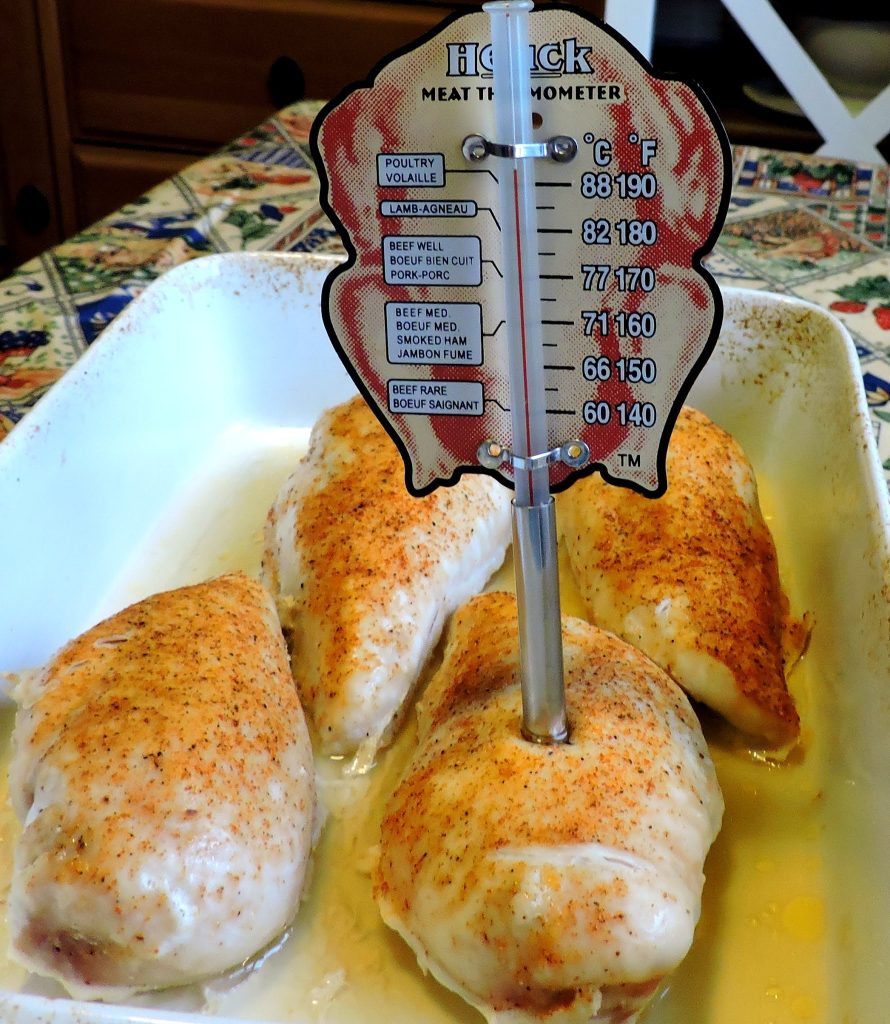
Are you wondering how long to cook chicken in your microwave oven without ending up with dry or undercooked meat? You’re not alone.
Getting the timing just right can save you from wasting food and keep your meals juicy and delicious. You’ll discover the simple secrets to perfectly cooking chicken in your microwave every time. Keep reading, and you’ll learn easy tips that make quick, safe, and tasty chicken a breeze.

Credit: www.cbc.ca
Microwave Cooking Basics
Microwave cooking can be a lifesaver, especially when you’re pressed for time. Understanding the basics of microwave cooking can help you achieve the perfect dish without compromising on taste or safety. Cooking chicken in a microwave might seem unconventional, but it can be done effectively with the right approach.
Microwave Power Levels
Microwaves come with different power levels, typically ranging from low to high. The power level affects how quickly your food cooks. For chicken, using a medium-high power level is often ideal.
Cooking at a lower power can ensure even cooking and prevent the chicken from drying out. It’s similar to simmering on a stove, allowing the heat to penetrate the chicken thoroughly. Always check your microwave’s manual to adjust the power settings accordingly.
Types Of Microwave Ovens
Did you know there are different types of microwave ovens? From solo microwaves to convection models, each has its unique features. A solo microwave is great for reheating and basic cooking, while a convection microwave can grill and bake.
If you’re using a convection microwave, you can achieve a crispy exterior on your chicken. However, a solo microwave may require you to use a microwave-safe cover to keep moisture in. Understanding your microwave’s capabilities can make a significant difference in your cooking results.
Safety Tips For Microwaving Chicken
Safety is paramount when cooking chicken, especially in a microwave. Always ensure the chicken reaches an internal temperature of 165°F to kill harmful bacteria. Use a food thermometer to verify this, particularly if you’re cooking thicker pieces.
Another tip is to cut the chicken into smaller pieces for more even cooking. Larger pieces may cook unevenly, leaving some parts undercooked. Rotate and rearrange the chicken midway through cooking to ensure even heat distribution.
Have you ever thought about the container you use? Always choose microwave-safe dishes to prevent harmful chemicals from leaching into your food. Following these safety tips can help you enjoy your meal without any worry.

Credit: www.theenglishkitchen.co
Factors Affecting Cook Time
Understanding the factors that affect the cooking time of chicken in a microwave oven can save you from undercooking or overcooking your meal. These factors determine how heat penetrates and cooks the chicken, influencing both texture and safety. Let’s dive into the key aspects you need to consider to get perfectly cooked chicken every time.
Chicken Cut And Size
The type of chicken cut significantly changes cooking time. Smaller pieces like diced breast or thighs cook faster than whole legs or breasts.
Thickness matters too. A thin chicken fillet might take just 3-4 minutes, while a thick breast could require double that time. Try to cut chicken into uniform sizes to ensure even cooking.
Starting Temperature
Is your chicken straight from the fridge or closer to room temperature? This makes a big difference.
Cold chicken takes longer to cook because the microwave first needs to raise its temperature before cooking can begin. Letting chicken sit out for 15-20 minutes before microwaving can reduce cook time and improve results.
Microwave Wattage
Microwave ovens come in various power levels, usually ranging from 600 to 1200 watts. Higher wattage means faster cooking.
If you’re using a lower wattage microwave, you’ll need to increase the cooking time accordingly. Check your microwave’s wattage label and adjust your cooking time by adding 20-30% more time if your wattage is below 800 watts.
Cooking Times For Different Cuts
Cooking chicken in a microwave can save you a lot of time, but knowing the right cooking time for each cut is crucial. Different cuts of chicken vary in thickness and density, which affects how long they need to cook thoroughly. Understanding these differences helps you avoid undercooked or dry chicken, ensuring safety and taste.
Whole Chicken
Microwaving a whole chicken is tricky because of its size and uneven thickness. It generally takes about 15 to 20 minutes per pound on medium power. Make sure to rotate the chicken every 5 minutes to promote even cooking and check the internal temperature reaches 165°F (75°C).
Chicken Breasts
Chicken breasts cook faster due to their uniform shape. Depending on thickness, expect 4 to 6 minutes on high power for a single breast. Thicker pieces may need additional time, but always check for doneness by cutting into the center or using a meat thermometer.
Chicken Thighs And Drumsticks
Dark meat like thighs and drumsticks takes slightly longer because of the bone and fat content. Plan for 6 to 8 minutes on high power per piece. Turning them halfway through cooking helps avoid hot spots and ensures the meat cooks evenly.
Ground Chicken
Ground chicken cooks quickly and evenly in the microwave. Spread it out in a thin layer and microwave on high for 3 to 4 minutes, stirring halfway through. This prevents cold spots and helps the meat cook completely without drying out.
Step-by-step Cooking Guide
Cooking chicken in a microwave oven is quick and simple. Follow this step-by-step guide for tender, juicy results. Each step ensures safety and flavor without guesswork.
Preparation And Seasoning
Start by patting the chicken dry with paper towels. This helps the seasoning stick better. Lightly coat the chicken with oil or butter. This keeps it moist during cooking.
Sprinkle salt, pepper, and your favorite herbs evenly on all sides. Avoid heavy sauces, as they may not cook well in a microwave. Cut thicker pieces into smaller, even sizes to cook uniformly.
Using Microwave-safe Containers
Place the chicken in a microwave-safe dish with a lid or cover it with microwave-safe plastic wrap. This traps steam and cooks the chicken evenly. Avoid metal or non-microwave-safe containers to prevent sparks and damage.
Use a shallow dish rather than a deep one. This allows heat to reach the chicken more easily. Leave a small gap for steam to escape if using plastic wrap.
Checking For Doneness
Microwave the chicken on medium-high power in short intervals, usually 3 to 5 minutes per side. Pause and turn the chicken to ensure even cooking. Use a meat thermometer to check the internal temperature.
The chicken is safe to eat when it reaches 165°F (75°C). If you do not have a thermometer, cut into the thickest part. The meat should be white with no pink areas, and the juices should run clear.
Common Microwave Cooking Mistakes
Cooking chicken in a microwave seems simple. Many make mistakes that affect taste and safety. These errors lead to uneven cooking, dry meat, or even foodborne illness. Knowing common microwave cooking mistakes helps you cook chicken better and safer.
Uneven Cooking
Microwaves cook food unevenly. Some parts get hot while others stay cold. This happens because microwaves heat water molecules, which vary in chicken pieces. Thick parts take longer to cook than thin parts. Stir or rotate chicken halfway through cooking for even heat.
Overcooking And Dryness
Microwaving too long dries chicken quickly. Chicken becomes tough and chewy. Overcooked chicken loses flavor and moisture. Use short cooking intervals and check chicken often. Cover chicken with a microwave-safe lid or wrap to keep moisture inside.
Avoiding Foodborne Illness
Microwave cooking may not kill all bacteria if chicken is undercooked. Always check the internal temperature with a food thermometer. Chicken is safe to eat at 165°F (74°C). Let chicken rest for a few minutes after cooking to allow heat to spread evenly.
Tips For Juicy Microwave Chicken
Cooking chicken in the microwave can be quick and convenient, but keeping it juicy requires a bit of attention. Dry, rubbery chicken is a common microwave mishap that you can easily avoid. These tips will help you lock in moisture and boost flavor, making your microwave chicken surprisingly tender and delicious.
Covering And Moisture Retention
Covering your chicken while microwaving traps steam and moisture, which prevents the meat from drying out. Use a microwave-safe lid or wrap the chicken with microwave-safe plastic wrap, leaving a small vent for steam to escape.
Adding a splash of water or broth in the dish before cooking creates a moist environment that helps keep the chicken juicy. Have you noticed how leftovers taste better when reheated covered? The same principle applies here.
Resting Time After Cooking
Let your chicken rest for a few minutes after microwaving. This allows the juices to redistribute throughout the meat instead of spilling out when you cut into it immediately.
Try covering the chicken loosely with foil or a clean kitchen towel while it rests to maintain warmth without drying it out. How often do you skip resting and end up with dry bites?
Adding Flavors And Marinades
Marinating your chicken before microwaving not only adds flavor but also helps tenderize the meat and keep it moist. Even a quick 15-minute soak in olive oil, lemon juice, or soy sauce can make a big difference.
Consider seasoning with herbs, spices, or a drizzle of sauce after cooking to boost taste without drying the chicken. What’s your favorite marinade combo to keep microwave chicken juicy and flavorful?

Credit: www.theenglishkitchen.co
Frequently Asked Questions
How Long Does It Take To Cook Chicken In Microwave?
Cooking chicken in a microwave typically takes 5 to 8 minutes per pound. Use medium-high power and check internal temperature. Ensure chicken reaches 165°F (74°C) for safety. Cooking time varies by microwave wattage and chicken size.
Can You Microwave Raw Chicken Safely?
Yes, you can microwave raw chicken safely if cooked thoroughly. Always use a microwave-safe dish and cover it. Check the internal temperature reaches 165°F (74°C) to avoid foodborne illness. Stir or rotate chicken for even cooking.
How To Avoid Dry Chicken In Microwave Cooking?
To prevent dry chicken, cover it with a microwave-safe lid or wrap. Add a bit of water or broth before cooking. Use medium power to cook slowly and retain moisture. Let chicken rest a few minutes after microwaving.
Is It Better To Cook Chicken Covered Or Uncovered In Microwave?
Cooking chicken covered in the microwave is better. Covering traps steam, cooking chicken evenly and keeping it moist. Use microwave-safe lids or plastic wrap to cover. Uncovered cooking may cause dryness and uneven cooking.
Conclusion
Cooking chicken in a microwave saves time and effort. Always check the chicken’s thickness for best results. Use medium power to cook evenly and avoid dryness. Turn or stir the chicken halfway through cooking. Let the chicken rest a few minutes before eating.
This helps juices spread and improves flavor. Always ensure the chicken reaches 165°F for safety. Simple steps make microwave cooking quick and safe. Enjoy your meal without long wait times or fuss.