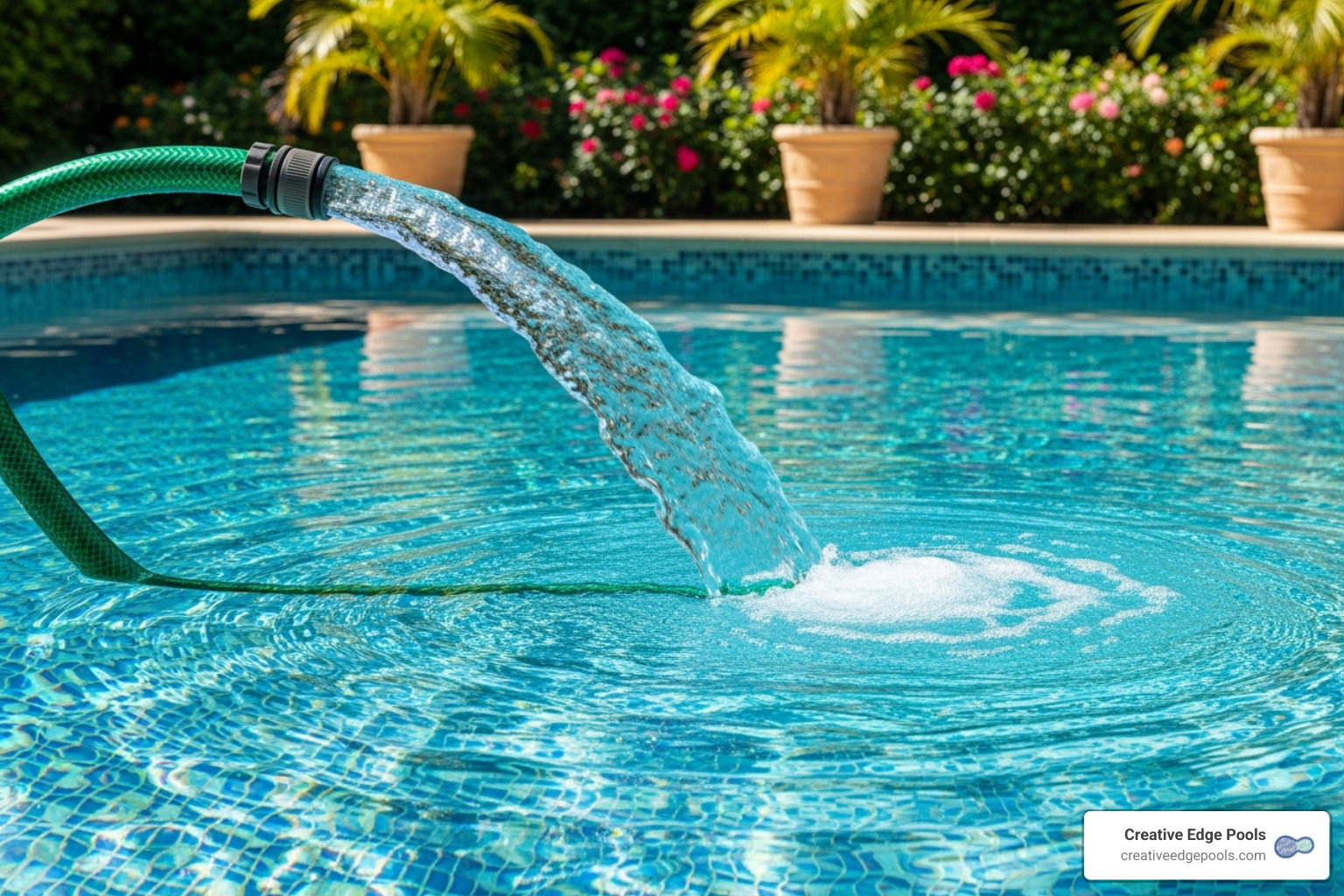
Wondering how long it takes to fill up your pool with a garden hose? You’re not alone.
Knowing the exact time can help you plan better and avoid surprises. Whether you’re prepping for a weekend swim or just keeping your pool ready, this simple question matters. You’ll discover the factors that affect filling time and get clear tips to make the process smooth and stress-free.
Keep reading—you’ll be ready to enjoy your pool sooner than you think!
Credit: creativeedgepools.com
Factors Affecting Fill Time
Filling a pool with a garden hose can take different amounts of time. Many things can change how fast the pool fills up. Knowing these factors can help you plan better.
This guide explains the main factors that affect how long it takes to fill your pool with a garden hose.
Pool Size And Shape
The size of your pool is the biggest factor in fill time. Larger pools need more water, so they take longer to fill. The shape also matters because some shapes hold more water even if they look smaller.
| Pool Shape | Common Volume Factor |
| Rectangular | Length × Width × Average Depth |
| Round | π × Radius² × Average Depth |
| Oval | Length × Width × Average Depth × 0.8 |
Water Pressure And Flow Rate
Water pressure and flow rate control how fast water comes out of the hose. Higher pressure pushes more water in less time. If the pressure is low, filling will take much longer.
- Check your home’s water pressure with a gauge.
- Flow rate is measured in gallons per minute (GPM).
- Typical garden hoses flow between 5 to 10 GPM.
- Low pressure or clogged hoses reduce flow rate.
Hose Length And Diameter
The length and diameter of your hose affect fill speed. Longer hoses lose pressure, so water flow slows down. Smaller diameter hoses carry less water. Both make filling slower.
| Hose Length | Effect on Flow |
|---|---|
| 25 feet | Minimal pressure loss, faster fill |
| 50 feet | Moderate pressure loss, slower fill |
| 100 feet | Significant pressure loss, much slower fill |
Estimating Fill Time
Filling a pool with a garden hose takes time. Knowing how long helps you plan better.
This guide explains how to estimate the fill time using simple methods.
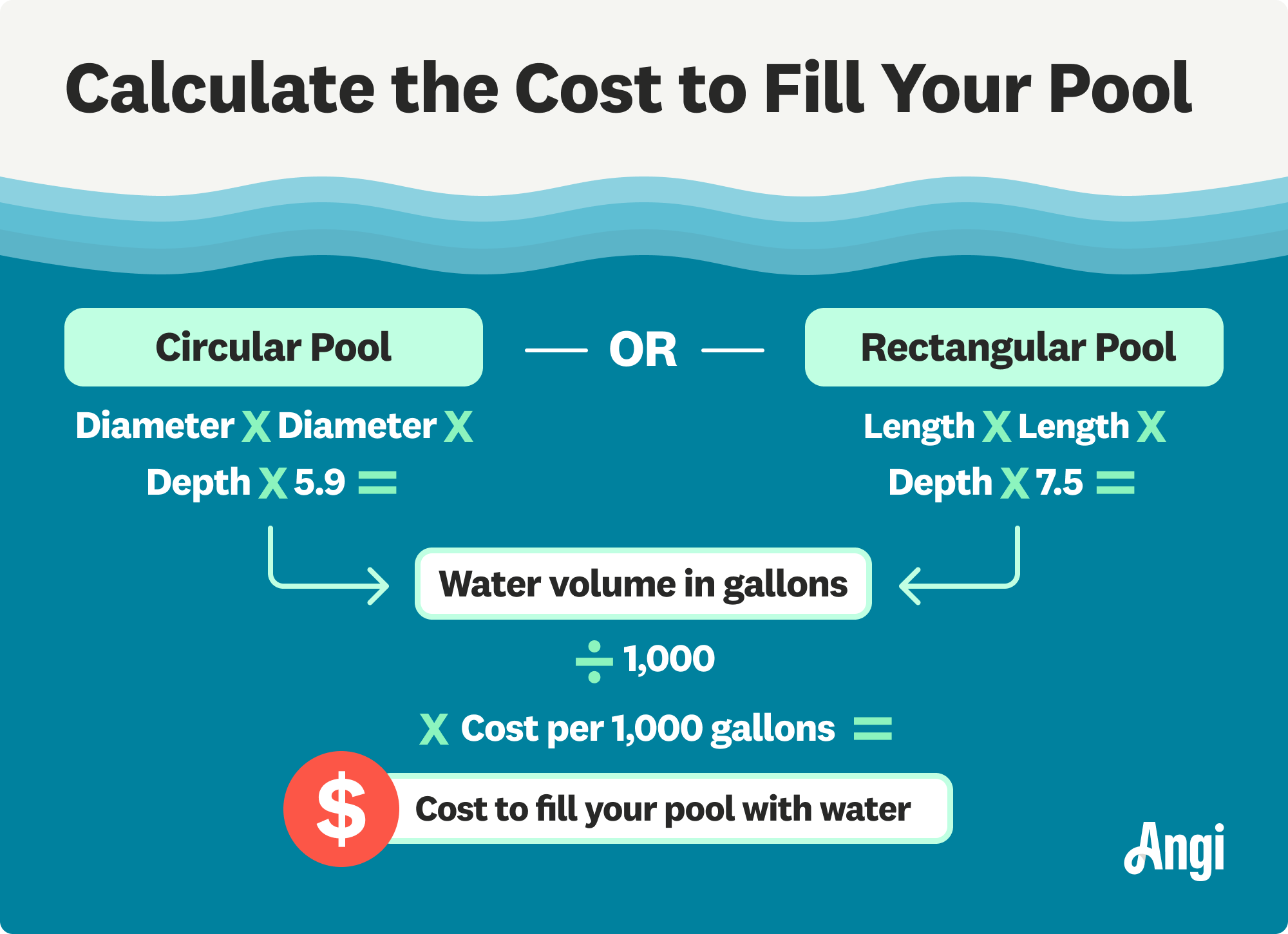
Calculating Pool Volume
First, find out the pool’s volume in gallons or liters. This depends on its shape and size.
- Measure the length, width, and depth of the pool in feet or meters.
- For rectangular pools, multiply length × width × average depth.
- For round pools, use the formula: π × radius² × depth.
- Convert the volume to gallons by multiplying cubic feet by 7.48 (for US gallons).
Measuring Hose Flow Rate
Next, check how fast your garden hose fills water. This is the flow rate.
| Measurement | Details |
| Time | Use a container and a stopwatch to measure seconds |
| Volume | Fill the container and note the volume in gallons or liters |
| Flow Rate | Divide volume by time to get gallons or liters per minute |
Using Formulas For Estimation
Use a simple formula to estimate the fill time once you have volume and flow rate.
- Calculate total pool volume in gallons.
- Measure hose flow rate in gallons per minute.
- Divide pool volume by flow rate to find minutes needed.
- Adjust for hose pressure or interruptions as needed.
Tips To Speed Up Filling
Filling a pool with a garden hose can take time. To make the process faster, you can use some handy tips. These tips will help you enjoy your pool sooner.
Each method focuses on improving the water flow and efficiency. Let’s explore these methods for a quicker pool fill-up.
Using Multiple Hoses
Using more than one hose can speed up the filling process. Each additional hose increases the water flow into the pool.
- Connect multiple hoses to different spigots.
- Ensure each hose is fully extended to avoid kinks.
- Use hose splitters if needed to maximize water output.
Optimizing Water Pressure
Higher water pressure fills the pool faster. Check your home’s water pressure to see if it can be adjusted.
Use a pressure gaugeto measure your water flow. Consult a plumber if adjustments are needed.
Choosing The Right Hose
The type of hose affects the filling speed. A larger diameter hose carries more water than a smaller one.
| Hose Type | Diameter | Flow Rate |
| Standard Hose | 1/2 inch | Moderate |
| Heavy Duty Hose | 3/4 inch | High |
| Expandable Hose | Varies | Low to Moderate |
Credit: www.angi.com
Common Challenges
Filling a pool with a garden hose takes time and patience. Many factors can slow down the process.
Knowing the common challenges helps you prepare better and avoid delays.
Leaks And Water Wastage
Leaks in hoses or connectors reduce water flow. They waste water and increase filling time.
- Check hoses for cracks or holes before use.
- Tighten all hose connections securely.
- Replace damaged hoses or fittings promptly.
- Use hose washers to prevent leaks at joints.
Pressure Fluctuations
Water pressure may change during filling. Low pressure slows the fill, and high pressure can cause hose bursts.
| Pressure Level | Effect on Filling |
| Low | Slow water flow, longer fill time |
| Normal | Steady, reliable filling |
| High | Risk of hose damage or leaks |
Environmental Considerations
Weather and temperature affect how fast your pool fills. Hot days can increase evaporation.
Tips to reduce environmental impact:
- Fill the pool during cooler parts of the day.
- Cover the pool to reduce evaporation.
- Avoid filling during heavy winds.
- Use water-saving nozzles on hoses.
Safety And Maintenance
Filling a pool with a garden hose takes time and care. Safety matters during the process. Maintenance helps keep the pool clean and safe.
Knowing how to avoid hose damage, monitor water quality, and care for the pool after filling is important. These steps protect your pool and family.
Avoiding Hose Damage
Garden hoses can break or leak if used improperly. Taking care of the hose saves water and time.
- Do not stretch the hose too far or pull it around sharp edges.
- Keep the hose away from hot surfaces and chemicals.
- Drain the hose after use to prevent cracks in cold weather.
- Store the hose coiled and off the ground to avoid damage.
Monitoring Water Quality
Water quality affects pool safety and enjoyment. Check the water during and after filling.
| Test | Ideal Range | Why It Matters |
| pH Level | 7.2 – 7.8 | Prevents skin irritation and protects pool parts |
| Chlorine | 1 – 3 ppm | Kills bacteria and keeps water clean |
| Alkalinity | 80 – 120 ppm | Stabilizes pH level |
| Hardness | 200 – 400 ppm | Prevents corrosion and scaling |
Proper Pool Care Post-fill
After filling, clean and maintain the pool to keep it safe and clear.
- Run the pool pump for at least 8 hours to circulate water.
- Check and adjust chemical levels daily for the first week.
- Skim debris from the surface to prevent clogging filters.
- Brush pool walls to avoid algae growth.
- Inspect pool equipment for any leaks or damage.

Credit: www.angi.com
Frequently Asked Questions
How Long Does It Take To Fill A Pool With A Garden Hose?
Filling a pool with a garden hose usually takes 8 to 24 hours. It depends on pool size and hose flow rate. Most hoses deliver 5 to 10 gallons per minute. Larger pools and slower water flow increase fill time.
What Factors Affect Pool Fill Time Using A Garden Hose?
Fill time varies by pool size, hose diameter, and water pressure. Larger pools need more water. Thicker hoses and higher water pressure speed up filling. Outdoor temperature and hose length can also impact flow rate and duration.
Can I Speed Up Pool Filling With Multiple Hoses?
Yes, using multiple hoses can reduce fill time. Each hose adds more water flow, filling the pool faster. Ensure your water supply can handle multiple hoses without reducing pressure. This method is practical for large pools needing quicker filling.
Is It Safe To Leave A Garden Hose Running To Fill A Pool?
Yes, but monitor the hose to prevent overflow or leaks. Use a timer or automatic shutoff to avoid water waste. Ensure the hose is in good condition to prevent breaks or damage during filling.
Conclusion
Filling a pool with a garden hose takes time and patience. The size of the pool and water pressure affect how fast it fills. Knowing the flow rate helps you estimate the filling time better. Small pools fill in a few hours, while larger ones take longer.
Planning ahead saves frustration and keeps your pool ready to enjoy. Turn on the hose, watch the water rise, and relax. Soon, your pool will be full and perfect for cooling off.