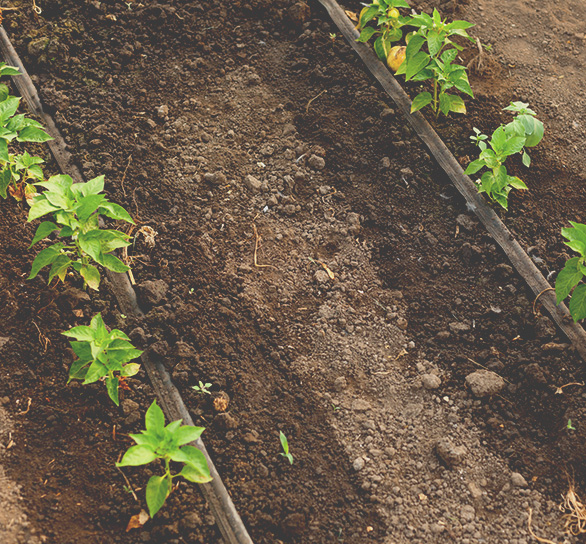
Are you wondering how long to leave your soaker hose on in your vegetable garden? Getting the timing right can make a big difference in how healthy and productive your plants become.
Too little water, and your veggies might dry out. Too much, and you risk overwatering, which can harm roots and waste water. You’ll discover simple, practical tips to find the perfect watering time for your garden. Keep reading to unlock the secrets that will help your vegetables thrive all season long.
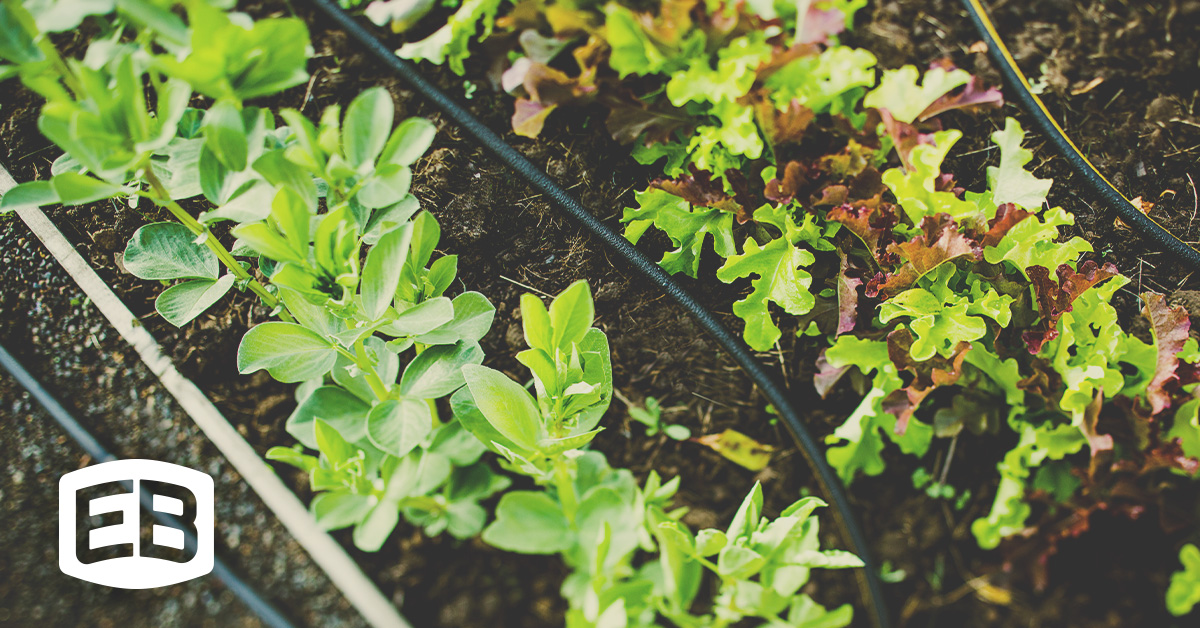
Credit: eatonbrothers.com
Soaker Hose Basics
Soaker hoses deliver water slowly to plants. They help keep the soil moist.
These hoses have tiny holes that let water seep out gently. This avoids water waste.
How Soaker Hoses Work
Soaker hoses work by releasing water through many small holes along their length. Water moves from the hose into the soil around the plants.
- The hose is connected to a water source.
- Water pressure forces water out of tiny pores.
- Water soaks directly into the soil.
- This watering method reduces evaporation.
- It keeps plant roots evenly moist.
Benefits For Vegetables
Vegetables grow better with consistent moisture. Soaker hoses provide this by watering the roots without wetting leaves.
| Benefit | Explanation |
|---|---|
| Water Efficiency | Less water loss due to direct soil watering |
| Reduced Disease | Leaves stay dry, lowering mold and fungus risk |
| Stronger Roots | Steady moisture encourages deep root growth |
| Time Saving | Automates watering, reduces manual effort |
Factors Affecting Watering Time
Knowing how long to leave a soaker hose on your vegetable garden depends on many things. Each factor changes how much water the plants need.
Adjusting watering time helps plants grow healthy without wasting water. Below are key factors to consider.
Soil Type Impact
Different soils hold water differently. Sandy soil drains water fast. Clay soil holds water longer but drains slowly.
| Soil Type | Water Retention | Suggested Soaker Hose Time |
| Sandy | Low | 30-45 minutes |
| Loamy | Medium | 45-60 minutes |
| Clay | High | 20-30 minutes |
Weather Conditions
Weather affects soil moisture and watering needs. Hot, dry days need longer watering. Cool, rainy days need less.
- Hot and sunny: Increase watering time
- Cool and cloudy: Keep watering time short
- After rain: Skip watering or reduce time
- Windy days: Water more to reduce evaporation
Plant Growth Stage
Plants need different water amounts at each growth stage. Young plants need gentle, short watering. Mature plants need longer.
Here is how watering time changes with growth:
- Seedlings: 15-30 minutes to avoid overwatering
- Vegetative growth: 30-45 minutes for steady growth
- Flowering and fruiting: 45-60 minutes for full development
Recommended Watering Durations
Using a soaker hose in your vegetable garden helps deliver water directly to the roots. The watering time depends on several factors like soil type, weather, and plant needs.
Knowing how long to leave the soaker hose on ensures your plants get enough water without wasting it.
Daily Vs. Weekly Watering
Watering daily means shorter sessions each day. Weekly watering means longer sessions less often. Each method suits different garden conditions.
- Daily watering keeps soil moist but may waste water in cooler weather.
- Weekly watering encourages deeper root growth by soaking soil well.
- Daily watering works well for sandy soil that drains quickly.
- Weekly watering suits clay soil that holds moisture longer.
Adjusting Time By Season
Season changes affect how much water plants need. Hot, dry months require longer watering times than cool, wet months.
| Season | Recommended Soaker Hose Time | Notes |
|---|---|---|
| Spring | 30 to 45 minutes | Check soil moisture to avoid overwatering |
| Summer | 45 to 60 minutes | Water early morning or late evening |
| Fall | 20 to 30 minutes | Reduce time as temperatures cool |
| Winter | 10 to 15 minutes (if needed) | Water only if soil is dry and plants are growing |
Setting Up Your Soaker Hose
A soaker hose is a great tool for watering your vegetable garden. It delivers water directly to the roots, saving time and water.
Proper setup ensures that your plants get the right amount of water. Let’s explore how to set it up effectively.
Proper Placement Techniques
Place the soaker hose near the base of your plants. This allows water to seep directly to the roots.
Keep the hose flat on the soil surface. Secure it with garden staples to prevent movement.
- Position hose 2 inches from plant base
- Use staples every 3 feet
- Avoid looping the hose
Pressure And Flow Considerations
Water pressure affects how well your soaker hose works. Low pressure is ideal for even water distribution.
Too much pressure can cause leaks. Adjust pressure with a pressure regulator if needed.
- Use a pressure regulator set to 10 PSI
- Check for uniform water flow
- Inspect hose for leaks regularly
Signs Of Overwatering And Underwatering
Vegetable gardens need the right amount of water to grow healthy. Too much or too little water can harm plants. Knowing the signs helps you fix watering problems quickly.
This guide shows common symptoms in vegetables caused by wrong watering. It also explains how to correct these issues for a thriving garden.
Common Symptoms In Vegetables
- Overwatering:Leaves turn yellow and feel soft.
- Overwatering:Roots may rot and smell bad.
- Overwatering:Plants look wilted even when soil is wet.
- Underwatering:Leaves become dry, crispy, and brown at edges.
- Underwatering:Plants droop and feel weak.
- Underwatering:Slow growth and small fruits.
How To Correct Watering Issues
| Problem | Fix | Tips |
| Overwatering | Reduce watering times | Water only when top 2 inches of soil are dry |
| Overwatering | Improve soil drainage | Add compost or sand to soil |
| Underwatering | Increase watering frequency | Water early morning or late evening |
| Underwatering | Use mulch | Mulch helps keep soil moist longer |

Credit: www.epicgardening.com
Tips For Efficient Water Use
Using a soaker hose in your vegetable garden saves water and helps plants grow well. Knowing how long to leave the hose on is important to avoid overwatering.
Watering efficiently keeps the soil moist without wasting water. This helps plants stay healthy and makes your garden more productive.
Mulching With Soaker Hoses
Mulch helps keep the soil moist by reducing evaporation. Place mulch over the soaker hose to make watering more effective.
Mulching also stops weeds from growing and keeps the soil cool. This means your plants get steady water and stay healthy.
- Use organic mulch like straw or wood chips
- Cover the soaker hose evenly with mulch
- Keep mulch about 2-3 inches thick
- Check mulch regularly and add more if needed
Timing Watering For Best Results
Run your soaker hose early in the morning or late in the evening. This reduces water loss from heat and wind.
How long you leave the hose on depends on soil type and weather. Usually, 30 minutes to 1 hour is enough for most vegetable gardens.
- Check soil moisture after watering
- Adjust watering time if soil feels wet or dry
- Water deeply to encourage strong roots
- Reduce watering time on rainy days

Credit: www.epicgardening.com
Frequently Asked Questions
How Long Should A Soaker Hose Run Daily?
Run your soaker hose for 1 to 2 hours daily. This duration ensures deep watering without over-saturation. Adjust time based on soil type and weather conditions to keep your vegetable garden healthy and hydrated.
Can I Leave A Soaker Hose On Overnight?
It’s best to avoid leaving the soaker hose on overnight. Extended watering can cause root rot and water waste. Water early morning or late afternoon for optimal absorption and plant health.
How Often Should I Water Vegetables With A Soaker Hose?
Water your vegetable garden 3 to 4 times per week using a soaker hose. Frequency depends on weather, soil, and plant type. Consistent moisture helps vegetables grow strong and productive.
Does Soil Type Affect Soaker Hose Watering Time?
Yes, soil type impacts watering time with a soaker hose. Sandy soils need shorter, more frequent watering. Clay soils require longer, less frequent watering to prevent runoff and ensure deep moisture.
Conclusion
Soaker hoses save water and help plants grow strong. Run the hose long enough to keep soil moist, not soaked. Check soil regularly to avoid overwatering or drying out. Morning watering works best to reduce evaporation. Adjust time based on weather and plant needs.
This simple care keeps your vegetable garden healthy and productive. Remember, small changes make big differences in your garden’s success.