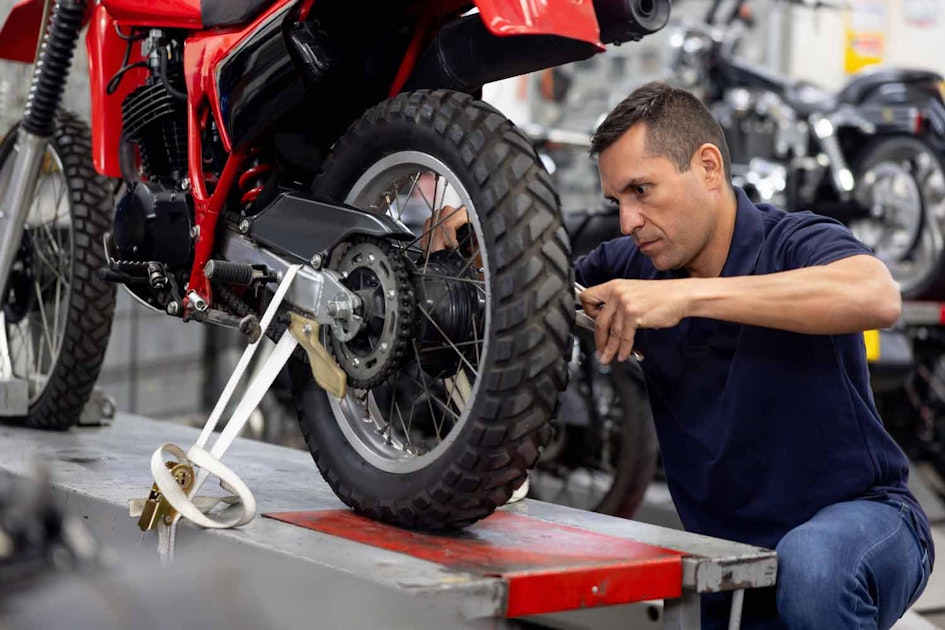
Have you ever wondered how long your motorcycle tires will really last? Knowing this can save you money, keep you safe, and help you plan your rides better.
But the truth is, there’s no one-size-fits-all answer. Your riding style, the roads you take, and how well you care for your tires all play a big role. Keep reading, and you’ll discover the key signs to watch for, how to extend your tire life, and when it’s time to make a change.
This knowledge will give you confidence every time you hit the road.

Credit: www.motorcyclistonline.com
Factors Affecting Tire Lifespan
Motorcycle tires do not last forever. Many things change how long they stay good. Knowing these factors helps you keep your bike safe.
Each factor plays a role in how fast your tires wear out. Let’s look at some key points to watch for.
Tire Type And Quality
Different tires have different life spans. Sport tires wear out faster than touring tires. Cheap tires may wear faster than expensive ones.
Good quality tires last longer and perform better. Always choose tires made for your bike and riding needs.
- Sport tires: shorter lifespan, better grip
- Touring tires: longer lifespan, less grip
- High-quality tires last longer and are safer
- Match tire type to your riding style
Riding Style
How you ride changes tire wear. Hard braking and fast cornering wear tires faster. Smooth riding helps tires last longer.
Riding mostly on highways uses tires evenly. Riding in stop-and-go traffic causes more wear on the tires.
- Aggressive riding wears tires quickly
- Smooth acceleration and braking save tire life
- Long highway rides wear tires evenly
- Stop-and-go traffic causes uneven wear
Road Conditions
Rough or damaged roads wear tires faster. Sharp stones and debris can cause cuts or punctures. Smooth roads help tires last longer.
Riding on gravel or dirt needs tires made for those surfaces. Using street tires off-road reduces tire life quickly.
- Rough roads cause faster tire wear
- Debris can damage tires and reduce lifespan
- Use proper tires for off-road riding
- Smooth pavement helps tires last longer
Weather Impact
Heat makes tires wear faster by softening the rubber. Cold weather can harden tires, reducing grip and causing cracks.
Wet roads need tires with good tread. Worn tires have less grip and are unsafe in rain or snow.
- High heat speeds up tire wear
- Cold weather hardens tires and causes cracks
- Good tread is important for wet conditions
- Replace worn tires before winter or rain

Credit: www.reddit.com
Average Lifespan Of Motorcycle Tires
Motorcycle tires wear out with use and time. Knowing their lifespan helps riders stay safe.
The lifespan depends on tire type and riding style. Different tires last different amounts of time.
Sport Tires
Sport tires have soft rubber for better grip. This makes them wear faster than other types.
These tires usually last about 3,000 to 5,000 miles. Hard cornering and fast speeds reduce life span.
- Soft rubber wears quickly
- Designed for high speed and grip
- Lasts 3,000 to 5,000 miles
Cruiser Tires
Cruiser tires use harder rubber for long wear. They handle less aggressive riding styles.
These tires can last between 10,000 and 15,000 miles. They are good for steady, relaxed rides.
- Hard rubber for durability
- Meant for smooth, casual riding
- Lasts 10,000 to 15,000 miles
Touring Tires
Touring tires are made for long-distance trips. They balance grip and wear for a smooth ride.
These tires often last 8,000 to 12,000 miles. They work well on highways and wet roads.
- Balanced grip and durability
- Ideal for long rides
- Lasts 8,000 to 12,000 miles
Off-road Tires
Off-road tires have deep treads for dirt and mud. They wear quickly on pavement but last off-road.
These tires may last 1,500 to 3,000 miles on rough trails. Using them on roads shortens their life.
- Deep tread for dirt traction
- Best for rough trails
- Lasts 1,500 to 3,000 miles
Signs It’s Time To Replace Tires
Motorcycle tires wear out over time and need replacing. Recognizing the signs helps keep you safe on the road.
Check your tires often for clues that they need changing. This guide covers key warning signs to watch for.
Tread Wear Indicators
Most tires have built-in tread wear indicators. These are small raised bars in the tire grooves. When the tread wears down to these bars, the tire needs replacement.
- Look for the raised bars inside the tread grooves.
- If the tread is level with these bars, replace the tires.
- Proper tread depth helps maintain grip and control.
Visible Damage
Cracks, cuts, or bulges on the tire surface are warning signs. Any visible damage can cause tire failure.
| Type of Damage | What to Do |
| Cracks in sidewalls | Replace tire immediately |
| Cuts or punctures | Assess repairability or replace |
| Bulges or bubbles | Do not ride; replace tire |
Handling Changes
Notice if your motorcycle feels different while riding. Poor handling can mean worn tires.
- Slipping during turns
- Vibration or wobbling
- Longer stopping distances
If you feel any of these changes, check your tires and consider replacement.
Age Of Tires
Tire rubber degrades over time even without heavy use. Most experts recommend replacing tires every five years.
Check the tire’s manufacture date on the sidewall. It is a four-digit code showing the week and year made.
| Code Example | Meaning |
|---|---|
| 2519 | Made in 25th week of 2019 |
| 4318 | Made in 43rd week of 2018 |
Maintenance Tips To Extend Tire Life
Motorcycle tires wear out over time and use. Proper care helps tires last longer and stay safe.
Following simple maintenance tips can improve tire life. These include checking air pressure, inspecting tires, and storing them correctly.
Proper Inflation
Keep your motorcycle tires inflated to the pressure recommended by the manufacturer. Underinflated tires wear unevenly and can cause poor handling. Overinflated tires reduce traction and increase wear in the center.
- Check tire pressure at least once a week
- Use a reliable pressure gauge
- Adjust pressure when tires are cold
- Follow the pressure guidelines in your owner’s manual
Regular Inspections
Inspect your tires often for damage and wear. Look for cracks, cuts, or embedded objects. Check the tread depth to ensure good grip and safety.
| Inspection Item | What to Check |
| Tread Depth | Minimum 1/32 inch for safety |
| Cracks or Cuts | Avoid riding if damage is deep |
| Foreign Objects | Remove nails, glass, or stones |
| Sidewalls | Check for bulges or bubbles |
Balancing And Alignment
Proper balancing and alignment prevent uneven tire wear. Unbalanced tires cause vibration. Misaligned wheels wear tires faster on one side.
- Have your tires balanced by a professional
- Check wheel alignment regularly
- Replace worn suspension parts to keep alignment
Storage Recommendations
Store your motorcycle and tires correctly when not in use. Poor storage can damage tires and shorten their life.
Follow these storage tips:
- Keep tires away from direct sunlight and heat sources
- Store tires in a cool, dry place
- Use tire covers or bags to protect from dust and moisture
- Elevate the motorcycle or remove tires to avoid flat spots
Choosing The Right Tires For Longevity
Choosing the right motorcycle tires can help them last longer. Tires wear out based on use, road conditions, and tire type.
Knowing what fits your riding style and needs makes a big difference. Let’s look at key points to consider.
Matching Tires To Riding Needs
Tires designed for your riding style will last longer and perform better. Different tires suit different road and weather conditions.
- Sport tires give better grip but wear faster.
- Touring tires last longer and offer a smooth ride.
- Off-road tires work well on dirt but wear quickly on pavement.
- Commuter tires balance durability and comfort.
Brand And Model Considerations
Brands differ in quality, rubber compounds, and tread design. Research helps pick a reliable brand and model for longer life.
| Brand | Known For | Longevity |
| Brand A | Sport performance | Short to medium |
| Brand B | Touring comfort | Long |
| Brand C | Off-road grip | Medium |
| Brand D | Balanced use | Medium to long |
Budget Vs. Durability
Higher price often means better materials and longer life. Choose tires that fit your budget but do not sacrifice durability.
Consider these points for budget and durability:
- Cheaper tires may wear out faster.
- Mid-range tires usually offer good balance.
- Premium tires often last longer but cost more.
- Check warranty and user reviews before buying.

Credit: www.motorcyclistonline.com
Frequently Asked Questions
How Long Do Motorcycle Tires Typically Last?
Motorcycle tires usually last between 3,000 to 15,000 miles. The lifespan depends on tire type, riding style, and road conditions. Regular maintenance and proper inflation can extend tire life significantly.
When Should I Replace Motorcycle Tires For Safety?
Replace tires when tread depth is below 2/32 inch or if you see cracks. Also, consider replacement after 5-6 years regardless of wear. Worn tires compromise grip and increase accident risk.
Can Tire Age Affect Motorcycle Tire Performance?
Yes, tire age affects performance even if tread looks good. Rubber hardens over time, reducing grip and increasing the chance of failure. Check manufacturing date and replace tires older than 5 years.
How Does Riding Style Impact Motorcycle Tire Lifespan?
Aggressive riding with hard braking and fast cornering wears tires faster. Smooth, consistent riding helps tires last longer. Adjust your style to increase tire longevity and maintain safety.
Conclusion
Motorcycle tires wear out depending on riding style and road conditions. Regularly check tire tread and pressure for safety. Replace tires when tread looks thin or cracked. Proper care helps tires last longer and keeps you safe. Remember, good tires improve your riding experience.
Stay alert and maintain your bike well. Safe rides start with strong, reliable tires.