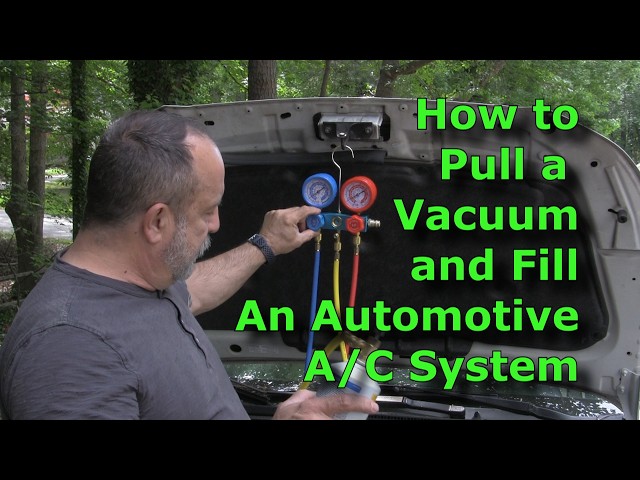
Have you ever wondered why your car’s air conditioning isn’t as cool as it should be? Or maybe you’re curious about how to keep your AC system running smoothly?
If so, you’re in the right place. Pulling a vacuum on your car’s AC system is crucial for maintaining its efficiency and longevity. But how long should this process take? Understanding this can save you time, money, and the discomfort of driving in a hot car.
In this post, we’ll break down the ins and outs of pulling a vacuum on your car’s AC system. You’ll discover not only the ideal time needed but also why it’s essential for your vehicle’s health. Stay tuned, because the key to a cool, comfortable ride is just a few scrolls away.
Purpose Of Vacuuming Car Ac
Vacuuming your car’s AC system is more than just a routine step; it plays a crucial role in maintaining the system’s efficiency and longevity. Understanding why this process is necessary can help you appreciate the care your vehicle needs and avoid costly repairs. Let’s dig into the main reasons why vacuuming your car AC is essential.
Removing Moisture And Air
Moisture inside the AC system can cause serious problems. Even a small amount of water can freeze and block the system, leading to poor cooling or damage to internal parts.
Vacuuming pulls out all the trapped air and moisture, creating a clean and dry environment. This step ensures the refrigerant flows smoothly without interruption.
Have you ever noticed your AC blowing warm air after a recharge? It might be because moisture or air was left inside, reducing the system’s efficiency.
Preventing System Damage
Air contains oxygen, which can react with refrigerant and oil, leading to corrosion inside the AC components. This corrosion can cause leaks and decrease system life.
Vacuuming helps prevent these reactions by removing air and contaminants before recharging the system. It’s a simple step that saves you from expensive repairs down the road.
Think about the last time you skipped vacuuming—did your AC run smoothly, or did you face issues soon after? Proper vacuuming protects your investment and keeps your car cool under the sun.
Credit: www.youtube.com
Recommended Vacuum Time
Vacuuming a car AC system removes air and moisture. Proper vacuum time ensures the system is clean and ready for refrigerant. It prevents future damage and keeps the AC working well. Knowing the right vacuum time is key for good results.
Typical Duration For Most Systems
Most car AC systems need vacuuming for 30 to 45 minutes. This time allows the pump to remove moisture and air completely. Some systems may require longer vacuum times for better results. Running the vacuum for less than 30 minutes risks leaving moisture inside. Moisture can cause corrosion and reduce cooling efficiency. A steady vacuum gauge reading near zero shows a good vacuum.
Factors Affecting Vacuum Time
- System size: Larger systems need more time to reach full vacuum.
- Leaks: Small leaks slow the vacuum process and need fixing first.
- Vacuum pump quality: A strong pump pulls vacuum faster and deeper.
- Temperature: Warmer conditions help moisture evaporate, reducing vacuum time.
- System condition: Older or dirty systems require longer vacuuming to clear contaminants.
Vacuum Pump Types And Impact
Vacuum pumps play a crucial role in servicing car AC systems. Choosing the right pump affects how long you need to pull vacuum and the system’s overall performance. Different pump types offer various levels of efficiency and speed, impacting your maintenance routine.
Single-stage Vs. Two-stage Pumps
Single-stage pumps have one piston and are simpler in design. They can reach a vacuum level suitable for most car AC systems but may take longer to do so. Two-stage pumps use two pistons working in sequence. This design creates a deeper vacuum faster and more reliably. Two-stage pumps are better for removing moisture and air from the system quickly. They are often preferred for thorough AC maintenance.
Pump Capacity Considerations
Pump capacity is measured in cubic feet per minute (CFM). Higher CFM means faster air and moisture removal. Small pumps (around 3 CFM) work well for light AC systems in passenger cars. Larger pumps (6 CFM or more) are better for bigger vehicles or systems with more volume. Using a pump with too low capacity can extend vacuum time and reduce efficiency. Choose a pump that matches your car AC system size for the best results.
Signs Of A Proper Vacuum
Knowing the signs of a proper vacuum is essential when working on your car’s AC system. It tells you if the system is ready for refrigerant or if there might be leaks or moisture inside. Recognizing these signs helps prevent future damage and ensures your AC performs efficiently.
Achieving Target Micron Levels
The key sign of a good vacuum is reaching the target micron level, usually below 500 microns. Some technicians aim for even lower levels, like 200 microns, to ensure all moisture and air are removed. If your vacuum gauge stalls above this, it could mean there’s moisture or a leak in the system.
Think about the last time you pulled a vacuum and the gauge stayed high—did your AC cool as well afterward? If not, it might be because you never hit that low micron level, showing how critical this step is.
Holding Vacuum Without Pressure Rise
After reaching the target vacuum level, the next sign is holding that vacuum without any pressure increase. Disconnect the vacuum pump and watch the gauge for at least 10-15 minutes. If the pressure rises, it signals air or moisture is still entering the system.
Holding vacuum is your system’s way of proving it’s sealed tight. Without this, charging refrigerant can trap contaminants, causing damage. If you notice pressure creeping up, consider checking for leaks or extending the vacuum time.
Common Mistakes To Avoid
Pulling a vacuum on your car AC system is crucial for removing moisture and air, but many make avoidable mistakes that compromise the process. Understanding these common errors can save you time and prevent damage to your system. Let’s look at what you need to watch out for to get the best results.
Insufficient Vacuum Time
Rushing through the vacuum process is a frequent mistake. Pulling a vacuum for less than 30 minutes often leaves moisture and air trapped inside the system. This can cause poor cooling and even damage over time.
From my experience, setting a timer helps ensure you don’t cut the vacuum short. Think about it: would you trust a car repair done halfway? The same applies here. Patience pays off.
Ignoring Leaks And Contamination
Vacuuming without checking for leaks or contamination is like filling a bucket with holes. Any leaks will let air and moisture back in, undoing your vacuum efforts.
Always test your system for leaks before pulling a vacuum. Use a leak detector or soapy water to find bubbles. Contaminants like dirt or old oil can also block the system, so clean parts thoroughly before vacuuming.
Ask yourself: have you ensured your AC system is sealed and clean? Skipping this step wastes your time and money.

Credit: www.reddit.com
Best Practices For Vacuuming
Vacuuming your car AC system isn’t just about running the pump for a set time. How you vacuum greatly impacts the system’s efficiency and longevity. Adopting best practices ensures you remove moisture and air effectively, preventing costly repairs down the road.
Pre-check System For Leaks
Before pulling a vacuum, inspect your AC system for leaks. Even a tiny leak can let air and moisture back in, ruining your vacuum efforts. Use a UV dye or electronic leak detector to find hidden leaks quickly.
If you find leaks, fix them first. Pulling a vacuum on a leaky system is like trying to fill a bucket with a hole in it. Sealing leaks upfront saves you from repeating the vacuum process multiple times.
Using A Micron Gauge
A micron gauge measures how deep the vacuum is inside your AC system. It’s the most precise way to know if you’ve removed enough air and moisture. Aim for a vacuum level below 500 microns to ensure the system is properly evacuated.
Watching the gauge during vacuuming helps you avoid guesswork. If the vacuum doesn’t hold steady, it means there’s still a leak or moisture. This tool helps you decide when to continue or stop, saving time and effort.
Maintaining Vacuum Consistency
Once you reach the desired vacuum level, keep the vacuum pump running for at least 15 to 30 minutes. This time allows trapped moisture to boil off and get removed from the system. Stopping too soon can leave moisture behind, causing corrosion and poor cooling.
During this period, monitor the vacuum gauge. It should stay steady or improve slightly. If the vacuum pressure rises, you may have a slow leak or trapped moisture that needs more time or attention.

Credit: m.youtube.com
Frequently Asked Questions
How Long Should I Pull Vacuum On My Car Ac System?
Pull vacuum on your car AC system for at least 30 minutes. This duration ensures all moisture and air are removed effectively. Longer vacuum times may be needed for larger systems or if leaks are suspected. Proper vacuuming improves AC performance and longevity.
Why Is Pulling Vacuum Important For Car Ac Systems?
Pulling vacuum removes moisture and air from the AC system. Moisture can cause corrosion and damage, while air reduces cooling efficiency. A proper vacuum creates a clean, dry environment, ensuring optimal refrigerant flow and system performance. It also helps detect leaks before charging.
Can Pulling Vacuum Too Long Damage The Car Ac System?
Pulling vacuum too long generally does not damage the car AC system. However, excessive vacuum time without proper monitoring is unnecessary. It can waste time and energy. Follow manufacturer guidelines, usually 30 to 45 minutes, to ensure safety and effectiveness during the vacuum process.
What Equipment Is Needed To Pull Vacuum On A Car Ac System?
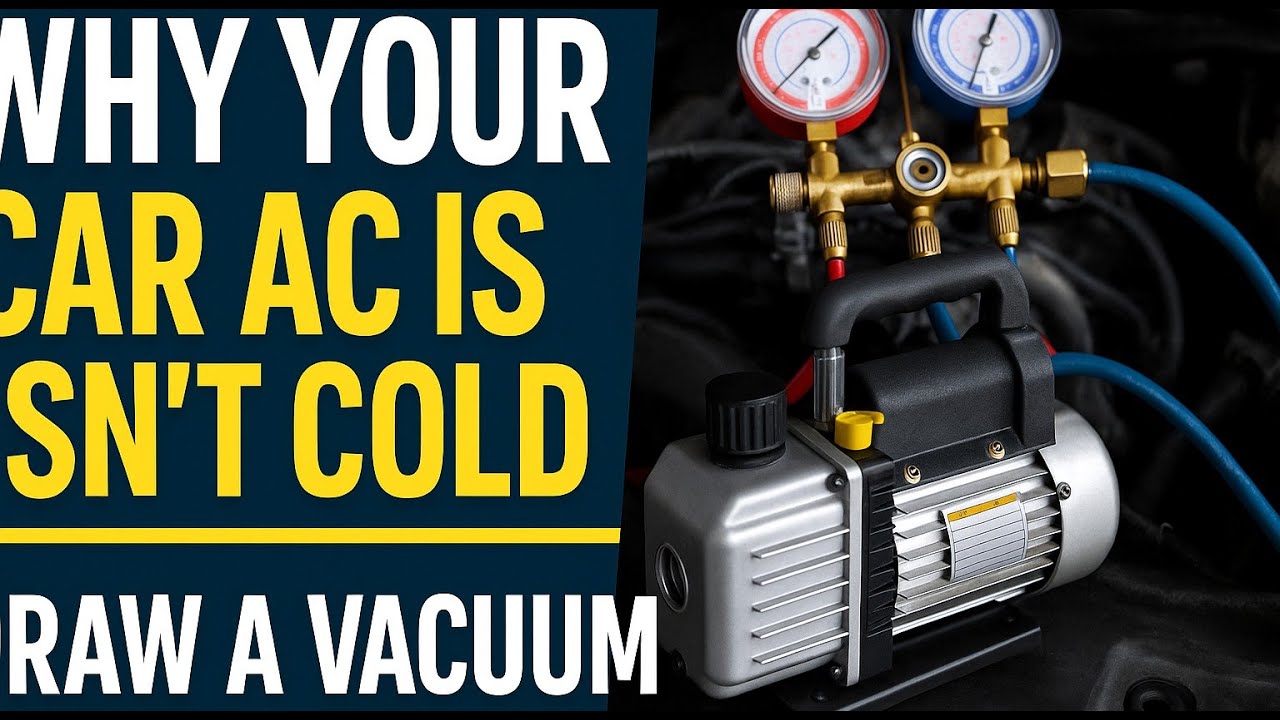
To pull vacuum on a car AC system, you need a vacuum pump, manifold gauge set, and hoses. The vacuum pump removes air and moisture, while the gauges monitor pressure levels. Proper equipment ensures accurate vacuuming and protects the system from damage.
Conclusion
Pulling a vacuum on your car AC system takes time and care. Usually, 15 to 30 minutes is enough to remove air and moisture. A good vacuum helps the AC work better and last longer. Rushing this step can cause problems later.
Check the vacuum gauge often to see when it stabilizes. Patience pays off for a cool, fresh ride. Always follow the right steps for safety and success. Proper vacuuming keeps your AC running smoothly all summer.