Are you worried about termites taking over your home? You’re not alone.
Termite infestations can cause serious damage, and dealing with them often requires drastic measures. One common solution is tenting your house. But how long does this process actually take? The answer might surprise you. Understanding the timeline can help you plan better, minimize inconvenience, and ensure a termite-free home.
We’ll break down everything you need to know about tenting your house for termites, so you can tackle this pest problem with confidence. Stay with us, and discover how to protect your home from these tiny invaders.
Preparing For Tent Fumigation
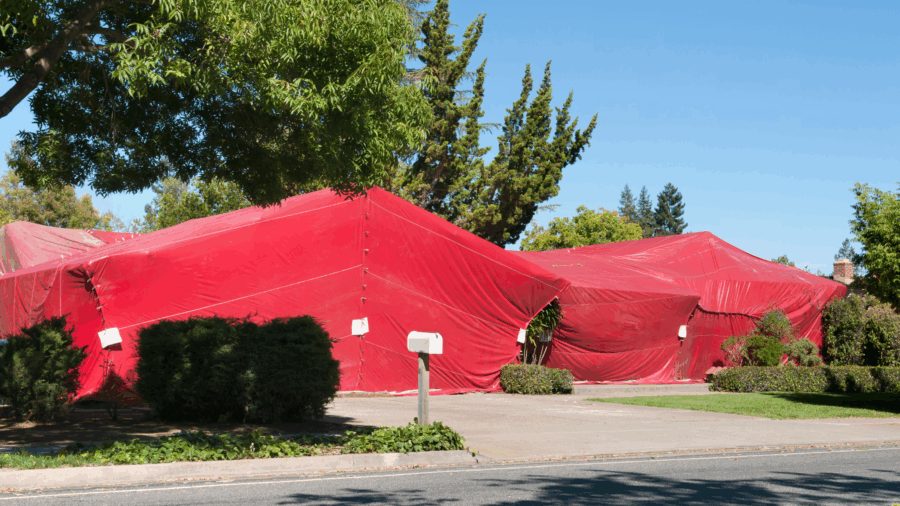
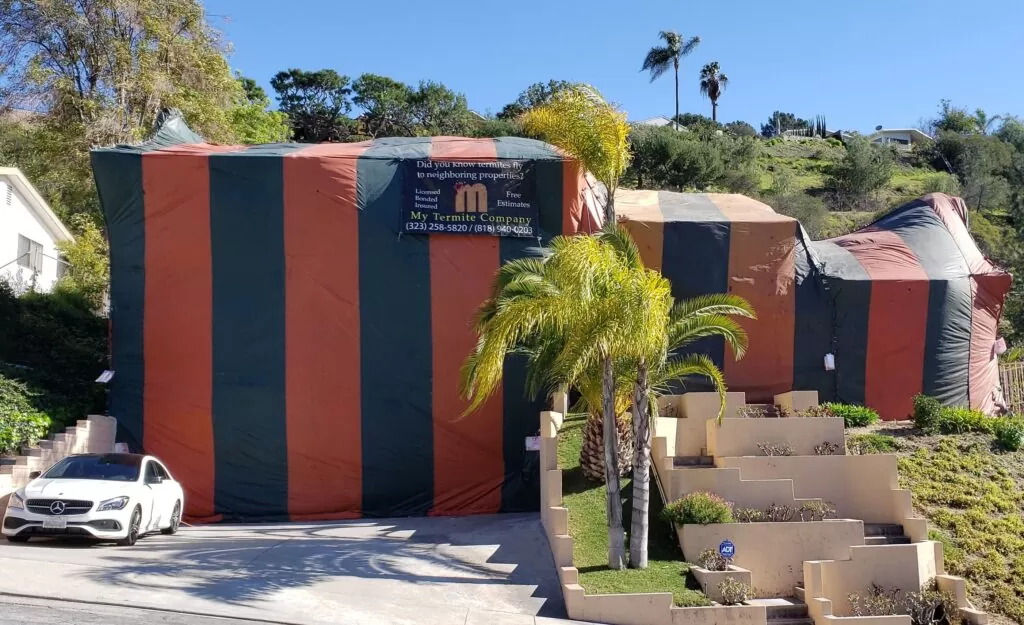
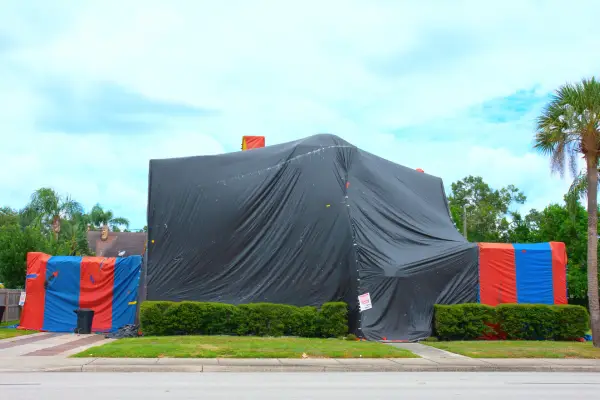
Tent fumigation is a common way to get rid of termites in a house. It involves covering the home with a special tent and using gas to kill pests inside.
Preparing your home before fumigation is very important. Proper preparation helps the process go smoothly and keeps everyone safe.
Scheduling The Tent
Choose a date for fumigation that works for your family. The process usually takes two to three days. You must leave the house during this time.
Pick a date when you can stay elsewhere. Avoid scheduling during bad weather or holidays. This helps avoid delays and makes the process easier.
Clearing The Property
Remove all pets, plants, and food from the house and yard. These items can be damaged or contaminated during fumigation.
- Take out all food, including pet food
- Remove houseplants and garden plants
- Keep pets and fish in a safe place away
- Clear outdoor furniture and toys from the yard
Cover or remove any items that cannot be taken away but are outside the home. This protects them from the chemicals.
Safety Precautions
Fumigation uses strong chemicals that can harm people and pets. It is important to follow all safety rules before and after the treatment.
- Stay out of the home during fumigation
- Do not enter the house until given permission
- Air out the house as directed by professionals
- Wear protective gear if you help with preparation
Make sure all windows and doors are closed before tenting. This keeps the gas inside and makes fumigation effective.

Credit: www.proventermitesolutions.com
Duration Of The Tent Process
Tenting a house for termites requires careful timing. The process involves sealing the home and releasing a gas to kill pests. Knowing how long the tent process takes helps homeowners plan ahead.
The total time depends on the size of the house and the fumigant used. This guide explains the fumigation timeframe and what happens during monitoring.
Fumigation Timeframe
Fumigation usually lasts between 24 and 72 hours. This includes the time to set up the tent, release the gas, and ventilate the house afterward.
- Preparation and tenting: 4 to 8 hours
- Gas exposure time: 24 to 48 hours
- Air out and safety checks: 8 to 24 hours
The exact timing depends on factors like weather and house size. Warmer weather can speed up the process, while larger homes may take longer.
Monitoring During Treatment
Monitoring is important to ensure the fumigation is effective and safe. Specialists check gas levels and structural integrity during and after treatment.
| Monitoring Task | Purpose | Timing |
| Gas concentration check | Ensure lethal levels of gas | During gas exposure |
| Structural inspection | Verify tent remains secure | Throughout tenting |
| Safety clearance | Confirm safe re-entry | After ventilation |
Post-fumigation Steps
After tenting a house for termites, several important steps follow. These steps ensure safety and confirm that termites are gone.
Proper care after fumigation helps protect your home and family. It also prepares your house for normal use again.
Aeration Period
The aeration period starts once the tent is removed. This phase lets the house air out and clears any remaining gas.
Aeration usually takes 24 to 48 hours. During this time, do not enter the home until it is safe.
- Keep windows and doors open for fresh air
- Use fans to help circulate air faster
- Follow the pest control company’s instructions carefully
- Do not enter the home until professionals say it is safe
Inspection And Clearance
After aeration, a pest control expert inspects the home. They check if the fumigation worked well and if the house is safe.
Clearance means the house is free of harmful gas and termites. Only then can you return and use your home normally.
- The expert tests for gas levels in the air
- If gas is low, they confirm safety clearance
- If gas is still high, aeration continues longer
- Inspection also checks for signs of termite activity
Credit: mytermitecompany.com
Factors Affecting Tent Duration
Tenting a house for termites takes time. The length depends on many things. Knowing these helps you plan better.
Here are the main factors that affect how long the tenting lasts.
House Size And Structure
Bigger houses need more time to treat. A large home takes longer to cover with the tent.
Complex structures with many rooms or levels also increase tenting time. Open floor plans may be faster.
- Large homes take longer to tent
- Many rooms mean more work
- Open spaces are easier to cover
Termite Infestation Level
Severe termite damage needs longer treatment. The tent stays up to kill all termites inside.
Light infestations may require less time. The goal is to ensure all termites are eliminated.
- Heavy infestations need longer tenting
- Light infestations require less time
- Complete termite kill is important
Weather Conditions
Weather affects how fast the tenting process goes. Rain or wind can slow down the job.
Ideal weather helps the chemicals work better. Clear, calm days allow safe and quick treatment.
- Rain may delay tenting
- Strong winds affect safety
- Calm, dry weather is best
Tips For A Smooth Tent Experience
Tenting a house for termites requires careful planning. Knowing what to do helps the process go smoothly.
This guide covers how to prepare pets and plants, and how to communicate with professionals effectively.
Preparing Pets And Plants
Pets and plants are sensitive during the tenting process. They need special care before fumigation begins.
- Move pets to a safe place outside the home for the full tenting period.
- Inform your veterinarian about the fumigation so they can advise on pet care.
- Relocate all plants outdoors or to a well-ventilated area away from the house.
- Water plants well before moving them to reduce stress.
- Remove fish tanks and other aquatic pets, as fumigants can harm them.
Communicating With Professionals
Clear communication with the termite control team ensures fewer problems and better results.
| Topic | Questions to Ask | Why It Matters |
| Duration of Tent | How long will the tent stay up? | Helps plan your schedule and pet care |
| Safety Measures | What precautions should we take? | Keeps family and pets safe |
| Access to House | Can we enter during or after fumigation? | Avoids accidental exposure |
| Post-Tent Cleaning | What should we do after tent removal? | Prevents residue issues and odors |
Credit: gorocketpest.com
Frequently Asked Questions
How Long Does A Termite Tenting Take?
Termite tenting typically takes 24 to 48 hours. The process involves sealing your home and applying fumigants to eliminate termites. After treatment, airing out the house can take several hours to ensure safety before re-entry.
When Can I Re-enter My Home After Tenting?
You can usually re-enter your home 24 to 72 hours after tenting. This depends on the fumigant used and ventilation time. Your pest control professional will confirm when it is safe based on air quality tests.
What Preparation Is Needed Before Tenting Termites?
Before tenting, remove food, plants, and pets from your home. Seal all food items in airtight containers. Clear areas around the house for tent setup. This ensures safety and effective fumigation.
Does Tenting Kill All Types Of Termites?
Yes, tenting effectively kills all termite species inside the home. The fumigant penetrates walls and wood, eradicating active termites and colonies. It is a comprehensive treatment for severe infestations.
Conclusion
Tenting a house for termites usually takes about one to three days. This time allows the chemicals to work fully and kill all termites inside. You will need to leave the house during this period for safety. After tenting, airing out the house is important to remove any fumes.
Proper tenting helps protect your home from serious damage. Plan ahead to reduce disruption. Regular inspections can help catch termites early next time. Taking these steps keeps your home safe and strong.