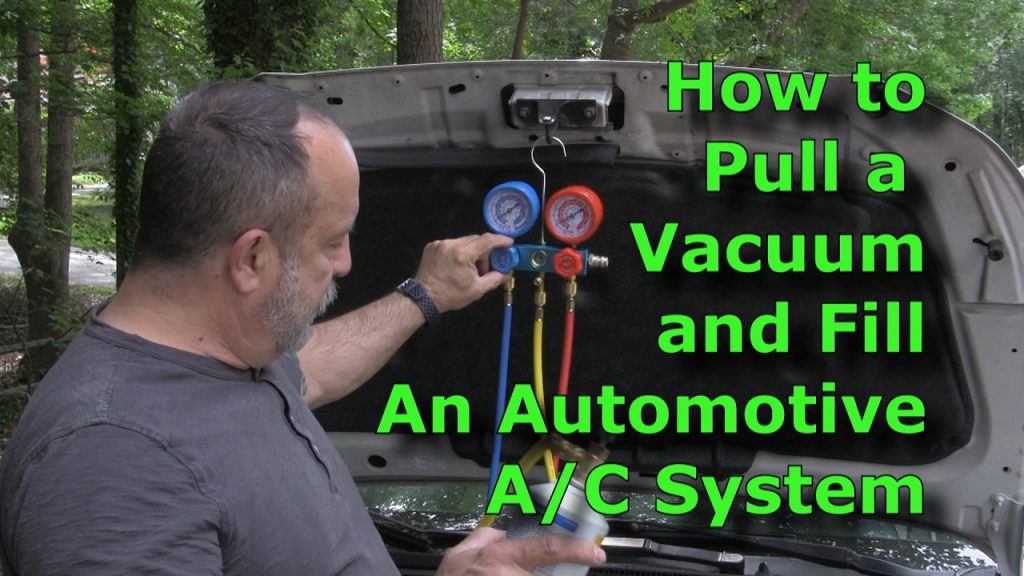
Are you wondering how long it takes to vacuum your car’s AC system? You’re not alone.
Many car owners find themselves puzzled by this necessary maintenance task. Whether you’re looking to improve your car’s cooling efficiency or ensure its longevity, knowing the right duration for vacuuming your AC system can make all the difference. In this blog post, we’ll unravel the mystery behind this essential process.
We’ll guide you through the steps and share expert tips to help you get it right. Stay with us to discover how this simple task can keep your car’s AC running smoothly and efficiently, saving you time and money in the long run.

Credit: www.reddit.com
Purpose Of Vacuuming Ac Systems
Vacuuming an AC system in a car serves a vital role. It prepares the system for refrigerant and ensures efficient operation. This process removes unwanted elements that can harm the system’s performance. Proper vacuuming extends the life of the AC and improves cooling.
Removing Moisture And Air
Moisture inside the AC system causes damage. It reacts with refrigerants and forms acids. These acids corrode metal parts, leading to leaks and failures. Vacuuming removes trapped air and moisture. This keeps the system dry and clean, ready for refrigerant.
Preventing Contamination
Dust, dirt, and debris can enter the AC system during repairs. These contaminants block tiny passages and reduce airflow. Vacuuming clears out these particles before adding refrigerant. This prevents clogs and maintains smooth system operation. Clean systems cool better and last longer.

Credit: www.youtube.com
Factors Influencing Vacuum Time
Several factors influence how long it takes to vacuum a car’s AC system. Understanding these can help ensure the process is effective and efficient. Vacuum time varies based on system design, tools used, and the environment. Each factor plays a critical role in removing moisture and air from the system.
System Size And Complexity
Larger AC systems need more time to reach the proper vacuum level. Complex systems with many components hold more air and moisture. More connections and longer hoses mean a longer vacuuming process. Smaller or simpler systems can be vacuumed faster. Always consider the system’s size and design for accurate vacuum timing.
Equipment Quality
High-quality vacuum pumps remove air and moisture quicker. Older or less powerful pumps take longer to achieve a deep vacuum. The condition of gauges and hoses also affects vacuum time. Tight, leak-free connections speed up the process. Using reliable equipment ensures a thorough and timely vacuum.
Environmental Conditions
Temperature and humidity affect vacuuming duration. High humidity means more moisture inside the system. Vacuum pumps must run longer to remove this moisture. Cold temperatures can slow down the vacuum process. Work in a controlled environment for best results. Adjust vacuum time based on the surrounding weather and conditions.
Recommended Vacuum Durations
Knowing the right vacuum duration for your car’s AC system is crucial. It ensures the system is free from moisture and air. This step helps the refrigerant flow properly and keeps the AC running smoothly. Vacuuming too little or too long can cause issues. Here are some recommended vacuum durations to guide you.
Standard Timing Guidelines
Most car AC systems need a vacuum time between 30 and 60 minutes. This range removes moisture and air effectively. A typical guideline is:
- Start with at least 30 minutes of vacuuming.
- For better results, aim for 45 to 60 minutes.
- Check the vacuum gauge for a stable deep vacuum around 500 microns or less.
Vacuuming within this time frame helps avoid leaks and ensures system longevity. It prepares the system for refrigerant charging.
Adjusting For Specific Scenarios
Different situations may require changes in vacuum time. Here are some examples:
- New system or major repair:Extend vacuum time to 60 minutes or more.
- Small leaks suspected:Perform a longer vacuum to detect slow leaks.
- Short vacuum time:Risk leaving moisture inside, causing damage.
- Vacuum pump size:Larger pumps may reduce required vacuum time.
Always monitor the vacuum gauge. Adjust time based on system condition and pump efficiency.

Credit: m.youtube.com
Step-by-step Vacuuming Process
Vacuuming a car’s AC system is essential for removing moisture and air. This process ensures the system works efficiently and prevents damage. Follow the steps carefully to vacuum the AC system correctly.
Preparing The System
Start by turning off the car engine and opening the hood. Connect the vacuum pump to the AC service ports using proper hoses. Check that all connections are tight to avoid air leaks. Remove any refrigerant if present to prevent contamination. Make sure the AC system is ready for vacuuming.
Running The Vacuum Pump
Switch on the vacuum pump and let it run. The vacuum should last between 30 to 60 minutes for most cars. This removes moisture and air trapped inside the system. Watch the vacuum gauge for pressure readings. The pressure should drop and stay steady, indicating a good vacuum.
Checking For Leaks
Turn off the vacuum pump after the set time. Observe the gauge for at least 10 minutes without running the pump. A steady pressure means no leaks are present. If the pressure rises, check connections and seals for leaks. Fix any leaks before refilling the system with refrigerant.
Common Mistakes To Avoid
Vacuuming your car’s AC system is a key step for proper maintenance. Avoiding common mistakes ensures the system works well and lasts longer. Simple errors can cause poor cooling and costly repairs.
Knowing what to avoid helps save time and money. Below are frequent errors to watch out for during the vacuum process.
Insufficient Vacuum Time
Rushing the vacuum process leaves moisture and air inside the AC system. These contaminants reduce cooling efficiency and can damage components.
Vacuuming too briefly does not remove all trapped air or water. Aim for at least 30 to 45 minutes of vacuum time for best results.
Watch the vacuum gauge closely to confirm a deep vacuum is reached and held steadily.
Ignoring System Leaks
Leaks let air and moisture enter after vacuuming, ruining the process. Skipping a leak check wastes time and effort.
Test all connections, hoses, and seals before vacuuming. Use a leak detector or soapy water to find leaks.
Fix leaks promptly to maintain a sealed system and effective vacuum.
Using Inadequate Equipment
Low-quality or incorrect vacuum pumps fail to create proper vacuum levels. This leads to incomplete air and moisture removal.
Choose a reliable vacuum pump designed for automotive AC systems. Check pump capacity and maintenance regularly.
Using the right gauges and hoses also ensures accurate readings and secure connections.
Benefits Of Proper Vacuuming
Proper vacuuming of your car’s AC system is essential for its smooth operation. It removes air, moisture, and contaminants that can harm the system. This process ensures your AC works efficiently and lasts longer. Understanding these benefits helps maintain comfort during every drive.
Enhanced Ac Performance
Vacuuming removes trapped air and moisture from the AC system. This allows the refrigerant to flow freely and cool the air effectively. Without proper vacuuming, the system may blow warm air or work harder than needed. A clean, dry system improves cooling speed and consistency. You get better comfort in hot weather with less effort from the AC.
Extended System Lifespan
Moisture and debris can cause corrosion and damage inside the AC system. Vacuuming prevents these harmful elements from remaining in the system. This reduces wear on important parts like the compressor and valves. A well-maintained system breaks down less often and needs fewer repairs. Regular vacuuming helps your AC last through many seasons without major issues.
Frequently Asked Questions
How Long Does It Take To Vacuum A Car Ac System?
Vacuuming a car AC system usually takes 30 to 45 minutes. This time ensures all air and moisture are removed for optimal cooling.
Why Is Vacuuming The Car Ac System Important?
Vacuuming removes moisture and air, preventing corrosion and improving refrigerant flow. It helps maintain efficient AC performance and prolongs system life.
How Often Should You Vacuum Your Car Ac System?
Vacuuming is typically done during AC repairs or recharge. Regular vacuuming isn’t needed unless the system is opened or leaks are repaired.
Can Vacuuming Fix Car Ac Cooling Problems?
Vacuuming alone won’t fix cooling issues but is essential during repairs. It ensures the system is free from contaminants for proper refrigerant function.
Conclusion
Vacuuming your car’s AC system usually takes about 30 to 60 minutes. This time helps remove air and moisture from the system. Doing it right ensures the AC works well and lasts longer. Rushing can cause problems or leaks later.
Regular vacuuming keeps the system clean and efficient. Trust the process and follow the recommended time. Your car’s comfort depends on proper AC care. Simple steps make a big difference. Keep your AC running smoothly all year.